Fire and ice: how Iceland became a country of both
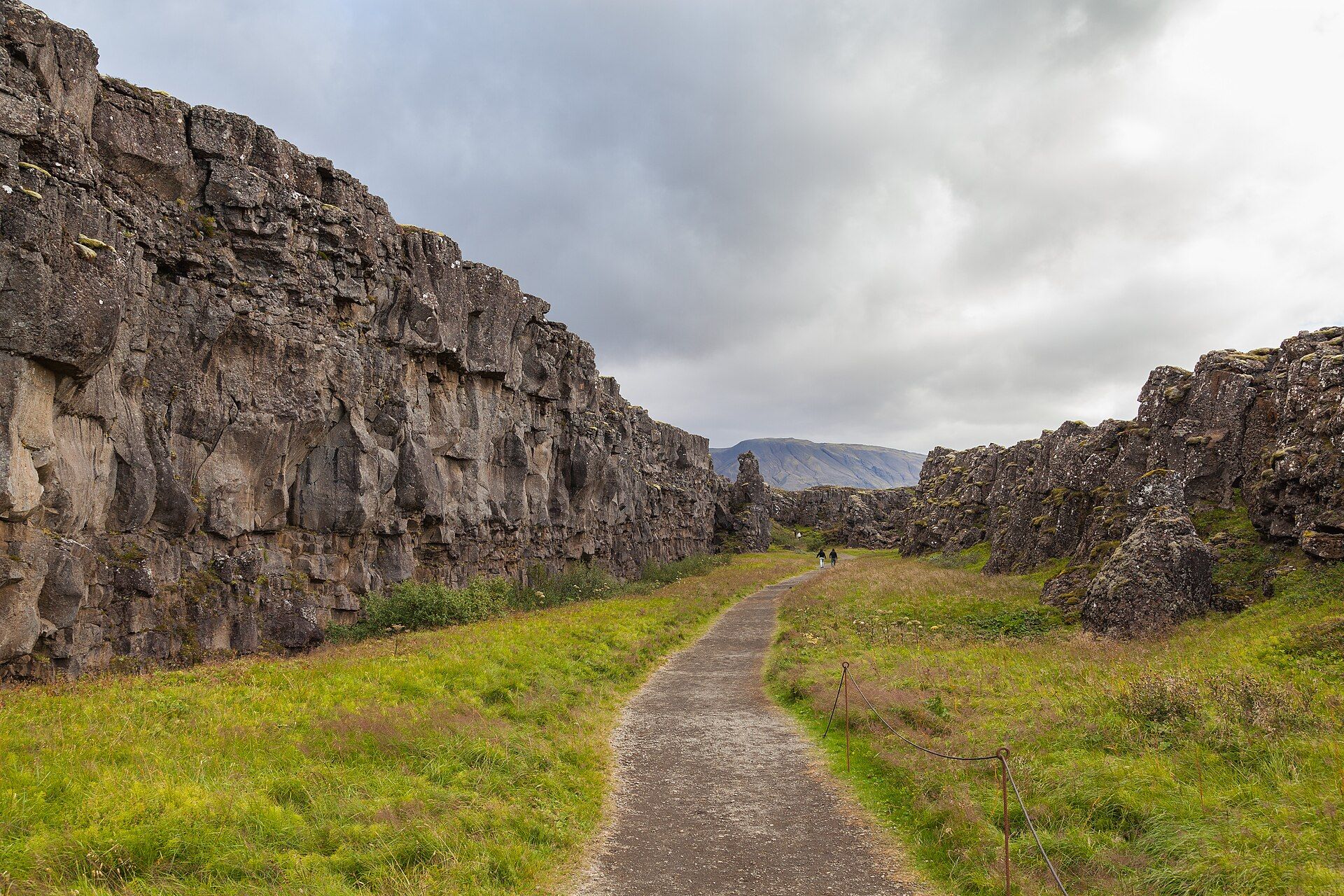
Iceland shouldn’t really be there. Most of the mid-ocean ridge that runs down the Atlantic — the seam where two tectonic plates pull apart — lies deep underwater. But beneath Iceland, an unusually hot plume of mantle rock has piled up so much volcanic material that the ridge breaks the surface. The result is a rare thing: a spreading plate boundary you can stand on, at Þingvellir, with North America on one side and Eurasia on the other.
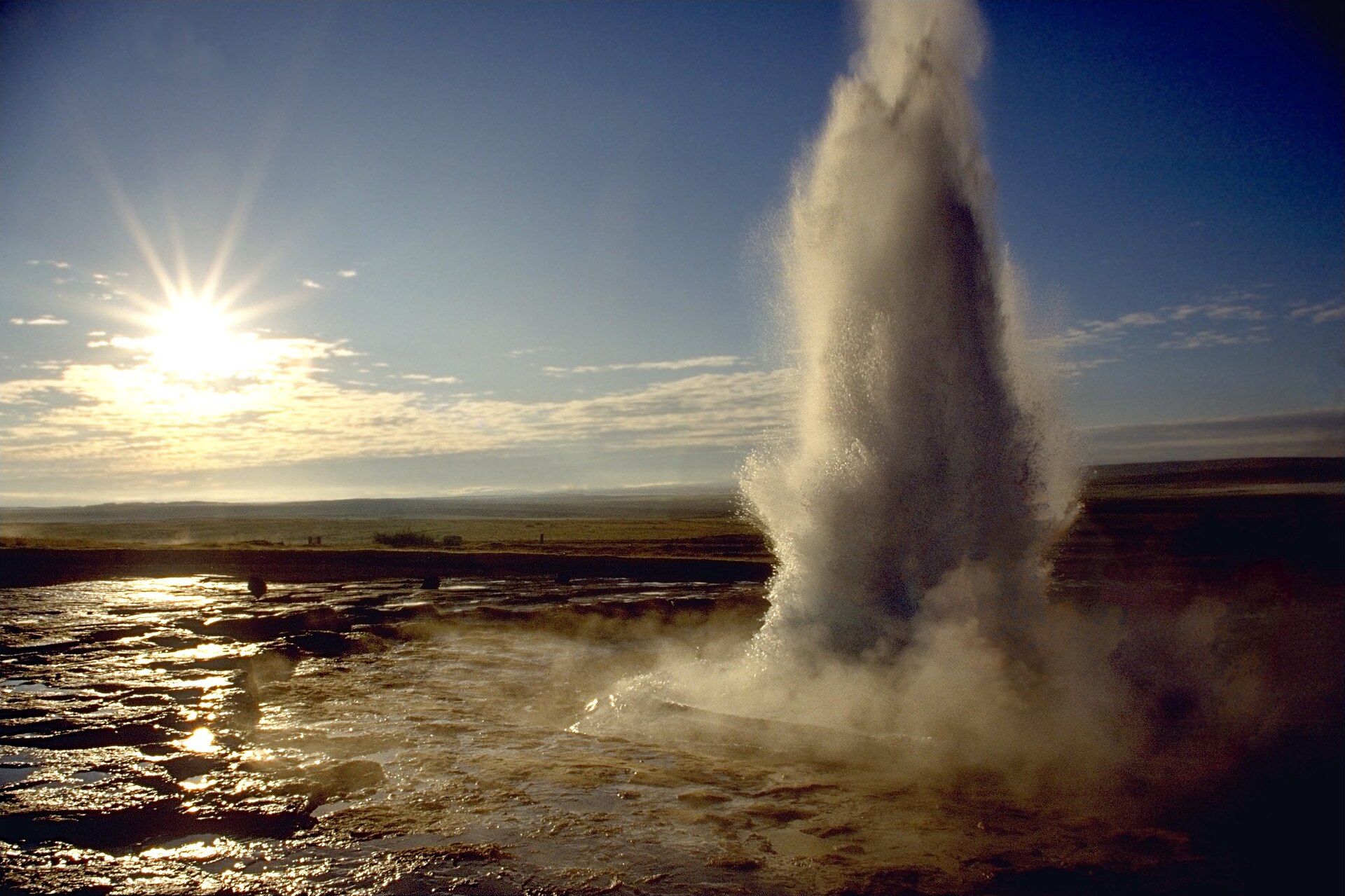
That same heat is why the island steams. Groundwater sinking toward the hot rock superheats and bursts back out as geysers and hot springs — the phenomenon that got its very name here, at Geysir. Icelanders harness it to heat almost every home and grow tomatoes through the Arctic winter.
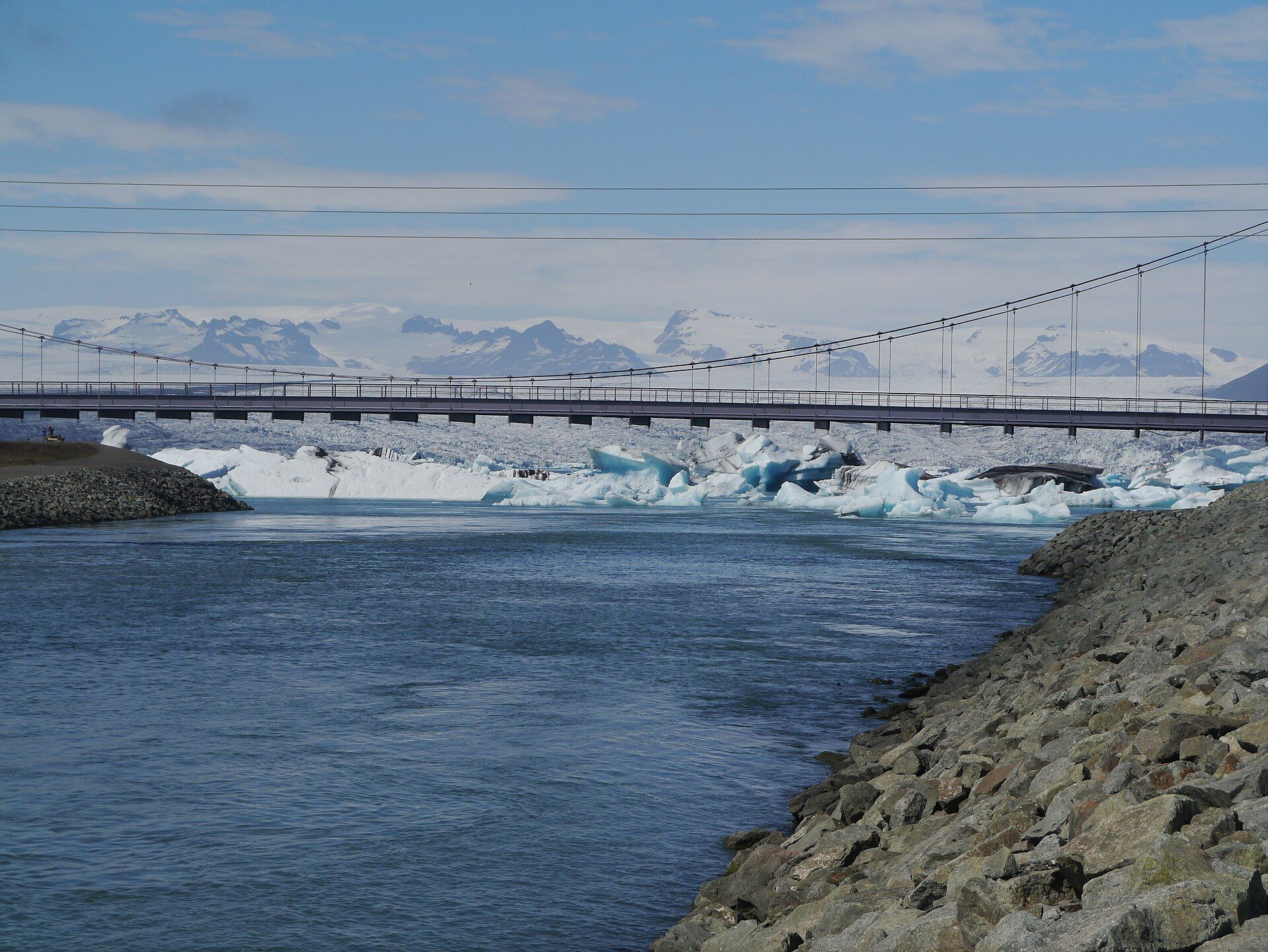
And yet, over all that fire lies ice. Glaciers — including Vatnajökull, the largest in Europe by volume — grind across the volcanic plateau, feeding waterfalls and calving into lagoons like Jökulsárlón. Fire builds the island up; ice carves it back down. To travel Iceland is to watch those two forces working the same ground at once — sometimes, remarkably, within a single afternoon.
Wonders in this article