The world's great fjords, compared
A fjord is a glacier-carved valley that the sea has flooded — a simple definition covering places that feel remarkably different in person. If you’re choosing between them, these are the distinctions that actually matter.
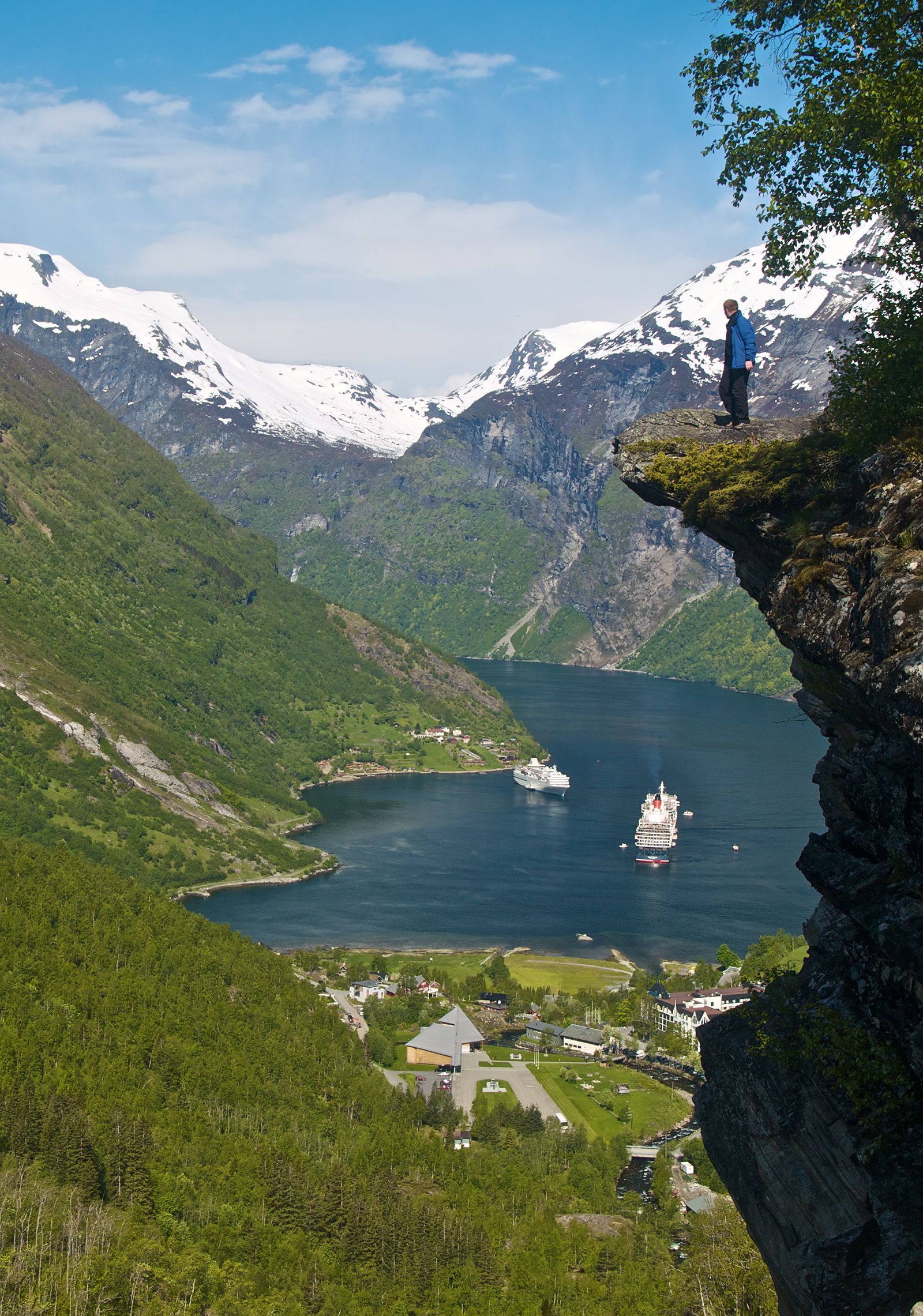
Geirangerfjord, Norway — the classic, and the most accessible. Sheer walls, waterfalls dropping straight to the water, and abandoned farms clinging to ledges high above. Norway’s fjord country is the benchmark, and it is easy to reach: ferries, roads, and viewpoints are all well developed. If you want the archetype without logistical difficulty, this is it. Best roughly May–September.
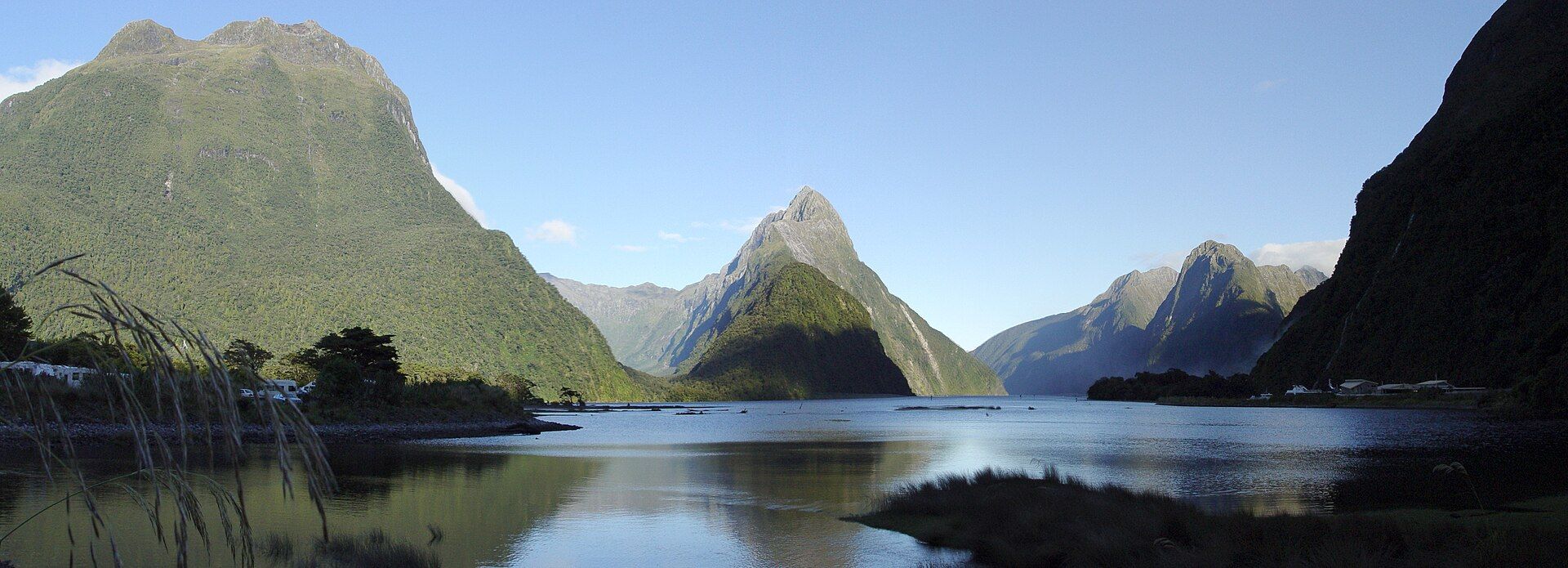
Milford Sound, New Zealand — the wettest and most dramatic in bad weather. Milford takes an extraordinary amount of rain, and that is a feature rather than a flaw: heavy rainfall turns the cliff faces into hundreds of temporary waterfalls, and the place is arguably at its most spectacular when the weather is at its worst. Mitre Peak rising sheer from the water is the signature view. Come expecting rain and you’ll rarely be disappointed.
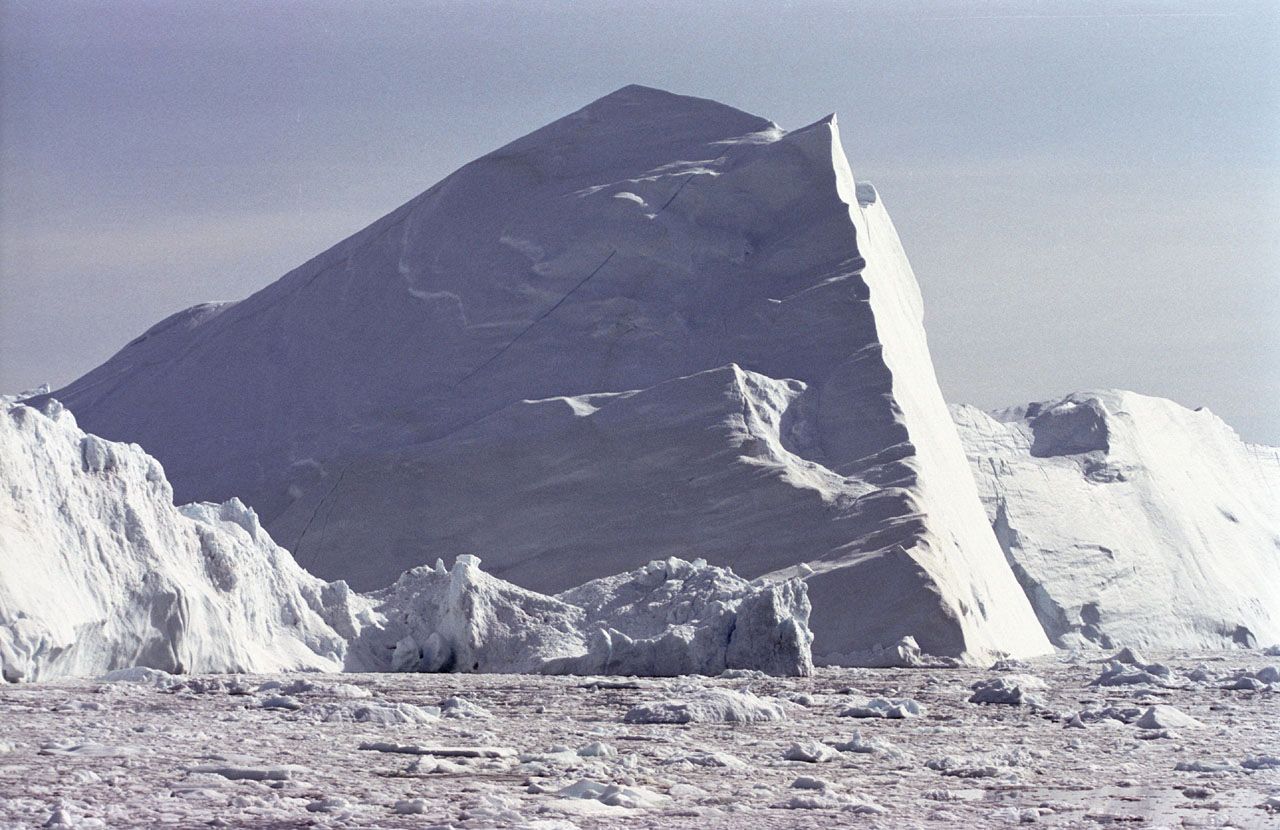
Ilulissat Icefjord, Greenland — the one that’s actually full of ice. This is the outlier. Fed by one of the fastest-moving glaciers on Earth, the fjord is choked with icebergs the size of buildings, and the experience is less about cliff scenery than about scale and sound — ice groaning, cracking, and occasionally rolling. It is the hardest to reach and the most expensive, and it is also the only one of the three where you’re watching an active ice sheet drain in real time.
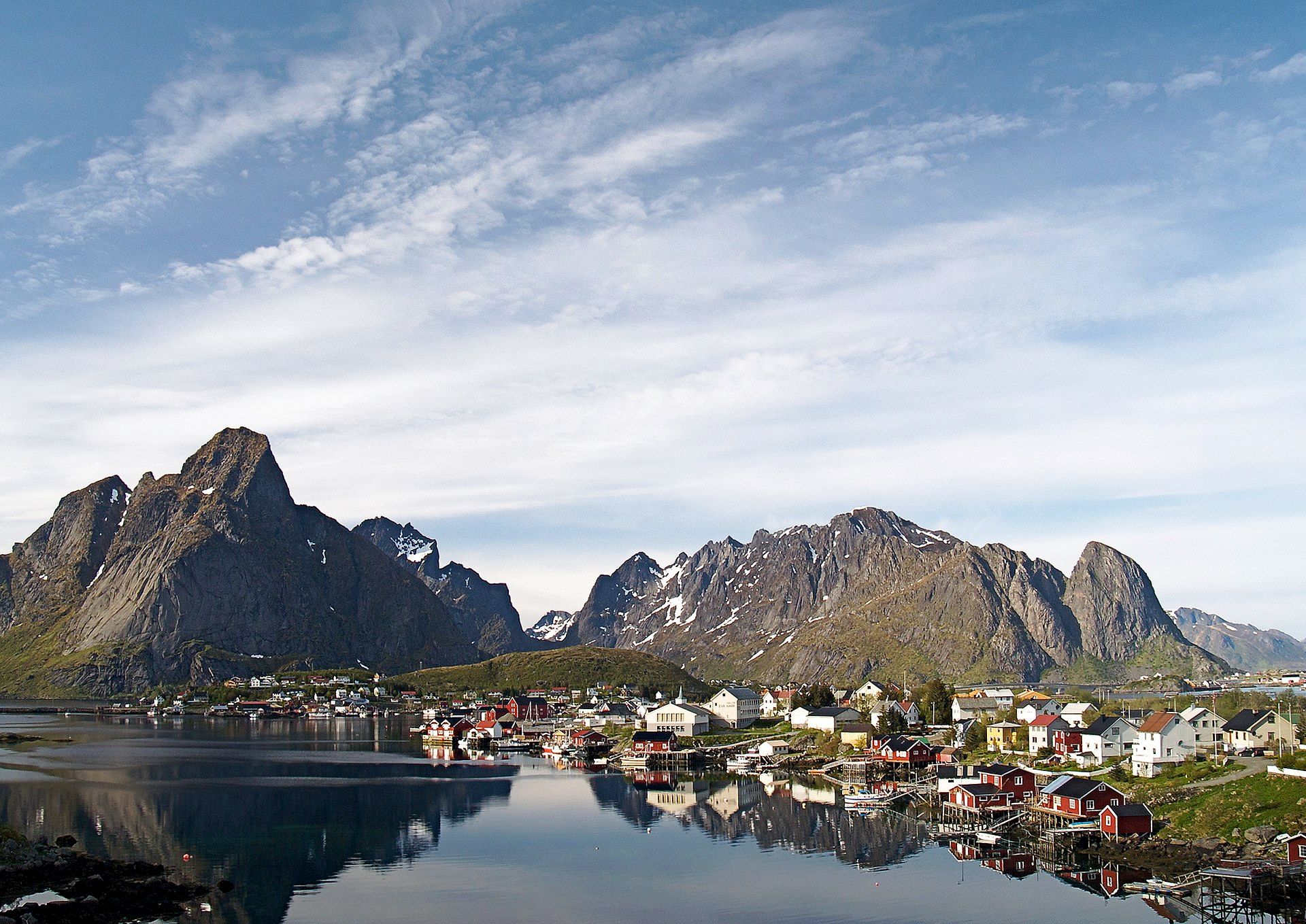
A note on Lofoten. Often mentioned alongside the fjords, Lofoten is really a different proposition — jagged peaks rising straight from the sea around fishing villages, above the Arctic Circle. If your mental image of “fjord trip” is actually dramatic Nordic coastline with places to stay, Lofoten may suit you better than a fjord proper.
The short version: Geirangerfjord for accessibility and the classic form, Milford for raw drama and waterfalls, Ilulissat if you want the ice itself and can absorb the cost and effort. All three are UNESCO-listed or adjacent to listed areas, and none disappoints — they simply answer different questions.
Wonders in this article