The colour of ice: why glacier lakes glow, and glaciers calve
Two things about glaciers stop people in their tracks: the electric turquoise of the lakes they feed, and the cannon-fire crack of ice breaking off their fronts. Both are the same story — glaciers are machines for grinding rock and moving ice — seen from two angles.
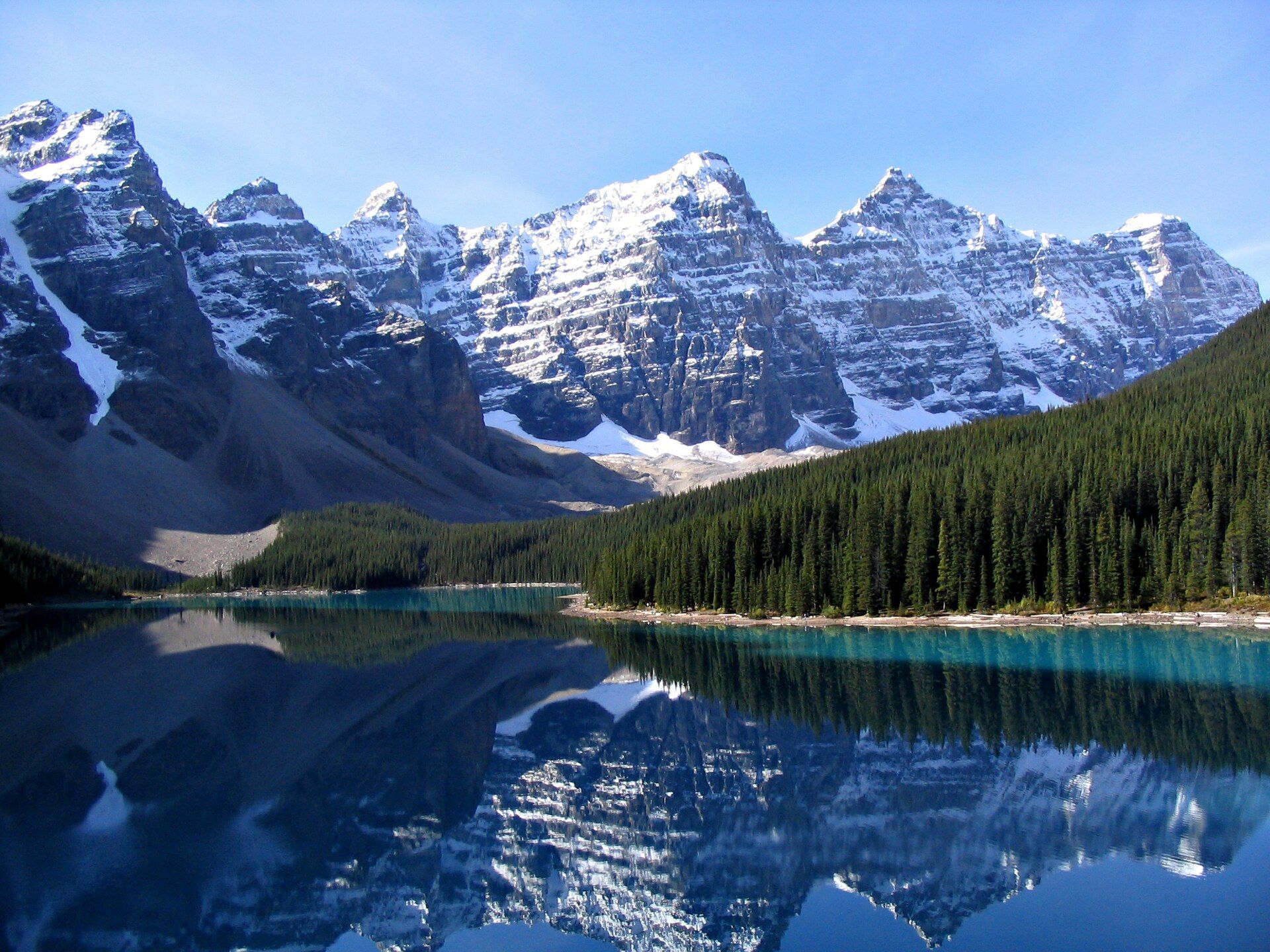
Start with the colour. As a glacier creeps downhill, it grinds the bedrock beneath it into an extraordinarily fine powder, often called ‘rock flour’. Meltwater carries that powder into lakes, where the particles are so small they stay suspended rather than sinking. Suspended rock flour scatters sunlight, and it scatters the blue-green wavelengths most strongly — so the water glows that unmistakable milky turquoise, as at Moraine Lake in the Canadian Rockies. It isn’t dye or reflection; it’s rock, hanging in cold water, bending light.
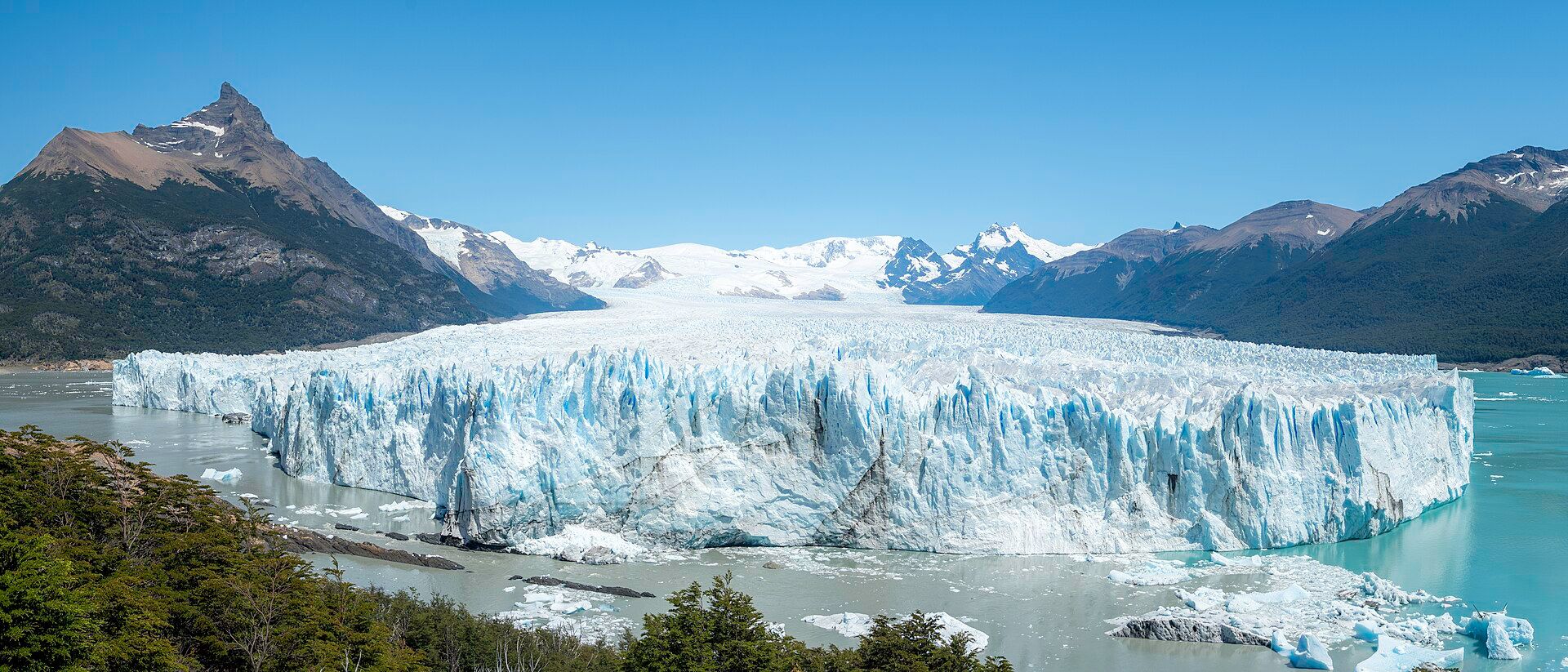
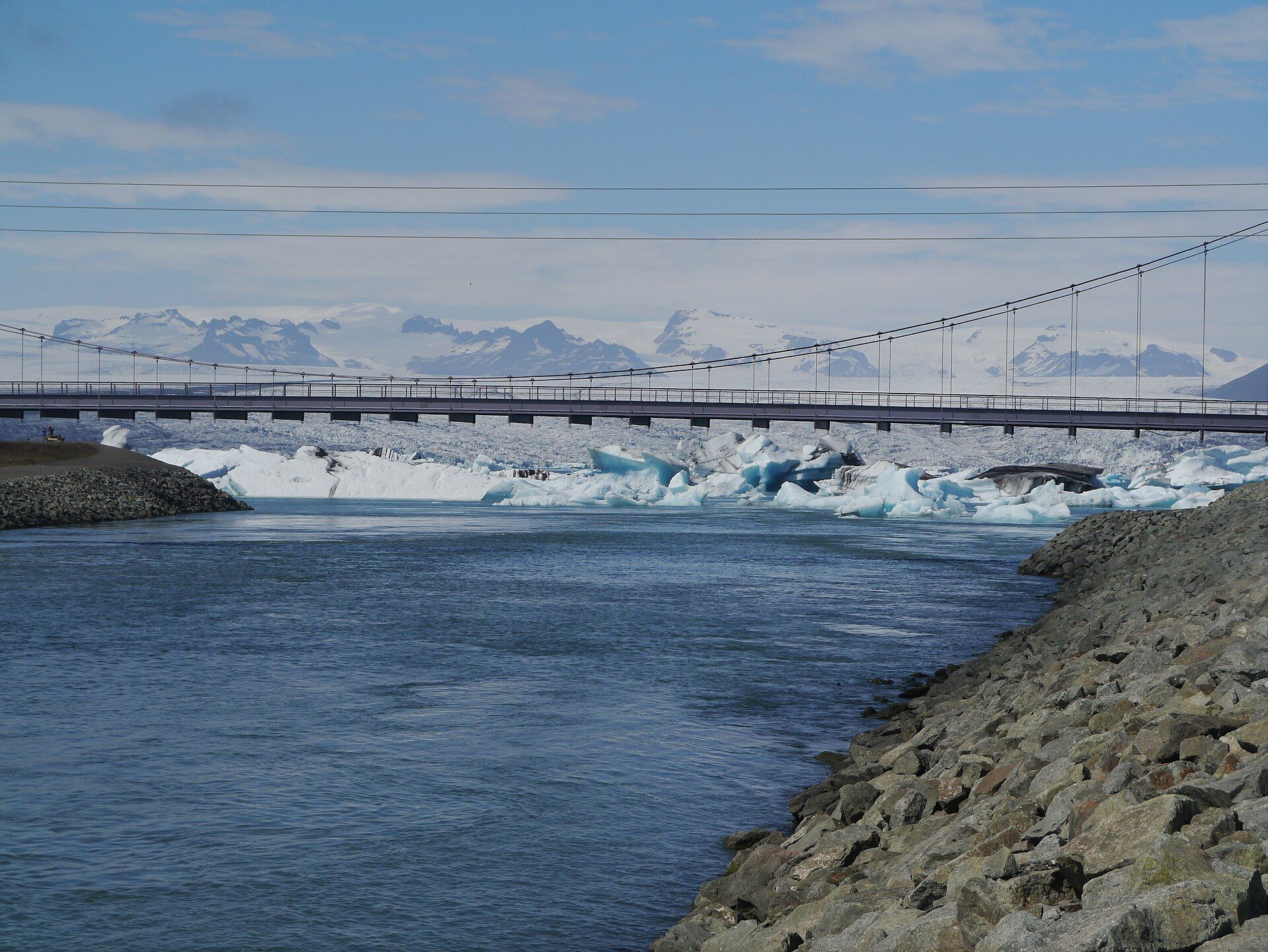
Now the boom. A glacier is a river of ice in slow motion, always flowing forward even as it melts. Where it reaches a lake or the sea, the front becomes unstable, and great blocks shear off and crash into the water — ‘calving’. At Argentina’s Perito Moreno you can stand almost level with a 70-metre ice wall and simply wait for it to happen; at Iceland’s Jökulsárlón, the calved bergs drift across a lagoon and wash up glittering on a black beach. Colour and collapse, flour and calving — everywhere glaciers go, they leave beauty in their wake, and, increasingly, a record of a warming world.
Wonders in this article