Head to head · iconic volcanoes
Mount Fuji vs Kilimanjaro: Which Iconic Volcano?
Two of the most iconic mountains on Earth — a perfect snow-capped cone that is the symbol of Japan, and the tallest free-standing mountain in the world rising alone from the African plains. Both are volcanoes climbable without technical gear, but the experiences could hardly be more different.
Here's how Mount Fuji and Kilimanjaro compare across what actually shapes a visit, and how to decide which to build a trip around.
Mount Fuji
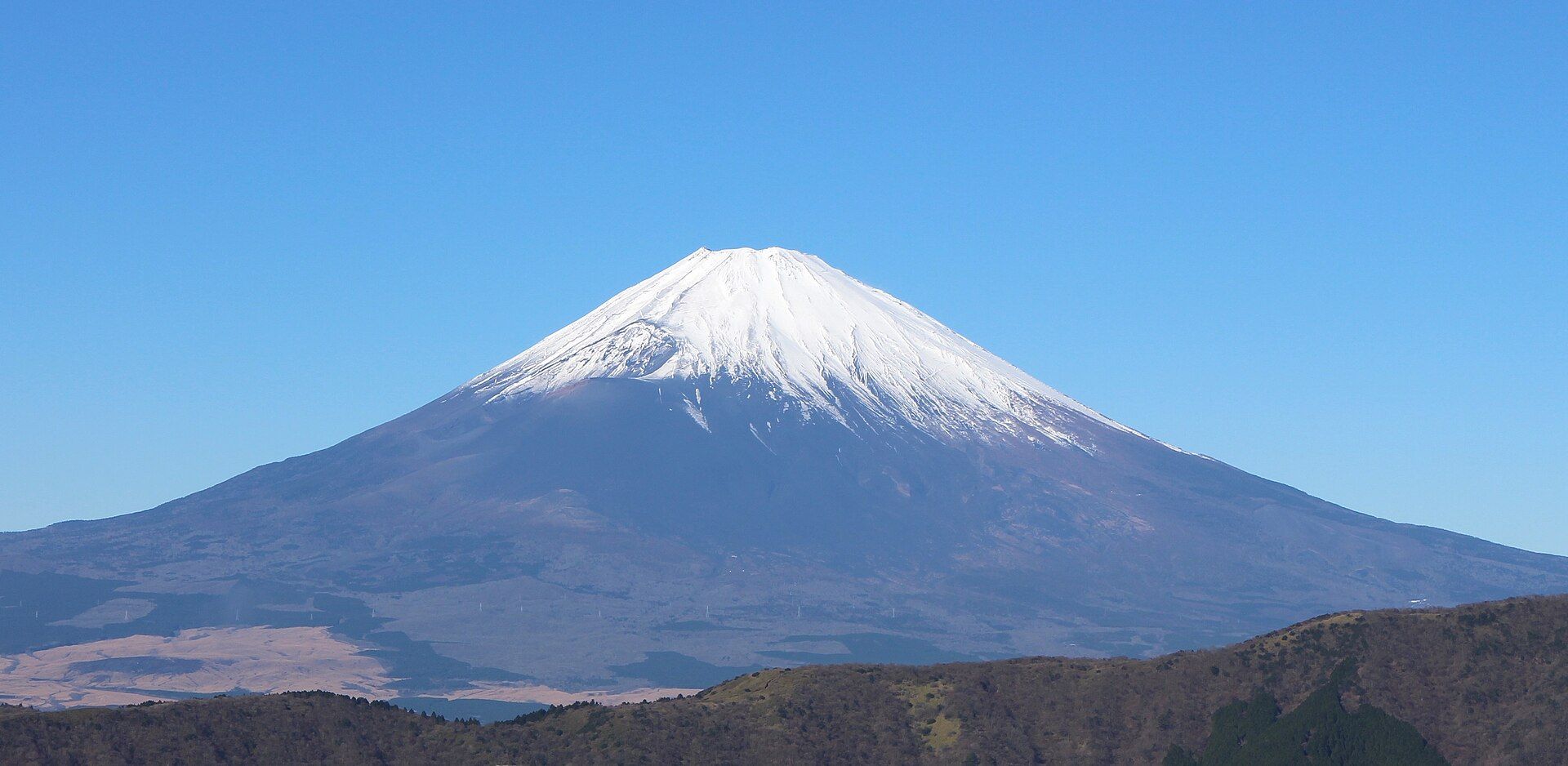
Japan's perfect volcanic cone
A near-perfect symmetrical cone, snow-capped for much of the year and painted for centuries, at its most beautiful seen from afar — mirrored in the Fuji Five Lakes or floating behind cherry blossom and bullet trains. The summer climb is a short but crowded overnight push to watch sunrise from the crater rim.
- The world's most beautiful volcanic silhouette
- Superb from a distance — lakes, blossom, temples
- A short, non-technical summer climb to sunrise
- Easy to reach from Tokyo
Kilimanjaro
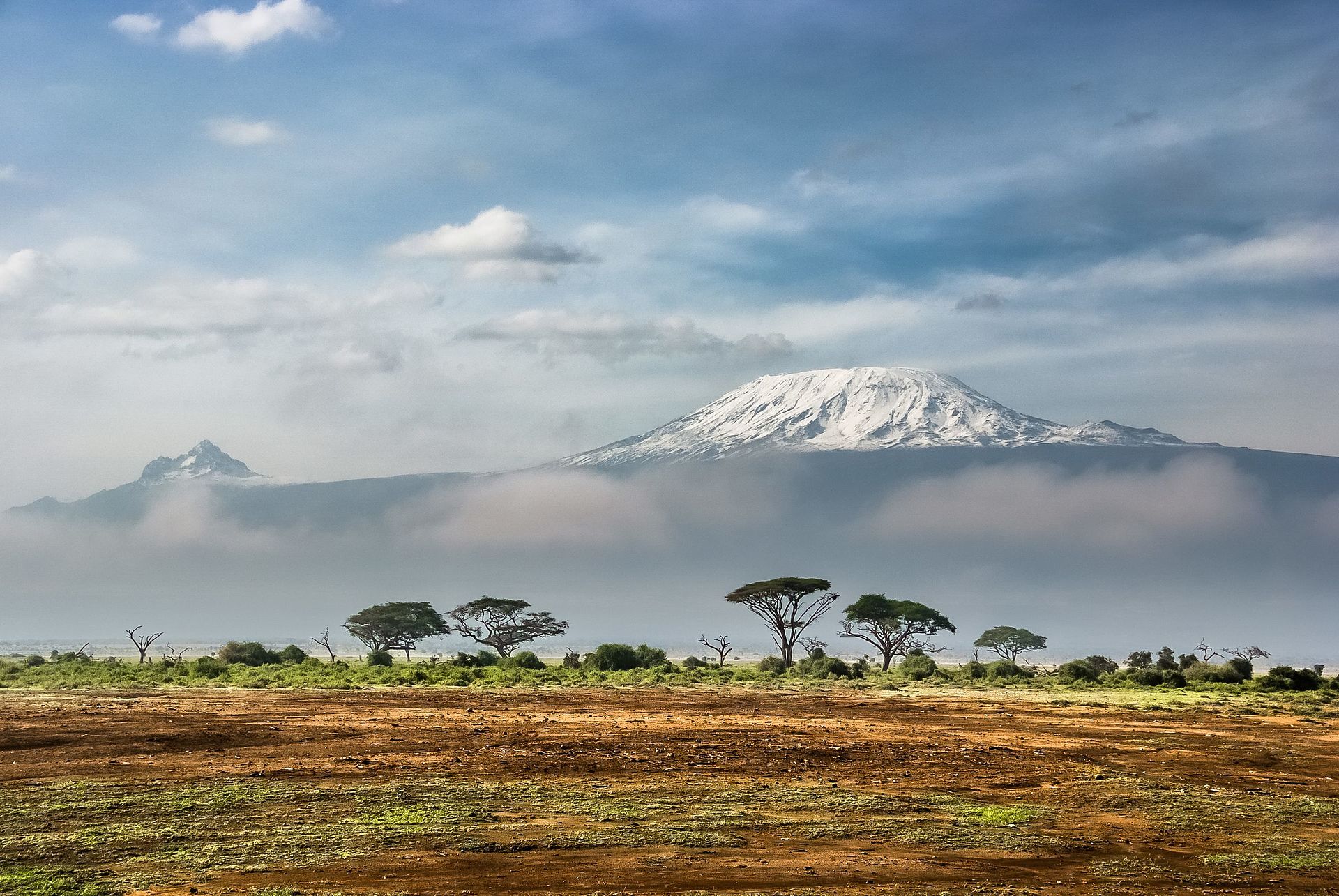
The roof of Africa
Africa's highest peak and the tallest free-standing mountain on Earth, a glacier-topped volcano rising alone from the Tanzanian plains. The draw is the climb itself — a multi-day trek through five climate zones from rainforest to arctic summit — a genuine expedition anyone reasonably fit can attempt with a guide.
- Africa's highest — a true summit of the continent
- A multi-day trek through five climate zones
- Non-technical, but a serious high-altitude achievement
- Pairs naturally with a Tanzanian safari
Head to head
| What matters | Mount Fuji | Kilimanjaro |
|---|---|---|
| The view of it Edge: Mount Fuji | Sublime from afar — one of the most beautiful mountains on Earth to look at. | Grand and massive, but the reward is on it, not looking at it. |
| The climb Edge: Kilimanjaro | Short and steep — one hard overnight push, no altitude expedition. | A multi-day trek to 5,895 m; the journey through climate zones is the point. |
| Effort & difficulty Edge: Toss-up | Demanding but brief; manageable for most fit walkers in a day or two. | A real expedition — days of walking and serious altitude to manage. |
| Do you need a guide? Edge: Mount Fuji | No — the summer trails are well-marked and self-guided. | Yes — guided treks are mandatory, with porters and set routes. |
| Access Edge: Mount Fuji | Very easy — a short trip from Tokyo by train or road. | A flight to Kilimanjaro Airport, then a multi-day organised trek. |
| Season Edge: Kilimanjaro | Official climbing season is a short July–September window; admired year-round. | Best in the dry seasons (Jan–Mar, Jun–Oct); climbable much of the year. |
Which should you choose?
Choose Mount Fuji if…
…you love a mountain as much for its beauty as for climbing it, want an easy trip from Tokyo, and are happy with a short, sharp summer ascent — or simply the perfect view from the lakes below.
Choose Kilimanjaro if…
…you want the achievement of a lifetime, relish a multi-day trek through wildly changing landscapes to the roof of Africa, and can pair it with a safari on the plains below.
The honest verdict
This is a contrast between looking and doing: Fuji is a mountain you admire, photograph, and can climb quickly; Kilimanjaro is a mountain you commit days to and earn.
For scenery, ease, and a Japan trip, Fuji; for a genuine expedition and the summit of a continent, Kilimanjaro.
They appeal to different travellers entirely — pick by whether you want the perfect view or the great climb.
Wonders mentioned here
Added