Mount Guiting-Guiting
📍 Sibuyan Island, Romblon, MIMAROPA
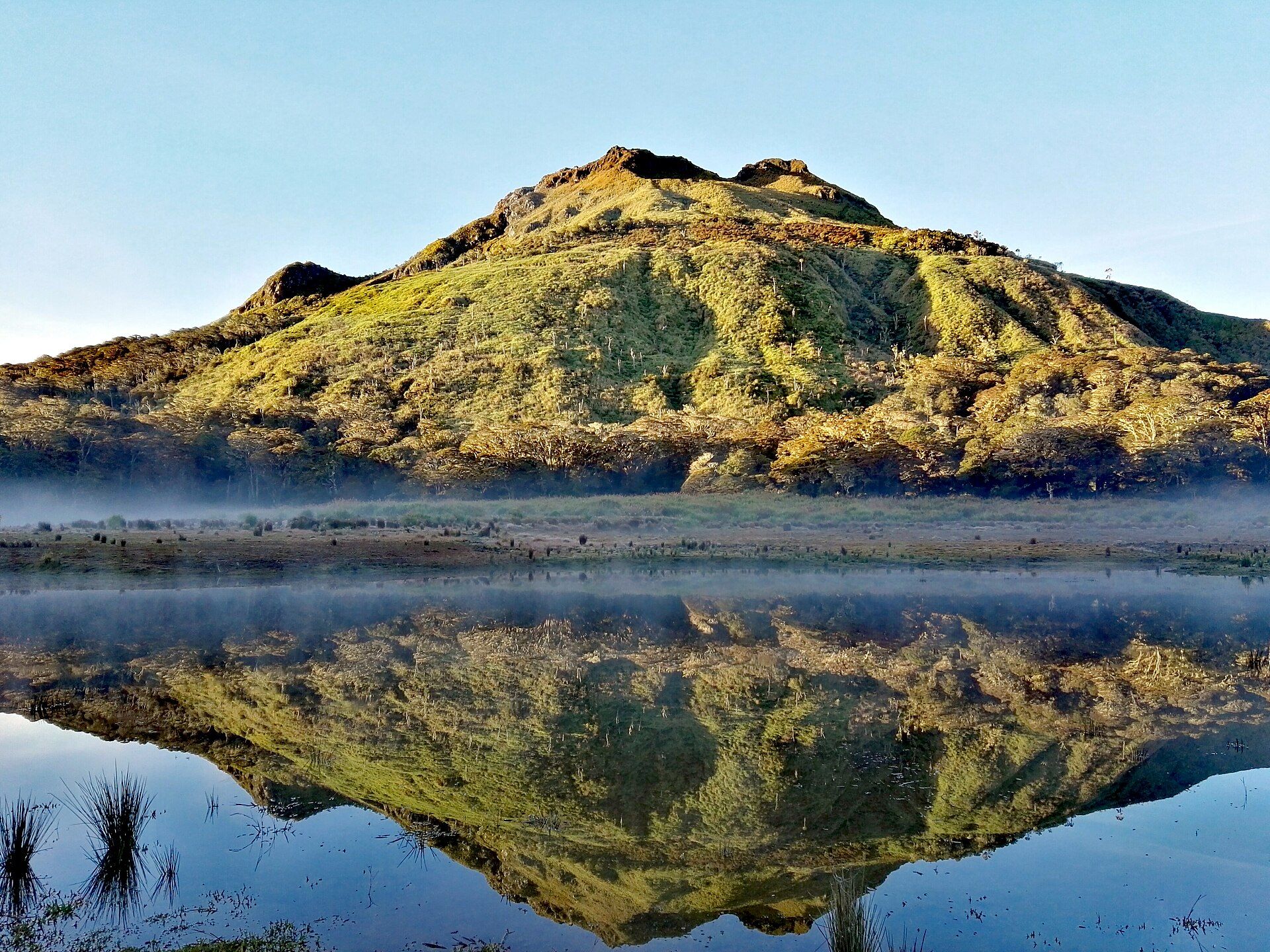
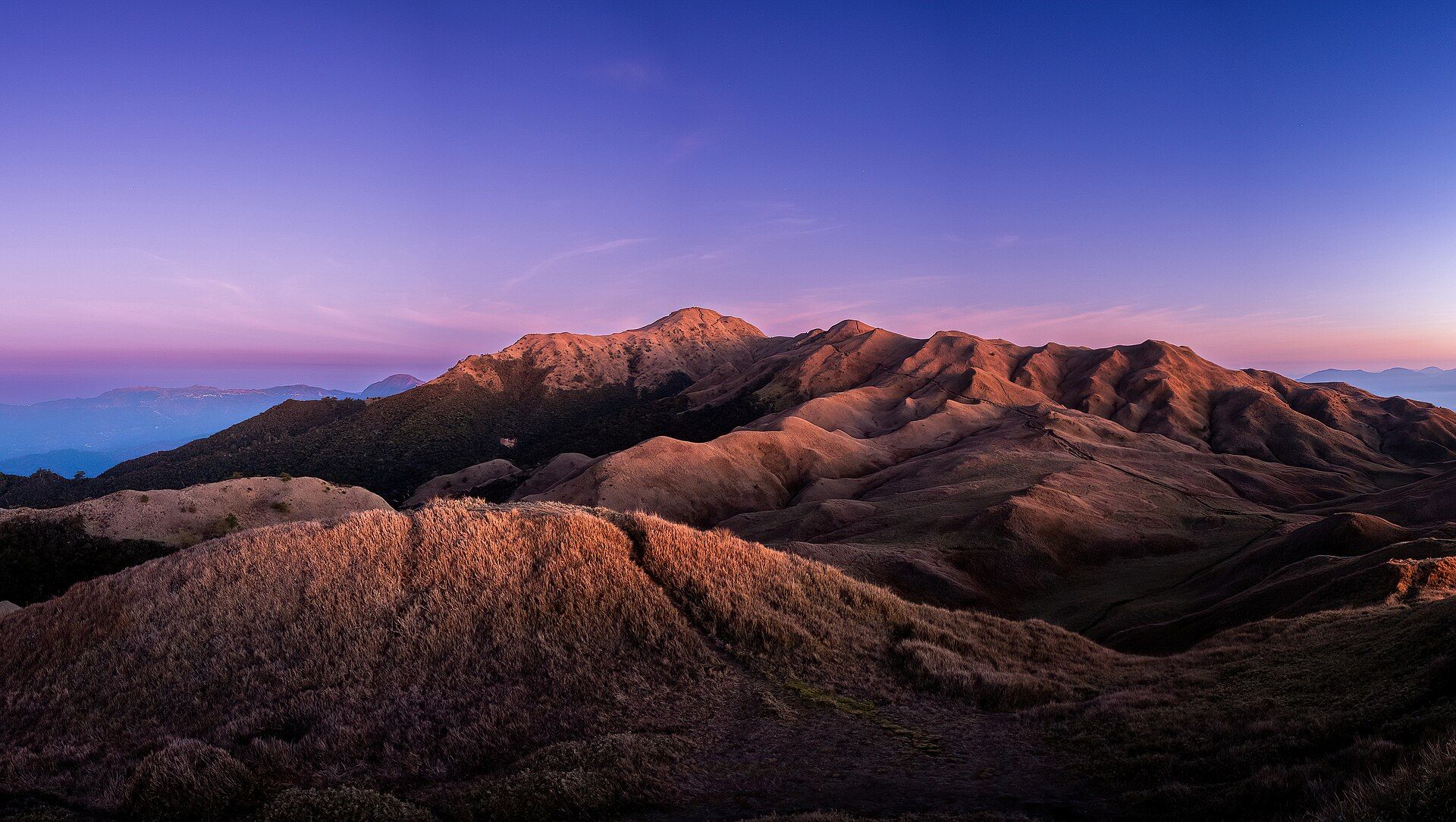
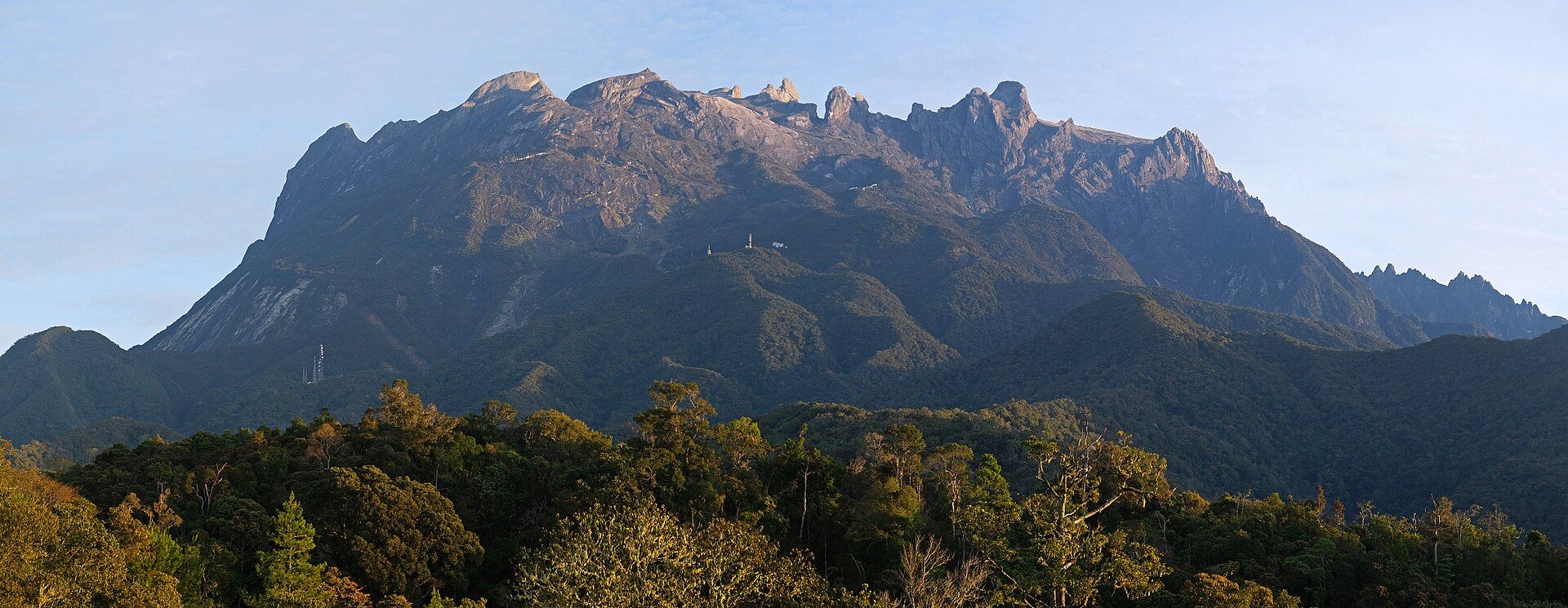
A jagged, saw-toothed peak crowning Sibuyan — an island so ecologically intact it's called the 'Galápagos of Asia' — offering one of the most technical and rewarding climbs in the Philippines.
What makes it marvelous
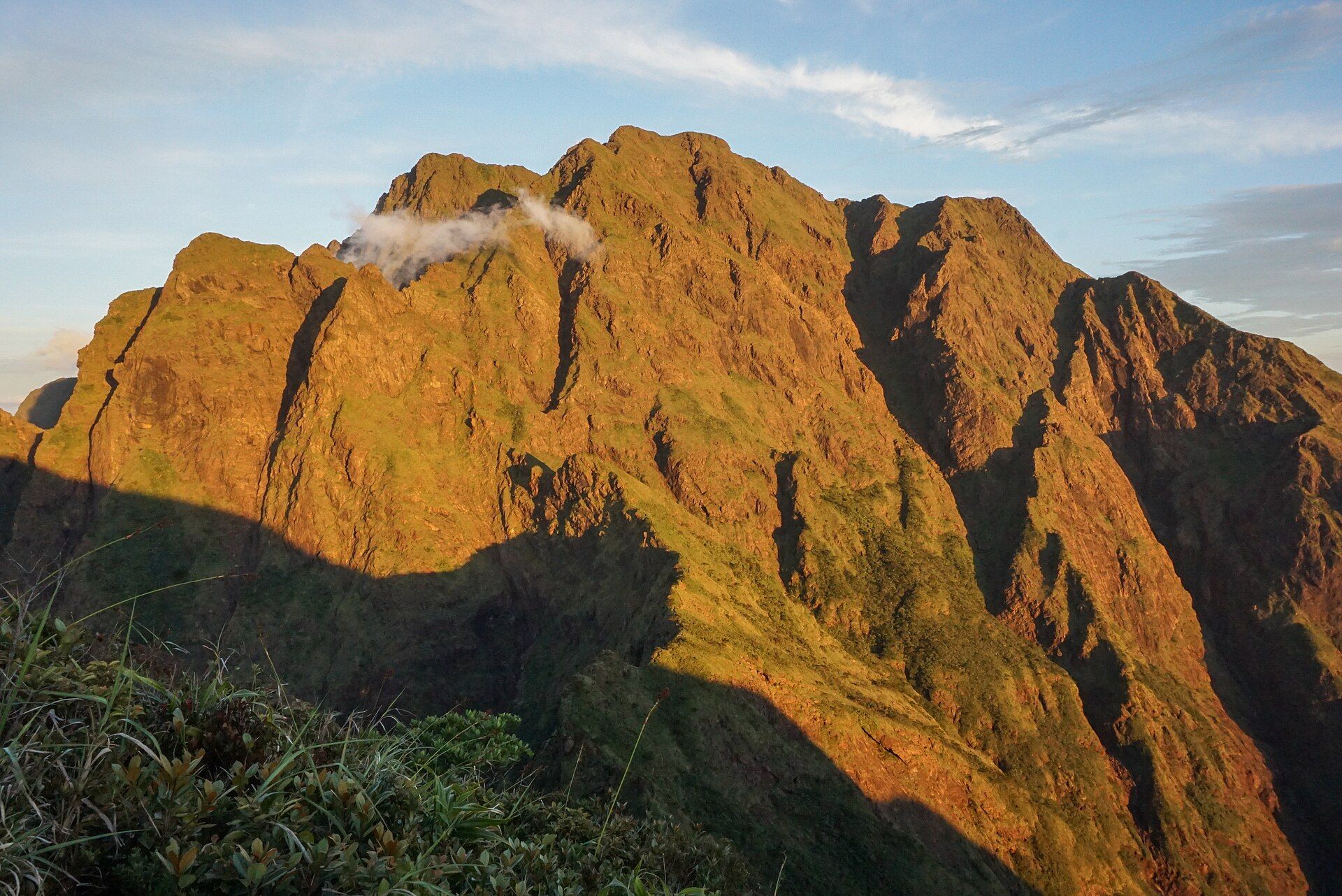
Guiting-Guiting ('jagged-jagged') rises to about 2,058 metres in a serrated ridge of knife-edge rock. It anchors Sibuyan Island, which — never connected to the mainland — evolved an astonishing concentration of endemic life. Sibuyan holds one of the densest forests on Earth by biomass and shelters species found nowhere else, including endemic mammals and plants, earning its 'Galápagos of Asia' reputation. The climb passes through pristine forest to the exposed, technical summit ridge.
Why visit
For serious hikers, the traverse over the 'Knife Edge' and 'Mayo's Peak' is a genuine mountaineering challenge with unforgettable views. For naturalists, Sibuyan's untouched rainforest and extreme endemism make the whole island a living laboratory of evolution.
What to know before you go
🗓️ Best time
The drier months (roughly March–May) for the safest conditions on the exposed, technical ridge; the climb is demanding and permit-controlled.
🧭 Getting there & access
By ferry to Sibuyan Island (via Romblon/Roxas), then to the national park in Magdiwang. A permit, medical clearance, and accredited guide are mandatory; the summit climb is multi-day and difficult.
Good to know
- This is a technical, exposed climb — go only if fit and experienced, with a guide.
- Permits, medical clearance, and guides are mandatory and enforced.
- Treat Sibuyan's forest with care; its endemic species are irreplaceable.
Plan your visit
Strenuous🧭 Getting there
From Magdiwang, Sibuyan Island, Romblon
- Fly Manila → Tugdan, Tablas (TBH) — roughly 1h — then road and ferry onward to Sibuyan
- Or ferry Batangas → Romblon → Magdiwang — a long overnight journey
- Register at the Mount Guiting-Guiting Natural Park office in Magdiwang
- Trailhead → Mayo's Peak → summit and back — typically 2–3 days
- Total travel
- A day or more of boats and roads just to reach Sibuyan
- Time at site
- 2–3 days on the mountain
- Access
- Registration at the natural park office in Magdiwang is compulsory, along with an accredited guide and a porter ratio the park sets. This is not a mountain the office will let you onto casually — climbers are screened, and prior high-difficulty climbs are expected. The park also closes the trail in bad weather and during rehabilitation periods. Confirm requirements and current status with the Mount Guiting-Guiting Natural Park office before you buy ferry tickets.
🎒 What to bring & consider
- Gloves you accept will be destroyed — the summit ridge is bare, blade-edged volcanic rock that you climb hand over hand, and it shreds skin and gear alike
- A genuine head for exposure on the knife-edge traverse, where the drop is on both sides and there is no fixed protection
- Full self-sufficiency in water above Mayo's Peak, since there is no source on the ridge
- Rain gear and a warm layer, because the summit ridge is regularly in cloud, wind and rain even in the dry months
- Honest self-assessment: this is widely rated among the hardest climbs in the Philippines and the park treats it that way
👁️ What to expect
- Crowds
- Very few. The difficulty and the journey filter almost everyone out.
- Conditions
- Steep forest, then hours of scrambling on razor rock at altitude with real exposure. Wet and slippery more often than not.
- Facilities
- None beyond designated camps. Everything is carried in and out.
- The view
- The knife-edge ridge running out to the summit above cloud. It is also the section where you should have both hands on rock rather than a camera, which is exactly why so few good photographs of it exist.
Times and requirements are approximate and change with season, weather, and local rules — confirm permits, fares, and schedules with operators before you travel.
Natural riches of the area
- Extremely biodiverse, intact rainforest (high endemism)
- Endemic Sibuyan mammals, plants, and birds
- Rugged igneous/ultramafic summit geology
- Pristine watersheds and rivers
Local food
- Fresh seafood
- From the clean waters around Sibuyan and Romblon.
- Root crops & native rice
- Grown on the island's fertile lower slopes.
- Kinilaw & coconut dishes
- Vinegar-cured fish and coconut-rich cooking, Visayan staples.
Mount Guiting-Guiting — the name means ‘jagged-jagged’, and one look at its saw-toothed ridge explains it — is the crown of Sibuyan Island in Romblon. The climb is one of the most technical and demanding in the Philippines, threading pristine forest before committing to an exposed rock ridge with names like the Knife Edge that leave no doubt about the terrain.
But the mountain is only part of the story. Sibuyan was never connected to any larger landmass, so its plants and animals evolved in isolation, producing one of the most concentrated collections of endemic species anywhere — and one of the densest forests on the planet. That’s why it’s called the ‘Galápagos of Asia’. For the fit and experienced, guided and permitted, the summit is a prize; for everyone, the island is a reminder of how much life a single untouched place can hold.
Mount Guiting-Guiting: common questions
How do you get to Mount Guiting-Guiting?
From Magdiwang, Sibuyan Island, Romblon: Fly Manila → Tugdan, Tablas (TBH) — roughly 1h — then road and ferry onward to Sibuyan; Or ferry Batangas → Romblon → Magdiwang — a long overnight journey; Register at the Mount Guiting-Guiting Natural Park office in Magdiwang; Trailhead → Mayo's Peak → summit and back — typically 2–3 days. Total travel time: A day or more of boats and roads just to reach Sibuyan.
When is the best time to visit Mount Guiting-Guiting?
The drier months (roughly March–May) for the safest conditions on the exposed, technical ridge; the climb is demanding and permit-controlled.
How long should you spend at Mount Guiting-Guiting?
2–3 days on the mountain. Total travel time: A day or more of boats and roads just to reach Sibuyan.
What should you bring to Mount Guiting-Guiting?
Gloves you accept will be destroyed — the summit ridge is bare, blade-edged volcanic rock that you climb hand over hand, and it shreds skin and gear alike A genuine head for exposure on the knife-edge traverse, where the drop is on both sides and there is no fixed protection Full self-sufficiency in water above Mayo's Peak, since there is no source on the ridge Rain gear and a warm layer, because the summit ridge is regularly in cloud, wind and rain even in the dry months Honest self-assessment: this is widely rated among the hardest climbs in the Philippines and the park treats it that way
Do you need a permit or guide for Mount Guiting-Guiting?
Registration at the natural park office in Magdiwang is compulsory, along with an accredited guide and a porter ratio the park sets. This is not a mountain the office will let you onto casually — climbers are screened, and prior high-difficulty climbs are expected. The park also closes the trail in bad weather and during rehabilitation periods. Confirm requirements and current status with the Mount Guiting-Guiting Natural Park office before you buy ferry tickets.
Is Mount Guiting-Guiting crowded, and what are conditions like?
Very few. The difficulty and the journey filter almost everyone out. Steep forest, then hours of scrambling on razor rock at altitude with real exposure. Wet and slippery more often than not. Facilities: None beyond designated camps. Everything is carried in and out.
Added Updated