Camiguin & White Island
📍 Camiguin, Northern Mindanao
A small volcanic island 'born of fire and water' — home to more volcanoes per square kilometre than anywhere in the country, ringed by hot and cold springs, waterfalls, and the bare white sandbar of White Island offshore.
What makes it marvelous
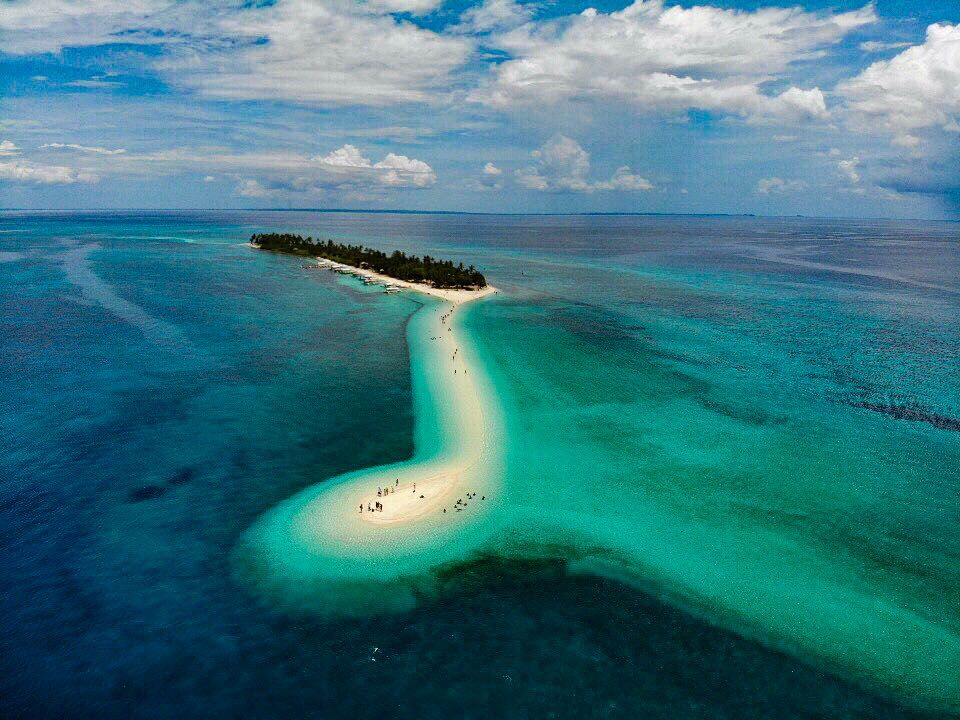
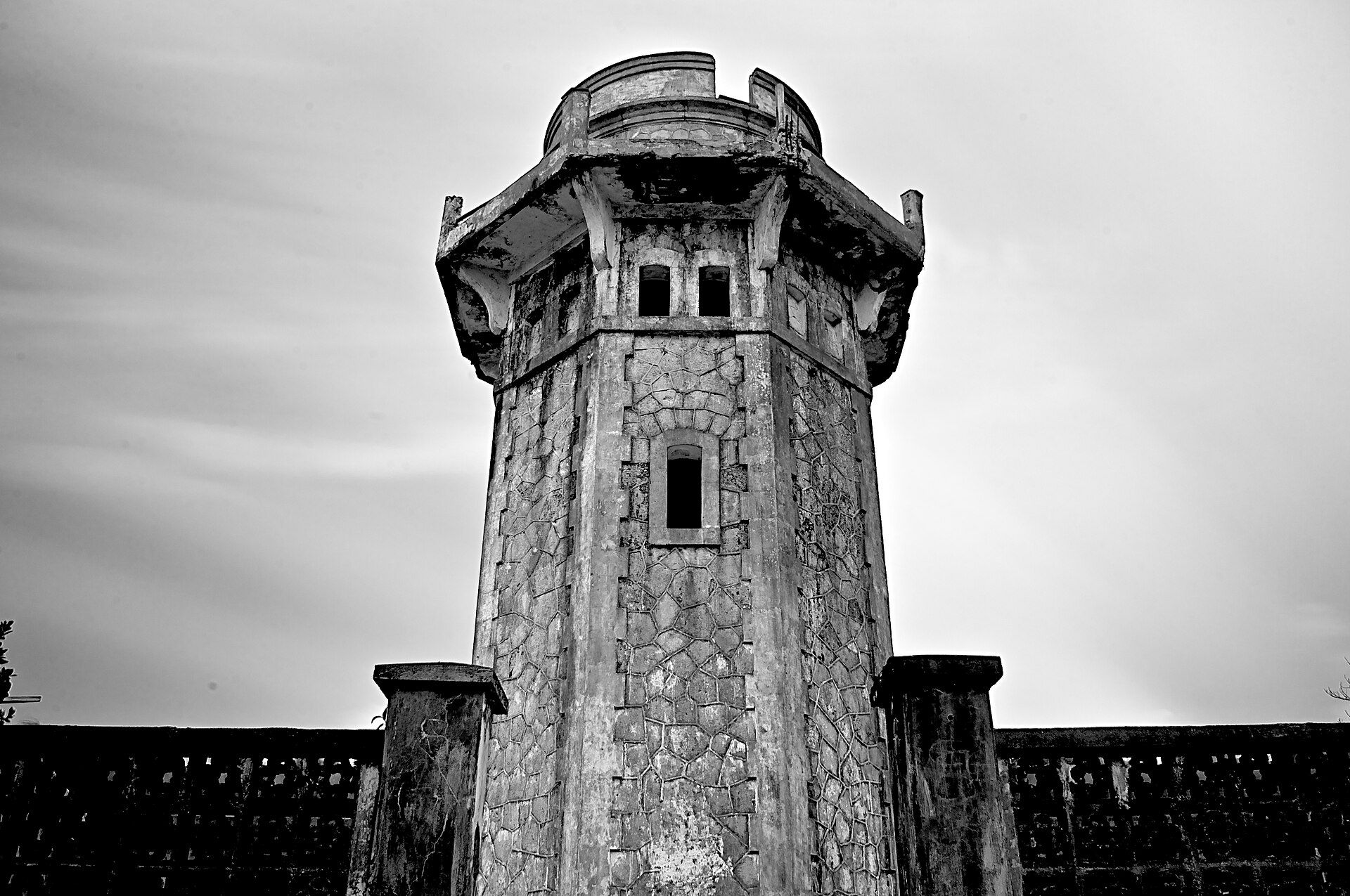
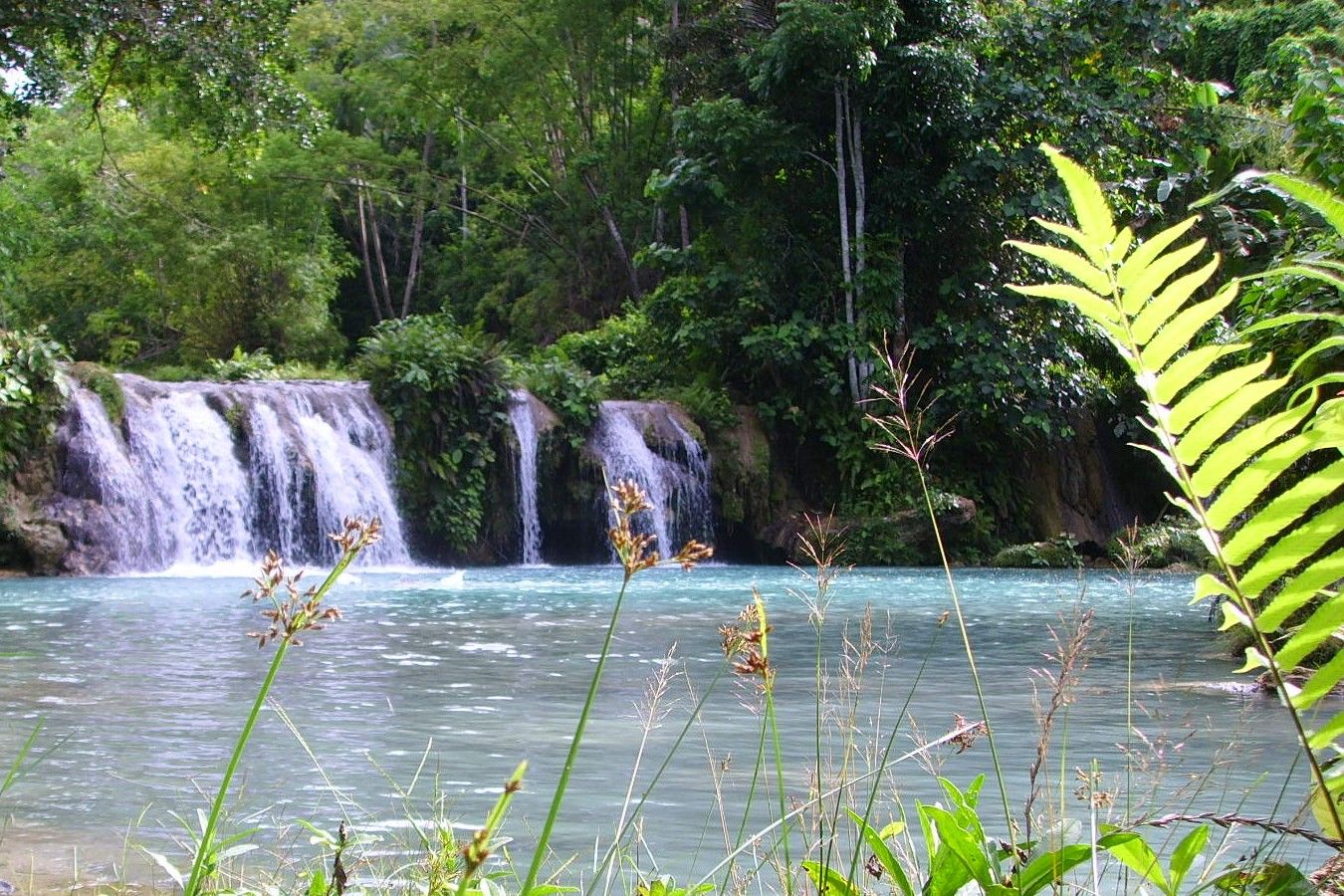
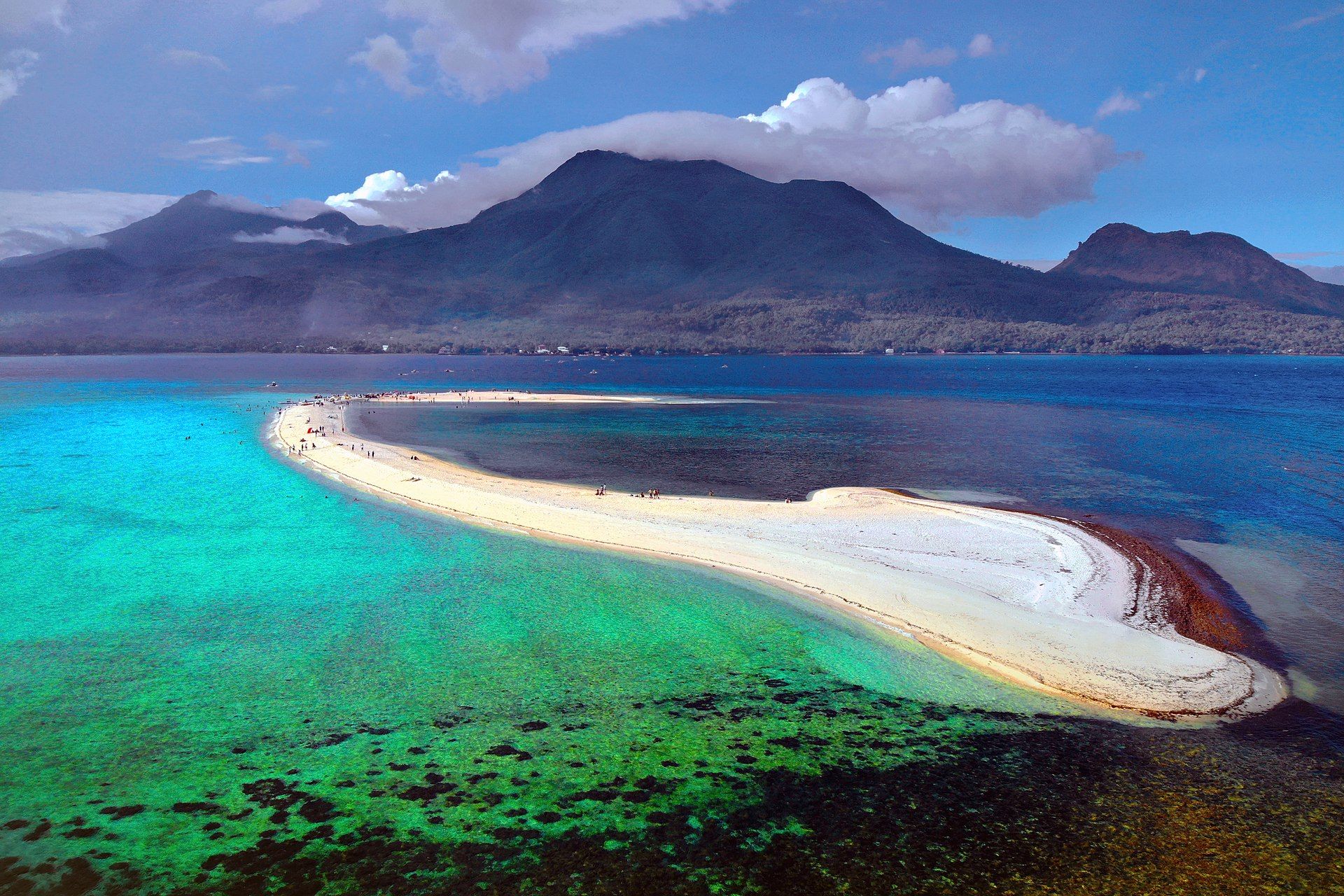
Camiguin is a volcanic island packed with peaks, including the still-active Hibok-Hibok, whose 1951 eruption reshaped the island. That volcanism gives it an extraordinary density of natural features in a tiny space: soda-water and hot springs, the Katibawasan and Tuasan waterfalls, a sunken cemetery marked by a cross offshore (drowned by an eruption), and lush forested slopes. Just off the coast lies White Island, a shifting crescent of pure white sand with no trees, framing views back to Hibok-Hibok.
Why visit
You can circle the whole island in a day and pack in a bare-sand sandbar swim, a dip in cold spring pools and hot volcanic springs, a waterfall, and sweet lanzones fruit — all against a backdrop of volcanic peaks. It's one of the most concentrated and relaxed island experiences in the Philippines.
What to know before you go
🗓️ Best time
The drier months (roughly February–May) for calm crossings to White Island; the Lanzones Festival in October celebrates the island's famous fruit.
🧭 Getting there & access
By ferry from Balingoan (near Cagayan de Oro) or by air to Camiguin's small airport. White Island is a short outrigger-boat hop from Mambajao/Agoho; bring your own shade.
Good to know
- Go to White Island early — it's a bare sandbar with no shade or facilities.
- Cool off in the Sto. Niño cold springs and Ardent hot springs the same day.
- Time a visit for October's lanzones harvest if you love tropical fruit.
Plan your visit
Easy🧭 Getting there
From Mambajao, Camiguin
- Fly Cebu → Camiguin (CGM) — roughly 50 minutes — or ferry Balingoan → Benoni, about 1h15, then road to Mambajao about 45 minutes
- Boat from Agoho or Yumbing → White Island — roughly 10–15 minutes
- Total travel
- An hour or so from the airport to the sandbar
- Time at site
- An hour or two; there is nothing to do but be there
- Access
- Open access with a small boat fare and environmental fee paid at the launching point in Agoho or Yumbing. The sandbar is bare sand with no vegetation, and its shape and size change with every tide — at high water much of it is underwater. Boatmen work to the tide and will tell you the sensible window.
🎒 What to bring & consider
- Your own shade — an umbrella or a hired one on the bar, because there is not a single tree, rock or structure and the sand reflects heat straight back up at you
- Far more water than you think for an hour on an unshaded sandbar
- Reef-safe sunscreen and a rashguard, since you will burn in both directions
- A dry bag, as the boat is small and open and the landing is a wade
- An early start, ideally soon after sunrise, for both the heat and the light on Hibok-Hibok behind you
👁️ What to expect
- Crowds
- Busy from mid-morning, especially on weekends, when the bar fills with day trippers and vendors. Almost empty at sunrise.
- Conditions
- Blazing sun, shallow warm water, no shade whatsoever. The bar shrinks as the tide comes in.
- Facilities
- Vendors selling drinks and fresh urchin in season. No toilets, no shelter.
- The view
- The curved white bar with Hibok-Hibok and Vulcan Daan rising behind it — best at first light, when the sand is empty and the volcanoes are not yet in cloud.
Times and requirements are approximate and change with season, weather, and local rules — confirm permits, fares, and schedules with operators before you travel.
Natural riches of the area
- Dense volcanic geology (multiple volcanoes incl. active Hibok-Hibok)
- Hot springs, cold soda springs, and waterfalls
- White-sand sandbars and fringing reefs
- Fertile slopes famed for sweet lanzones fruit
Local food
- Lanzones
- Camiguin's celebrated sweet, translucent fruit — the island holds a festival for it.
- Pastel
- Soft buns filled with sweet yema (custard) — a Camiguin specialty.
- Fresh seafood & kinilaw
- Grilled catch and vinegar-cured raw fish from the surrounding sea.
Camiguin markets itself as the island ‘born of fire and water’, and the tagline is earned. This small speck of Northern Mindanao has more volcanoes per square kilometre than anywhere else in the Philippines, including the still-active Hibok-Hibok, and that volcanic heat surfaces everywhere: in hot springs and cold soda springs, in waterfalls tumbling off forested slopes, and in a sunken cemetery offshore whose lone cross marks a graveyard drowned by an old eruption.
Just off the coast floats White Island, a treeless crescent of blindingly white sand that shifts with the tides and frames the volcanoes behind it. You can loop the whole island in a day — sandbar, springs, waterfall, and a market piled with the sweet lanzones fruit Camiguin is famous for. Few places pack so much variety into so little land.
Camiguin & White Island: common questions
How do you get to Camiguin & White Island?
From Mambajao, Camiguin: Fly Cebu → Camiguin (CGM) — roughly 50 minutes — or ferry Balingoan → Benoni, about 1h15, then road to Mambajao about 45 minutes; Boat from Agoho or Yumbing → White Island — roughly 10–15 minutes. Total travel time: An hour or so from the airport to the sandbar.
When is the best time to visit Camiguin & White Island?
The drier months (roughly February–May) for calm crossings to White Island; the Lanzones Festival in October celebrates the island's famous fruit.
How long should you spend at Camiguin & White Island?
An hour or two; there is nothing to do but be there. Total travel time: An hour or so from the airport to the sandbar.
What should you bring to Camiguin & White Island?
Your own shade — an umbrella or a hired one on the bar, because there is not a single tree, rock or structure and the sand reflects heat straight back up at you Far more water than you think for an hour on an unshaded sandbar Reef-safe sunscreen and a rashguard, since you will burn in both directions A dry bag, as the boat is small and open and the landing is a wade An early start, ideally soon after sunrise, for both the heat and the light on Hibok-Hibok behind you
Do you need a permit or guide for Camiguin & White Island?
Open access with a small boat fare and environmental fee paid at the launching point in Agoho or Yumbing. The sandbar is bare sand with no vegetation, and its shape and size change with every tide — at high water much of it is underwater. Boatmen work to the tide and will tell you the sensible window.
Is Camiguin & White Island crowded, and what are conditions like?
Busy from mid-morning, especially on weekends, when the bar fills with day trippers and vendors. Almost empty at sunrise. Blazing sun, shallow warm water, no shade whatsoever. The bar shrinks as the tide comes in. Facilities: Vendors selling drinks and fresh urchin in season. No toilets, no shelter.
Added Updated
More wonders to explore