Head to head · islands of endemic life
Socotra vs the Galápagos: Two Islands of Life Found Nowhere Else
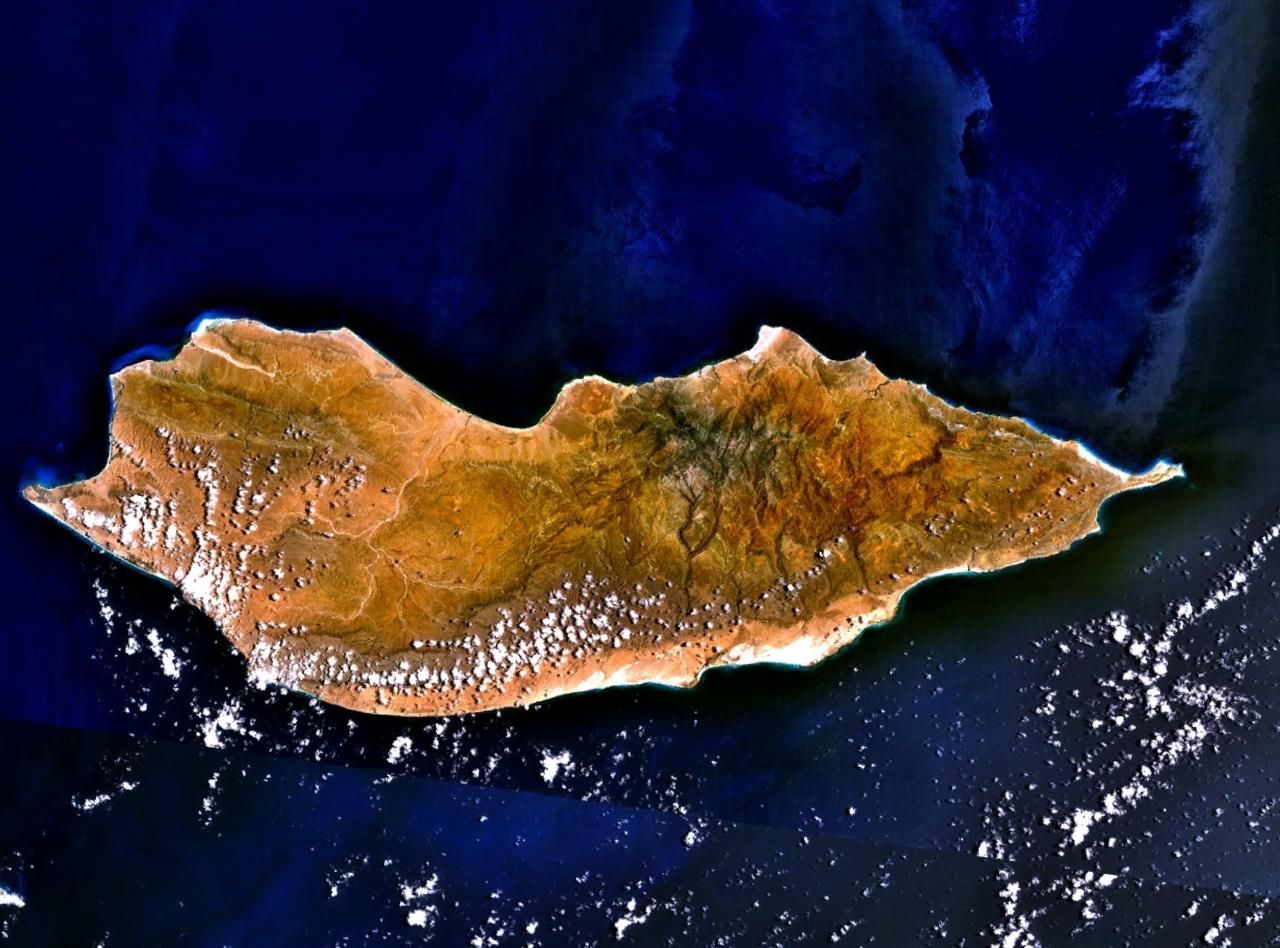
They are two of the most biologically extraordinary islands on the planet — places so long isolated that a huge share of their plants and animals live nowhere else on Earth. The Galápagos, off Ecuador, are famous as the living laboratory that helped Darwin frame the theory of evolution. Socotra, off Yemen, is so strange it is nicknamed the 'Galápagos of the Indian Ocean', its skyline studded with umbrella-shaped dragon's blood trees.
Here's how Socotra and the Galápagos compare across wildlife, landscape, and the practical realities of reaching them, and how to decide which to build a trip around.
Socotra
The Galápagos of the Indian Ocean
A remote Yemeni archipelago in the Indian Ocean where hundreds of species are found nowhere else — most famously the dragon's blood tree, with its umbrella crown and red sap, and the swollen bottle trees. Around a third of its plants are endemic, and much of its reptile life too. It is a UNESCO World Heritage Site of alien-looking landscapes, empty white beaches, and limestone caves, with very little tourism infrastructure and complex access through Yemen.
- Dragon's blood and bottle trees seen nowhere else
- Surreal, otherworldly landscapes and empty beaches
- Very high plant and reptile endemism
- Almost untouched by mass tourism
The Galápagos
The islands that shaped evolution
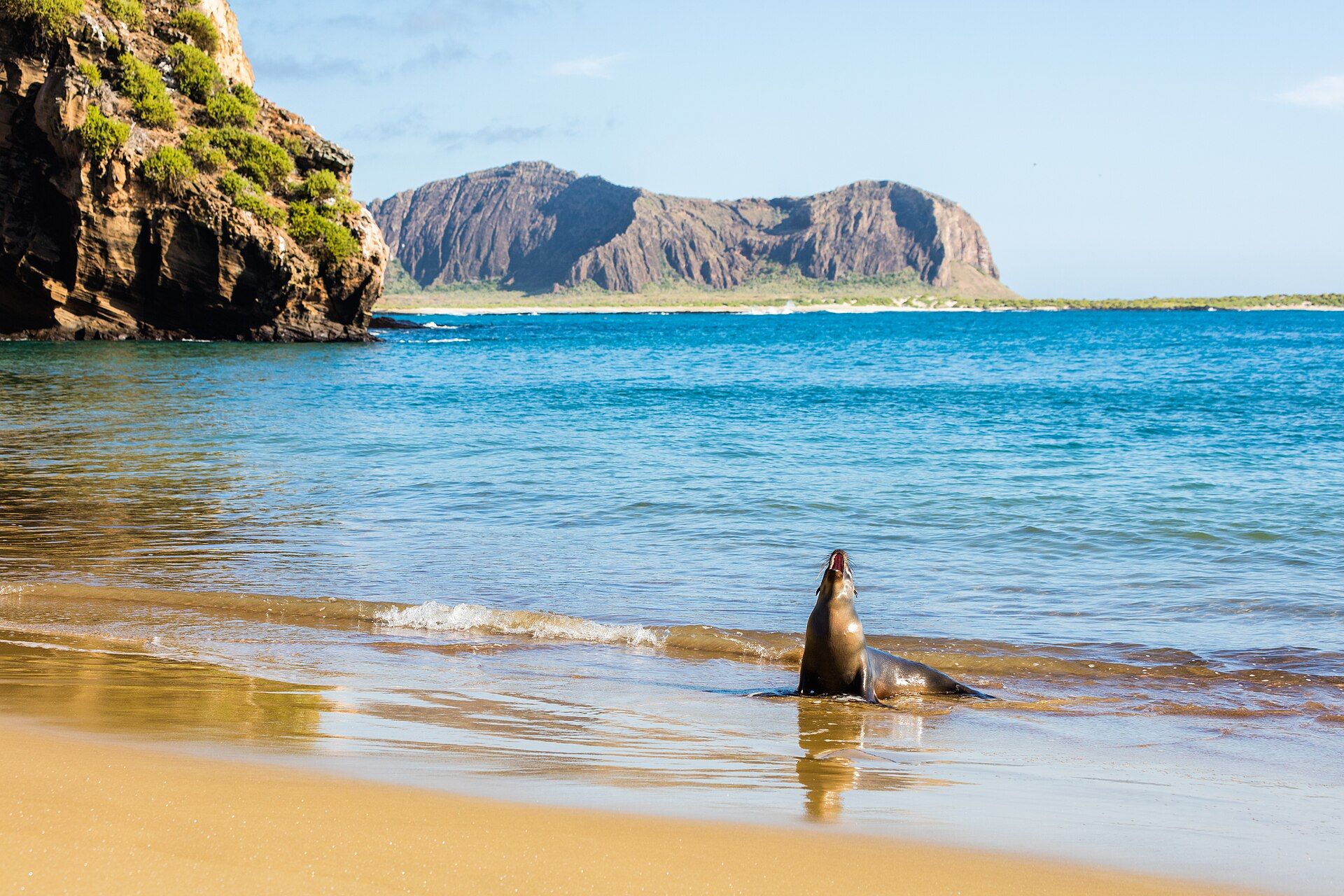
A volcanic archipelago on the equator off Ecuador, whose isolated wildlife is famously unafraid of people: giant tortoises, marine iguanas, blue-footed boobies, sea lions, and penguins live within arm's reach. Its role in Darwin's thinking made it the world's most famous natural laboratory. A well-run national park and marine reserve, it is visited on licensed cruises and land-based tours, with strict rules that keep the wildlife wild.
- Tame, close-up wildlife found nowhere else
- Giant tortoises, marine iguanas, and boobies
- Superb snorkelling and diving with sea lions and sharks
- Well-managed park with reliable, licensed tours
Head to head
| What matters | Socotra | The Galápagos |
|---|---|---|
| Signature life Edge: Toss-up | Bizarre endemic trees — dragon's blood and bottle trees — and endemic reptiles. | Endemic animals up close — tortoises, marine iguanas, boobies, sea lions. |
| Wildlife encounters Edge: The Galápagos | More about plants and landscapes than close animal contact. | Unmatched — animals ignore you, so encounters are intimate and easy. |
| Underwater Edge: The Galápagos | Clear waters and reefs, but little diving infrastructure. | World-class snorkelling and diving as part of most trips. |
| Tourism & comfort Edge: The Galápagos | Minimal infrastructure, basic camping-style travel, few visitors. | Well-developed cruises, lodges, guides, and park systems. |
| Access Edge: The Galápagos | Hard — flights via mainland Yemen; security and logistics are complex and change. | Straightforward — fly via mainland Ecuador (Quito or Guayaquil) to the islands. |
| Best season Edge: Toss-up | Roughly October to April, between the strong monsoon winds that can cut the islands off. | Year-round; the warm, calm season (December–May) and the cool, wildlife-rich season (June–November) each have their draws. |
Which should you choose?
Choose Socotra if…
…you are an intrepid traveller drawn to genuinely surreal, near-untouched landscapes and endemic trees, and are willing to accept difficult, changeable access to reach them.
Choose The Galápagos if…
…you want the world's greatest close-up wildlife experience, superb snorkelling, and a well-run, reliable trip built around animals that let you walk right up to them.
The honest verdict
The Galápagos is the more accessible and wildlife-rich of the two: intimate animal encounters, great diving, and a well-managed park make it one of the best nature trips on Earth for most travellers.
Socotra is the wilder, stranger, harder journey — its endemic trees and alien landscapes are like nowhere else, but access through Yemen is genuinely complicated and should be researched carefully.
For reliable, close-up wildlife choose the Galápagos; for surreal landscapes and true off-the-map adventure choose Socotra — and check current travel advice for Yemen before committing to the latter.
Wonders mentioned here

Added