Zanzibar Archipelago
📍 Indian Ocean, off the Tanzanian coast
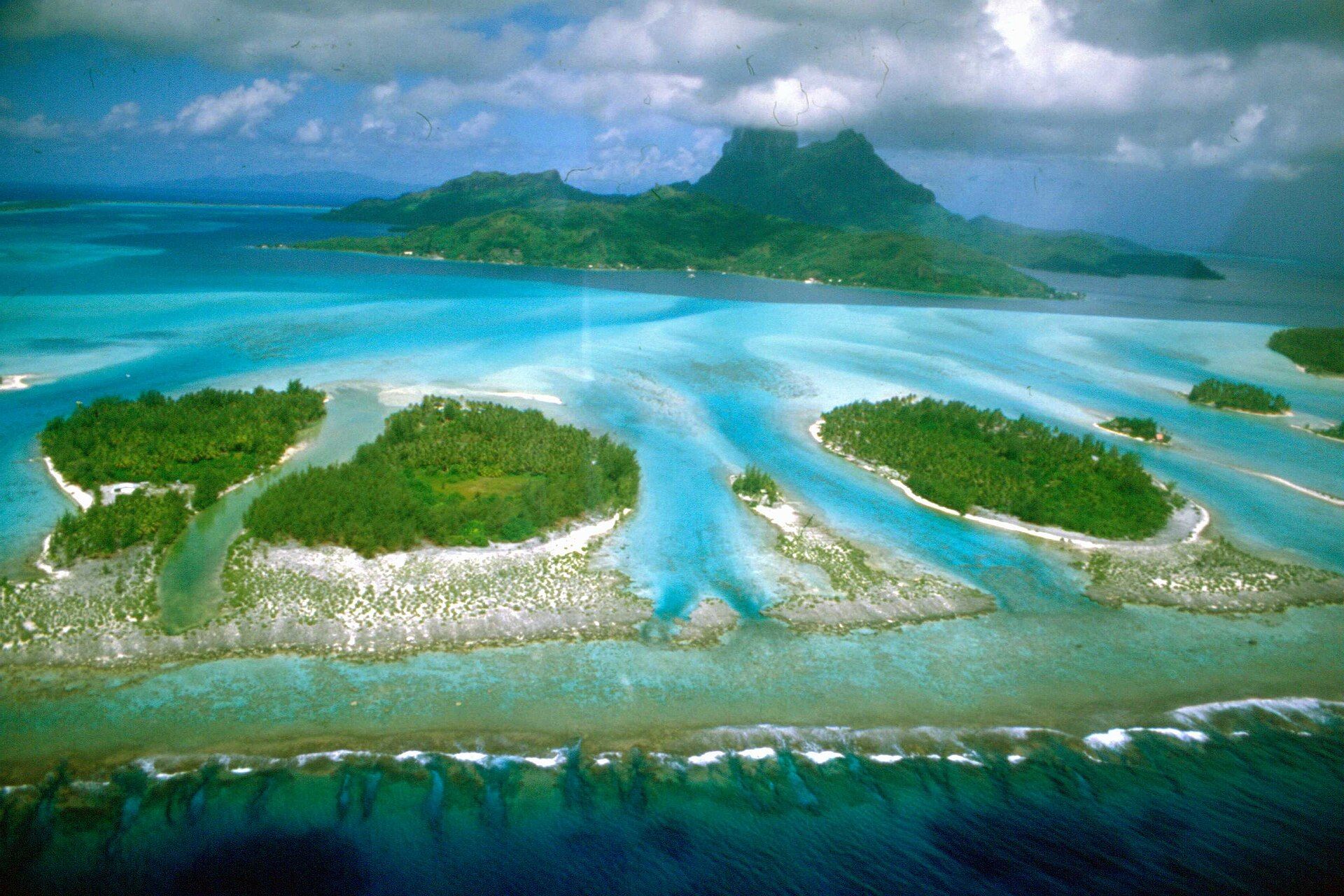
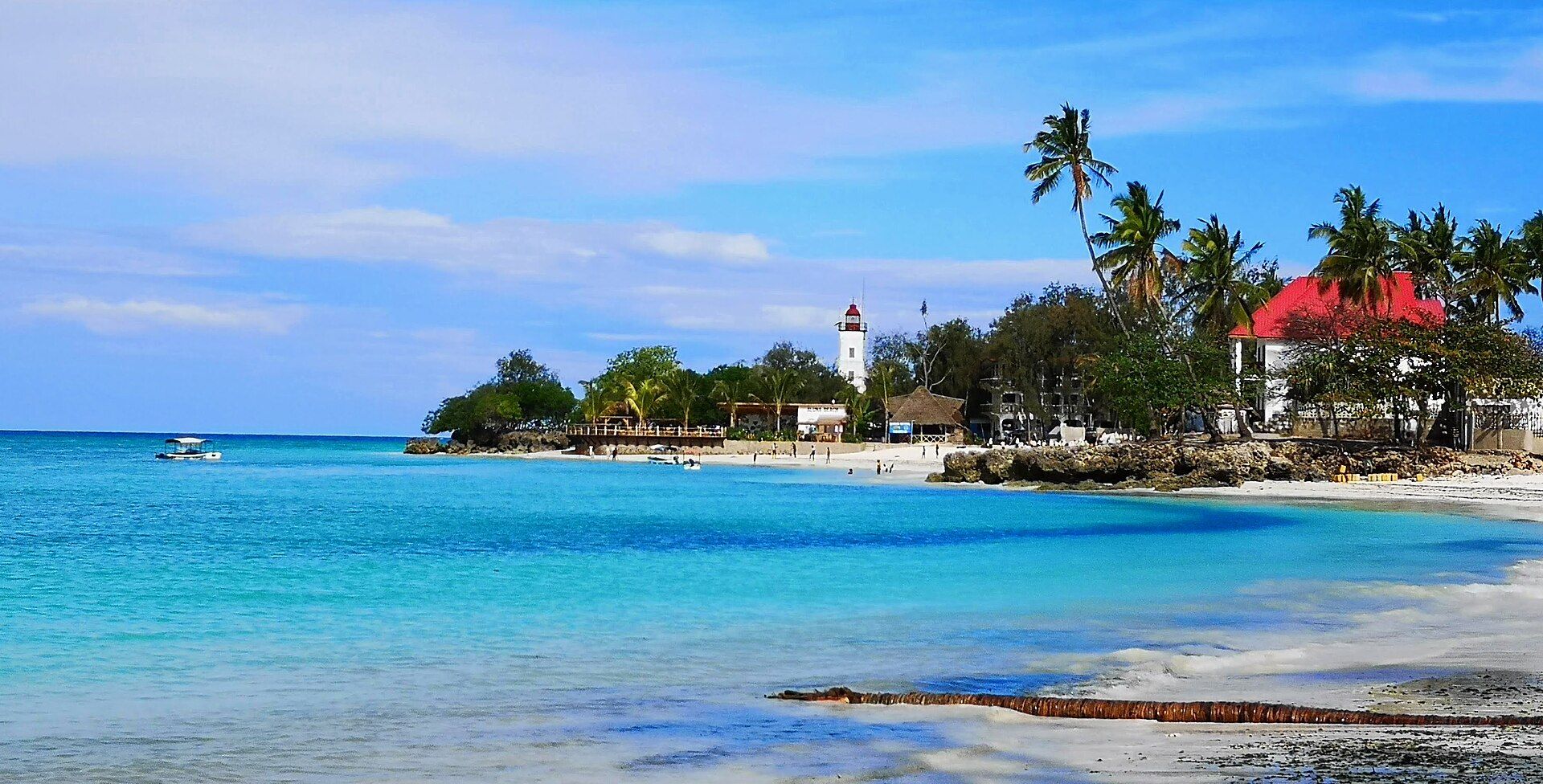
Tanzania's Indian Ocean islands — coral-fringed shores of blinding white sand and turquoise shallows, spice plantations and mangroves, wrapped around the old trading port of Stone Town.
What makes it marvelous
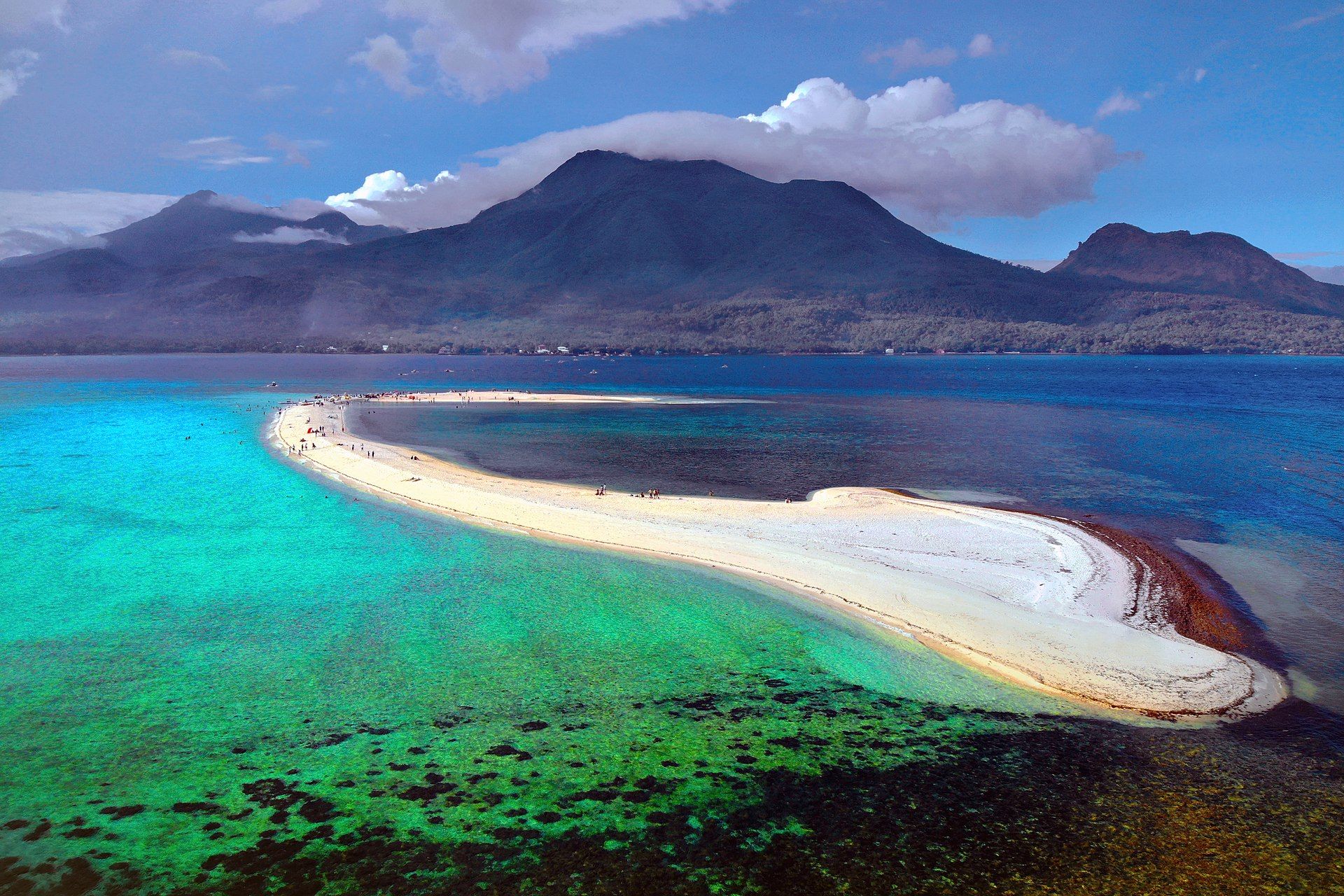
The archipelago — its main island Unguja is what most people mean by 'Zanzibar' — is built of coral and framed by living reefs. The islands sit on the Swahili coast, where the monsoon winds long carried dhows between Africa, Arabia and India, and that trade seeded the spice plantations that still perfume the interior. Vast tidal flats mean the sea slides far out twice a day, exposing shining sandbars, while offshore reefs shelter turtles, dolphins and a wealth of fish.
Why visit
Few tropical islands combine this much: powder beaches and warm, clear water; world-class reef diving and snorkelling; the labyrinthine, UNESCO-listed lanes of Stone Town; and forests where rare red colobus monkeys live. The tides and trade winds also make its east coast one of the great kitesurfing spots.
More views of Zanzibar Archipelago
Additional photographs of the actual site — each freely licensed, with its photographer and licence credited.
What to know before you go
🗓️ Best time
June to October and again from December to February are the drier, sunnier windows; the long rains around March to May are wetter, and the winds of the dry season power the kitesurfing season.
🧭 Getting there & access
Reached by short flight or fast ferry from Dar es Salaam. Beaches ring the island — Nungwi and Kendwa in the north, Paje and Jambiani on the kitesurfing east coast — with Stone Town as the historic hub.
Good to know
- Check tide times before a beach day on the east coast — the sea retreats a long way at low tide.
- Snorkel or dive at Mnemba Atoll for the clearest water and best reef life.
- Dress modestly away from the beach resorts out of respect for local custom.
Plan your visit
Easy🧭 Getting there
From Zanzibar (ZNZ), via Dar es Salaam (DAR)
- Fly into Zanzibar (ZNZ) directly or via Dar es Salaam
- Alternatively take the fast ferry from Dar es Salaam, roughly 2h
- Transfers by road link Stone Town to the beach villages, 1–1h30
- Total travel
- A short hop from mainland Tanzania
- Time at site
- 4–7 days to combine beaches, reefs and Stone Town
- Access
- Open, well-served tourism; a visa and a Zanzibar arrival fee/insurance requirement apply for many visitors, so check current entry rules before travel. Marine sites within conservation areas may charge a fee.
🎒 What to bring & consider
- Reef-safe sun protection and a rash top for long hours in the water
- Modest clothing for Stone Town and villages away from resorts
- Cash in local currency for markets and small vendors
- Insect repellent and any anti-malarial precautions your doctor advises
👁️ What to expect
- Crowds
- Busy in the dry-season peaks at the northern beaches; quieter on the east coast and in the low season.
- Conditions
- Easy throughout; heat and humidity are the main challenge.
- Facilities
- Full range, from backpacker guesthouses to high-end resorts.
- The view
- Dhows on the turquoise shallows off Nungwi at sunset, or the sandbars revealed at low tide on the east coast.
Times and requirements are approximate and change with season, weather, and local rules — confirm permits, fares, and schedules with operators before you travel.
Natural riches of the area
- Coral reefs and clear Indian Ocean shallows
- White coral-sand beaches and tidal sandbars
- Mangroves and the Jozani forest, home to the endemic red colobus
- Spice plantations — clove, nutmeg, cinnamon and vanilla
Local food
- Zanzibar pilau and biryani
- Spiced rice dishes reflecting the islands' Swahili-Arab-Indian heritage.
- Fresh seafood
- Reef fish, octopus and prawns, grilled or in coconut curry.
- Urojo (Zanzibar mix)
- A tangy street soup of fritters, potato and chutneys unique to the islands.
Zanzibar is where mainland Tanzania meets the Indian Ocean and the whole mood changes. The archipelago — its principal island, Unguja, is the one most travellers mean — is built of coral and ringed by reefs, its beaches an almost unreal white against turquoise water. This is the heart of the old Swahili coast, where monsoon-driven dhows once traded between Africa, Arabia and India, and that history still flavours the islands: in the spice plantations of the interior, and in the coral-stone lanes of Stone Town, a UNESCO World Heritage Site.
The natural draws are as strong as the cultural ones. Offshore reefs, especially around Mnemba Atoll, offer some of the clearest water and richest marine life in East Africa; the Jozani forest shelters the endemic Zanzibar red colobus monkey; and the wide tides of the east coast, combined with steady trade winds, have made villages like Paje a magnet for kitesurfers. Beaches, reefs, forest and a living port town sit within an easy day of one another — a rare combination on a single island.
Zanzibar Archipelago: common questions
How do you get to Zanzibar Archipelago?
From Zanzibar (ZNZ), via Dar es Salaam (DAR): Fly into Zanzibar (ZNZ) directly or via Dar es Salaam; Alternatively take the fast ferry from Dar es Salaam, roughly 2h; Transfers by road link Stone Town to the beach villages, 1–1h30. Total travel time: A short hop from mainland Tanzania.
When is the best time to visit Zanzibar Archipelago?
June to October and again from December to February are the drier, sunnier windows; the long rains around March to May are wetter, and the winds of the dry season power the kitesurfing season.
How long should you spend at Zanzibar Archipelago?
4–7 days to combine beaches, reefs and Stone Town. Total travel time: A short hop from mainland Tanzania.
What should you bring to Zanzibar Archipelago?
Reef-safe sun protection and a rash top for long hours in the water Modest clothing for Stone Town and villages away from resorts Cash in local currency for markets and small vendors Insect repellent and any anti-malarial precautions your doctor advises
Do you need a permit or guide for Zanzibar Archipelago?
Open, well-served tourism; a visa and a Zanzibar arrival fee/insurance requirement apply for many visitors, so check current entry rules before travel. Marine sites within conservation areas may charge a fee.
Is Zanzibar Archipelago crowded, and what are conditions like?
Busy in the dry-season peaks at the northern beaches; quieter on the east coast and in the low season. Easy throughout; heat and humidity are the main challenge. Facilities: Full range, from backpacker guesthouses to high-end resorts.
Added
More wonders to explore