Why isolation breeds wonders: lakes, atolls, and islands in the sky
There is a pattern that shows up again and again across the natural world: isolate a population long enough, and it will diverge into something found nowhere else. Islands are the obvious case, but the principle is broader — any place cut off from easy exchange with the wider world becomes, in effect, an evolutionary laboratory.
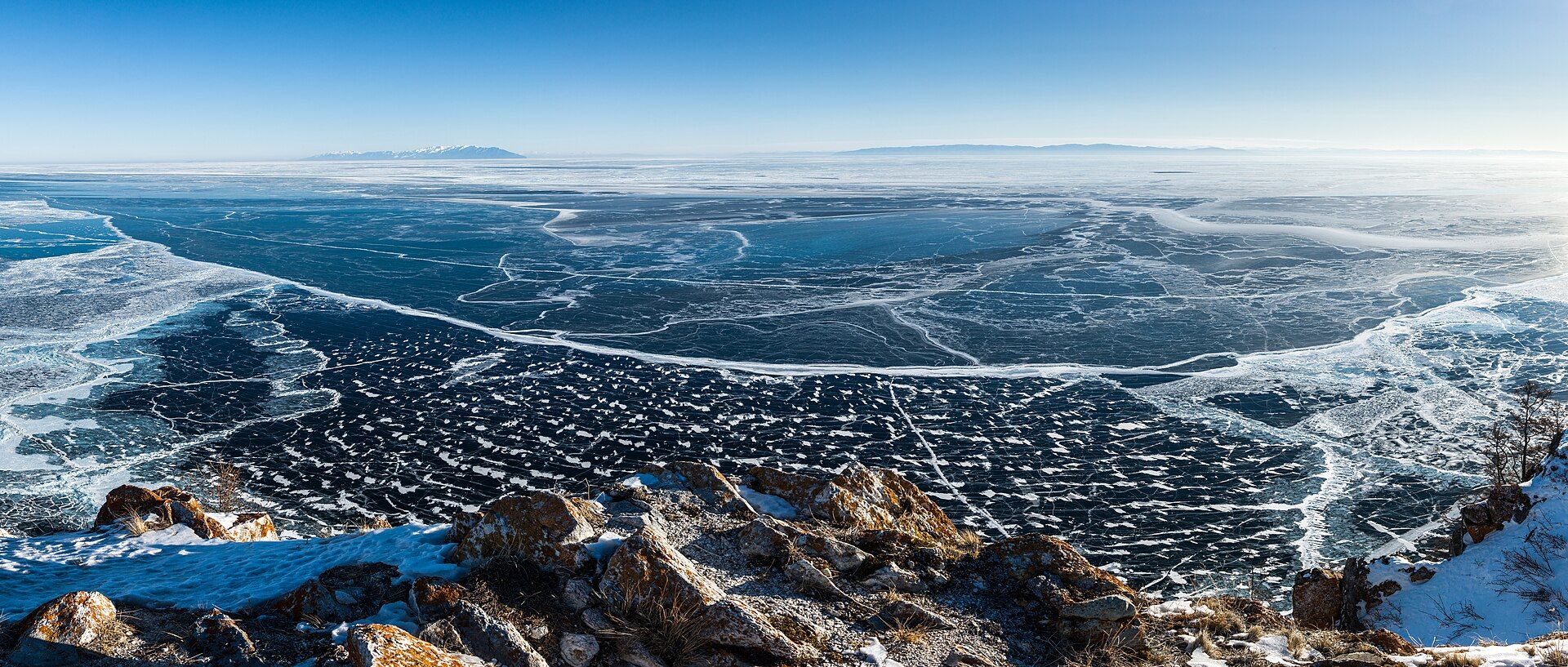
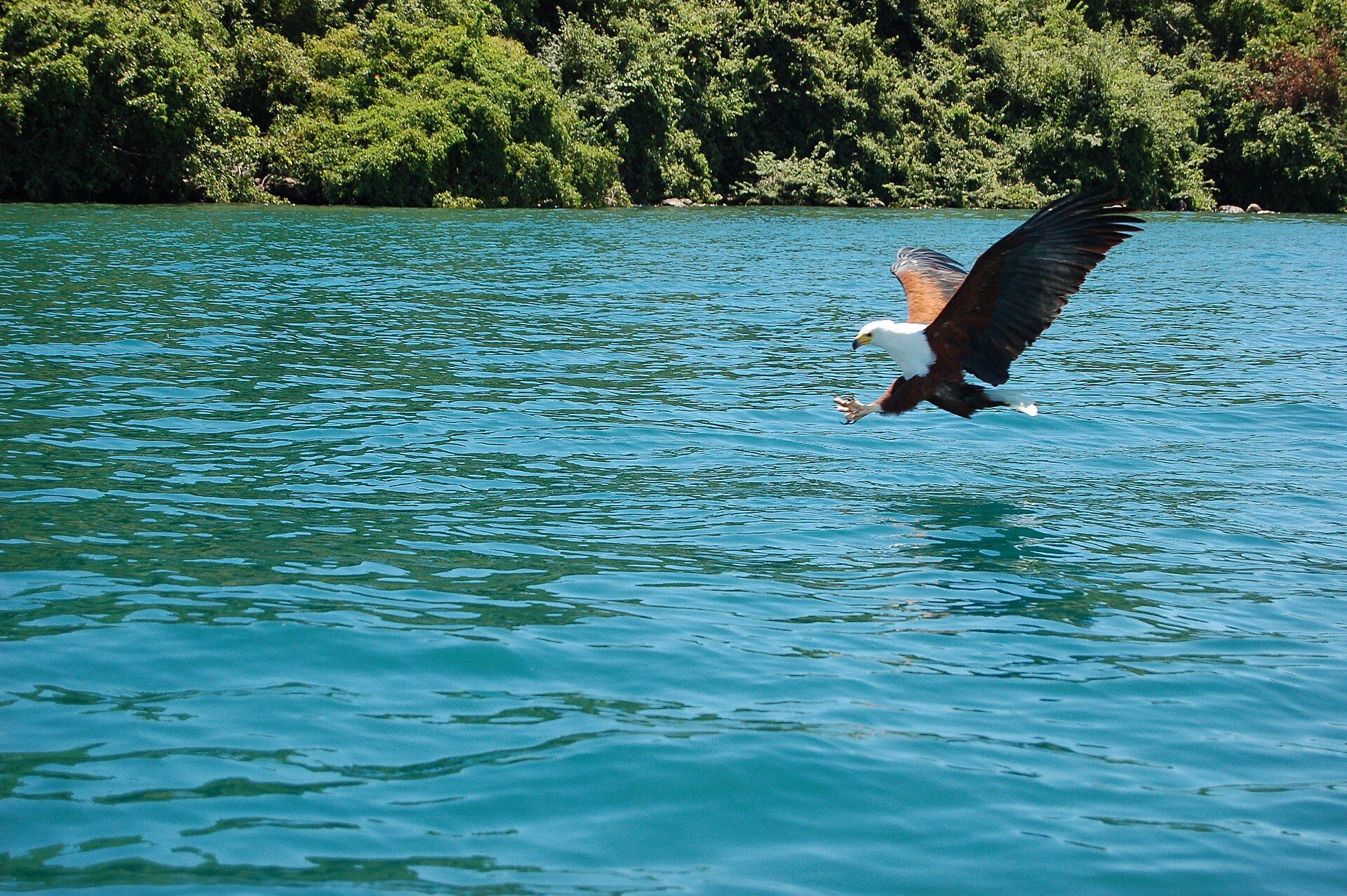
Lakes work exactly like islands, only inverted: water surrounded by land instead of land surrounded by water. Lake Malawi is the outstanding example, holding more fish species than any other lake on Earth — somewhere between 700 and over a thousand, overwhelmingly cichlids, nearly all endemic. Confined to that one basin for a couple of million years, they radiated into every available niche: grazing rock, sifting sand, hunting open water. Older still, Lake Baikal has had around 25 million years to work, and roughly four-fifths of its animals live nowhere else, including the only seal on Earth confined entirely to fresh water.
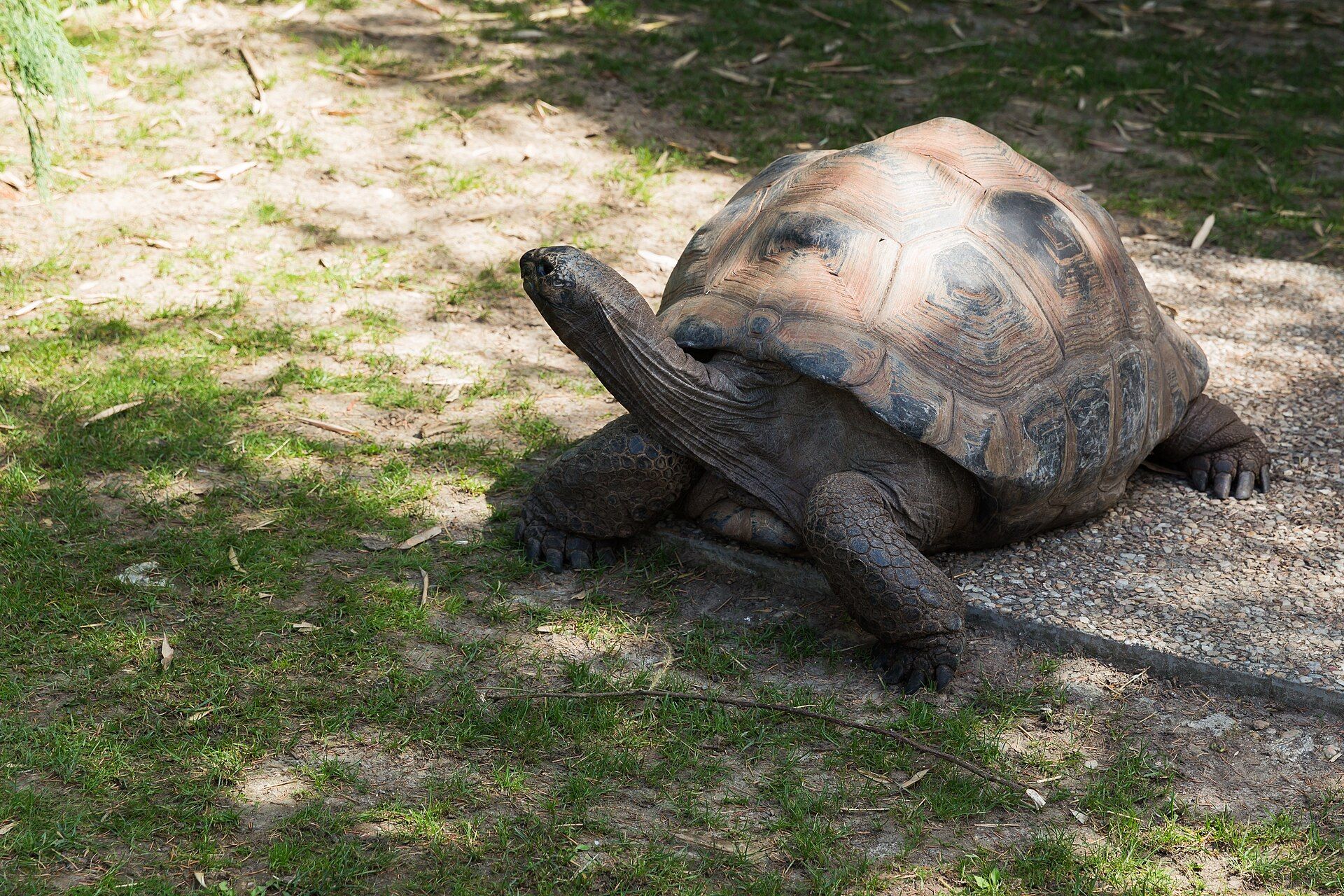
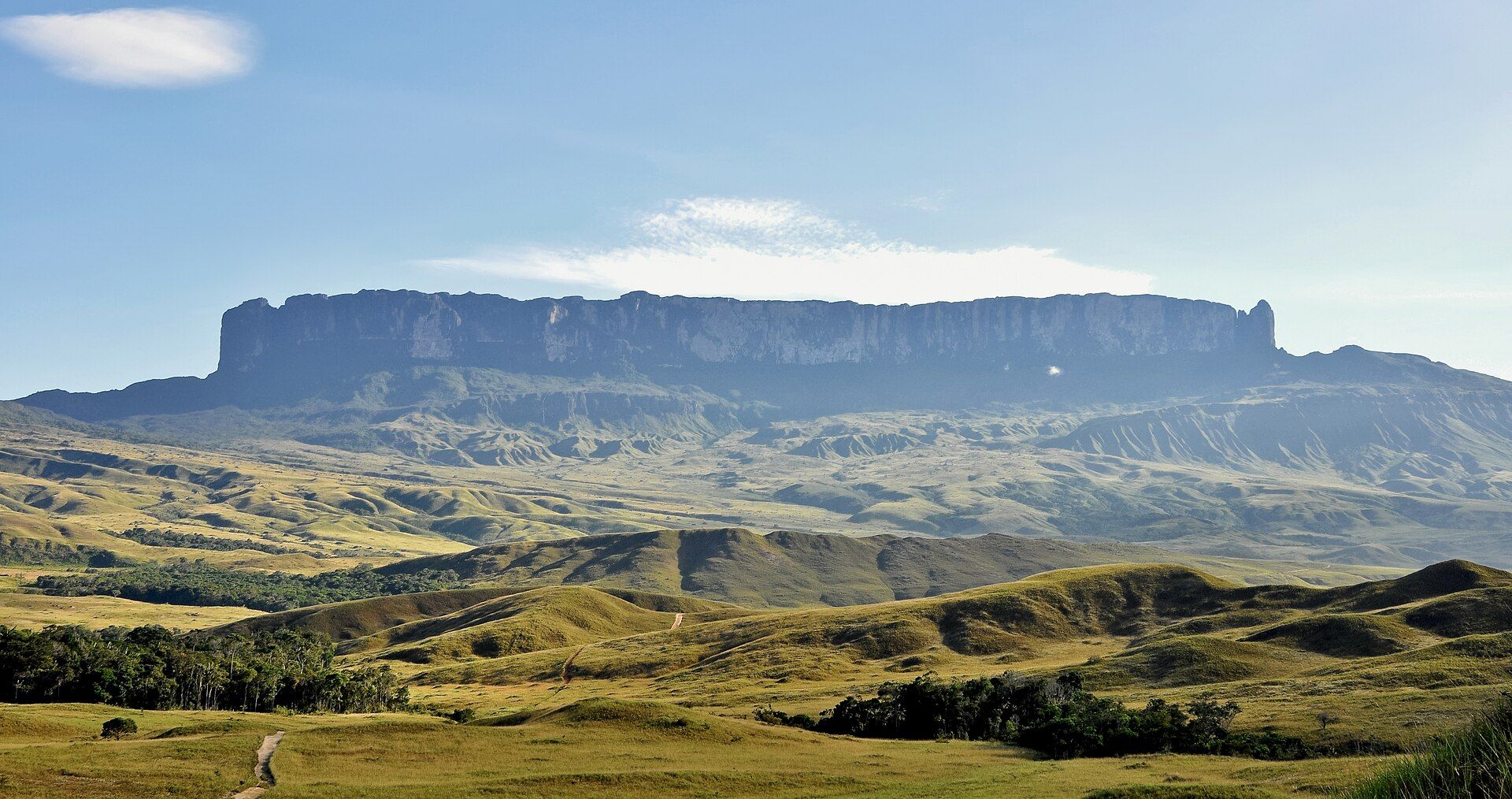
Height isolates too. The tepuis of South America, above all Mount Roraima, are plateaus stranded in the sky, their summits cut off by cliffs hundreds of metres high, and many of their carnivorous plants and frogs exist on a single mountain and nowhere else. And on remote Aldabra, sheer distance and a waterless limestone surface kept people away long enough for around 100,000 giant tortoises to persist — a scale of survival lost almost everywhere else in the world.
There is a sting in this. The same isolation that generates these species leaves them acutely fragile: small ranges, small populations, and no experience of the predators, diseases, or competitors that arrive with people. That’s why biosecurity rules on places like Aldabra can feel disproportionate, and why they aren’t. The world’s most extraordinary living things are, very often, the ones with nowhere else to go.
Wonders in this article