Head to head · The Northern Territory's two World Heritage parks
Uluru vs Kakadu: Which Northern Territory Icon Should You Visit?
Uluru and Kakadu are the Northern Territory's two World Heritage national parks, both jointly managed with their Aboriginal Traditional Owners and both best in the dry, cooler months of May to September. They sit at opposite ends of the Territory and feel like different countries.
Uluru is a single rock about 348 m tall in the desert, reached by a flight to Ayers Rock Airport; two days covers it and Kata Tjuta. Kakadu is a vast park of about 20,000 km² three hours' drive from Darwin — floodplains, billabongs, escarpment waterfalls and rock art — that needs three or four days and a close eye on the season and the crocodiles.
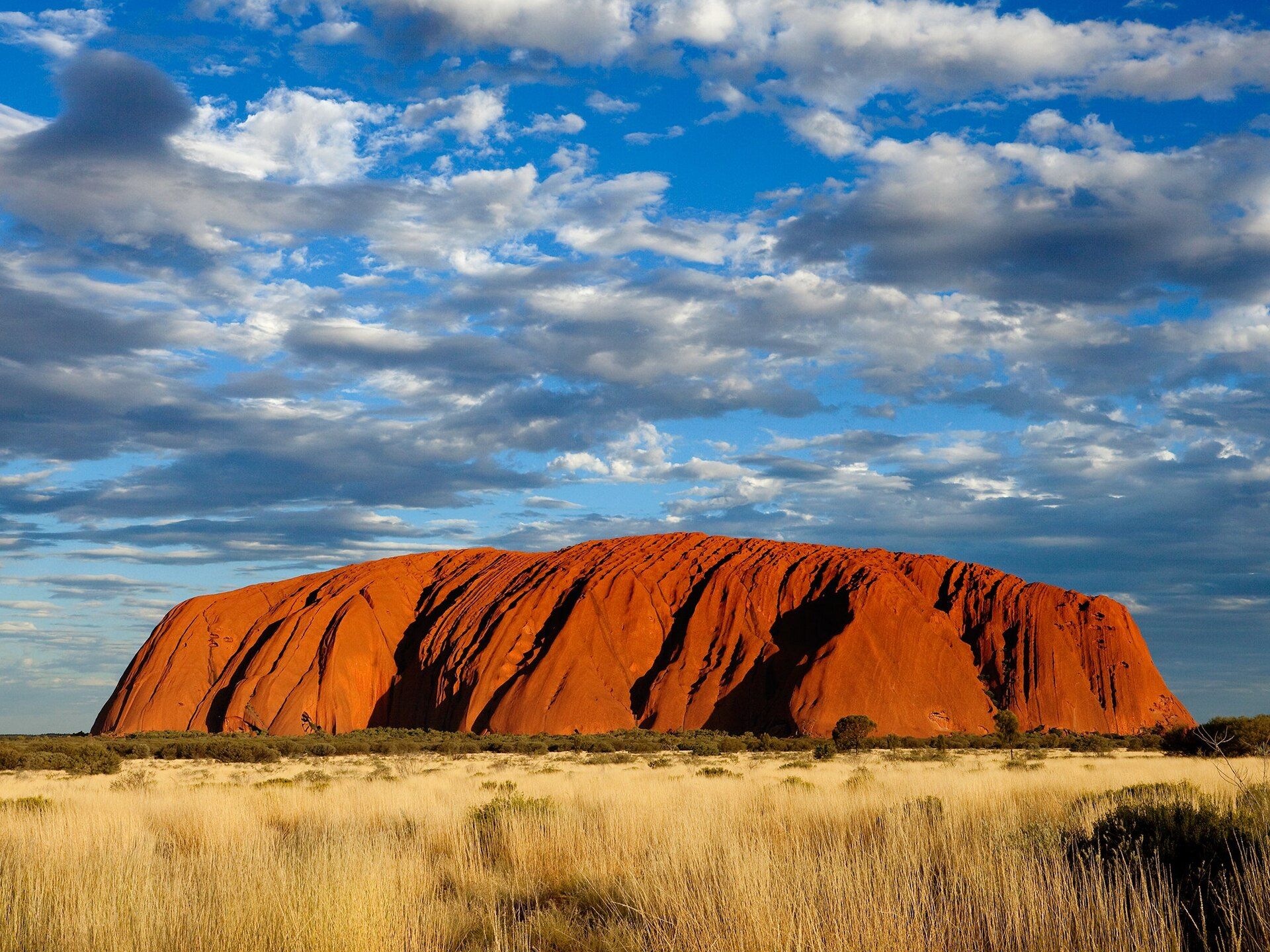
Uluru
The Red Centre monolith
Fly to Ayers Rock (AYQ) — roughly 3 hours from Sydney — or to Alice Springs and drive about 4h30–5h30. Yulara resort is about 20 minutes from the rock. Multi-day park pass; climbing has been permanently closed since 2019 at the request of the Aṉangu; some sites ban photography. Flat base walks of about 10 km and Aṉangu-led tours.
- The colour shift at sunrise and sunset
- Easy, flat walks round the base and at Kata Tjuta
- Everything is at one resort — simple logistics
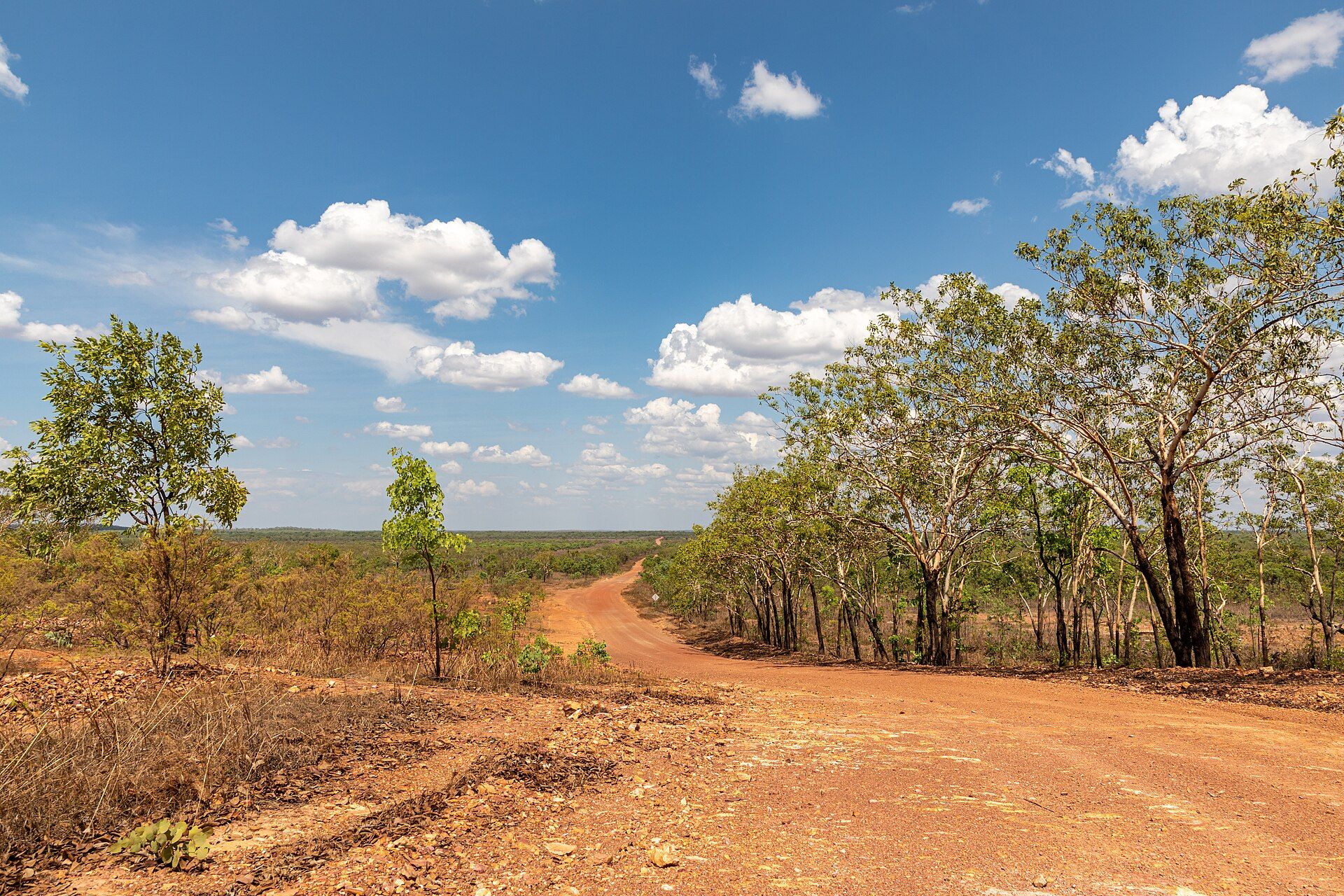
Kakadu
Wetlands, waterfalls and rock art
About 3 hours' drive from Darwin to Jabiru. Park pass required. In the wet (roughly November–April) monsoon floods close many roads and the 4WD tracks to Jim Jim and Twin Falls; the dry opens them. Saltwater crocodiles live in its waters — swim only where rangers and signs allow. Visitor centre and services at Jabiru.
- Ancient rock art at Ubirr and Nourlangie
- Sunset over the floodplain from Ubirr
- Billabong cruises and wildlife concentrated at water in the dry
Head to head
| What matters | Uluru | Kakadu |
|---|---|---|
| Gateway Edge: Toss-up | Fly direct to Ayers Rock, or via Alice Springs and a 4h30–5h30 drive. | Fly to Darwin, then about 3 hours by road. |
| Time needed Edge: Uluru | About 2 days for Uluru and Kata Tjuta. | Three or four days for a park of about 20,000 km². |
| Effort Edge: Uluru | Easy: flat, well-formed paths. | Moderate: long drives, paved lookouts to rough 4WD tracks. |
| Landscape Edge: Toss-up | One ~500-million-year-old sandstone monolith in the desert, plus Kata Tjuta. | Floodplains, billabongs, escarpment waterfalls and rock-art galleries. |
| Best months Edge: Toss-up | May–September; in the hottest months walks close by mid-morning. | May–September (the dry); the wet closes roads but fills the waterfalls. |
| Safety Edge: Uluru | Heat: start walks at first light, carry water. | Saltwater crocodiles; swimming spots open and close on ranger advice. |
| Crowds Edge: Kakadu | Coaches at the sunrise and sunset areas; the base walk is quiet. | Spread out; Ubirr and Nourlangie busy at sunset, back tracks empty. |
Which should you choose?
Choose Uluru if…
…you have two days, want easy walks and simple logistics, or Uluru is the picture you have always had of Australia.
Choose Kakadu if…
…you have three or four days in the dry season, want wildlife, waterfalls and rock art, or are already in Darwin.
The honest verdict
With two days, Uluru: one flight, one resort, flat walks, and the sunrise and sunset colour shift that people cross the country to see.
With three or four days in the dry season, Kakadu: a bigger, wilder park of floodplains, waterfalls and rock art, three hours from Darwin — but plan around the season (many roads close in the wet) and the crocodiles.
Go May–September for either. Both need a park pass; at Uluru, respect the closed climb and the no-photography sites, and in Kakadu check road, waterfall and swimming status at the visitor centre.
Wonders mentioned here
Added