Head to head · The Sulu Sea liveaboard vs the Mindoro Strait atoll
Tubbataha vs Apo Reef: Which Philippine Reef Should You Dive?
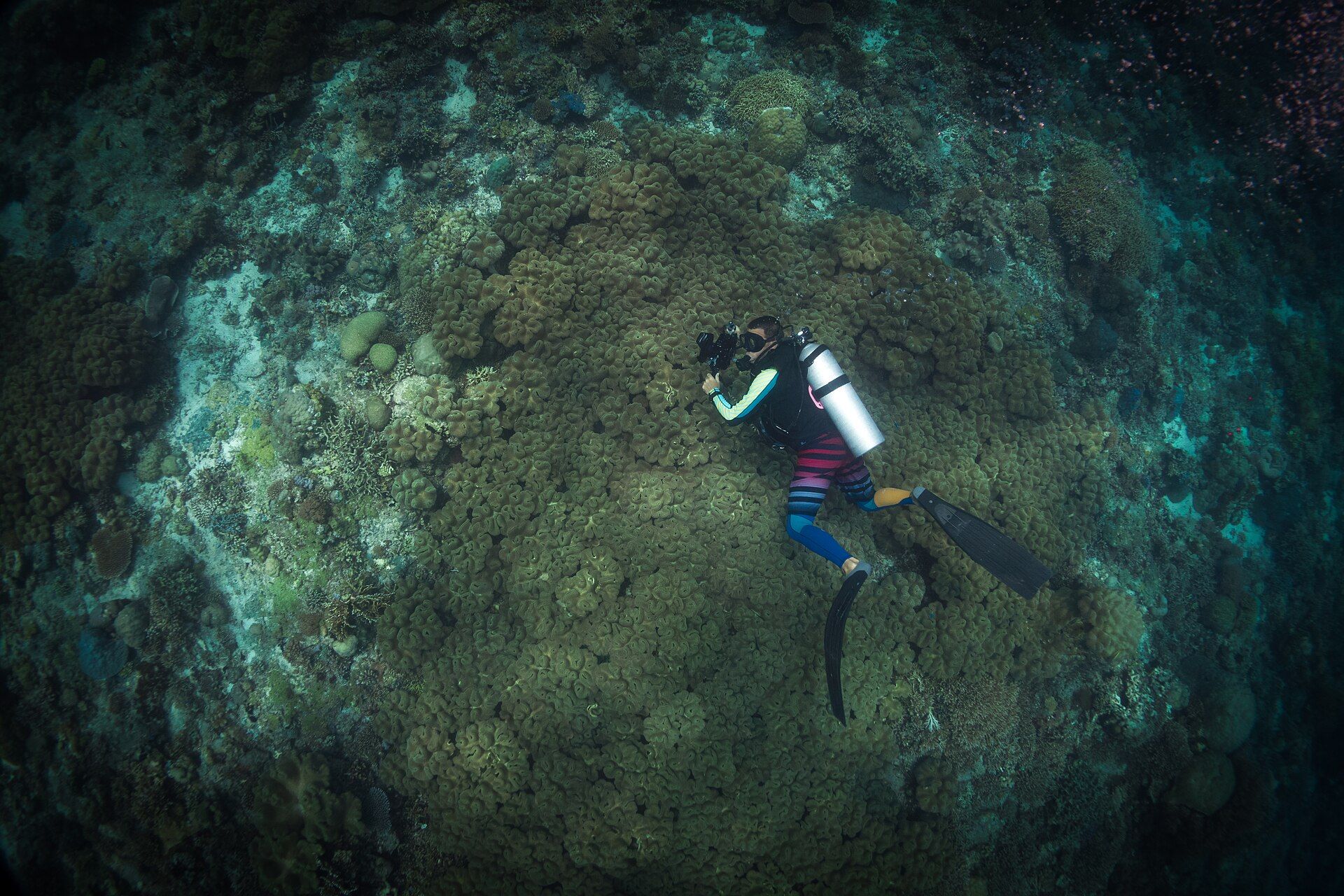
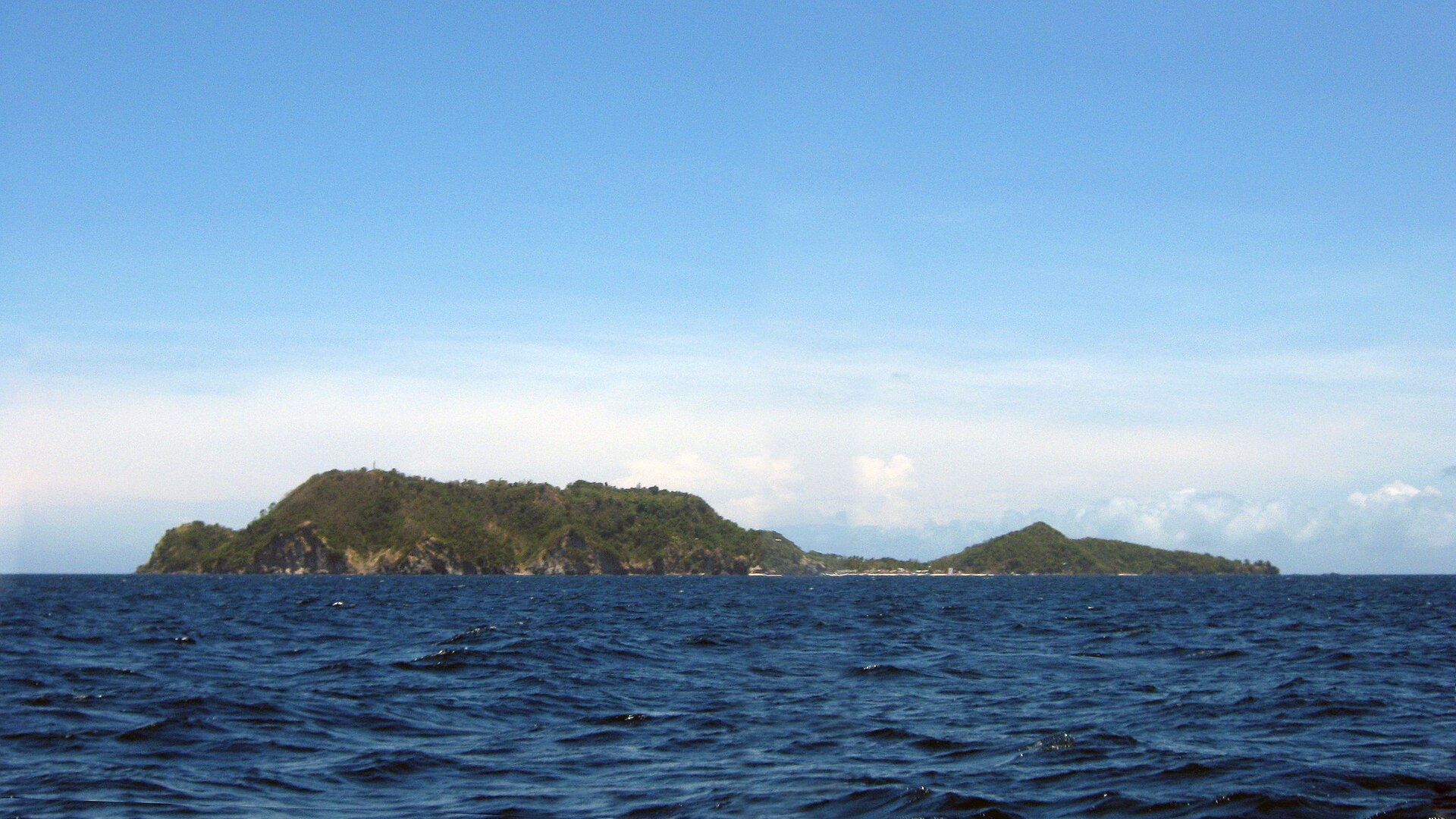
Tubbataha and Apo Reef are the two great offshore reefs of the Philippines, and both are remote, protected and wild in a way the country's resort reefs are not. Tubbataha Reefs Natural Park, in the middle of the Sulu Sea, is a UNESCO World Heritage Site of about 97,000 hectares: two atolls and an isolated reef with more than 600 fish species and 350 coral species. Apo Reef, in the Mindoro Strait, is the largest contiguous coral reef in the Philippines, about 34 square kilometres of reef, lagoon and a small mangrove island.
The real differences are season and access. Tubbataha opens only from about mid-March to mid-June, can be reached only on a 5–7 night liveaboard from Puerto Princesa, and usually needs advanced dive certification. Apo Reef is reached by boat from Sablayan in Occidental Mindoro during the roughly November–May dry season, and you can camp on the ranger island under permit.
Tubbataha
The Sulu Sea's liveaboard-only atolls
Protected since 1988 and now a strict no-take marine park, Tubbataha is far from any coast. Walls drop more than 100 metres from the reef flat into open sea, with sharks, turtles and manta rays. It is a UNESCO World Heritage Site and a Ramsar wetland.
- Some of the healthiest reefs anywhere, and very few other people
- Big walls and pelagic life in open ocean
- Everything organised by the liveaboard, including park fees and permits
Apo Reef
The largest contiguous reef in the Philippines
Two reef platforms separated by a channel and ringed by steep walls, patrolled by reef sharks, turtles, rays and large schools of fish. Apo Reef Natural Park is administered from Sablayan and is on UNESCO's World Heritage Tentative List.
- A longer season than Tubbataha
- Camping on the ranger island, often with no one else there
- Snorkelling and diving without a week-long liveaboard
Head to head
| What matters | Tubbataha | Apo Reef |
|---|---|---|
| Season Edge: Apo Reef | Only from about mid-March to mid-June; the park is closed the rest of the year. | Roughly November to May (the dry season). Trips are cancelled in the habagat and amihan wind seasons. |
| Getting there Edge: Apo Reef | Liveaboard only, from Puerto Princesa, Palawan — including an overnight sailing. No resorts, no day trips. | Boat from Sablayan, Occidental Mindoro (Mindoro is reached via Batangas port from Manila) — a full day from Manila. |
| Time needed Edge: Apo Reef | Liveaboard trips of about 5–7 nights. | Two or three days, camping, to make the crossing worth it. |
| Diving level Edge: Apo Reef | Rated an expedition: open-ocean diving with strong currents; advanced certification and logged dives are typically required. | Moderate: strong currents on the reef and an open-sea crossing, but trips are not limited to experienced divers. |
| The reef Edge: Tubbataha | About 97,000 ha of atolls and walls, 600+ fish and 350+ coral species, sharks, turtles and manta rays. | About 34 km² of reef platforms, walls and lagoon, with reef sharks, turtles, rays and large fish schools. |
| Where you sleep Edge: Toss-up | On the liveaboard. There is no land base beyond a small ranger station. | Camping on the island under permit, or aboard a boat. A ranger station and a lighthouse — no shop, water or power. |
| Booking Edge: Apo Reef | Berths sell out far ahead — book 9–12 months in advance, especially for April–May sailings. | Arrange entry and overnight camping through the park office in Sablayan before you sail. |
| Crowds Edge: Toss-up | Vessel numbers are strictly limited; you may see no one outside your own boat. | Very few people — some days yours is the only party on the island. |
Which should you choose?
Choose Tubbataha if…
…you are an experienced diver, can travel between mid-March and mid-June, can book months ahead, and want the best-protected reef in the country.
Choose Apo Reef if…
…you are travelling between November and May, are a snorkeller or less experienced diver, have two or three days, or prefer camping on a wild island to a week on a boat.
The honest verdict
Tubbataha is the bigger, more remote reef and the one experienced divers plan a year around — but only during its short mid-March to mid-June season, and only by liveaboard.
Apo Reef is the more accessible choice: a longer dry-season window, a shorter trip and no certification barrier, with almost as much solitude.
Both crossings are open sea and depend on the weather. Fees and permits are set by each park: Tubbataha's are handled by your liveaboard; for Apo Reef, confirm with the Sablayan tourism office and the Apo Reef Natural Park office.
Wonders mentioned here
Added