Puerto Princesa Subterranean River
📍 Puerto Princesa, Palawan, Philippines
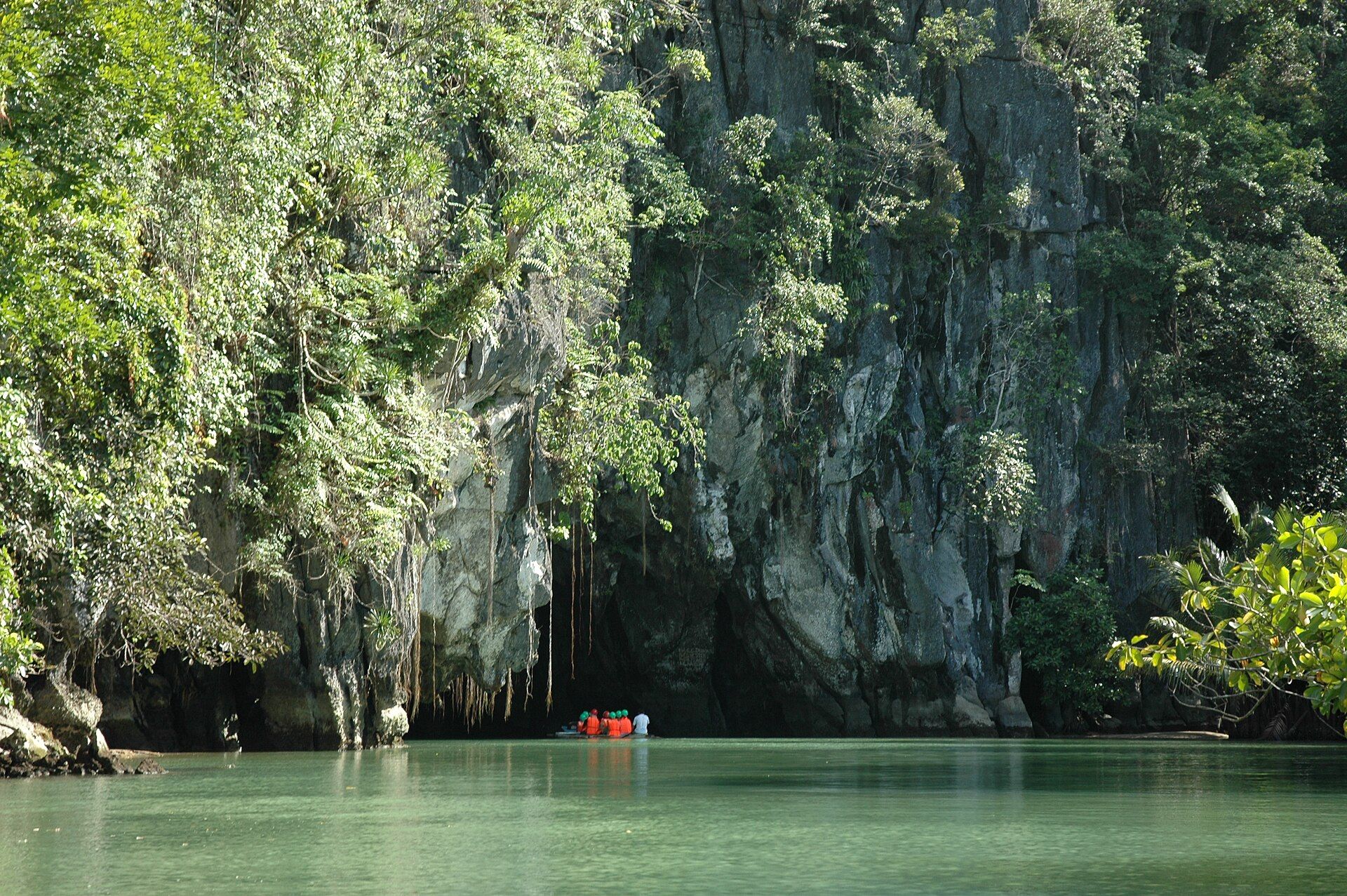
One of the world's longest navigable underground rivers, winding 8.2 km through a vast limestone cave system beneath a karst mountain range before emptying directly into the West Philippine Sea.
What makes it marvelous
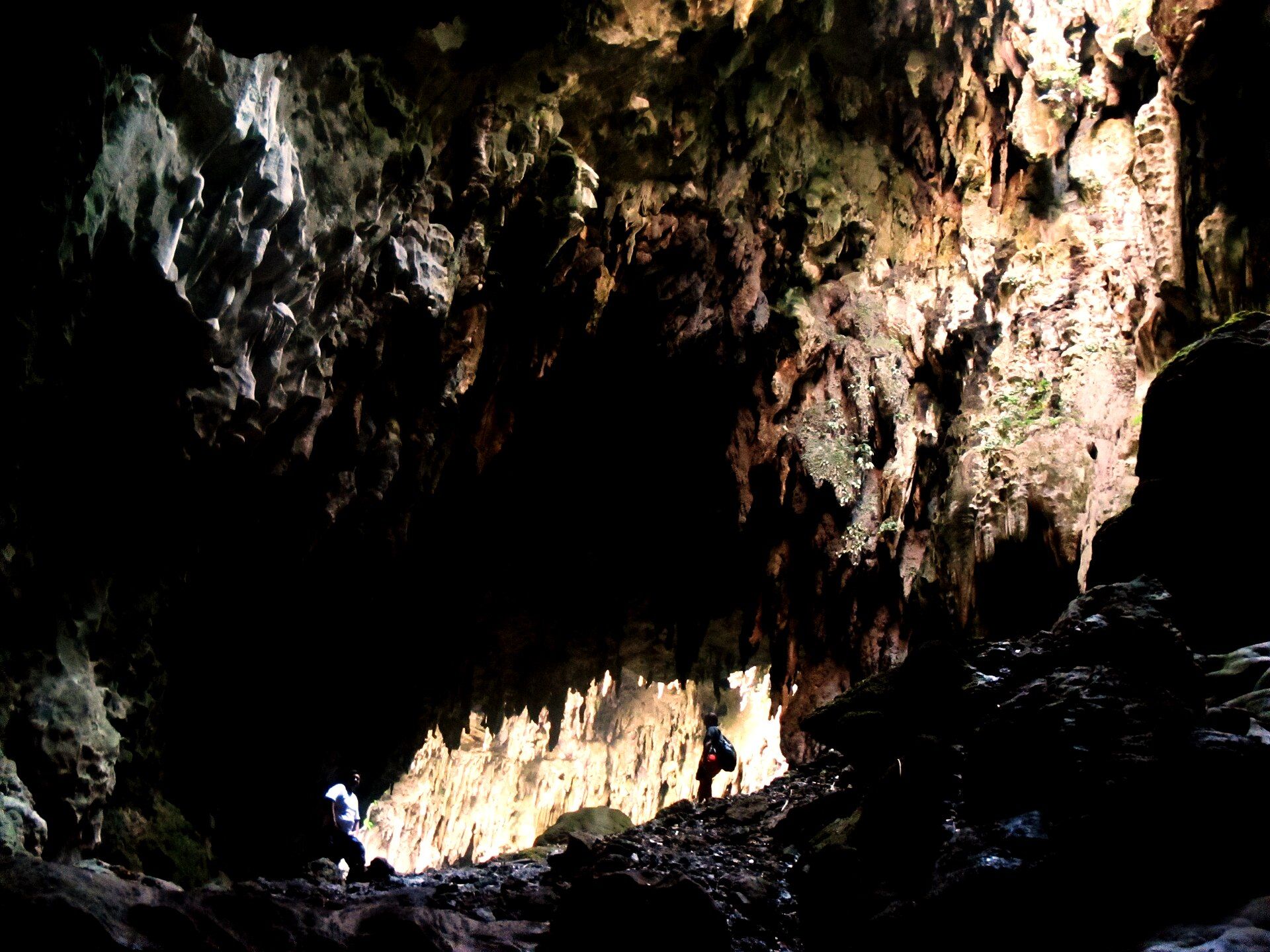
The river flows through a cathedral-scale cave carved from Miocene-age limestone, past chambers up to 60 metres high and stalactites and stalagmites grown over millennia. Uniquely, the river is tidal near its mouth and runs straight into the sea, and the cave supports a full ecosystem — swiftlets, several bat species, and a mountain-to-sea transition rarely preserved so intact. It is a UNESCO World Heritage Site and one of the New 7 Wonders of Nature.
Why visit
You paddle into the mountain by paddle-boat, headlamps sweeping across dripping stone shaped into vaults, curtains, and columns while bats stir overhead. It is quiet, cool, and genuinely awe-inspiring — a river journey inside a mountain that ends at the sea.
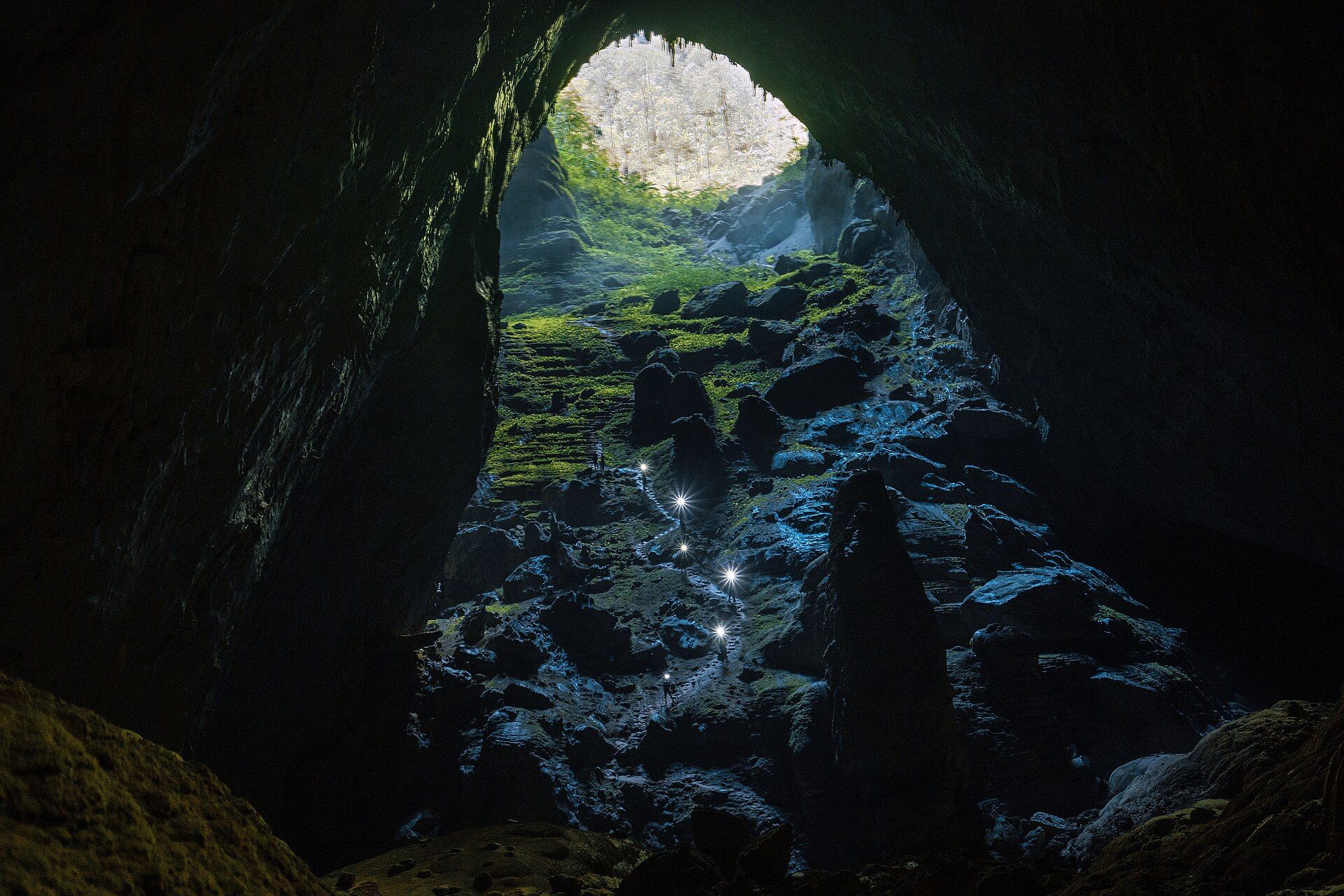
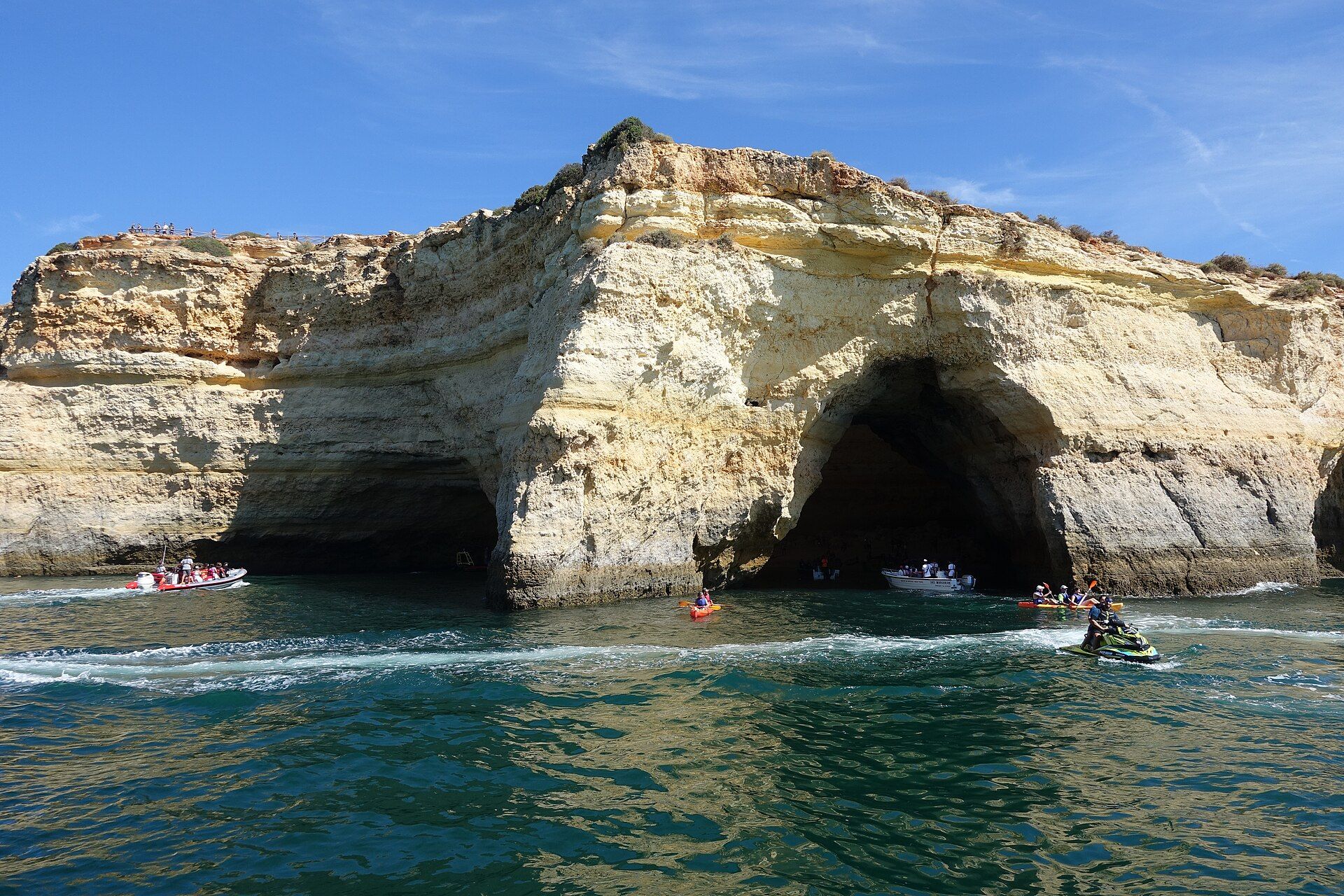
More views of Puerto Princesa Subterranean River
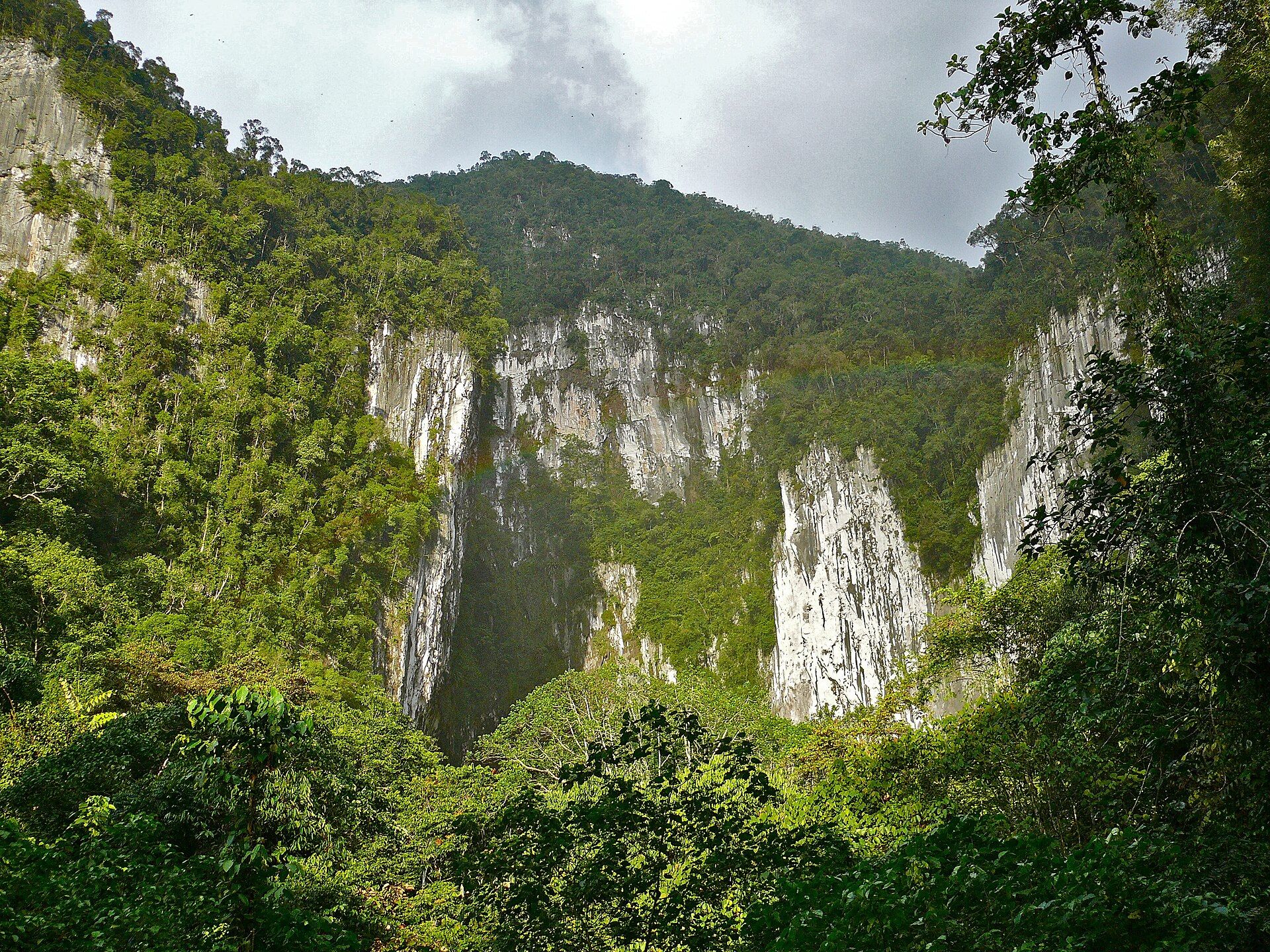
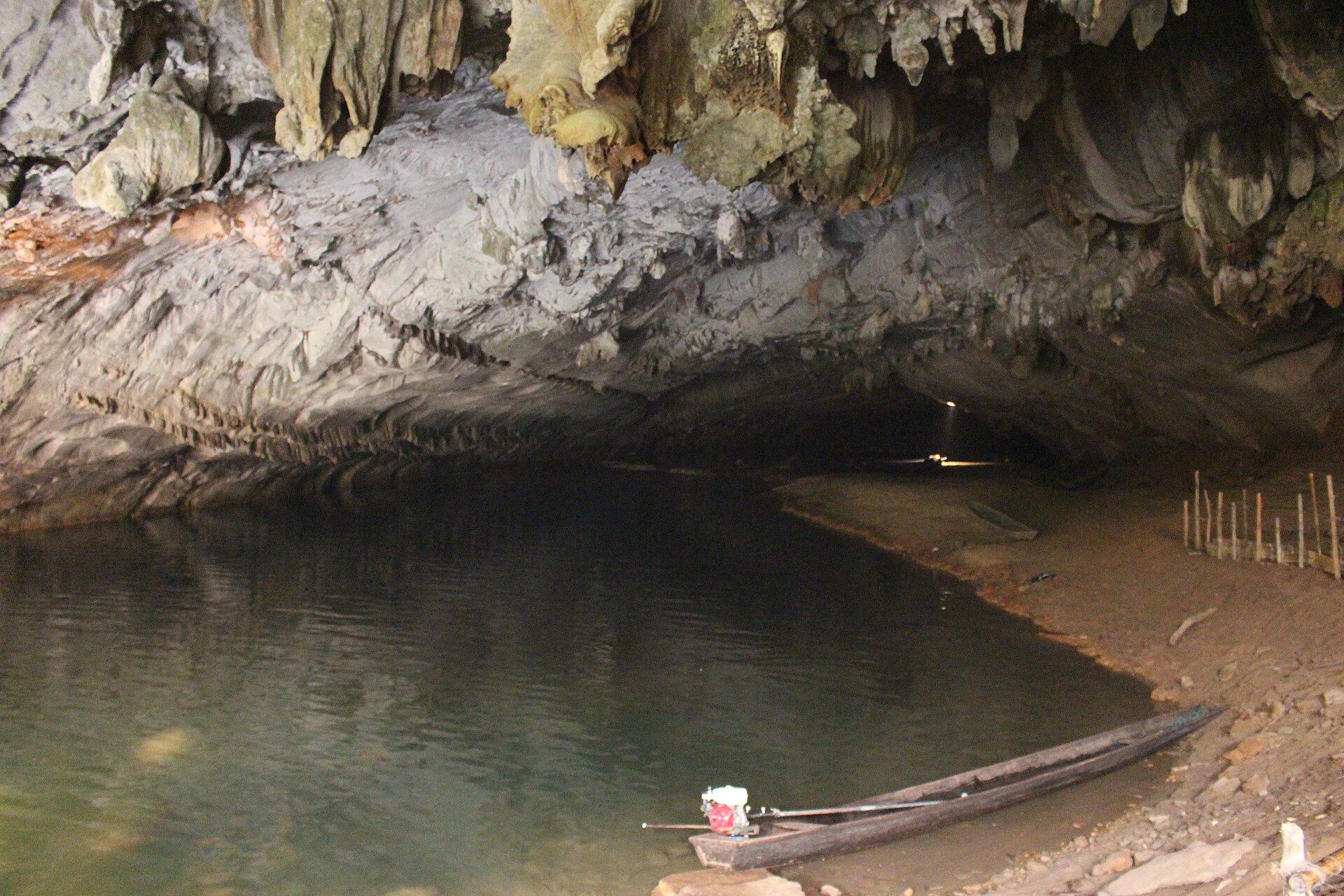
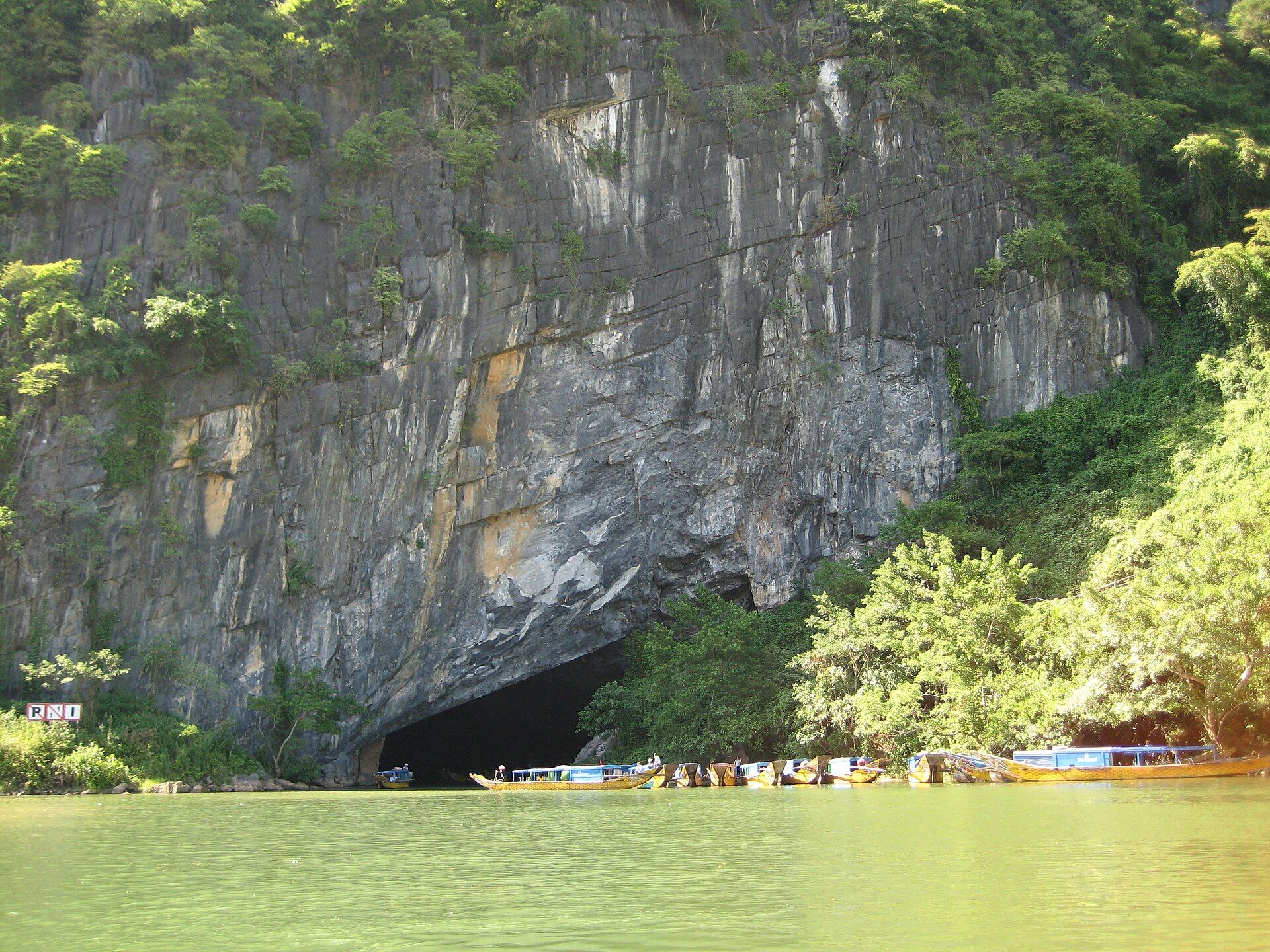
Additional photographs of the actual site — each freely licensed, with its photographer and licence credited.
What to know before you go
🗓️ Best time
November to early June, the dry season, for calm seas on the boat transfer and reliable tours. Strong winds or rough water can close the crossing at short notice in the June–October wet season.
🧭 Getting there & access
About 1.5–2 hours by van from Puerto Princesa City to the launch point at Sabang, then a short outrigger-boat ride to the cave mouth. A strict 'No Permit, No Entry' policy applies and daily visitors are capped (about 900) to protect the site — book a slot through an accredited operator or the city booking office at least a few days ahead, longer in peak season.
Good to know
- Book your permit well before you travel; slots sell out in high season.
- Wear the provided helmet and keep hands inside the boat — passages are narrow and low in places.
- Combine it with the Sabang mangroves and zip-line, and keep noise low to protect the bats and swiftlets.
Plan your visit
Easy🧭 Getting there
From Puerto Princesa (PPS), Palawan
- Fly Manila to Puerto Princesa — about 1h20
- Van or shuttle to Sabang — roughly 2h
- Outrigger boat from Sabang to the cave beach — about 20–30 minutes
- Short jungle walk, then a paddle-boat into the cave
- Total travel
- About half a day each way from Manila
- Time at site
- Half-day including transfers; the cave tour itself is roughly 45 minutes
- Access
- Permit and timed entry required, issued through the Underground River booking office in Puerto Princesa. Arrange in advance — daily visitor numbers are capped. Guided boat tours only.
🎒 What to bring & consider
- Book the permit well ahead — the daily cap genuinely sells out in peak season
- Motion-sickness tablets; the sea crossing to Sabang can be choppy
- A light rain layer — the cave drips constantly
- Cash for fees and Sabang meals; card acceptance is limited outside the city
- Insect repellent for the jungle path and the beach wait
👁️ What to expect
- Crowds
- Capped by permit, so the cave never feels overrun, but the Sabang staging beach gets busy mid-morning.
- Conditions
- Seated the whole way through the cave in a paddle boat, in near-total darkness apart from the guide lamp. Bat noise and smell are noticeable and normal.
- Facilities
- Toilets, lockers, and food at Sabang; nothing inside the cave.
- The view
- Photography inside is difficult — it is dark, you are moving, and flash is restricted. Treat it as an experience to watch rather than photograph.
Times and requirements are approximate and change with season, weather, and local rules — confirm permits, fares, and schedules with operators before you travel.
Natural riches of the area
- Miocene limestone karst riddled with caves and underground drainage
- Intact lowland rainforest on the Saint Paul mountain range
- Colonies of swiftlets and at least eight bat species
- Mangrove forest and a full mountain-to-sea ecosystem at the river mouth
Local food
- Tamilok
- Woodworm (a mangrove mollusc) eaten raw with vinegar — a Palawan delicacy for the adventurous.
- Crocodile sisig
- Sizzling chopped crocodile from local farms, seasoned with calamansi and chilli.
- Fresh seafood
- Grilled lato (sea grapes), tuna, and squid landed daily along the Palawan coast.
The Puerto Princesa Subterranean River is the rare wonder that lives up to its billing. Beneath the forested Saint Paul range, rainwater has spent millions of years dissolving limestone into an enormous cave, and a full river now runs through it for more than eight kilometres before spilling straight into the sea.
Tours paddle a few hundred metres into the darkness — enough to grasp the scale. Headlamps pick out chambers the size of concert halls, stone draped into curtains and pillars, and the constant flicker of swiftlets and bats that make the cave their home. Near the mouth, the water is brackish and rises and falls with the ocean tide, a reminder that this is a living connection between mountain and sea.
Because the ecosystem is fragile and the crossing depends on the weather, access is deliberately limited and permit-controlled. That restraint is part of why the cave remains so pristine — and why the short journey inside feels like a privilege.
What makes this river extraordinary is that it runs underground, flowing through a limestone cave for several kilometres before emptying directly into the sea — one of the longest navigable underground rivers in the world, and one reason it was named among the New7Wonders of Nature. Visitors reach it by boat from Sabang and then paddle into the cave mouth by paddle-powered banca, headlamps picking out vast chambers, stalactites, and dripstone shapes the guides have nicknamed over the years. The cave is alive: large colonies of swiftlets and bats roost in the darkness overhead. Access is capped and permit-controlled to protect it, so arrangements are best made ahead through the park in Puerto Princesa.
Puerto Princesa Subterranean River: common questions
How do you get to Puerto Princesa Subterranean River?
From Puerto Princesa (PPS), Palawan: Fly Manila to Puerto Princesa — about 1h20; Van or shuttle to Sabang — roughly 2h; Outrigger boat from Sabang to the cave beach — about 20–30 minutes; Short jungle walk, then a paddle-boat into the cave. Total travel time: About half a day each way from Manila.
When is the best time to visit Puerto Princesa Subterranean River?
November to early June, the dry season, for calm seas on the boat transfer and reliable tours. Strong winds or rough water can close the crossing at short notice in the June–October wet season.
How long should you spend at Puerto Princesa Subterranean River?
Half-day including transfers; the cave tour itself is roughly 45 minutes. Total travel time: About half a day each way from Manila.
What should you bring to Puerto Princesa Subterranean River?
Book the permit well ahead — the daily cap genuinely sells out in peak season Motion-sickness tablets; the sea crossing to Sabang can be choppy A light rain layer — the cave drips constantly Cash for fees and Sabang meals; card acceptance is limited outside the city Insect repellent for the jungle path and the beach wait
Do you need a permit or guide for Puerto Princesa Subterranean River?
Permit and timed entry required, issued through the Underground River booking office in Puerto Princesa. Arrange in advance — daily visitor numbers are capped. Guided boat tours only.
Is Puerto Princesa Subterranean River crowded, and what are conditions like?
Capped by permit, so the cave never feels overrun, but the Sabang staging beach gets busy mid-morning. Seated the whole way through the cave in a paddle boat, in near-total darkness apart from the guide lamp. Bat noise and smell are noticeable and normal. Facilities: Toilets, lockers, and food at Sabang; nothing inside the cave.
Added Updated
More wonders to explore