Balicasag Island
📍 Panglao, Bohol, Central Visayas
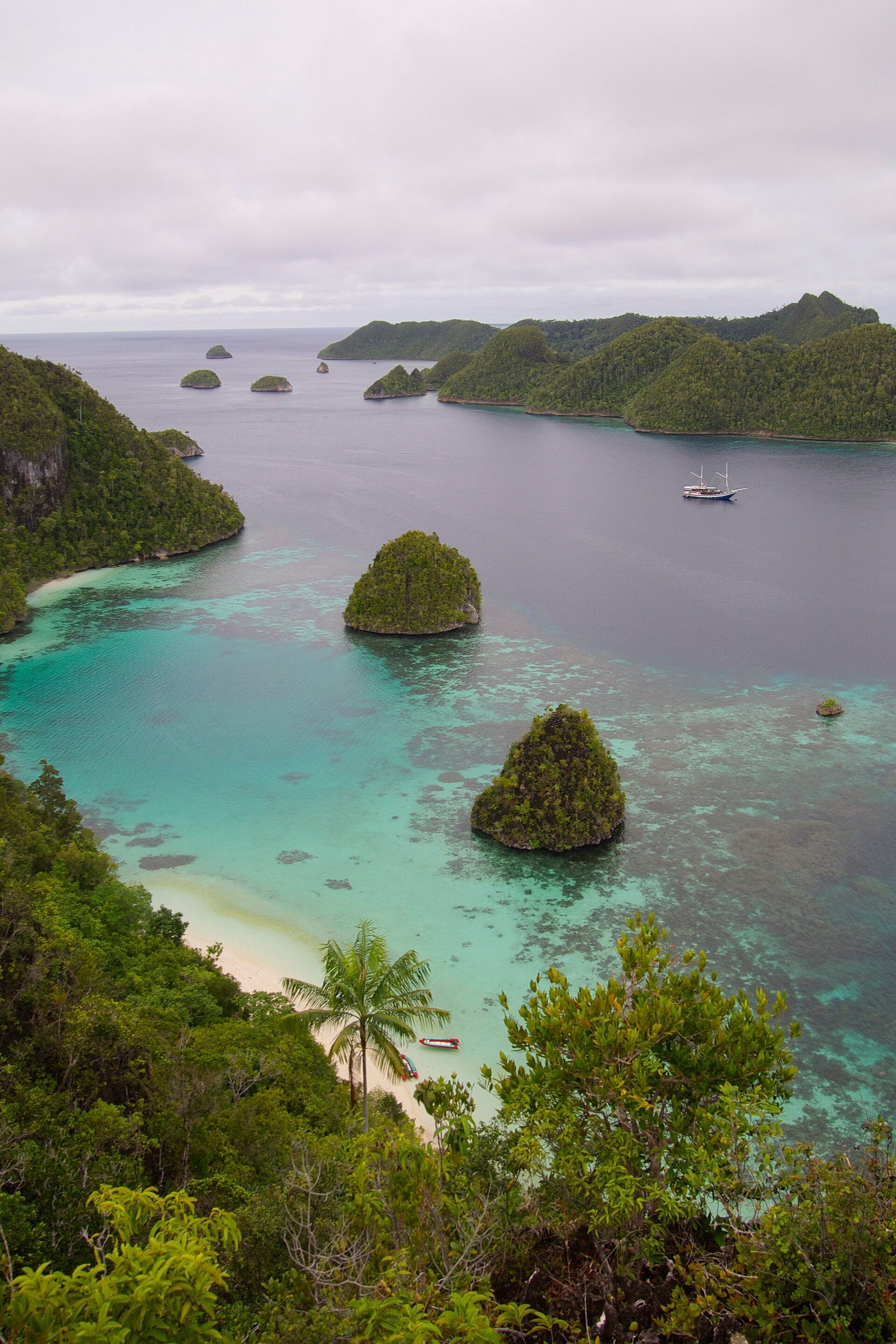
A tiny coral island off Bohol ringed by a protected marine sanctuary famous for its dramatic reef wall, resident sea turtles, and swirling schools of jackfish — one of the country's premier diving and snorkelling sites.
What makes it marvelous
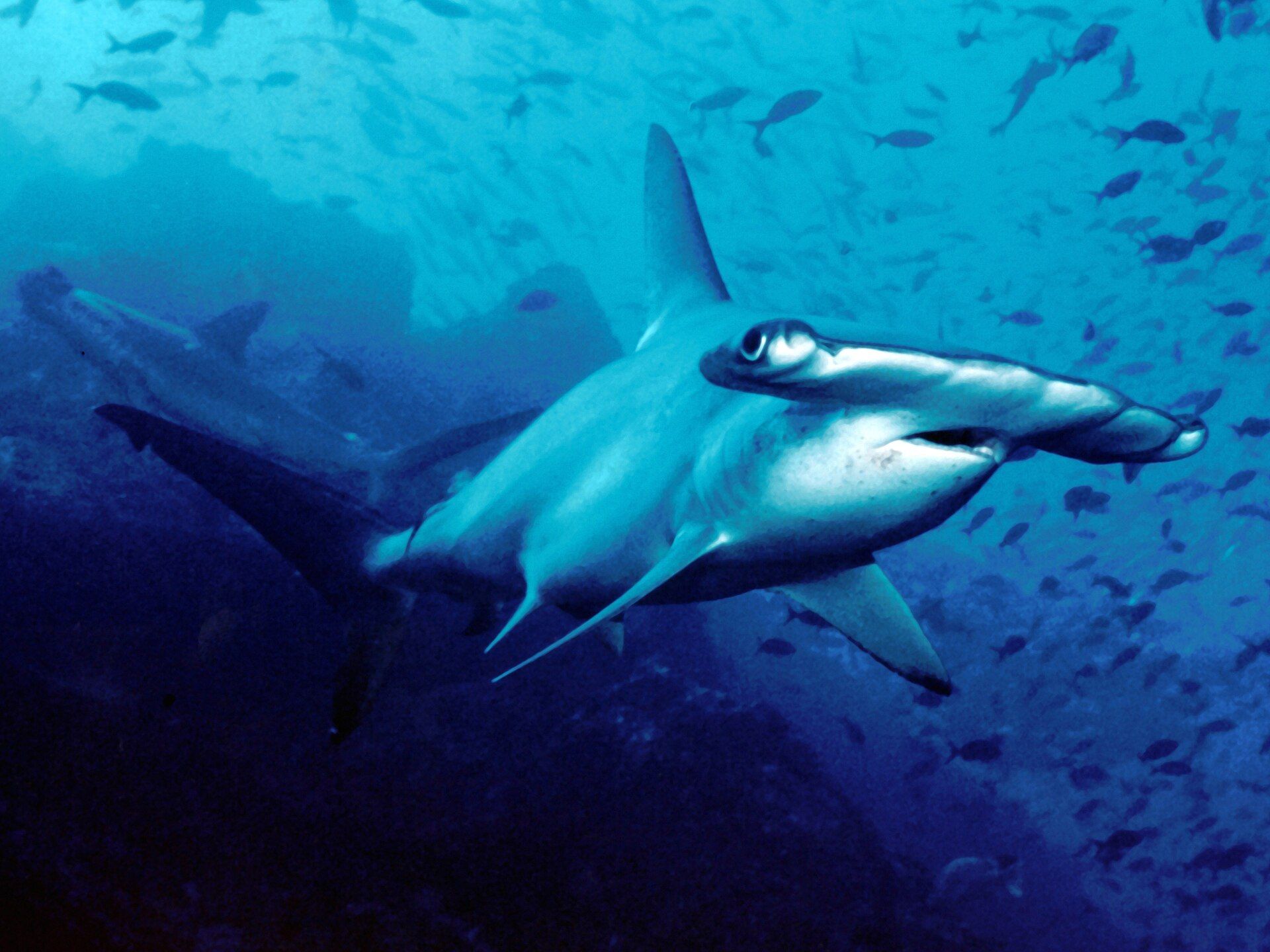
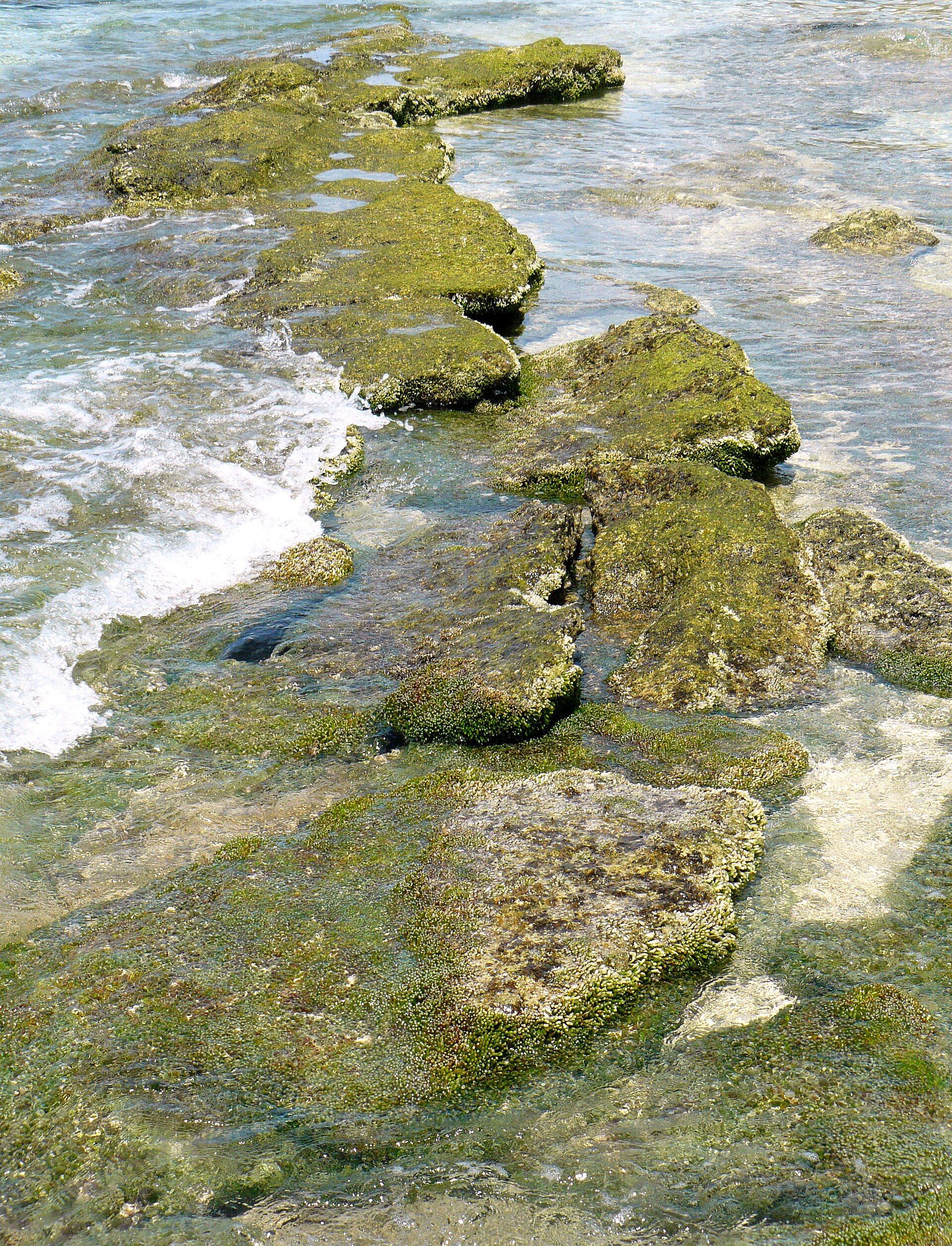
Balicasag is a small island perched on the edge of a steep coral reef that drops into deep water. Decades of marine protection have made its walls and slopes extraordinarily rich: green sea turtles graze in the shallows, and famous 'tornadoes' of thousands of jacks and sardines swirl over the reef. The sanctuary status has allowed fish stocks to recover and spill over into surrounding waters.
Why visit
You can snorkel straight off the beach to meet turtles and drift over a living reef wall, or dive world-class sites like Black Forest and the Sanctuary. It's an easy, rewarding side trip from Panglao's beaches and part of what makes Bohol a top marine destination.
What to know before you go
🗓️ Best time
The dry season (roughly March–June) for the best visibility and calmest crossings.
🧭 Getting there & access
By outrigger boat from Alona Beach on Panglao, Bohol (about 30–45 minutes). Sanctuary and guide fees apply; snorkelling and diving are guided to protect the reef.
Good to know
- Keep a respectful distance from turtles — no touching or chasing.
- Use reef-safe sunscreen and never stand on the coral.
- Pay the sanctuary fees; they fund the local reef wardens.
Plan your visit
Easy🧭 Getting there
From Panglao, Bohol — Alona Beach
- Fly Manila or Cebu → Bohol-Panglao (TAG)
- Road airport → Alona Beach — roughly 15–20 minutes
- Boat Alona → Balicasag — about 30–45 minutes, usually departing before dawn
- Total travel
- Around an hour from the airport
- Time at site
- A morning; boats generally return by late morning
- Access
- A marine sanctuary managed by the Panglao local government, with a daily cap on snorkellers and divers, mandatory registration and a required local guide in the water. The cap was introduced because the site was being loved to death, and on busy mornings it is reached — book through your resort or dive shop the day before rather than turning up at the beach. Fees and quotas are set locally and change; confirm on the ground.
🎒 What to bring & consider
- Booking made the previous day, because the visitor quota is real and being turned away at Alona at 5am is a wasted morning
- The discipline not to touch or chase turtles, which the guides now enforce — the crowding of animals here is precisely what prompted the cap
- Reef-safe sunscreen or a rashguard, on a reef that is recovering rather than pristine
- Your own mask if you are particular, since rental gear varies
- An early alarm: departures are before sunrise for calm water and the best light on the drop-off
👁️ What to expect
- Crowds
- Managed but still busy — several boats work the same sardine ball and turtle area in the same two-hour window.
- Conditions
- Calm early, choppier by late morning. A dramatic wall dropping off close to shore, with current along it.
- Facilities
- Minimal on the island itself. Everything is on Panglao.
- The view
- The sardine ball as a shifting silver wall a few metres down, or a green turtle rising past the drop-off. Both are reliable here — which is the reason the quota exists, and the reason keeping your distance is worth doing without being told.
Times and requirements are approximate and change with season, weather, and local rules — confirm permits, fares, and schedules with operators before you travel.
Natural riches of the area
- A protected coral reef wall dropping into deep water
- Resident green sea turtles and reef fish
- Schooling jackfish and sardine aggregations
- A spillover fishery sustaining nearby communities
Local food
- Fresh grilled seafood
- Reef and pelagic fish landed around Panglao and Bohol.
- Kinilaw
- Raw fish cured in vinegar and calamansi, the Visayan classic.
- Peanut kisses & calamay
- Bohol's meringue cookies and sticky coconut-sugar sweets.
Balicasag is proof of what marine protection can do. This tiny coral island off Panglao sits on the rim of a reef that plunges into deep blue water, and after decades as a sanctuary its walls and slopes teem with life. Snorkel off the beach and you’ll likely find green turtles grazing within minutes; venture a little further and you may drift beneath a slow-turning ‘tornado’ of thousands of jacks.
For divers it’s a bucket-list spot — sites like Black Forest and the Sanctuary are among the best in the Visayas — but you don’t need tanks to enjoy it. The protection that made the reef so rich also lets its fish spill into surrounding waters, feeding local communities. Visit gently, pay the fees that fund the wardens, and keep your distance from the turtles, and Balicasag rewards you with one of Bohol’s finest underwater experiences.
Balicasag Island: common questions
How do you get to Balicasag Island?
From Panglao, Bohol — Alona Beach: Fly Manila or Cebu → Bohol-Panglao (TAG); Road airport → Alona Beach — roughly 15–20 minutes; Boat Alona → Balicasag — about 30–45 minutes, usually departing before dawn. Total travel time: Around an hour from the airport.
When is the best time to visit Balicasag Island?
The dry season (roughly March–June) for the best visibility and calmest crossings.
How long should you spend at Balicasag Island?
A morning; boats generally return by late morning. Total travel time: Around an hour from the airport.
What should you bring to Balicasag Island?
Booking made the previous day, because the visitor quota is real and being turned away at Alona at 5am is a wasted morning The discipline not to touch or chase turtles, which the guides now enforce — the crowding of animals here is precisely what prompted the cap Reef-safe sunscreen or a rashguard, on a reef that is recovering rather than pristine Your own mask if you are particular, since rental gear varies An early alarm: departures are before sunrise for calm water and the best light on the drop-off
Do you need a permit or guide for Balicasag Island?
A marine sanctuary managed by the Panglao local government, with a daily cap on snorkellers and divers, mandatory registration and a required local guide in the water. The cap was introduced because the site was being loved to death, and on busy mornings it is reached — book through your resort or dive shop the day before rather than turning up at the beach. Fees and quotas are set locally and change; confirm on the ground.
Is Balicasag Island crowded, and what are conditions like?
Managed but still busy — several boats work the same sardine ball and turtle area in the same two-hour window. Calm early, choppier by late morning. A dramatic wall dropping off close to shore, with current along it. Facilities: Minimal on the island itself. Everything is on Panglao.
Added Updated
More wonders to explore
Sohoton Cove & Jellyfish Sanctuary
Bucas Grande, Surigao del Norte, Mindanao, Philippines
Komodo National Park
Lesser Sunda Islands, East Nusa Tenggara, Indonesia