Head to head · Zambia's walking-safari valley vs South Africa's self-drive giant
South Luangwa vs Kruger: Which Safari Park Should You Choose?
Both are big, game-rich parks in southern Africa with the same dry-season peak, but they give you different safaris. Kruger, in northeastern South Africa, covers nearly 20,000 km² of bushveld with the Big Five, more than 500 bird species and a dense network of roads and rest camps — you can drive yourself, without a guide, and book SANParks night drives and walks on top.
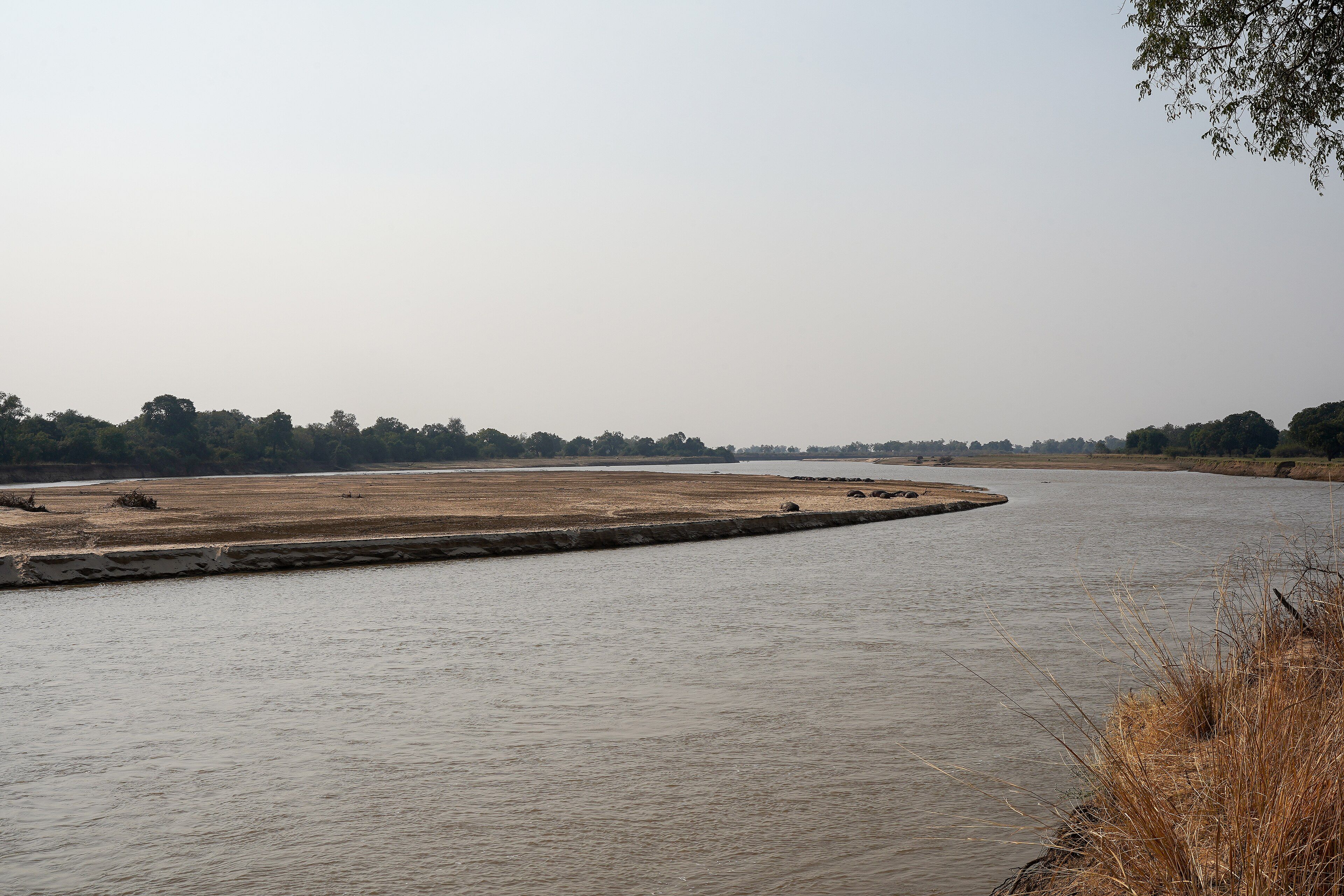
South Luangwa, in Zambia's Luangwa Valley at the southern end of the East African Rift, is smaller at 9,050 km² and run through camps. Its meandering river and oxbow lagoons pull game into tight concentrations in the dry season, night drives are part of every stay, and it is the place where the walking safari was invented — on foot with a licensed guide and an armed scout.
South Luangwa
On foot and after dark in a river valley that concentrates game
South Luangwa National Park (game reserve from 1938, national park since 1972) covers 9,050 km² between the Luangwa River and the Muchinga Escarpment, with more than 400 bird species and over 60 mammal species, including Thornicroft's giraffe, Cookson's wildebeest and Crawshay's zebra, which are restricted to this valley. You fly from Lusaka to Mfuwe — about two hours by air — and camps handle transfers, game drives, night drives and walks.
- Walking safaris, with a licensed guide and armed scout, where they began
- Night drives, where leopards and genets show up
- Light crowds by safari standards, especially away from Mfuwe
Kruger
The Big Five on your own schedule, from rest camps across a huge park
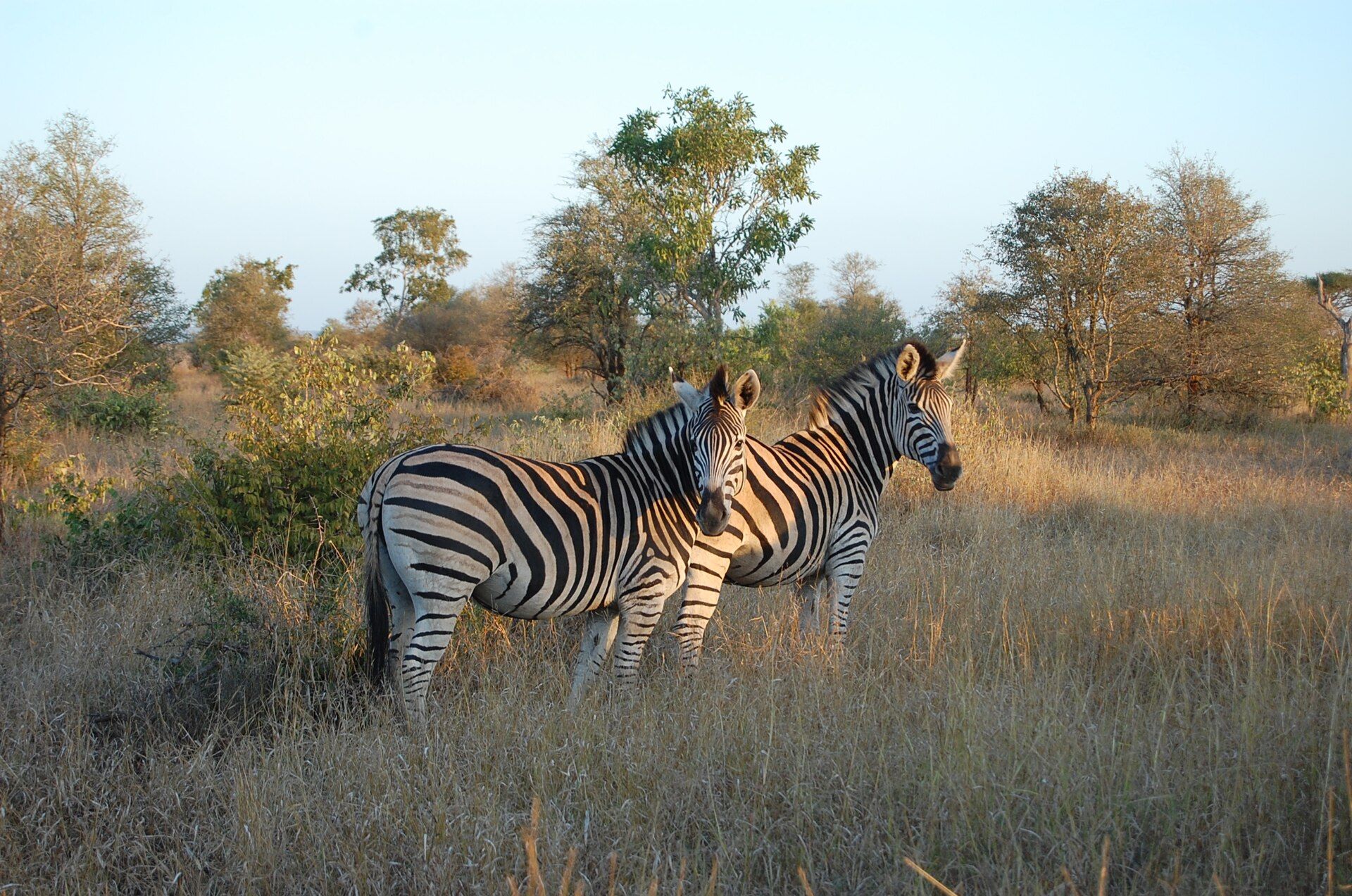
Kruger National Park sprawls across nearly 20,000 km² of South African bushveld and is part of the Great Limpopo Transfrontier Park. It is home to the Big Five, cheetahs, wild dogs and more than 500 bird species. Fly to Kruger Mpumalanga near Nelspruit or to Skukuza inside the park, or drive from Johannesburg in most of a day; rest camps with shops, fuel, restaurants and accommodation are spread across the park.
- Self-drive safari on good roads, no guide needed
- The Big Five across a park the size of a small country
- Rest camps with shops, fuel, restaurants and accommodation
Head to head
| What matters | South Luangwa | Kruger |
|---|---|---|
| Style of safari Edge: Toss-up | Camp-run game drives, night drives and walking safaris with a licensed guide and armed scout. | Self-drive on good roads, plus guided drives, night drives and walks booked with SANParks. |
| Size Edge: Kruger | 9,050 km², with the Luangwa River along roughly 200 km of its eastern boundary. | Nearly 20,000 km² — the size of a small country. |
| Wildlife Edge: Toss-up | Over 60 mammal species and 400+ birds; hippo pods and crocodiles on the river; Thornicroft's giraffe, Cookson's wildebeest and Crawshay's zebra. | The Big Five, cheetahs and wild dogs, and more than 500 bird species. |
| Getting there Edge: Kruger | Lusaka, then a scheduled light-aircraft flight to Mfuwe (about 2 hours by air); overland is a long day. | Fly to Kruger Mpumalanga or Skukuza, or drive from Johannesburg in most of a day. |
| Best months Edge: Toss-up | June–October; September and October the most intense — and well over 40 °C. Many camps close December–March. | May–September, the dry winter; summer is green and good for birds and newborns. |
| Crowds Edge: South Luangwa | Light by African safari standards, and much lighter in the north of the park than around Mfuwe. | Busy with self-drivers around Skukuza in the south; north of Olifants it empties out. |
| Rules to know Edge: Toss-up | Walking safaris must be led by a licensed guide with an armed scout — a legal requirement. | Strict gate opening and closing times, with a fine for being out late; rest camps fill months ahead in South African school holidays. |
| Time needed Edge: Toss-up | 4–5 nights; longer for a walking trail between bush camps. | 3–4 days minimum; a week to cover the south and north. |
Which should you choose?
Choose South Luangwa if…
…you want to walk in the bush with a guide and scout, see leopards on night drives, and stay at a small camp in a valley that feels far from anywhere — and a light-aircraft flight is part of the plan.
Choose Kruger if…
…you want the Big Five at your own pace in your own car, with rest camps, shops and fuel along the way, and a first safari that is easy to plan.
The honest verdict
Choose Kruger for an independent, flexible safari. Its roads and rest camps let you drive yourself among the Big Five, and SANParks night drives and walks add the guided side. Book rest camps early for school holidays, go north of Olifants for fewer cars, and keep an eye on gate times.
Choose South Luangwa for the guided, close-up safari it is known for: a walking safari with a licensed guide and armed scout, night drives for leopards, and dry-season river bends full of hippos and elephants. Come June–October, and expect heat by October.
Kruger is easier and more independent; South Luangwa is quieter and more intimate. Both are at their best in the southern dry season.
Wonders mentioned here
Added