Head to head · Botswana's inland delta vs Tanzania's migration plains
Okavango Delta vs Serengeti: Botswana or Tanzania for Your Safari?
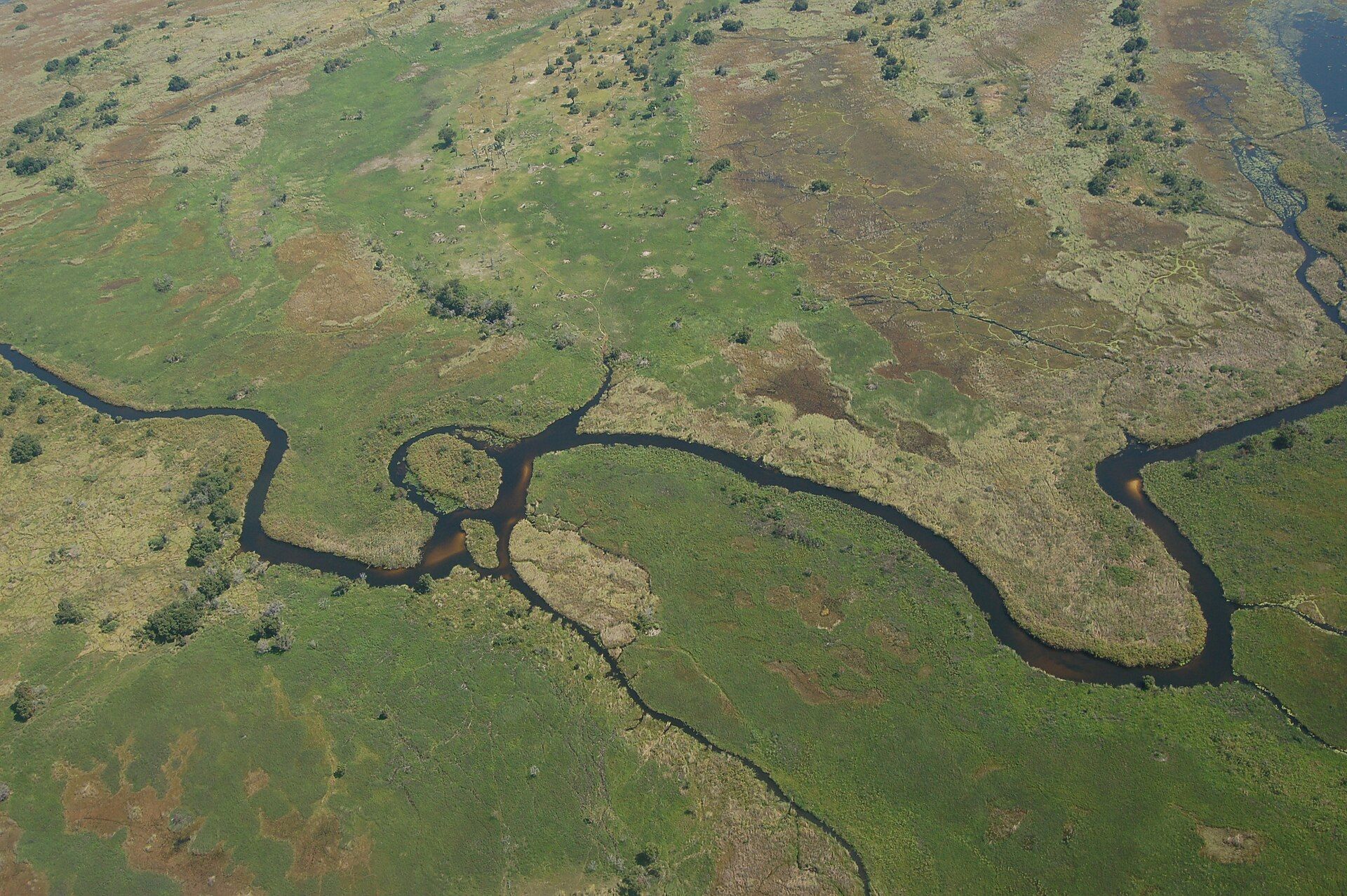
Both are UNESCO World Heritage Sites and two of Africa's great safaris, but they work in opposite ways. The Okavango is a river that ends in the Kalahari sand: floodwater from the Angolan highlands arrives months later, in the dry season, spreading across up to 15,000 km² of channels, papyrus and islands and drawing elephants, hippos, lions, wild dogs and hundreds of bird species to the water. You explore it by mokoro — a dugout canoe poled through the reeds — on foot, by boat and by light aircraft, from small fly-in camps.
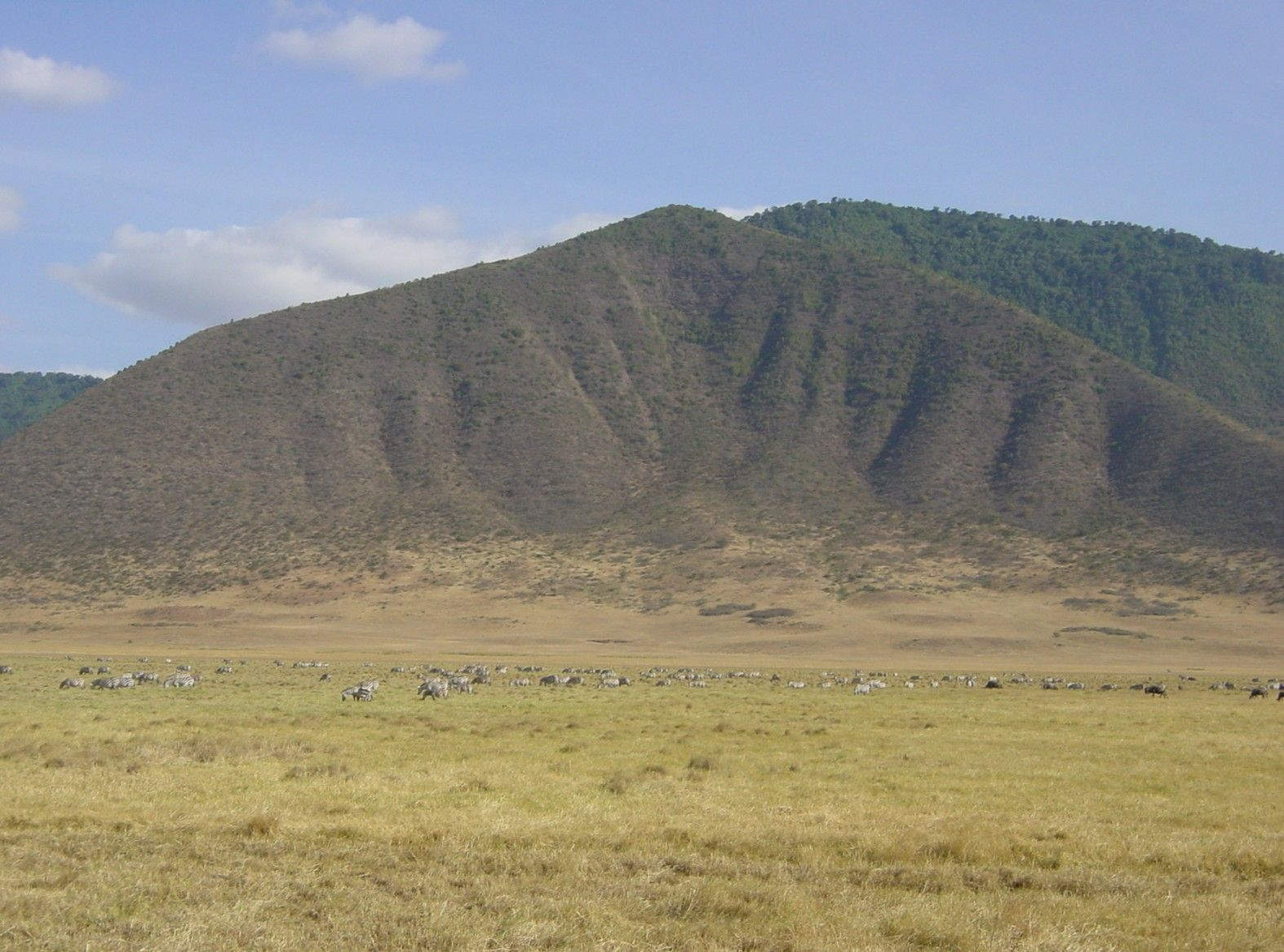
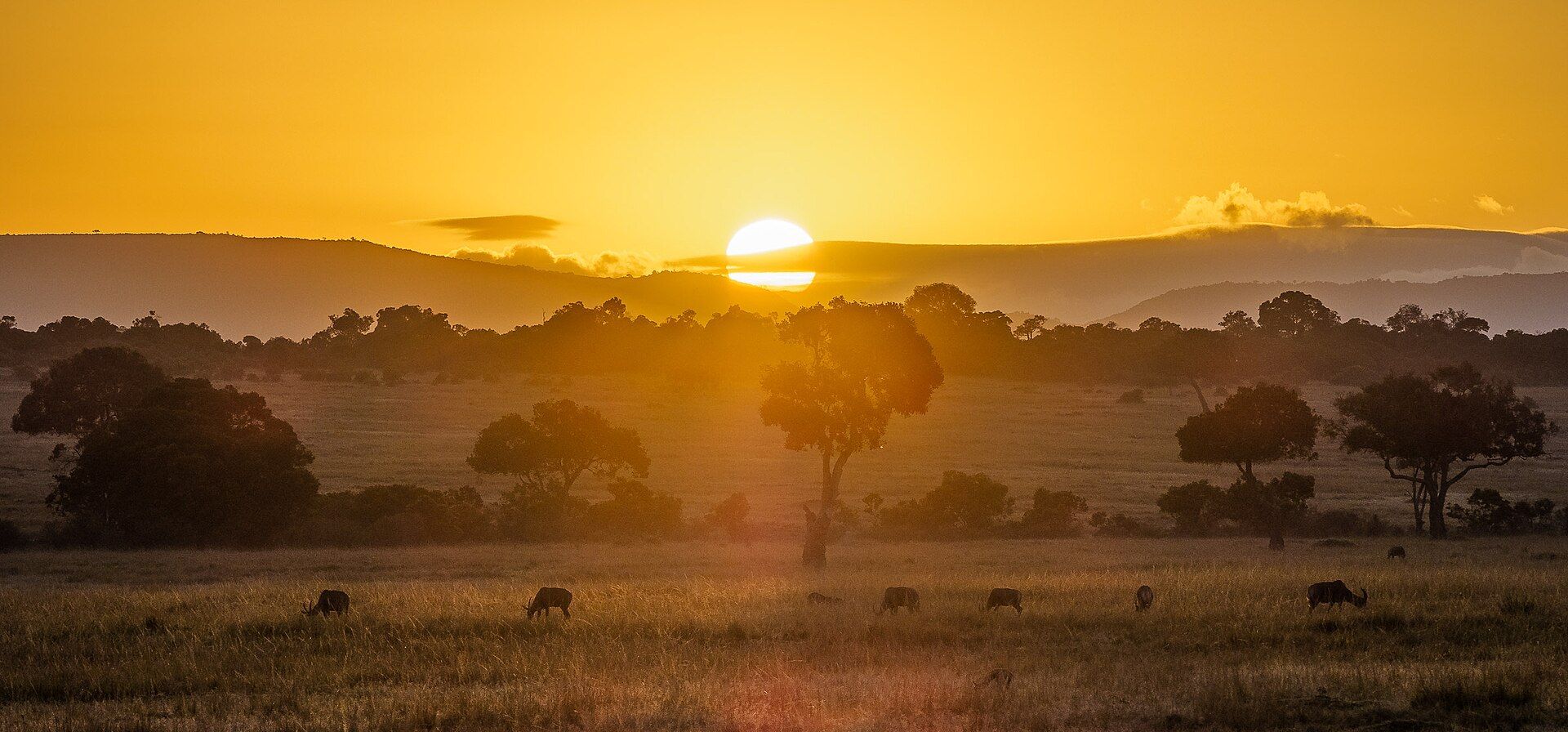
The Serengeti is open grassland where some 1.3 million wildebeest, with zebra and gazelle, follow the rains in a year-round circuit pursued by lions, cheetahs, hyenas and crocodiles. You see it from a safari vehicle with a licensed guide, and the question is not whether there is wildlife but where the herds are on your dates.
Okavango Delta
Silent water safari in the desert
Up to ~15,000 km² of shifting inland delta in northern Botswana, run on a high-value, low-volume model of fly-in camps; UNESCO World Heritage Site and Ramsar wetland.
- Mokoro and walking safaris, not just game drives
- Very low visitor numbers by design
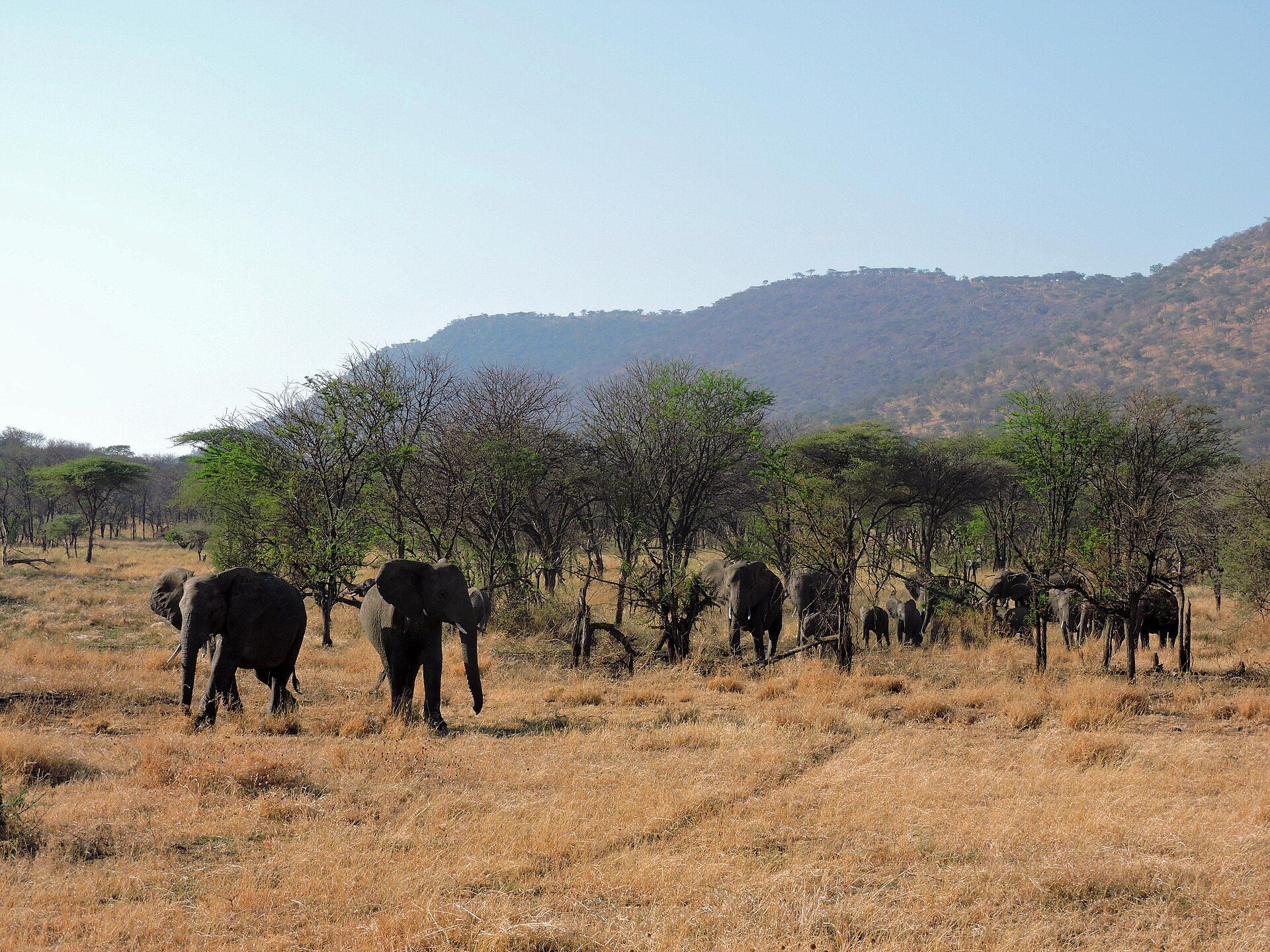
- Elephants, hippos, red lechwe and wild dogs at the water
Serengeti
The Great Migration
Around 30,000 km² of plains in northern Tanzania hosting the greatest land-mammal migration on Earth, with big cats and river crossings; UNESCO World Heritage Site.
- Herds to the horizon and big cats on the hunt
- Wildlife year-round, timed to the migration
- Pairs easily with Ngorongoro on the road from Arusha
Head to head
| What matters | Okavango Delta | Serengeti |
|---|---|---|
| The experience Edge: Toss-up | Poled through papyrus channels in a mokoro, on walking safaris, by motorboat or 4x4 depending on the water. | Game drives in a safari vehicle; you stay in the vehicle except at designated spots. Dawn balloon flights over the plains. |
| Wildlife spectacle Edge: Serengeti | Wildlife concentrated around the flood: elephants, hippos, lions, wild dogs, red lechwe and hundreds of bird species. | Some 1.3 million wildebeest with zebra and gazelle, and the predators that follow them, including crocodiles at the river crossings. |
| Best time Edge: Serengeti | May–September, when the flood arrives in the dry winter and concentrates wildlife; how far it reaches varies year to year. | Year-round: calving on the southern plains around January–March; river crossings in the north around July–October; dry season June–October concentrates wildlife at water. |
| Crowds Edge: Okavango Delta | Very low by design; small camps, and you may see no other party all day. | Vehicles cluster at lion and leopard sightings and at the river crossings; the northern and western sectors are far emptier. |
| Getting there Edge: Okavango Delta | Fly to Maun, then a light aircraft of roughly 15–45 minutes to your camp's airstrip; soft bags and low weight limits. | Fly to Kilimanjaro and overnight in Arusha, then 7–8 h by road via the Ngorongoro highlands or about 1h–1h30 by light aircraft. |
| Booking Edge: Toss-up | Fly-in camps booked months ahead; there is no turning up and sorting it out in Maun. | Nearly everyone visits on an organised safari with a licensed guide; park fees are charged per person per day, normally bundled by the operator. |
| Time needed Edge: Toss-up | Three nights or more at a camp. | 3–4 days minimum; a week to follow the herds. |
| Health Edge: Toss-up | Malaria prophylaxis on travel-clinic advice; no swimming — hippo and crocodile. | Malaria prophylaxis on travel-clinic advice; a yellow fever certificate may be required depending on your routing. |
Which should you choose?
Choose Okavango Delta if…
…you want an intimate, quiet safari on water — mokoro mornings, walking with a guide, and few other people — and can travel in the May–September flood season.
Choose Serengeti if…
…you want the sheer scale of the migration and the predators around it, at almost any time of year, and are happy to follow the herds from a vehicle.
The honest verdict
The Serengeti is the bigger spectacle: herds to the horizon and the drama of river crossings. Because the migration is a circuit, ask your operator where the animals actually are for your dates — calving and the crossings fall in different months and different parts of the ecosystem.
The Okavango is the quieter, more intimate safari. The counterintuitive part is the timing: the flood arrives in the dry winter, so May–September is when the channels fill and the wildlife gathers. Book the camps months ahead.
For a first safari built around big numbers, choose the Serengeti. For a slower trip on water with almost no crowds, choose the Okavango.
Wonders mentioned here
Added