Head to head · Luzon's highest vs the Philippines' highest
Mount Pulag vs Mount Apo: Which Philippine Peak Should You Climb?
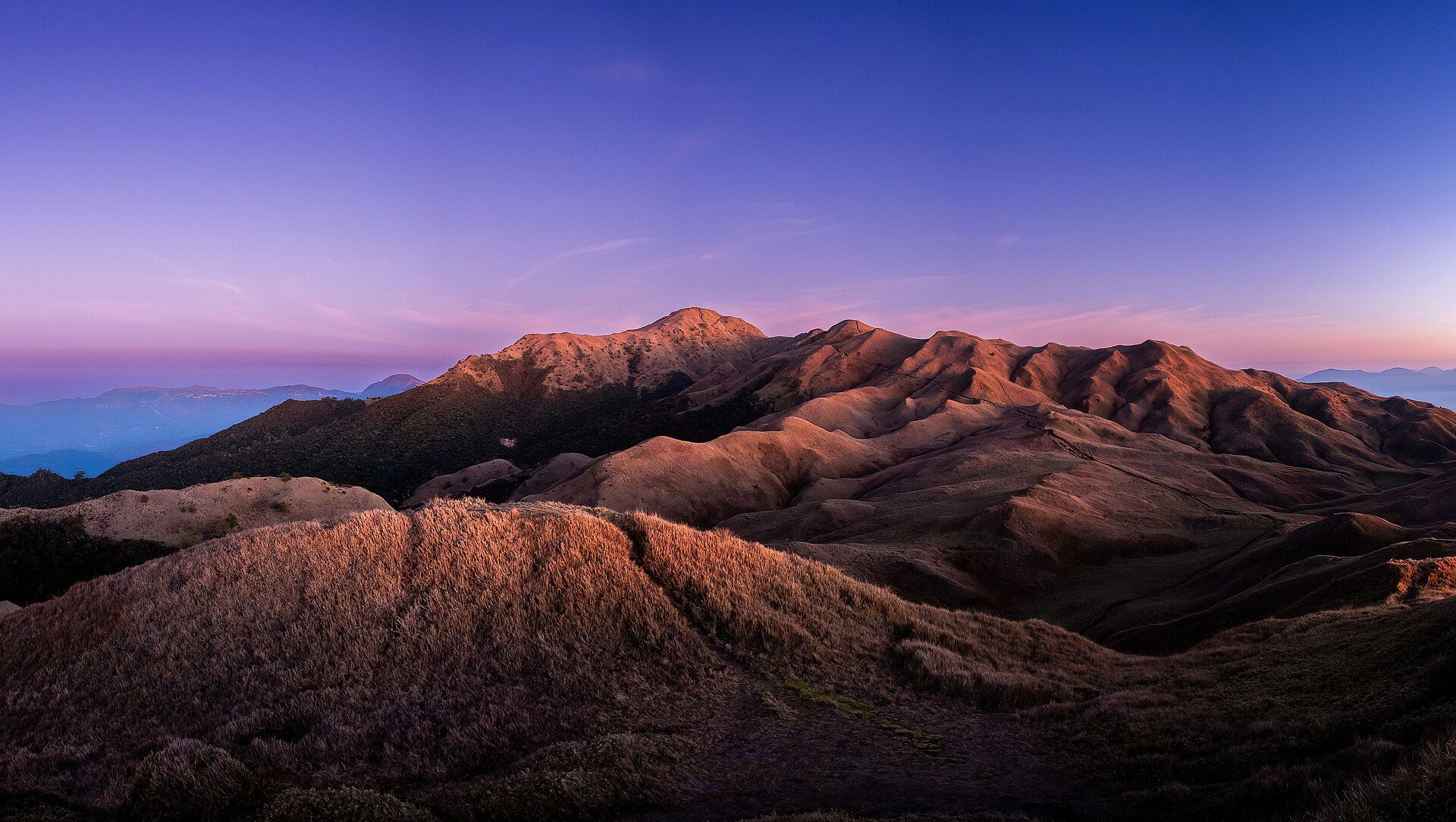
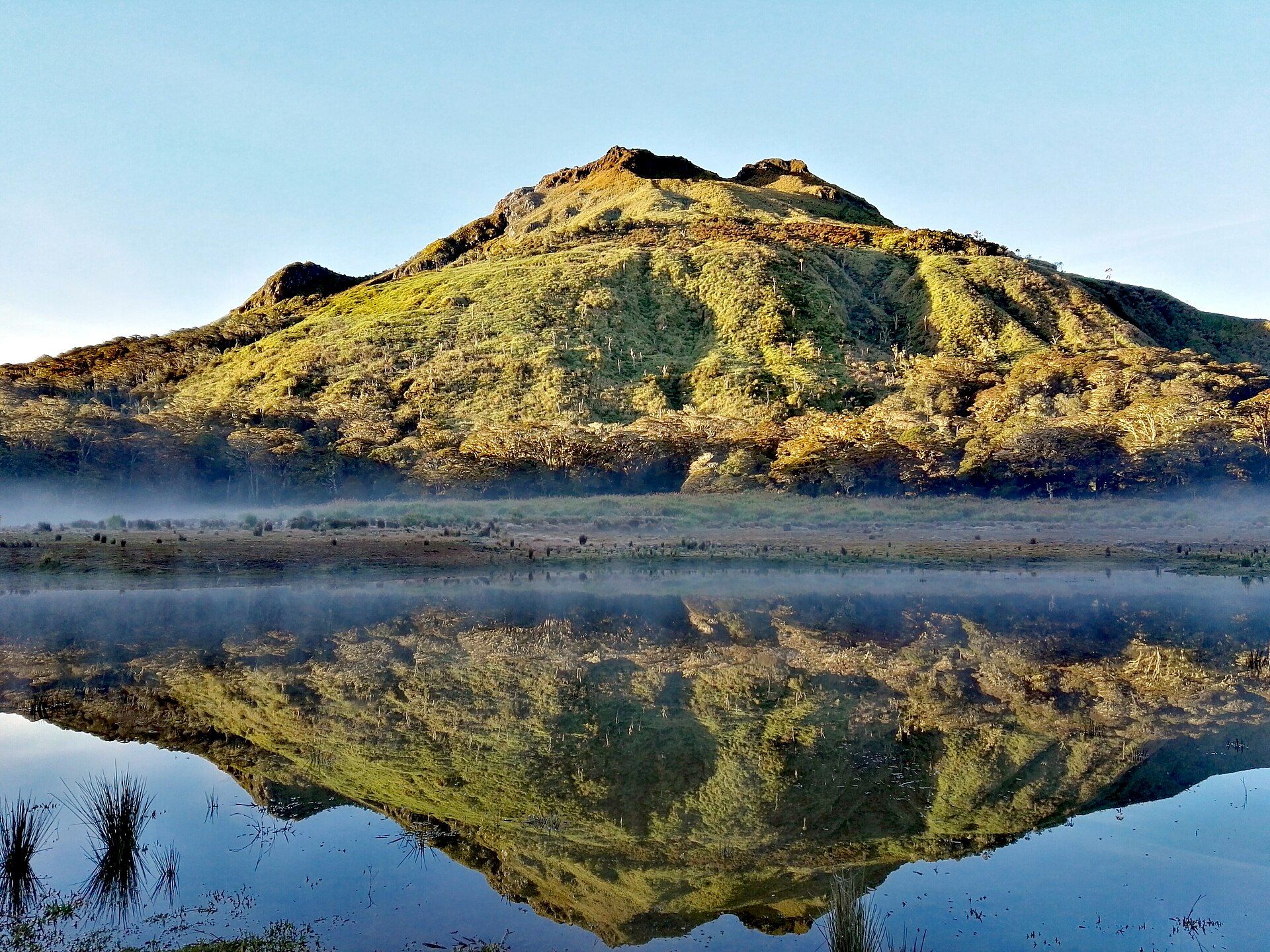
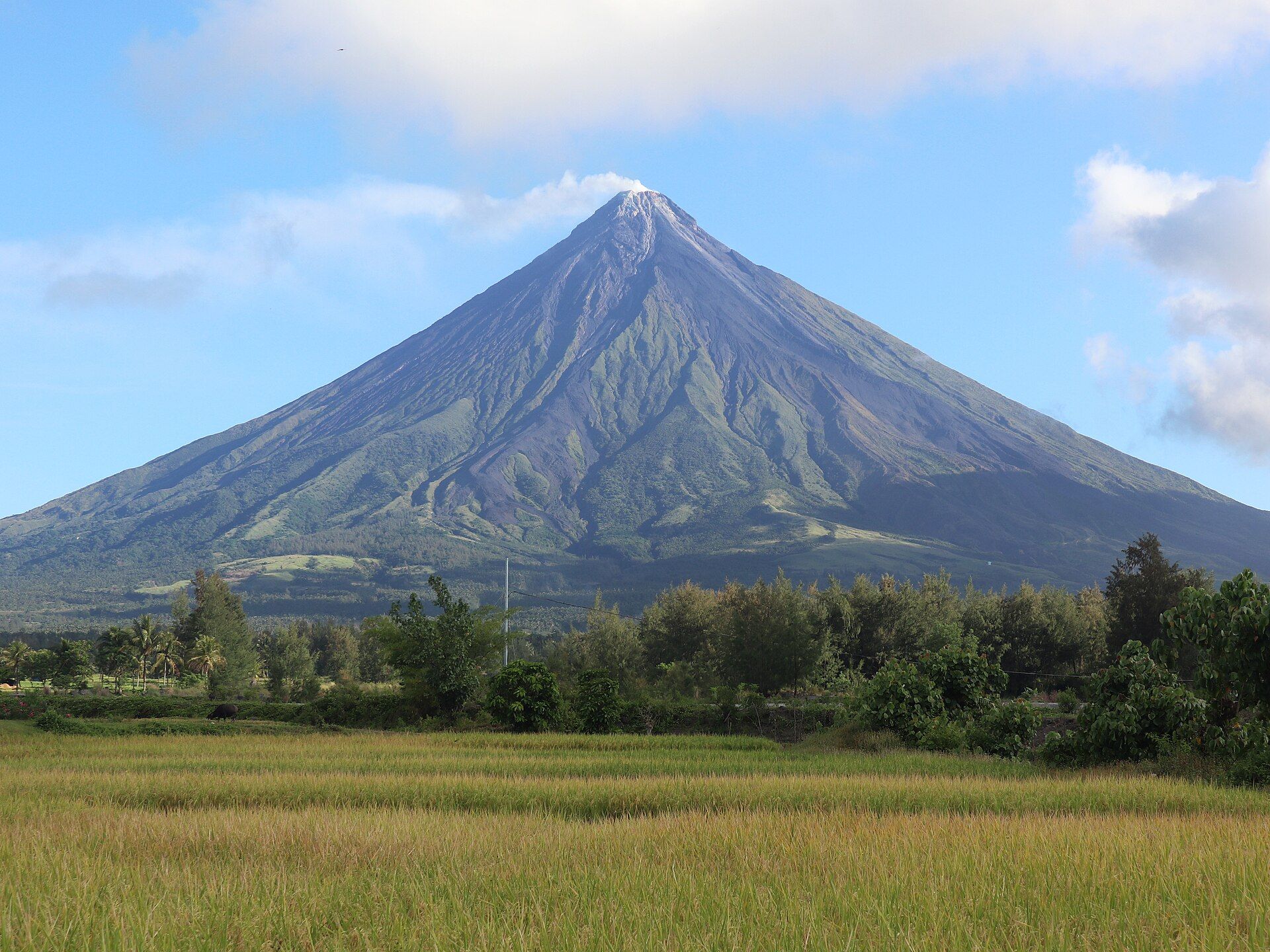
Mount Apo and Mount Pulag are the two summits every Filipino hiker eventually weighs up, and they are only 32 metres apart in height. Apo, in Mindanao, is the highest mountain in the Philippines at 2,954 metres — a potentially active stratovolcano climbing from lowland rainforest through mossy cloud forest to a summit of boulders and fumaroles, and a refuge for the critically endangered Philippine eagle. Pulag, in Benguet, is Luzon's highest at 2,922 metres and the third-highest in the country, famous for the dawn sea of clouds seen from its dwarf-bamboo grassland summit.
The practical difference is effort. Pulag's easiest route, Ambangeg, is an overnight climb: roughly 4–5 hours to camp, then a pre-dawn push to the summit. Apo takes 2–4 days depending on the trail, ends with an exposed boulder face of loose volcanic rock, and needs strict water discipline above the last river crossing. Both require registration, an accredited guide and a medical certificate, both cap visitor numbers, and both close periodically for rehabilitation.
Mount Pulag
Sunrise over a sea of clouds
Mount Pulag National Park in the Cordillera: a mossy-forest-to-grassland transition with endemic species such as the Luzon dwarf cloud rat, and cold, frosty dawns.
- Overnight climb on the Ambangeg trail
- The famous sea of clouds
- Reachable from Baguio
Mount Apo
The roof of the Philippines
Mount Apo Natural Park and ASEAN Heritage Park in Mindanao: lakes such as Venado, sulfur springs, pitcher plants and orchids, and habitat for the Philippine eagle.
- The country's highest summit
- Volcanic summit with fumaroles
- A true multi-day trek
Head to head
| What matters | Mount Pulag | Mount Apo |
|---|---|---|
| Height Edge: Mount Apo | 2,922 m — the highest on Luzon, third-highest in the Philippines. | 2,954 m — the highest point in the Philippines. |
| Time on the mountain Edge: Mount Pulag | Overnight minimum — camp, then summit at sunrise. | 2–4 days: typically 3–4 via Kidapawan, 2–3 via Kapatagan. |
| Terrain Edge: Mount Pulag | Muddy forest trail giving way to an open, wind-exposed grassland ridge. | Long forest ascents, a wet mossy section, then a loose boulder field below the summit; sulfur vents near the top. |
| Getting there Edge: Toss-up | Bus Manila → Baguio (about 5–7h), then about 4–5h by jeepney or van to the ranger station. | Fly to Davao, then about 2–3h by road to Kidapawan, Digos or Kapatagan. |
| Permits Edge: Toss-up | DENR registration, a mandatory orientation, a medical certificate and an accredited guide; daily numbers capped. | Registration with the LGU for your trail, an accredited guide, a recent medical certificate and, on some routes, a daily quota. |
| Best season Edge: Toss-up | December–February for the sea of clouds and clear, cold dawns. | March–May, the drier months, for safer trails and clearer summits. |
| Cold Edge: Toss-up | Regularly approaches freezing and has recorded frost; hypothermia is the real risk. | The summit and Lake Venado camps drop close to freezing. |
| Wildlife Edge: Mount Apo | Montane species including the endemic Luzon dwarf cloud rat. | Philippine eagle habitat, endemic birds, pitcher plants and orchids. |
| Crowds Edge: Toss-up | Summit can be crowded at sunrise on weekends and holidays, despite the cap. | Busy in the dry season and on long weekends, when quotas fill; quiet otherwise. |
Which should you choose?
Choose Mount Pulag if…
…you want a first high Philippine summit in one night, a sunrise over the clouds, and a trip you can do from Manila via Baguio over a long weekend.
Choose Mount Apo if…
…you have 3–4 days and the fitness for a real multi-day trek, want the country's highest point, and are drawn to volcanic terrain and Mindanao's forests.
The honest verdict
For a first big Philippine climb, Pulag is the easier choice: one night on the mountain, a gentler trail and the country's most famous sunrise — though the sea of clouds needs the right inversion, and many people summit into blank cloud.
Apo is the harder, longer and more varied trek, and the one to do if you want the highest point in the Philippines. The boulder face and water rationing make it a step up from Pulag.
Both close periodically for rehabilitation and both cap numbers, so confirm the current status with DENR (Pulag) or the trail's LGU tourism office and DENR (Apo) before booking travel. Pack genuine cold-weather gear and a cold-rated sleeping bag for either.
Wonders mentioned here
Added