Head to head · Europe's roof vs Africa's roof
Mount Elbrus vs Kilimanjaro: Which Is Harder to Climb?
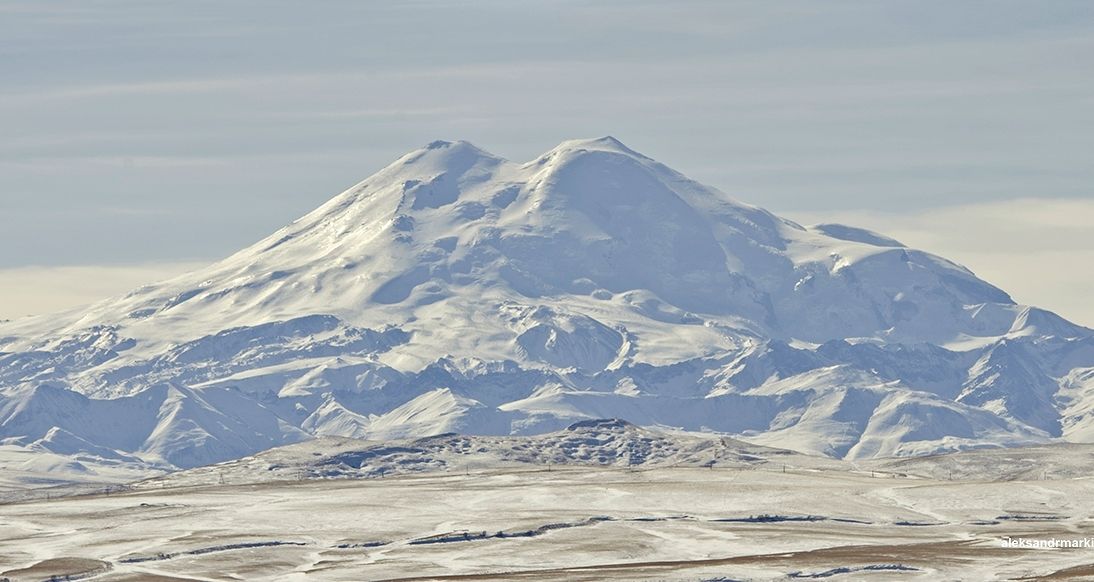
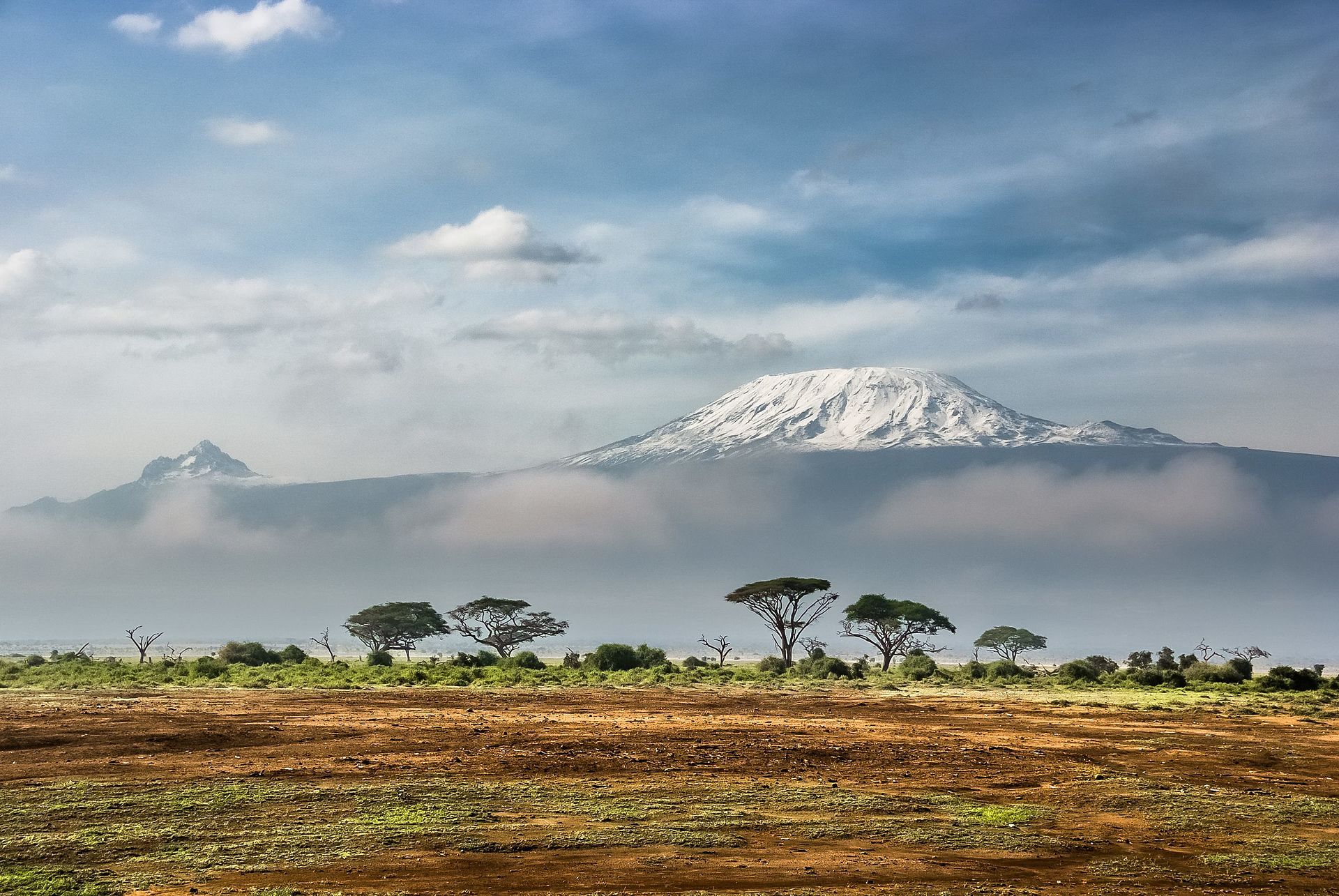
Elbrus and Kilimanjaro are the two Seven Summits most people try first, and both are dormant volcanoes rather than jagged rock peaks. Kilimanjaro is the higher of the two at 5,895 metres — the tallest free-standing mountain on Earth, rising alone from the Tanzanian plains. Elbrus, in Russia's northern Caucasus, reaches 5,642 metres: a broad, snow-smothered dome with two cones and some 22 glaciers flowing off its flanks.
The short answer to which is harder: Kilimanjaro is higher, but Elbrus is the more serious climb. Kilimanjaro is a walk-up — no technical gear, with porters carrying your kit — where altitude is what turns people back. Elbrus is on snow the whole way from the huts and needs crampons, an ice axe, a harness and rope, and its weather turns violently fast; the mountain claims lives most years, mostly through storms, whiteout navigation and altitude.
Mount Elbrus
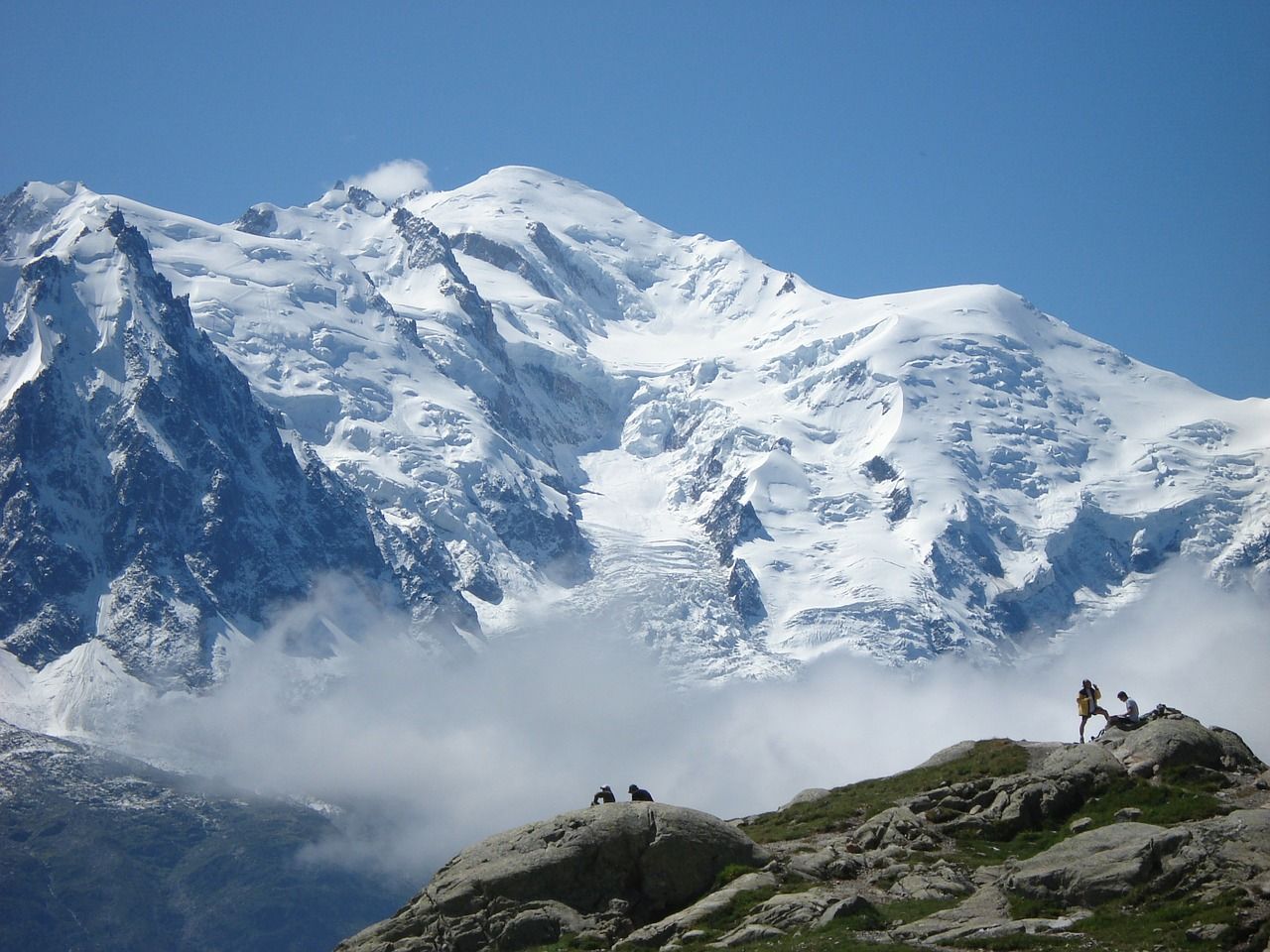
Glacier climb on Europe's highest peak
A dormant twin-coned stratovolcano in Kabardino-Balkaria, Russia; cable cars lift climbers to Garabashi at about 3,850 m, then a summit push of typically 10–14 hours return on snow.
- Cable cars to about 3,850 m
- A real glacier-mountaineering apprenticeship
- Short summer window, June–September
Kilimanjaro
The great walk-up summit
A dormant volcano with three volcanic centres (Kibo, Mawenzi, Shira) in northern Tanzania, climbed over 5–9 days through rainforest, heath and alpine desert to an arctic summit, with licensed guides and porters.
- No technical gear needed
- Five climate zones in under a week
- Two dry windows a year
Head to head
| What matters | Mount Elbrus | Kilimanjaro |
|---|---|---|
| Height Edge: Kilimanjaro | 5,642 m — the highest peak in Europe. | 5,895 m — the highest in Africa and the tallest free-standing mountain on Earth. |
| Technical difficulty Edge: Kilimanjaro | Snow the whole way from the huts: crampons, ice axe, harness and rope, and the competence to use them. | Non-technical trekking on trails and scree; you carry only a daypack. |
| Main danger Edge: Toss-up | Sudden storms, whiteout on the featureless saddle, extreme cold and wind on the summit plateau. | Altitude sickness — summit success tracks the number of days you spend acclimatising. |
| Time needed Edge: Toss-up | 7–9 days including acclimatisation. | 6–9 days on the mountain; the eight- and nine-day routes succeed far more often. |
| Getting there Edge: Kilimanjaro | Fly to Mineralnye Vody, then about 3–4 hours by road to Terskol in the Baksan valley. | Fly to Kilimanjaro International (JRO), then 45 minutes to an hour to Moshi. |
| Permits and rules Edge: Toss-up | A Russian border-zone permit, applied for through your operator weeks ahead; climbs go through licensed operators with guides. | Independent climbing is not permitted; licensed operators, registered guides and porters, and park fees collected through them. |
| Best season Edge: Kilimanjaro | June–September; busiest in July and August. | January–March and June–October. |
| Travel advice Edge: Kilimanjaro | Travel advice for Russia has changed substantially in recent years; insurance, payments and consular support may be affected. | No comparable restriction noted; choose an operator that treats guides and porters fairly. |
| Non-climbers Edge: Toss-up | Ride the cable cars to the glacier line for the Caucasus view. | See the snow-capped summit across the savanna from the plains, as in the classic Amboseli view. |
Which should you choose?
Choose Mount Elbrus if…
…you already have (or want to build) glacier skills — crampons, axe, rope and whiteout navigation — want a shorter approach thanks to the cable cars, and have checked your government's current Russia travel advice and your insurer's position.
Choose Kilimanjaro if…
…you want the higher summit without technical climbing, are willing to pay for two extra acclimatisation days, and want the journey from rainforest to arctic summit as much as the top itself.
The honest verdict
For a first high summit, Kilimanjaro is the easier and more accessible choice: higher, but non-technical, with two dry seasons a year and porters doing the carrying. Choose a longer route — altitude, not fitness, is what stops people.
Elbrus is lower but more dangerous. It is a straightforward snow plod in good weather and a killer in bad, so it suits climbers who are comfortable on glaciers, can navigate in whiteout and will honour a hard turnaround time.
Many Seven Summits climbers do Kilimanjaro first to learn how they handle altitude, then Elbrus to learn snow and ice. Before booking Elbrus, check your own government's current travel advice for Russia; for both, take park fees and permit details from your operator, not an old blog.
Wonders mentioned here
Added