Head to head · East Africa's two flamingo soda lakes
Lake Natron vs Lake Nakuru: Where to See Flamingos in East Africa
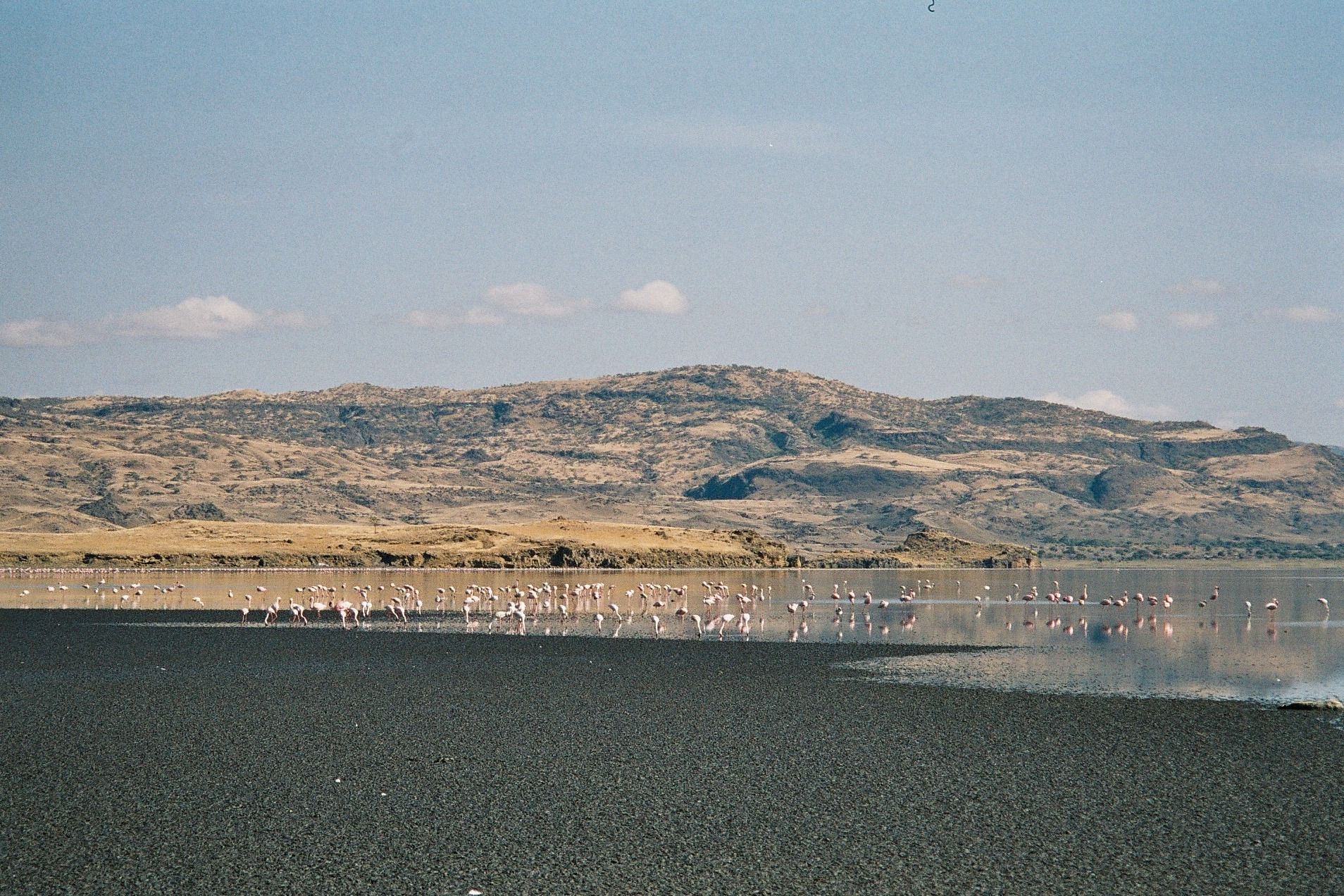
Lake Natron and Lake Nakuru are both shallow, alkaline soda lakes on the floor of the Great Rift Valley with no outlet, and both are famous for flamingos. They make very different trips. Natron, in northern Tanzania near the Kenyan border, is a caustic lake stained red by salt-loving microbes, where around three-quarters of the world's lesser flamingos are born — but it is a long, rough drive from Arusha and the birds are usually a distant mass on the salt flats.
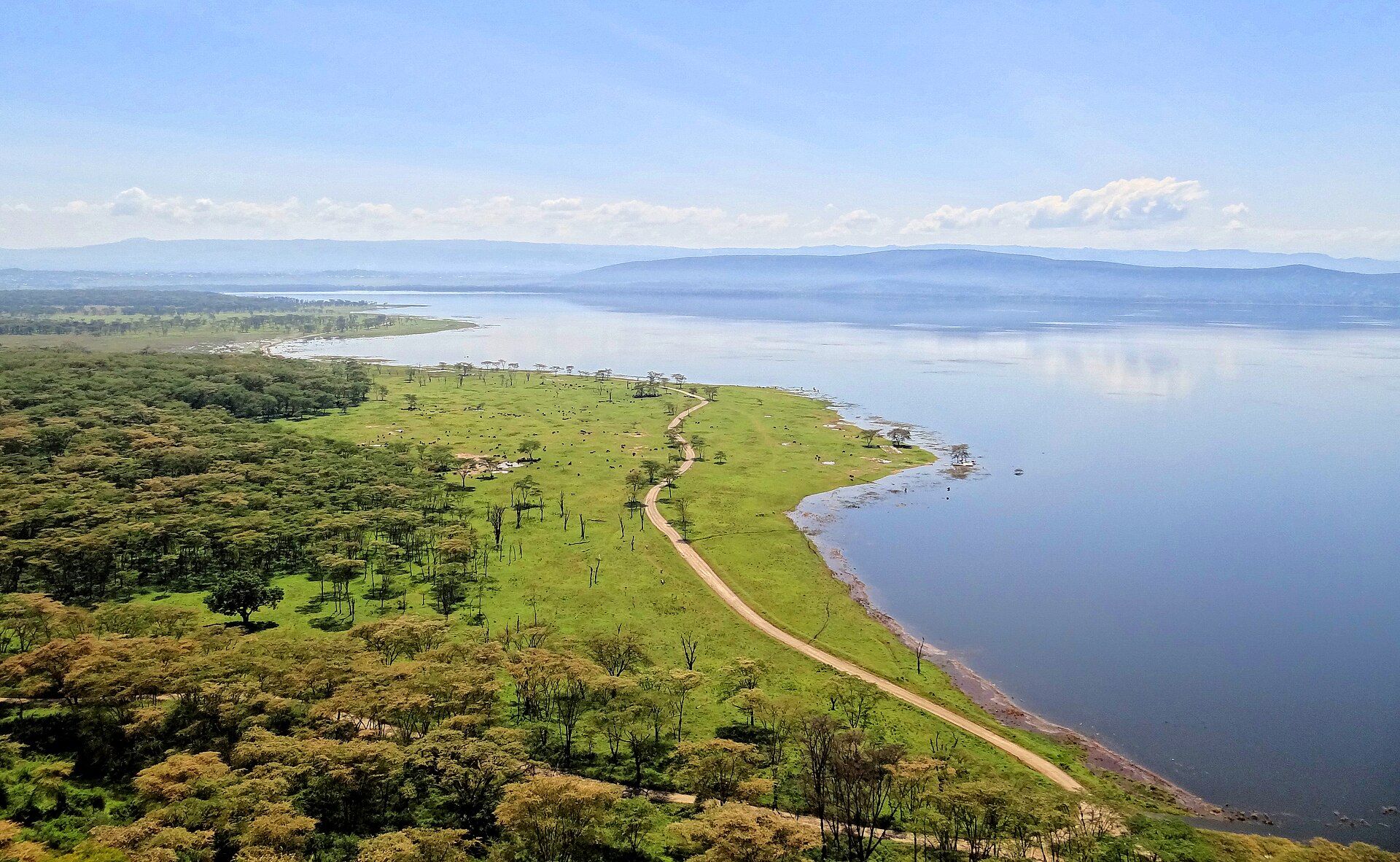
Nakuru, in central Kenya, is a national park about 2.5–3 hours by road from Nairobi. Its flamingos once gathered in millions and now come and go with the lake level, but the park around the lake is a fenced rhino sanctuary with black and white rhinos, lions, leopards and the rare Rothschild's giraffe, explored on game drives.
Lake Natron
A blood-red soda lake and the lesser flamingo's main nursery
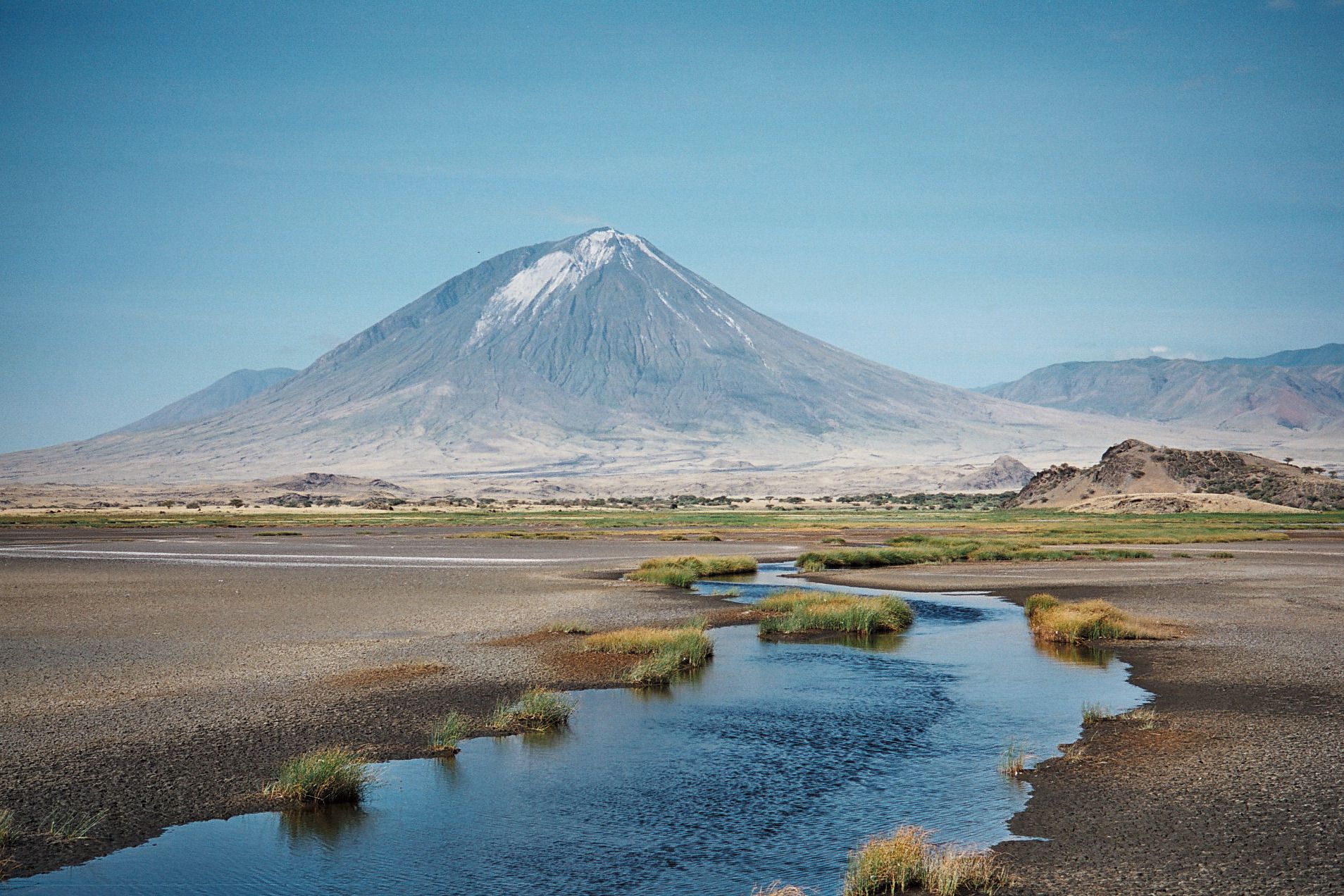
Fed by mineral-rich hot springs, Lake Natron concentrates sodium carbonate until its water is strongly alkaline and can run scalding in the shallows. Almost nothing survives in it, which is why lesser flamingos nest on its salt islands, safe from predators. Ol Doinyo Lengai, the only volcano on Earth that erupts carbonatite lava, rises beside it. The lake is a Ramsar site; community and conservation fees are collected locally and a local guide is required for the lakeshore.
- The breeding ground for about 75% of the world's lesser flamingos
- A red-and-white salt landscape under an active volcano — nothing else looks like it
- Very few visitors; the rough road filters people out
Lake Nakuru
Flamingos, rhinos and giraffe around one small lake
Lake Nakuru's warm alkaline water grows blooms of algae that feed flamingos and pelicans. The national park around it is fenced to protect rhinos and packs in lions (sometimes in the acacias), leopards and Rothschild's giraffe, with the classic view of the whole lake from Baboon Cliff. It is part of the Kenya Lake System World Heritage site, with lodges and campsites in and around the park.
- Both black and white rhinos, plus lions, leopards and Rothschild's giraffe
- An easy half-day drive from Nairobi, with lodges and good facilities
- Flamingos and pelicans on the water when the lake level suits them
Head to head
| What matters | Lake Natron | Lake Nakuru |
|---|---|---|
| Flamingos Edge: Toss-up | The main breeding ground of the lesser flamingo, but you see a distant, heat-hazed mass; numbers swing hugely with water level and season, and you must keep back from nesting colonies. | Once millions on the shoreline; numbers now rise and fall with the lake level, and no season guarantees the pink shore. |
| Other wildlife Edge: Lake Nakuru | Little beyond the birds — the lake is deadly to most life. | A fenced sanctuary with black and white rhinos, lions, leopards, Rothschild's giraffe and pelicans. |
| Scenery Edge: Lake Natron | Red and orange shallows, white salt crust and Ol Doinyo Lengai's cone; best from the air or in low sun. | A pink-fringed lake ringed by acacia forest, cliffs and euphorbia, seen whole from Baboon Cliff. |
| Getting there Edge: Lake Nakuru | Arusha → Lake Natron, roughly 4–6 hours on rough track that floods easily; often folded into a Serengeti or Ngorongoro circuit. | Nairobi → Nakuru, about 2h30–3h by road, then into the park by safari vehicle. |
| Conditions Edge: Lake Nakuru | Extreme heat with no shade; the water is caustic and can burn skin, so never wade in. | Game-drive tracks, hot by day and cool at dawn; inside roads can be rough after rain. |
| Facilities Edge: Lake Nakuru | A handful of simple camps at Engare Sero, nothing else. | Lodges, campsites and picnic sites in and around the park; Nakuru town nearby. |
| Best months Edge: Toss-up | The dry season, roughly June–October, for passable tracks; breeding depends on water levels and shifts year to year. | The drier months — roughly June–March, with a break in the long rains — for easier game viewing. |
| Time needed Edge: Lake Nakuru | 1–2 nights; longer to climb Ol Doinyo Lengai, an overnight ascent that depends on the volcano's current activity. | A full day or one overnight for game drives. |
Which should you choose?
Choose Lake Natron if…
…you want one of Africa's strangest landscapes and the flamingo's main nursery, are already on a northern Tanzania circuit, and can handle heat, rough roads and basic camps.
Choose Lake Nakuru if…
…you want flamingos as part of a classic, easy safari — rhinos, big cats and giraffe — within a few hours of Nairobi.
The honest verdict
Choose Lake Nakuru for an easy, rewarding safari day. It is a short drive from Nairobi, has lodges and good roads by Rift Valley standards, and even when the flamingos are few, the rhinos, lions, leopards and Rothschild's giraffe make the visit. Go early or late for light and activity.
Choose Lake Natron for the landscape and the scale of the flamingo nursery. It is hot, remote and uncomfortable, and the birds are usually a distant shimmer rather than a close encounter — but a blood-red lake beneath an active volcano, with flamingos massing on the salt, is unlike anywhere else. Go in the dry season with a driver who knows the track.
Neither lake can promise flamingos on a given date; both depend on water levels. If birds are the only point, ask local operators about current numbers before you commit.
Wonders mentioned here
Added