Head to head · Scotland's wild island or the islands between Iceland and Norway
Isle of Skye vs Faroe Islands: Which North Atlantic Island Trip Should You Choose?
The Isle of Skye and the Faroe Islands are the two names that come up when people want green, wind-blown North Atlantic scenery with sea cliffs and waterfalls. They share the moody weather, but differ in access, crowds and effort. Skye is one island off Scotland's west coast, linked to the mainland by a bridge, with jagged mountains, surreal rock formations and busy honeypot car parks. The Faroes are eighteen islands between Iceland and Norway, reached by a flight to Vágar, where you meet very few people but much of the land is private.
The rule that most changes plans: on Skye, Scottish access rights let you walk almost anywhere. In the Faroes, several famous walks cross private farmland where the landowner charges a fee or requires a guide.
Isle of Skye
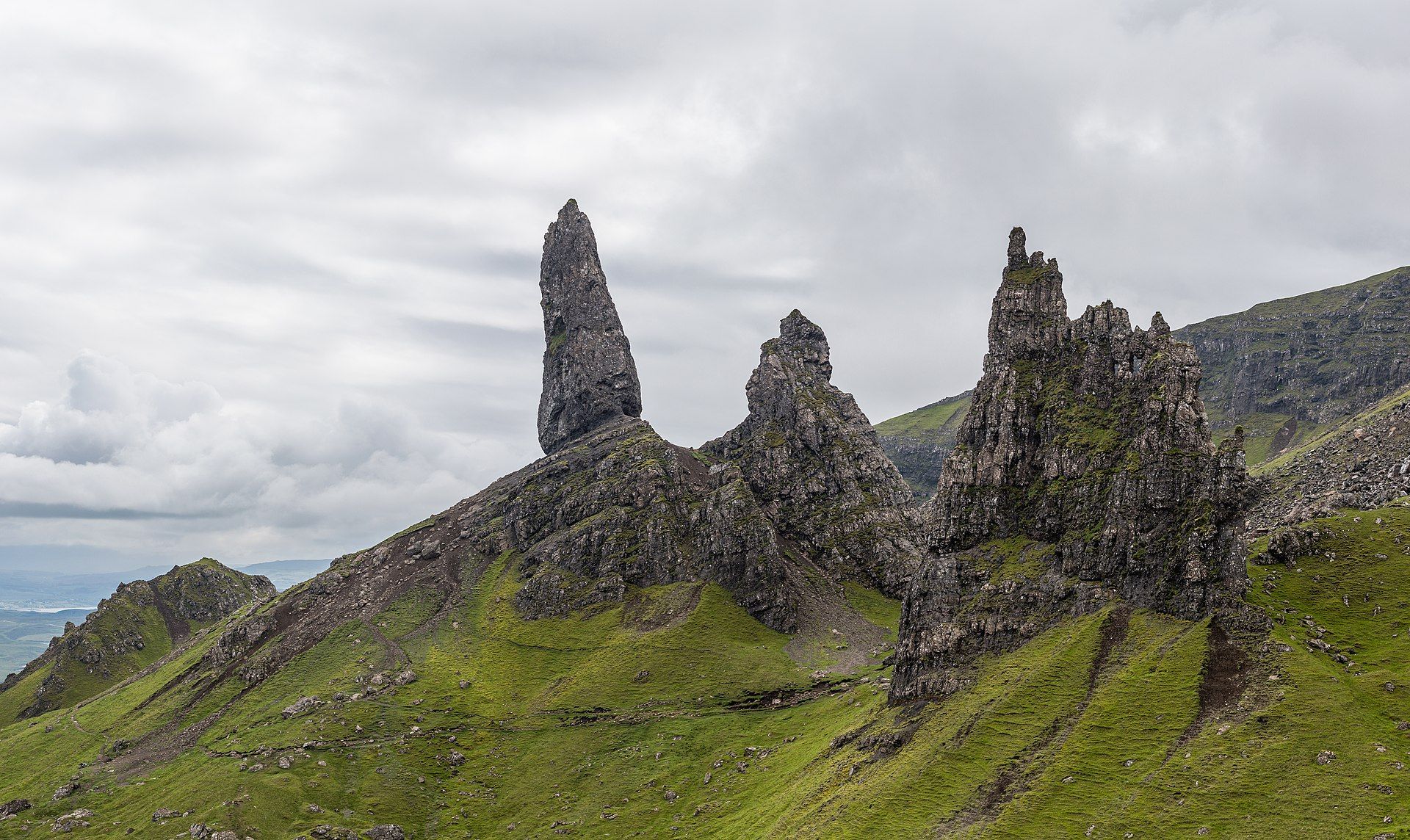
Black Cuillin peaks, the Quiraing and the Old Man of Storr
Skye's spine is the Cuillin, a ridge of jagged black gabbro peaks to about 992 m and the most demanding mountain terrain in Britain. Elsewhere are the pinnacles of the Quiraing, the spire of the Old Man of Storr, the basalt columns and waterfall of Kilt Rock and the pools beneath the mountains. It is a National Scenic Area, reached by the Skye Bridge, about 2h30–3h by road from Inverness.
- Drive there: the Skye Bridge links it to the mainland
- Open access to walk almost anywhere under Scottish access rights
- Serious mountains as well as short walks to famous viewpoints
Faroe Islands
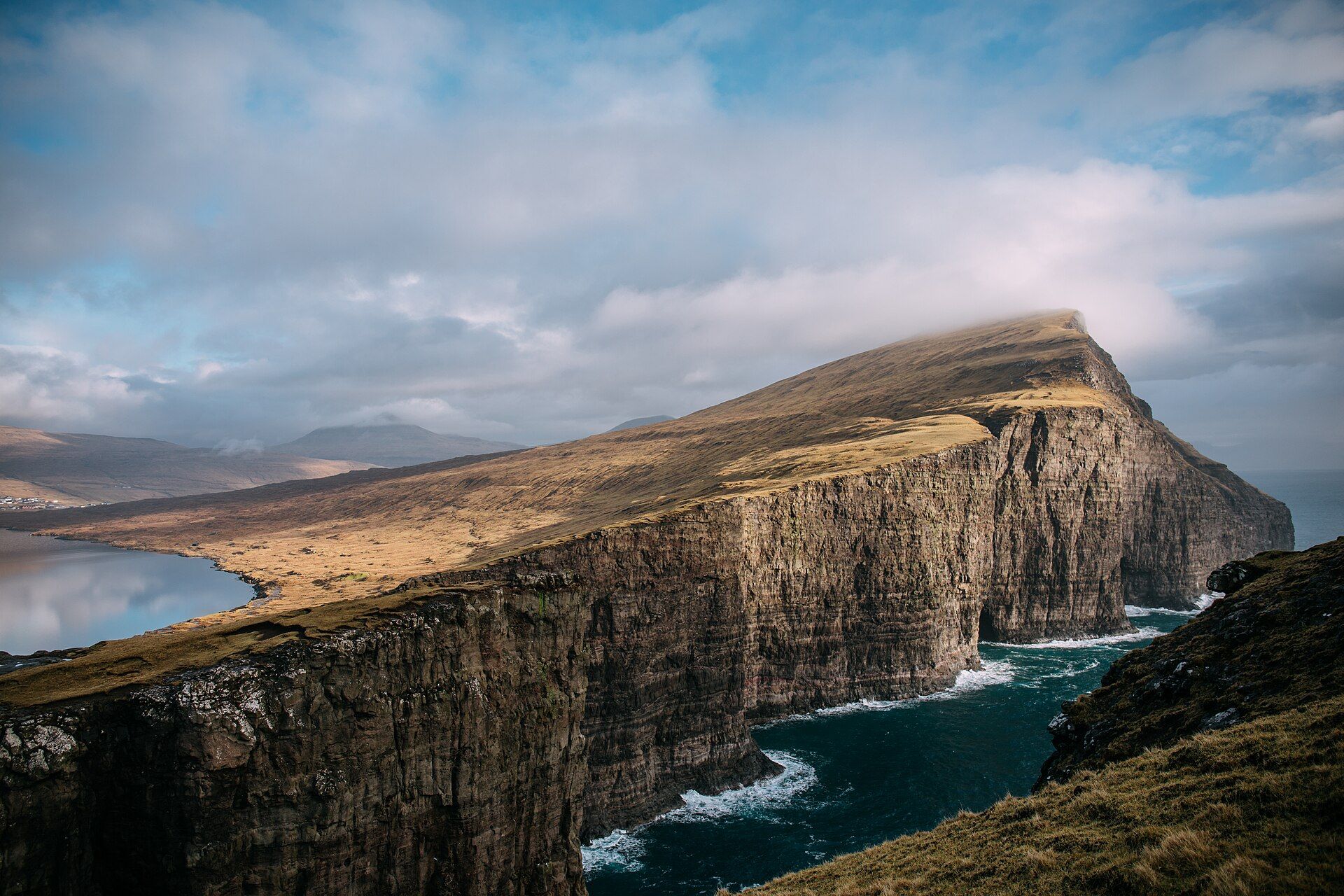
Eighteen islands of sea cliffs, sheep and waterfalls
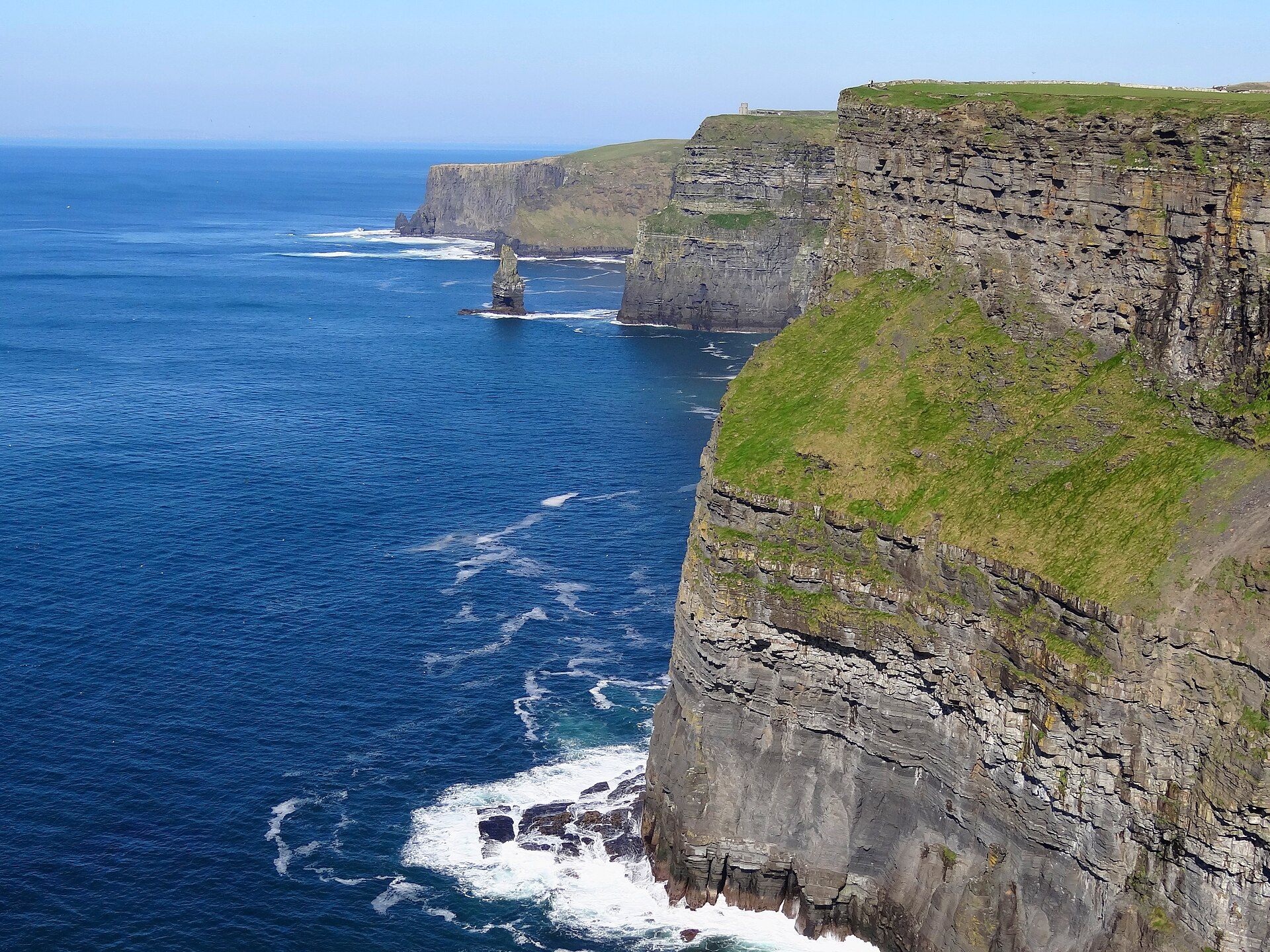
The Faroes are eighteen steep, treeless islands between Iceland and Norway, where layered basalt cliffs drop hundreds of metres into the sea and waterfalls pour off the tops straight into the ocean. Landmarks include Sørvágsvatn, the lake that seems to hang above the sea, the sea stacks of Drangarnir and turf-roofed villages. Sub-sea tunnels, roads and small ferries link the islands. Vágar airport is about 2h–2h15 from Copenhagen or Edinburgh.
- Very few people anywhere, even at the famous viewpoints
- Waterfalls falling straight into the Atlantic
- Puffins on the nesting cliffs in summer
Head to head
| What matters | Isle of Skye | Faroe Islands |
|---|---|---|
| The scenery Edge: Toss-up | Mountains and rock: the jagged Cuillin, the Quiraing's toppling pinnacles, the Old Man of Storr. | Sea cliffs and water: basalt walls straight into the ocean, waterfalls off the tops, and Sørvágsvatn above the sea. |
| Hiking access Edge: Isle of Skye | Open access under Scottish access rights, with charged car parks at the Quiraing, the Storr and the Fairy Pools. Some estates ask walkers to avoid the hills in the autumn deer-stalking season. | Almost all land is privately owned. Kallur lighthouse, Sørvágsvatn and Drangarnir cross farmland where a fee or a guide is required, and the arrangements change from year to year. |
| Crowds Edge: Faroe Islands | The Storr and Fairy Pools car parks fill from mid-morning in summer; walk half an hour and the crowds vanish. | Very few people anywhere; a famous viewpoint gets busy for an hour when a tour arrives, then empties. |
| Getting there Edge: Isle of Skye | Fly to Inverness or Glasgow and drive: 2h30–3h from Inverness, about 5h from Glasgow. Island roads are slow and single-track. | Fly Copenhagen or Edinburgh to Vágar (2h–2h15), hire a car; Tórshavn is about 45 minutes via the sub-sea tunnel. |
| Time needed Edge: Isle of Skye | 3–4 days; a week if you want the Cuillin too. | 5–7 days, deliberately allowing for weather. |
| Weather and season Edge: Toss-up | Best May–September for long days and walking; expect rain, wind and summer midges. | Best May–August for the mildest weather, long days and nesting puffins; wind, rain and sudden fog in any season. |
| Difficulty Edge: Toss-up | Wet, boggy, eroded paths to the viewpoints. The Cuillin ridge is mountaineering, not hillwalking. | Steep wet grass, unmarked routes and fog. Distances are short but the going is slow. |
Which should you choose?
Choose Isle of Skye if…
…you want to drive there, walk freely without hike fees, have three or four days, and want mountains and rock formations as well as coast.
Choose Faroe Islands if…
…you want sea cliffs and waterfalls with almost no one else around, can give it five days or more, and don't mind paying for or booking some walks.
The honest verdict
Choose Skye for an easier, more flexible trip. You can drive there, walk almost anywhere without a fee and see a great deal in three or four days. The cost is crowds at the famous car parks in summer — go early, or walk half an hour beyond them.
Choose the Faroes for solitude and the sea. The cliffs and waterfalls dropping straight into the Atlantic are the more dramatic coastal scenery, and you will share them with few people. Plan for the private-land rules: check each hike's current fee or guide requirement, and leave spare days for fog.
Both are at their best from May to August or September, and in both the weather decides the day. Bring proper waterproofs whichever you choose.
Wonders mentioned here
Added