Head to head · Palawan's karst lagoons vs Mindanao's surf island
El Nido vs Siargao: Which Philippine Island Trip Should You Choose?
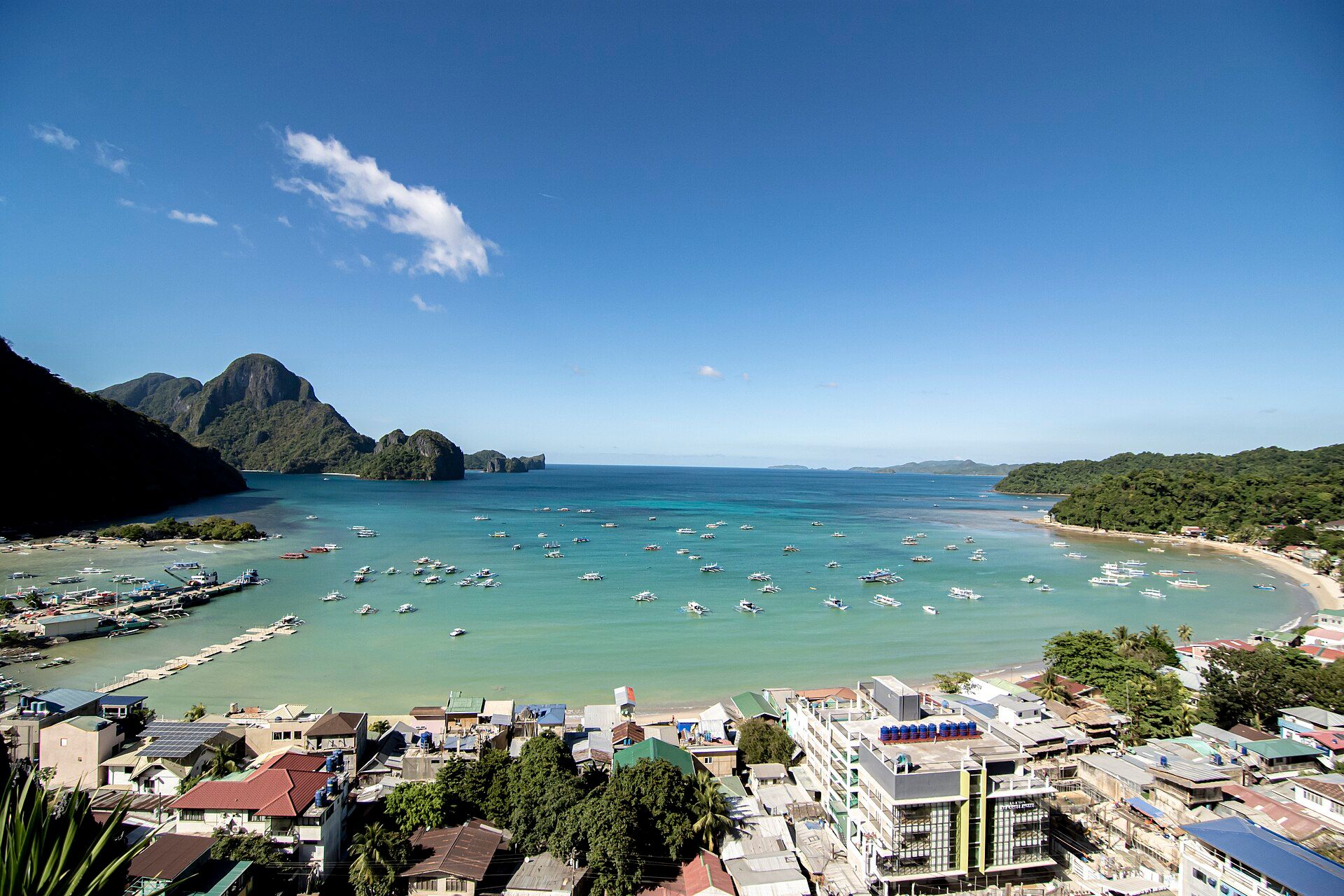
El Nido and Siargao are two of the Philippines' most popular island trips, and they suit different travellers. El Nido, in northern Palawan, is the base for boat tours through the Bacuit Archipelago — dozens of limestone islands with lagoons and sea caves. Siargao, off north-eastern Mindanao, is a surf island: it sits on the edge of the Philippine Trench, where Pacific swells make waves like Cloud 9, with palm forest, mangroves and Sugba Lagoon inland.
Their best seasons differ. El Nido's dry season is December to May. Siargao is calmest for lagoon trips from about March to October, and surfers favour the bigger swell from around August to November.
El Nido
Limestone islands, lagoons and boat tours
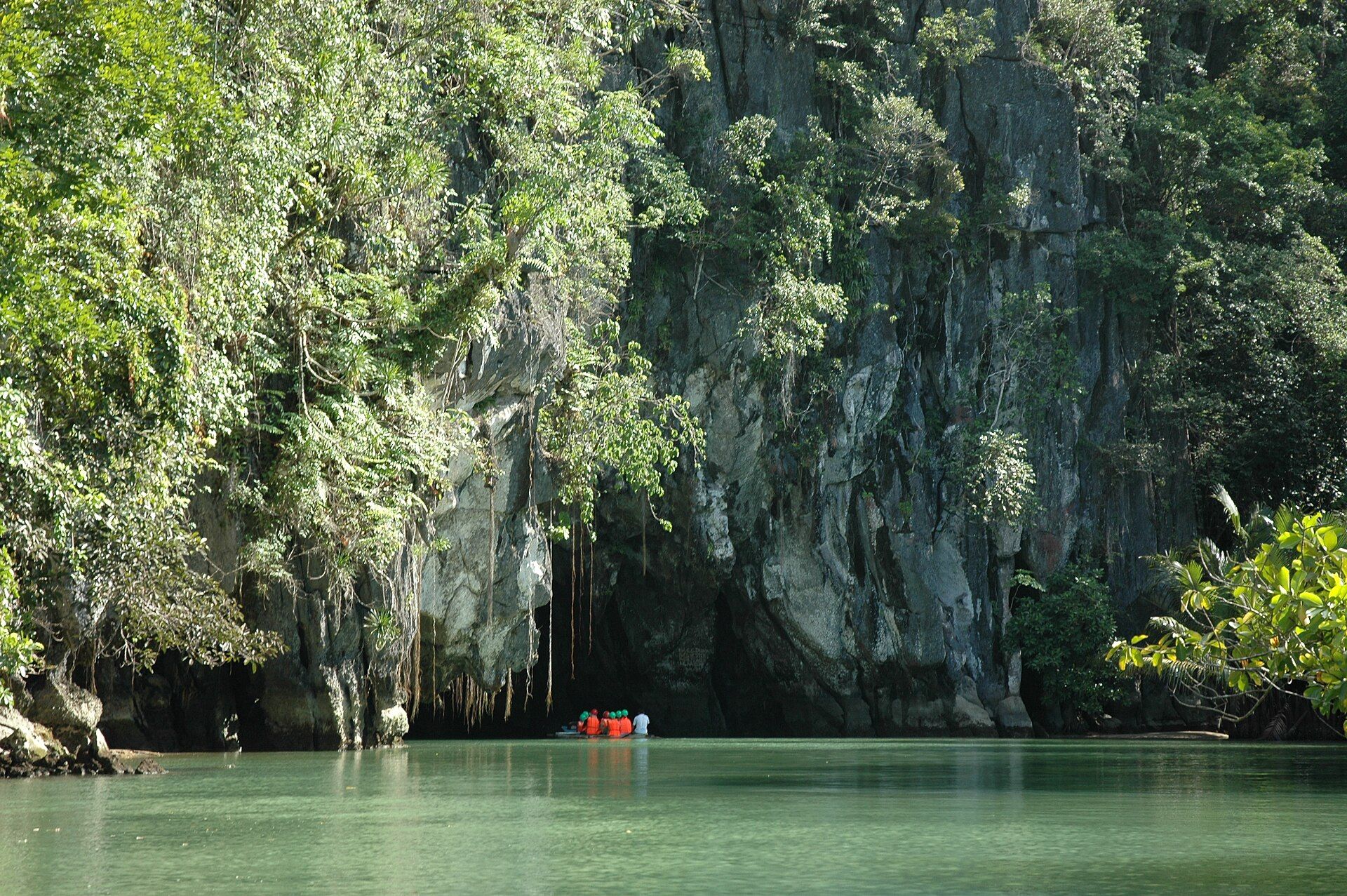
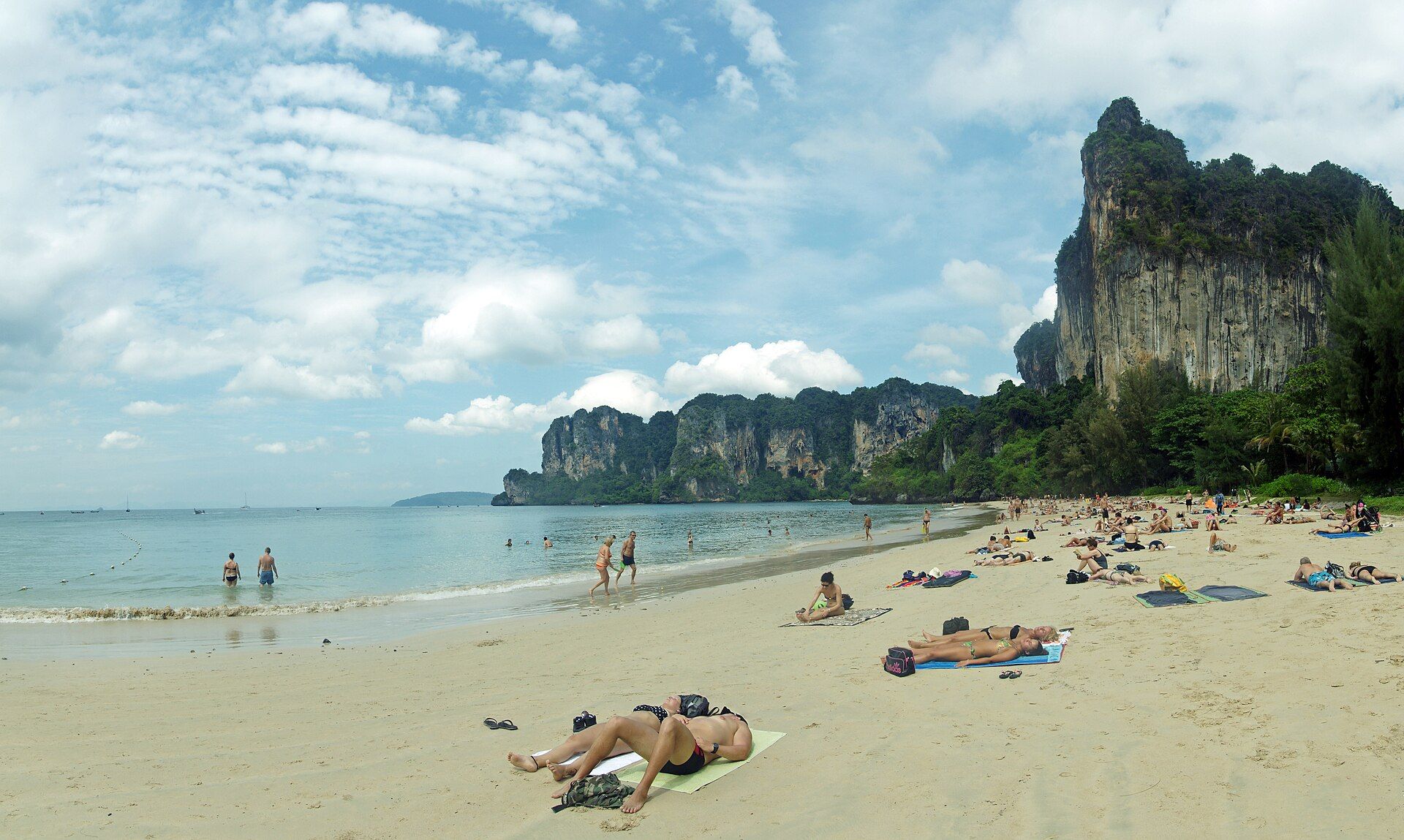
The Bacuit Archipelago's cliffs are Permian limestone more than 250 million years old, rising 200 metres and more straight from the sea. Rain and waves have carved them into ridges, sea caves and enclosed lagoons, some reached only by swimming or paddling through gaps in the rock. The bay is part of the El Nido–Taytay Managed Resource Protected Area.
- Island-hopping Tours A–D through the archipelago
- Big Lagoon by kayak at slack water
- Karst scenery on a scale Siargao does not have
Siargao
Surf, palm forest, mangroves and Sugba Lagoon
Pacific swells wrap onto Siargao's reefs to make world-class waves such as Cloud 9. Inland, the island is covered in coconut palms and crossed by rivers and the Del Carmen mangrove forest, one of the largest mangrove reserves in the country. Sugba Lagoon's still, jade water sits in a sheltered basin of karst and mangrove. The island is a protected landscape and seascape.
- Surfing, from Cloud 9 to beginner breaks
- Sugba Lagoon, Magpupungko rock pools and the outer islets
- A relaxed island explored by motorbike
Head to head
| What matters | El Nido | Siargao |
|---|---|---|
| The scenery Edge: El Nido | Cliff-walled islands rising from turquoise water, hidden lagoons and white beaches. | Palm forest, mangroves, reefs and sandbars, with one karst lagoon (Sugba). |
| What you do Edge: Toss-up | Full-day boat tours: swimming, snorkelling and kayaking into lagoons, with lunch cooked aboard. | Surfing, motorbiking around the island, and boat trips to Sugba Lagoon, Sohoton and the outer islands. |
| Getting there Edge: Toss-up | Fly direct from Manila to El Nido (about 1h20), or to Puerto Princesa and then roughly 5–6 hours by van. | Fly from Manila, Cebu or Davao to Sayak (roughly 1h15–2h), then 45 minutes to an hour by road to General Luna. |
| Season Edge: Toss-up | December–May; water and weather are typically best March–May. June–October is wetter and rougher. | March–October for calmer weather and lagoon trips; around August–November for the biggest surf. Typhoons can hit later in the year. |
| Time needed Edge: Toss-up | At least 2–3 days for the main tours, plus spare days in case bad seas cancel them. | 3–5 days for surf, lagoons and island trips. |
| Fees and access Edge: Toss-up | An El Nido environmental fee is checked on tours; some lagoons have their own fees and capacity limits. | Beaches are open access; lagoon and island trips need boat hire and local fees, and some sites need a guide. |
| Crowds Edge: Toss-up | The famous lagoons are very busy at midday in peak season, when the tour boats converge. | Cloud 9 and the General Luna strip are busy year-round; the outer islands thin out. |
Which should you choose?
Choose El Nido if…
…you want the Philippines' most dramatic island scenery and are travelling between December and May.
Choose Siargao if…
…you surf or want to learn, prefer a slower island base to day-long boat tours, or are travelling between June and October.
The honest verdict
For scenery, El Nido is the stronger choice: the Bacuit Archipelago's cliffs and lagoons are the classic Philippine island image, and nothing on Siargao matches them in scale.
Siargao is better for surfers and for a slower trip — a few days of riding the island, lagoon and island trips, and evenings in General Luna — and its calm season covers much of the time El Nido is wet.
In both places boat trips depend on the sea, so leave a spare day. Check El Nido's current environmental and lagoon fees and Siargao's local boat and site fees on arrival, and keep an eye on typhoon forecasts later in the year.
Wonders mentioned here

Added