Head to head · northern Palawan's two karst bases
El Nido vs Coron: Which Palawan Island Base Should You Choose?
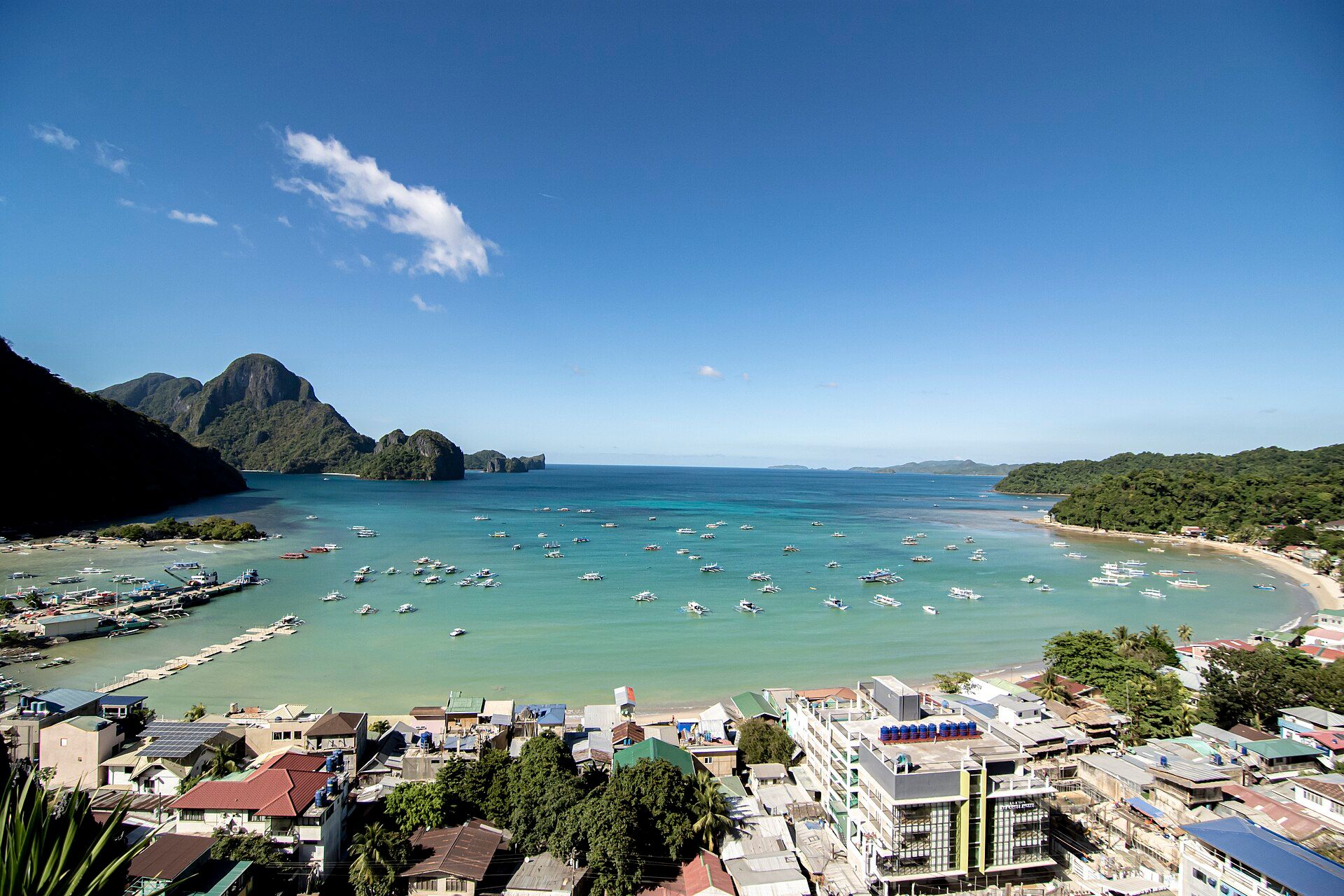
El Nido and Coron are the two names on almost every Palawan plan, and both sell the same picture: black limestone cliffs rising from turquoise water, explored by outrigger boat. Up close they are different trips. El Nido's Bacuit Archipelago is a bay of limestone islands with hidden lagoons and beaches you can only reach by sea. Coron's highlight is Coron Island, a wall of karst holding some of the clearest lakes in the Philippines, with Japanese shipwrecks from the Second World War lying in the surrounding bays.
They sit at opposite ends of northern Palawan, each with its own airport and flights from Manila, and boats link the two towns, so many people visit both. If you only have time for one, the choice comes down to whether you want beaches and lagoons, or lakes and wrecks.
El Nido
Hidden lagoons and beaches in a bay of limestone islands
The Bacuit Archipelago off El Nido town is a bay of dozens of jagged limestone islands, with enclosed lagoons reached through narrow gaps in the rock, white beaches and fringing reefs. It lies within the El Nido Managed Resource Protected Area, proclaimed in 1998 over about 89,135 hectares of land and sea. Visitors explore it on standardised island-hopping tours, lettered A to D, that leave daily from the town beach.
- The Big and Small Lagoons, entered by kayak with a daily cap
- Beaches with no land access, reached only by boat
- Sunsets behind the karst islands from the town and nearby beaches
Coron
Clear karst lakes and Second World War wrecks
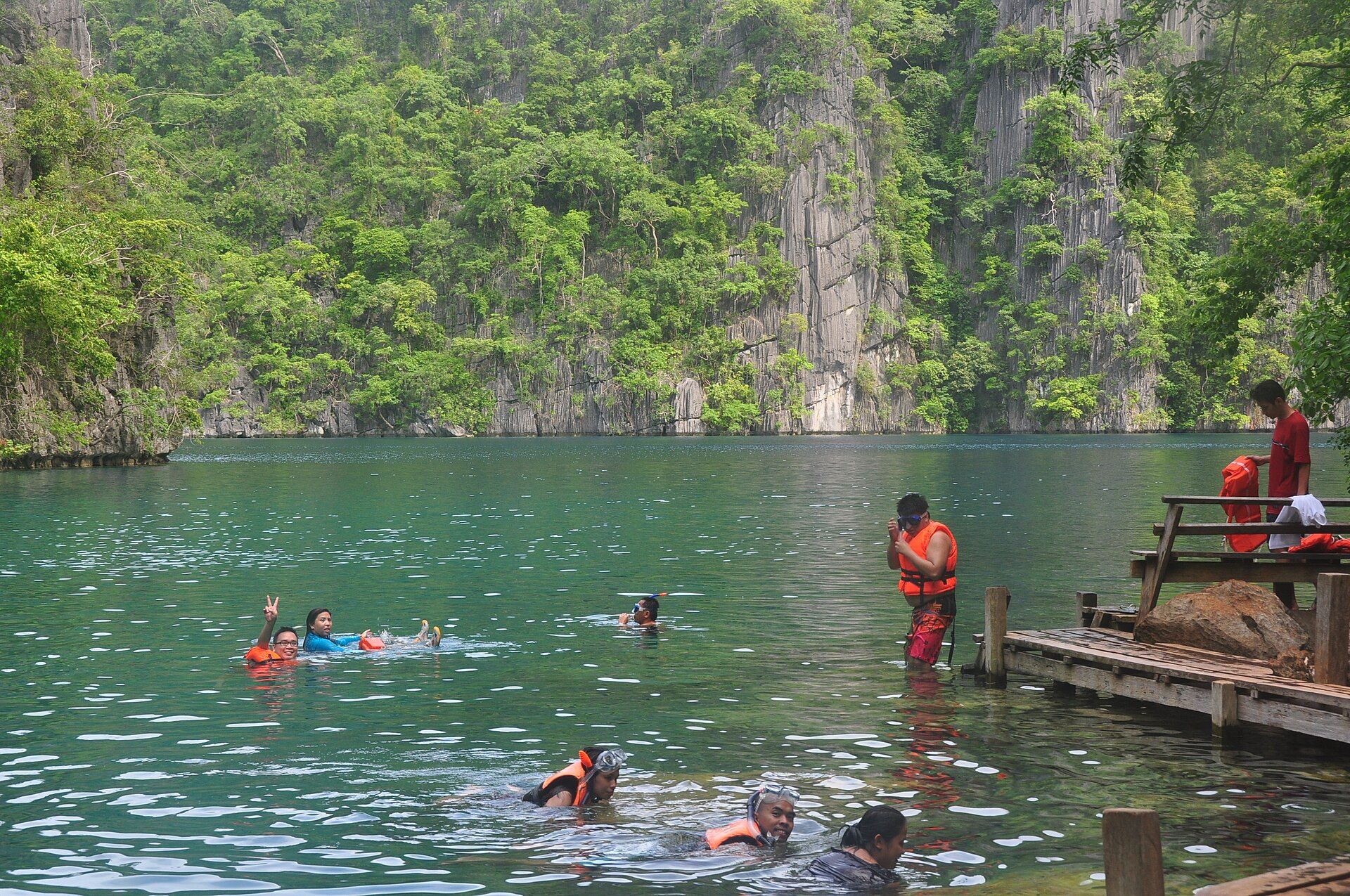
Coron town sits on Busuanga, facing Coron Island, a block of jagged karst that is the ancestral domain of the Tagbanua people, who received title to it in 2001. Of the island's lakes, only Kayangan and Barracuda are open to visitors, on Tagbanua rules and fees. Kayangan is a layered lake, freshwater over saltwater, with the classic viewpoint partway up a short, steep stairway. In the bays around Busuanga lie Japanese ships sunk in a US carrier air strike on 24 September 1944, now dived as wrecks.
- Kayangan Lake and its viewpoint, one of the most photographed in the Philippines
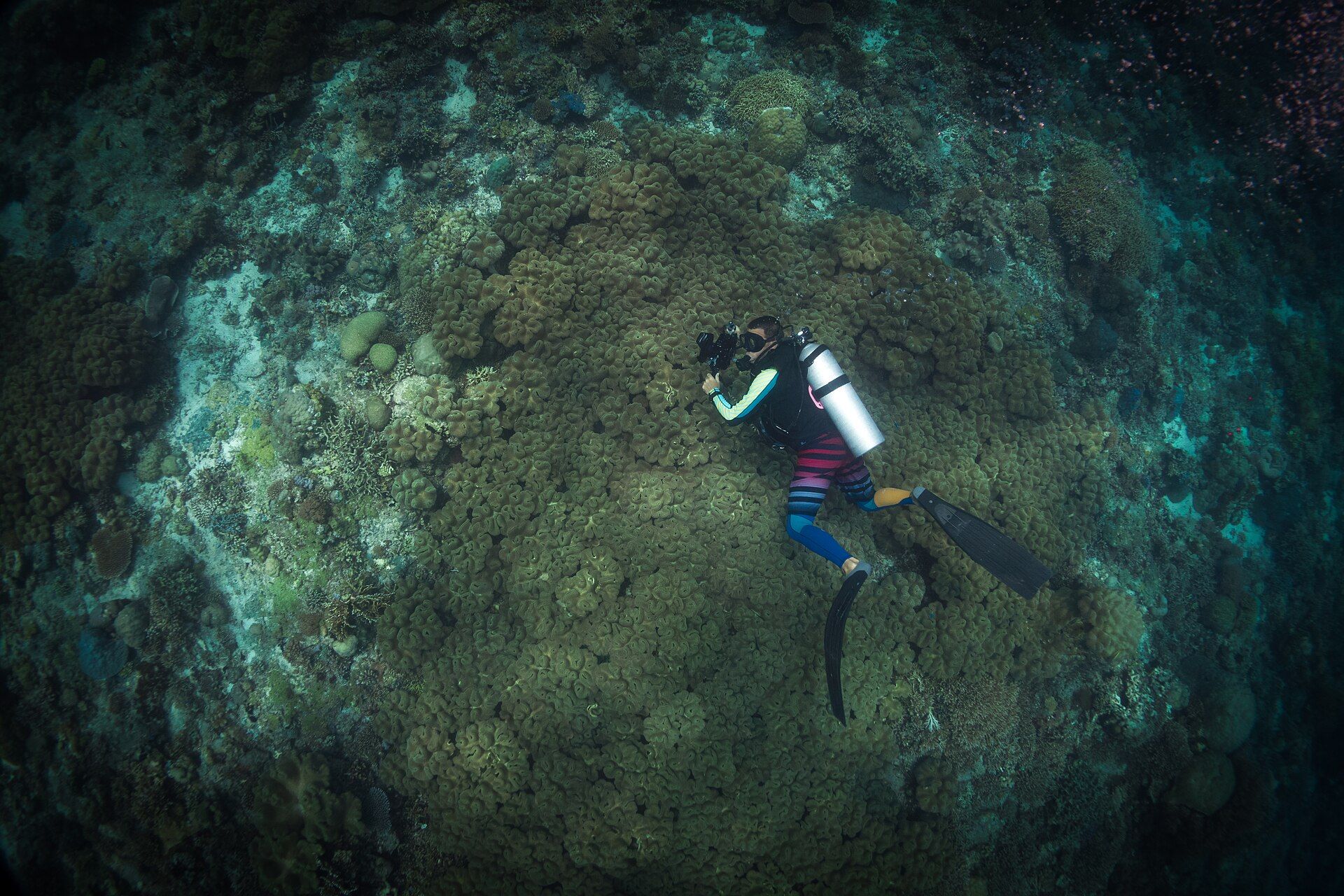
- Wreck diving on Japanese ships sunk in 1944
- Snorkelling and swimming in lakes inside the karst, as well as in the sea
Head to head
| What matters | El Nido | Coron |
|---|---|---|
| The scenery Edge: Toss-up | A whole bay of limestone islands and sea stacks, with cliffs over 200 metres high, lagoons inside the rock and white-sand coves. | Coron Island's black karst wall, its clear lakes and lagoons, and the Kayangan viewpoint looking over turquoise water between limestone towers. |
| Beaches Edge: El Nido | The stronger choice: many tours stop at small white beaches tucked between cliffs, and there are beaches near town as well. | There are beaches on the island-hopping routes, but lakes, lagoons and reefs are the main draw rather than the sand. |
| Diving Edge: Coron | Reef dives and snorkelling around the islands, whose reefs and seagrass support green and hawksbill turtles. | Wreck diving on the 1944 Japanese ships, plus reefs and the lakes. For divers it is the clear choice. |
| Getting there Edge: Toss-up | Fly from Manila to El Nido, about 1h20. Otherwise fly to Puerto Princesa and take a van north, roughly 5–6 hours. | Fly from Manila to Busuanga, about 1h10, then 30–45 minutes by road to Coron town and another 30–45 minutes by boat to Coron Island. |
| Access rules and fees Edge: Toss-up | An El Nido environmental fee is required and checked on tours. Some lagoons carry separate fees and capacity limits. | Kayangan and Barracuda lakes charge Tagbanua community fees on top of the boat tour. The other lakes on Coron Island are closed to visitors. |
| Crowds Edge: Toss-up | Very busy at the famous lagoons in peak season, especially at midday when the tour boats converge. Early tours are much quieter. | Kayangan is one of the busiest sites in the Philippines by late morning. Being on the first boat out makes a big difference. |
| When to go Edge: Toss-up | December to May is the dry season, with calm water and clear lagoons. June to October brings rain and rougher seas, and tours are cancelled in bad weather. | Late October to May is the dry season, with calm crossings and clear water. Clarity and weather are usually best from March to May. |
Which should you choose?
Choose El Nido if…
…you want lagoons, beaches and sunsets, plan a few days of easy island-hopping by boat and kayak.
Choose Coron if…
…you dive or want to learn to, are drawn to Kayangan Lake and the lakes inside the karst, and are happy with a short, steep climb and fewer beach days.
The honest verdict
For a first visit focused on beaches and lagoons, El Nido is the better choice. The Bacuit Archipelago offers more variety, and its lettered tours make it easy to fill three days.
Coron wins for divers, because of its Second World War wrecks, and for anyone whose picture of Palawan is the Kayangan viewpoint. It also suits travellers who want to swim in a clear lake inside the rock, not just in the sea.
Both get crowded at their famous stops in peak season, so take the earliest boat whichever you choose. If you have a week, do both: they are separate airports with direct flights from Manila, and boats link the two towns. Allow spare days, because island-hopping tours and crossings are cancelled in rough seas.
Wonders mentioned here
Added