Head to head · Ifugao terraces vs Mountain Province karst
Banaue vs Sagada: Which Cordillera Town Should You Visit?
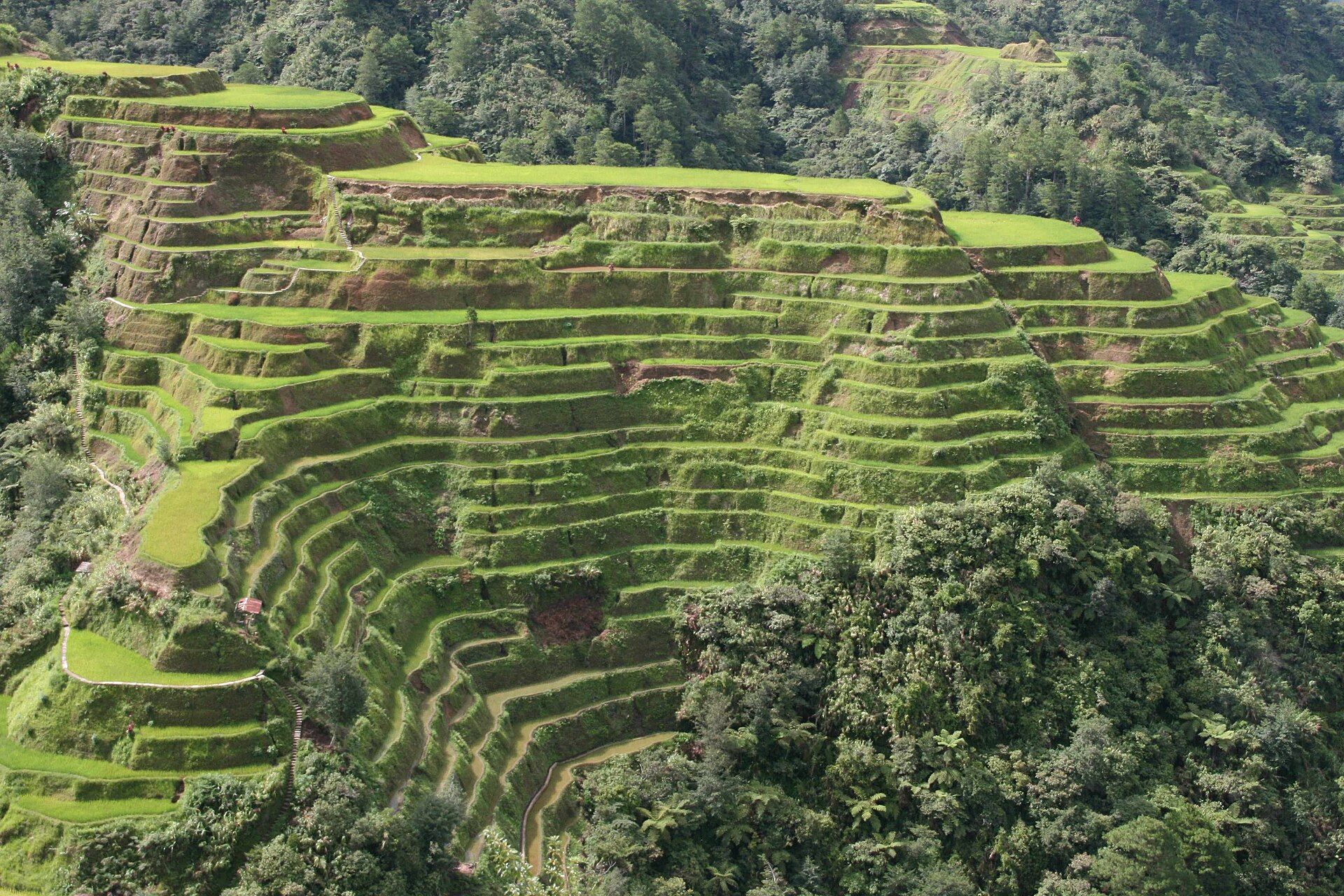
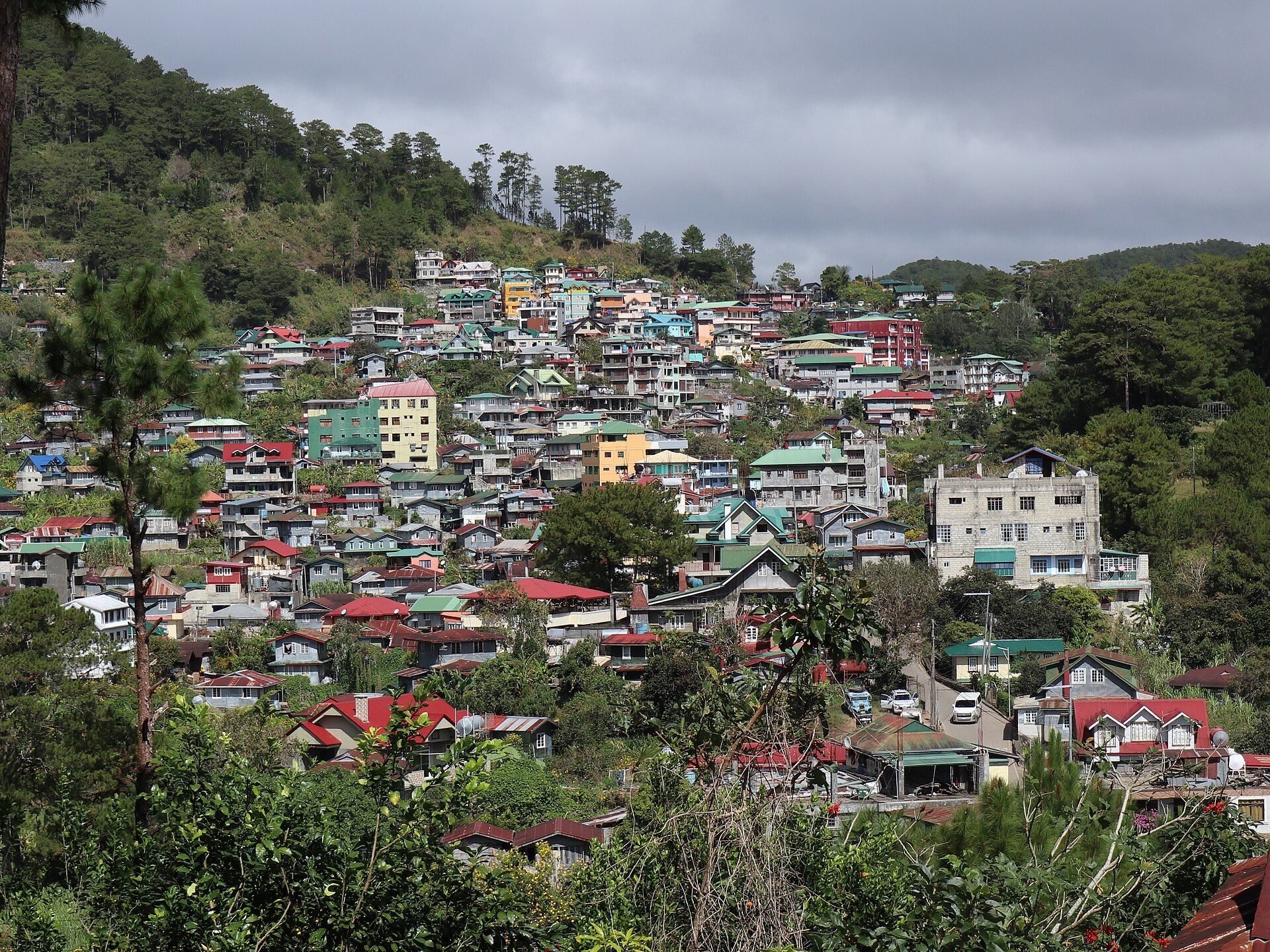
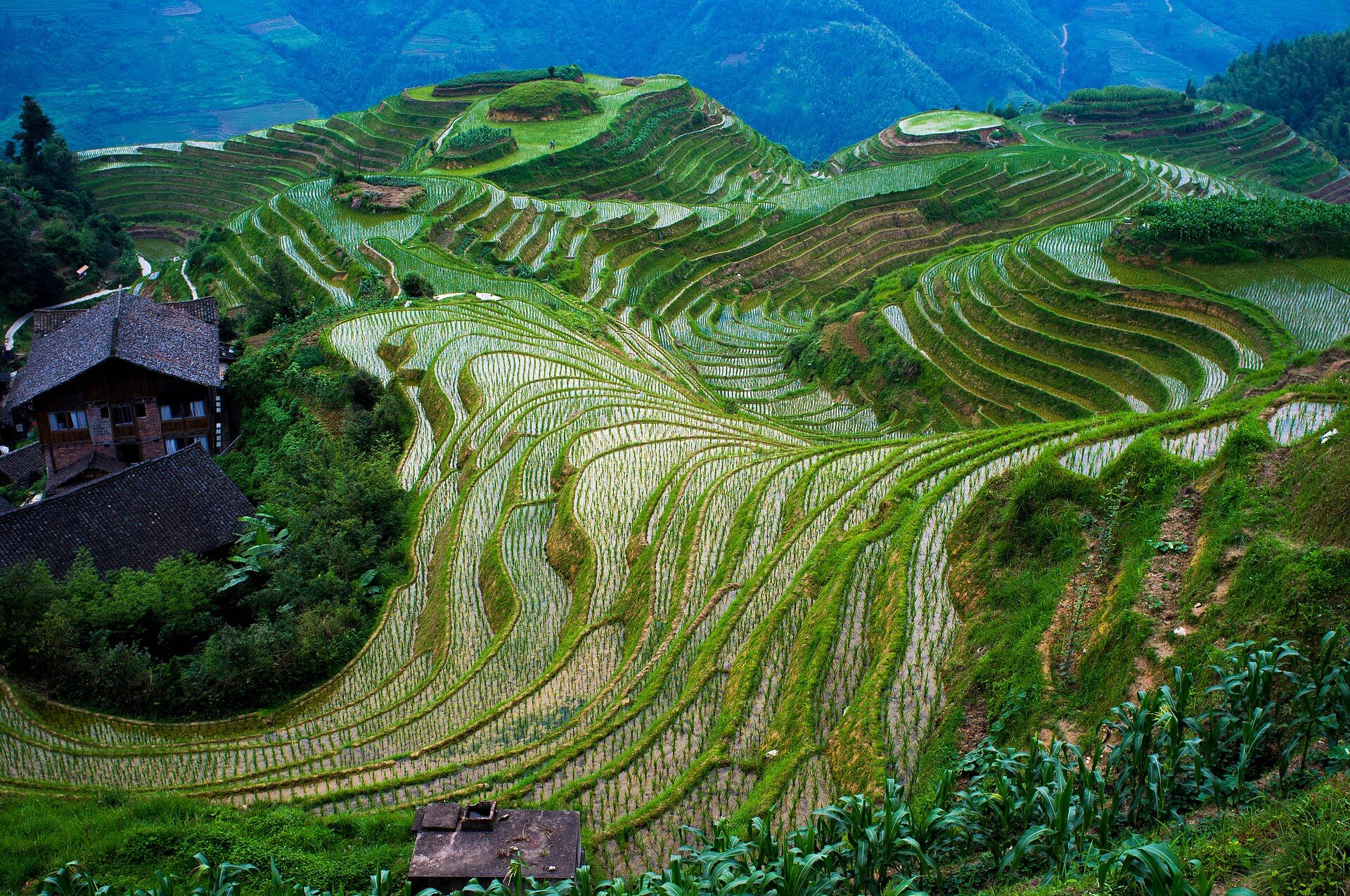
Banaue and Sagada are the two Cordillera towns most visitors to northern Luzon choose between — or try to fit into one trip. Banaue, in Ifugao, is the gateway to the rice terraces the Ifugao people carved into the mountains over roughly two thousand years, part of the UNESCO-listed Rice Terraces of the Philippine Cordilleras; the amphitheatre of Batad is a jeep ride and a walk away. Sagada, in Mountain Province, sits at around 1,500 metres on uplifted limestone: pine forest, caves such as Sumaguing, coffins hung on the cliffs of Echo Valley by the Kankanaey people, Bomod-ok Falls in the Fidelisan terraces, and the dawn sea of clouds at Kiltepan.
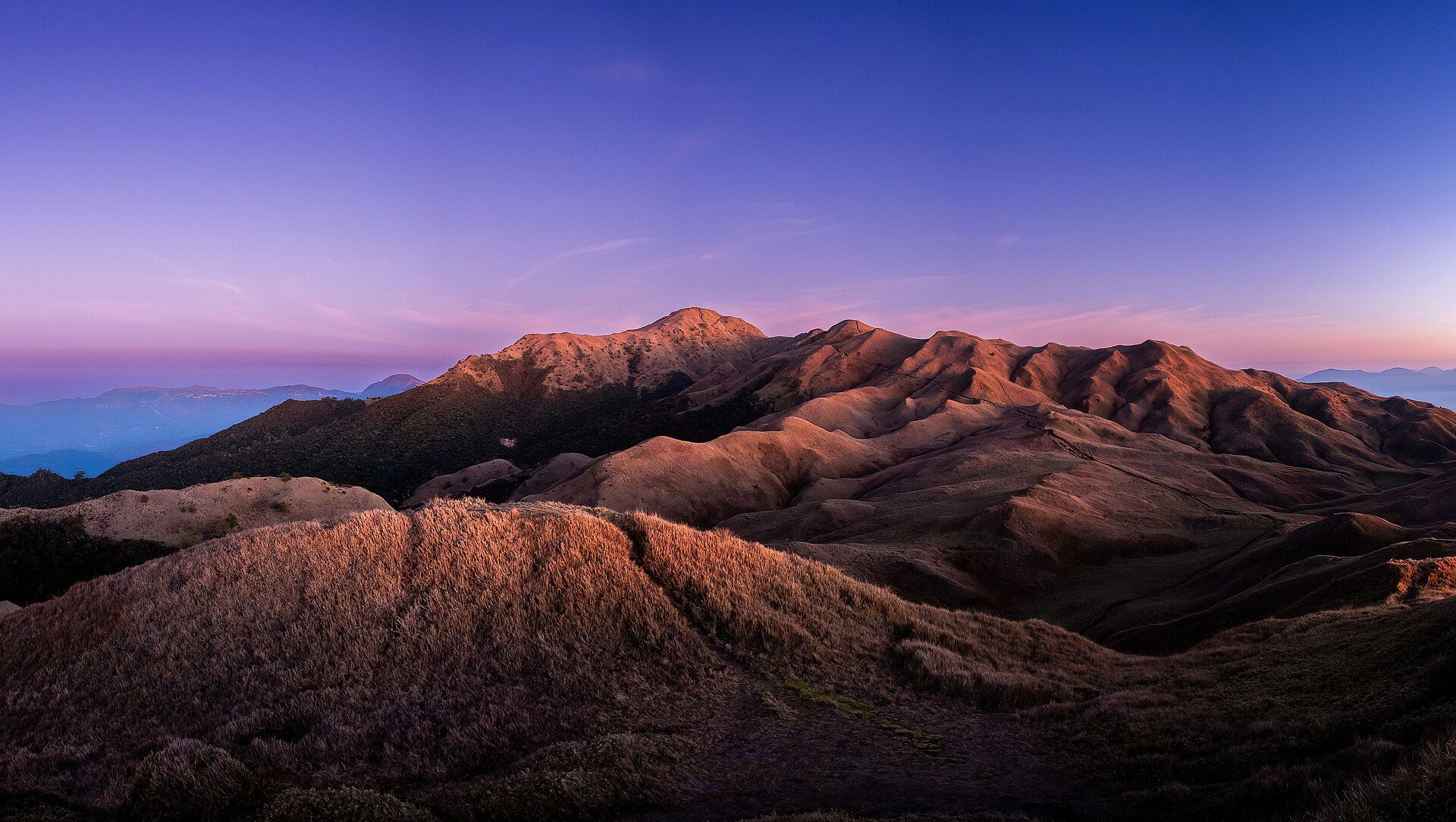
They are about 3–4 hours apart by road via Bontoc, so the real question is often which to base yourself in. Their best months differ: the terraces are lush green in March–April and turn gold in the weeks before harvest, while Sagada is best in the dry season, November to April, with the coldest mornings and most reliable sea of clouds in December–February.
Banaue
Two thousand years of hand-built terraces
Stone-and-mud paddies climbing to 1,500 m and more, fed by gravity irrigation from the muyong watershed forests above, and still farmed by the descendants of their builders.
- UNESCO World Heritage terraces
- The Batad amphitheatre on foot
- Direct overnight bus from Manila
Sagada
Caves, pines and a sea of clouds
A small highland town on a bed of marine limestone: Sumaguing's flowstone and rimstone pools, Lumiang's coffin-stacked cave mouth, Echo Valley's hanging coffins and the Bomod-ok trail through rice terraces.
- Caving with accredited guides
- Kiltepan sunrise over the clouds
- Cool pine-forest climate
Head to head
| What matters | Banaue | Sagada |
|---|---|---|
| The landscape Edge: Toss-up | Mountainsides of hand-built rice terraces, fanning up like a green amphitheatre at Batad. | Pine-clad karst of sinkholes, caves and cliffs, with smaller terraces around Bomod-ok Falls. |
| Main activity Edge: Toss-up | Viewpoints and village-to-village walks along narrow terrace walls. | Caving (Sumaguing), the falls hike and the Kiltepan sunrise. |
| Getting there Edge: Banaue | Overnight bus from Manila, roughly 9–10 hours; Batad another 45 minutes to an hour, then a 20–45-minute walk down. | About 5–6 hours from Baguio on the Halsema Highway, or 3–4 hours from Banaue via Bontoc. |
| Best months Edge: Toss-up | March–April for green terraces; gold near harvest; bare mud after it. Dry months (about December–May) for safer roads and trails. | November–April; coldest and best sea of clouds December–February. Wet months make caves slippery and can close the falls trail. |
| Guides and fees Edge: Toss-up | Small viewpoint and village fees; guides required for some treks and strongly recommended for Batad. | An environmental fee on arrival; accredited local guides required for caving, the falls and Kiltepan. |
| Physical difficulty Edge: Toss-up | Steep stone steps and narrow terrace edges with real drops; trekking poles help on the descent to Batad. | Slippery cave passages that descend 100+ m, and a trail of about 200 m down to Bomod-ok. |
| Climate Edge: Toss-up | Cool highlands, especially at night; mist often hides the valley. | Mornings cold enough for a jacket, especially December–February. |
| Time needed Edge: Toss-up | A full day minimum; 2–3 days to walk between villages. | Two to three days: one underground, one for Kiltepan, one for the falls. |
Which should you choose?
Choose Banaue if…
…you want the rice terraces themselves — the UNESCO landscape, the walk into Batad, and a night in a village guesthouse — and are coming straight from Manila.
Choose Sagada if…
…you want caves, cool pine air and the sea-of-clouds sunrise, are travelling via Baguio, and are happy to go with accredited local guides.
The honest verdict
If you can only see one, pick by what you came for: Banaue for the terraces, Sagada for caves and highland atmosphere. Sagada has terraces too, but nothing on the scale of Batad.
The best answer is usually both. A loop of Manila → Banaue (Batad) → Sagada via Bontoc → Baguio → Manila links them with no backtracking.
Time the trip to the season: March–April for green terraces and dry trails, December–February for Sagada's coldest, clearest dawns. Carry cash (Banaue's villages have no reliable ATMs) and confirm guide and fee rules with each town's tourism office on arrival.
Wonders mentioned here

Added