Banaue & the Ifugao Rice Terraces
📍 Ifugao, Cordillera, Philippines
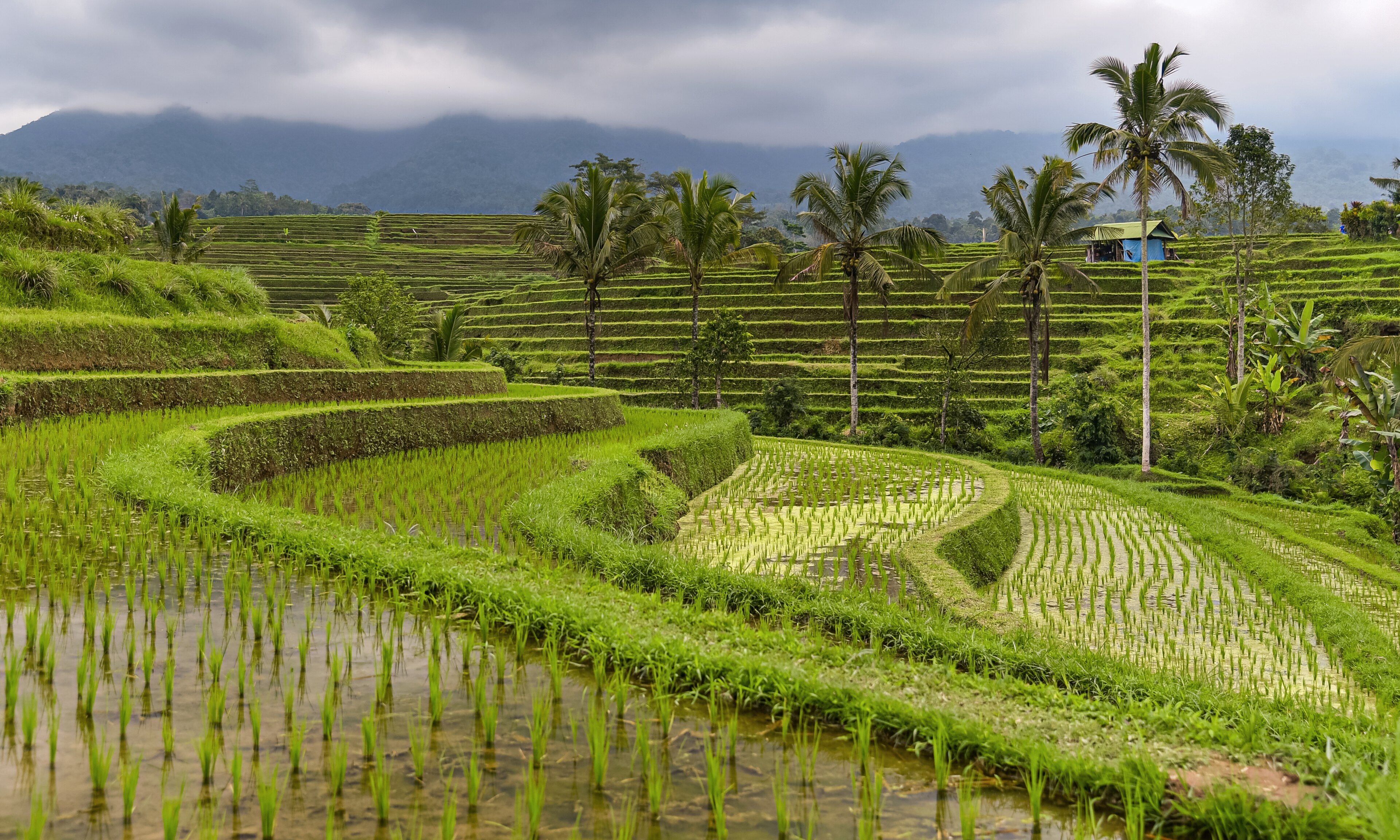
Two thousand years of hand-built rice terraces climbing the Cordillera mountainsides — a living landscape of stone-and-mud paddies, fed by an intricate forest-and-irrigation system, often called the 'Eighth Wonder of the World'.
What makes it marvelous
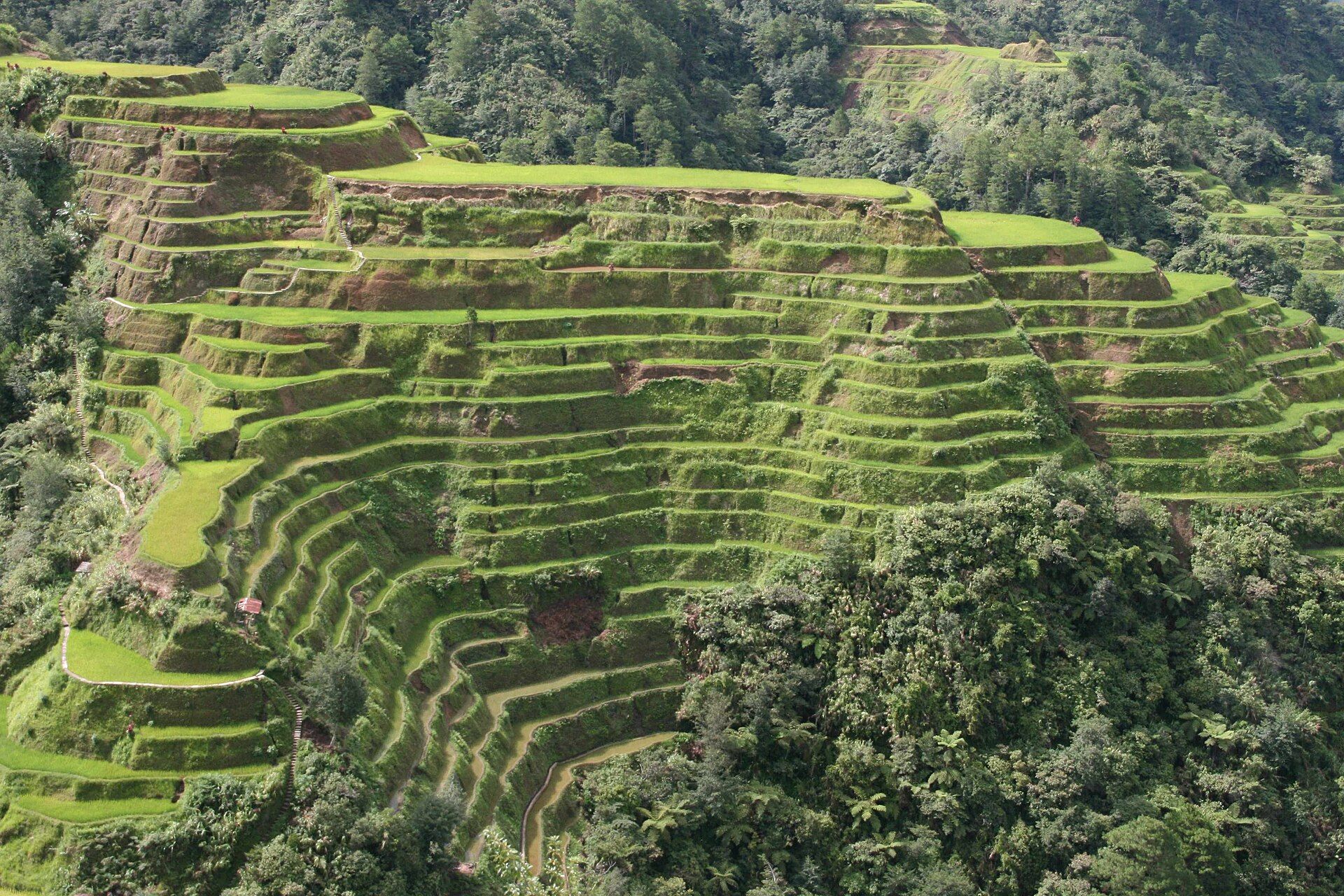
The Ifugao people carved these terraces into steep slopes over roughly two millennia, following the contours of the land so precisely that, laid end to end, the walls would stretch a large fraction of the way around the planet. Above the paddies, a protected 'muyong' watershed forest captures rain and feeds a gravity irrigation system that has worked for centuries — one of the world's great examples of sustainable engineering in harmony with an ecosystem.
Why visit
From the Banaue and Batad viewpoints the terraces fan up the mountains like a green amphitheatre, shifting from emerald to gold with the rice cycle. It is a landscape shaped entirely by human hands working with nature, and still farmed by the descendants of its builders.
Still deciding?
Banaue & the Ifugao Rice Terraces comes up most often against one other place — each one weighs cost, effort, season and crowds side by side.
More views of Banaue & the Ifugao Rice Terraces
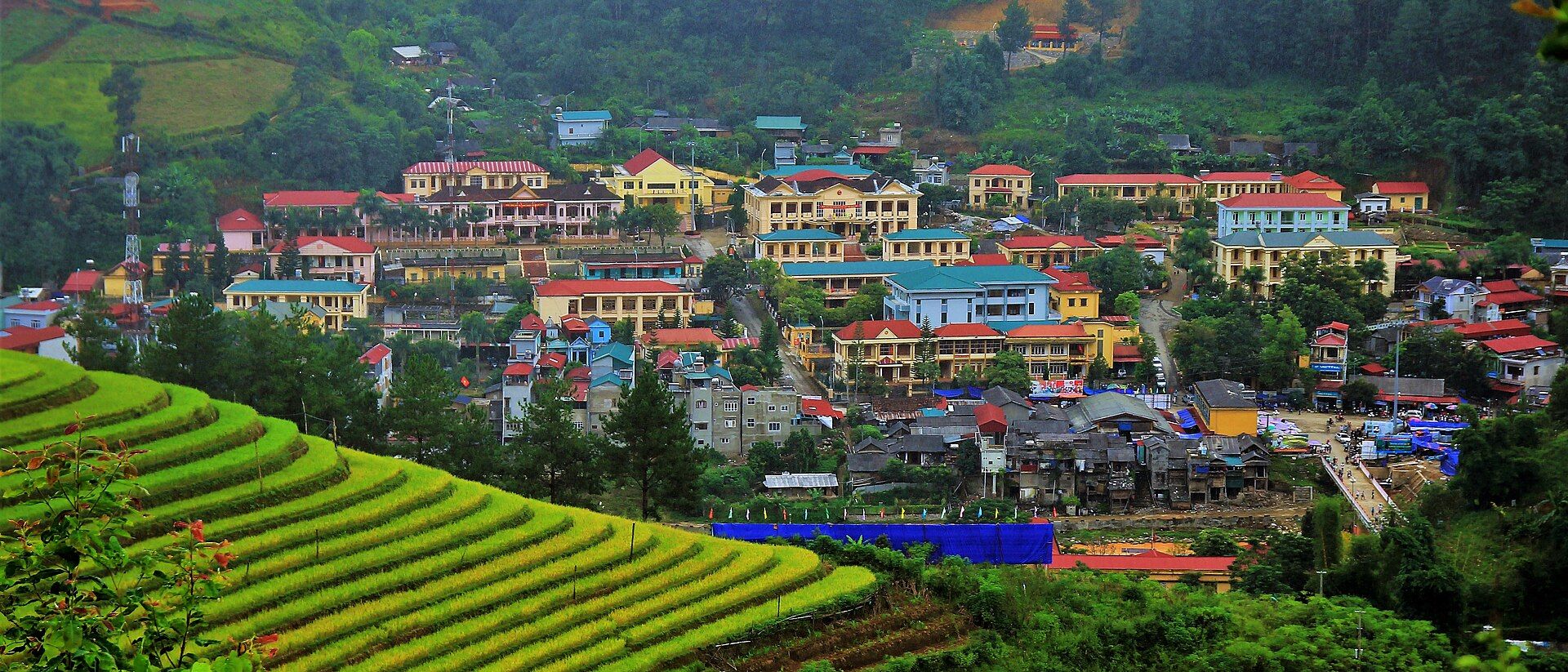
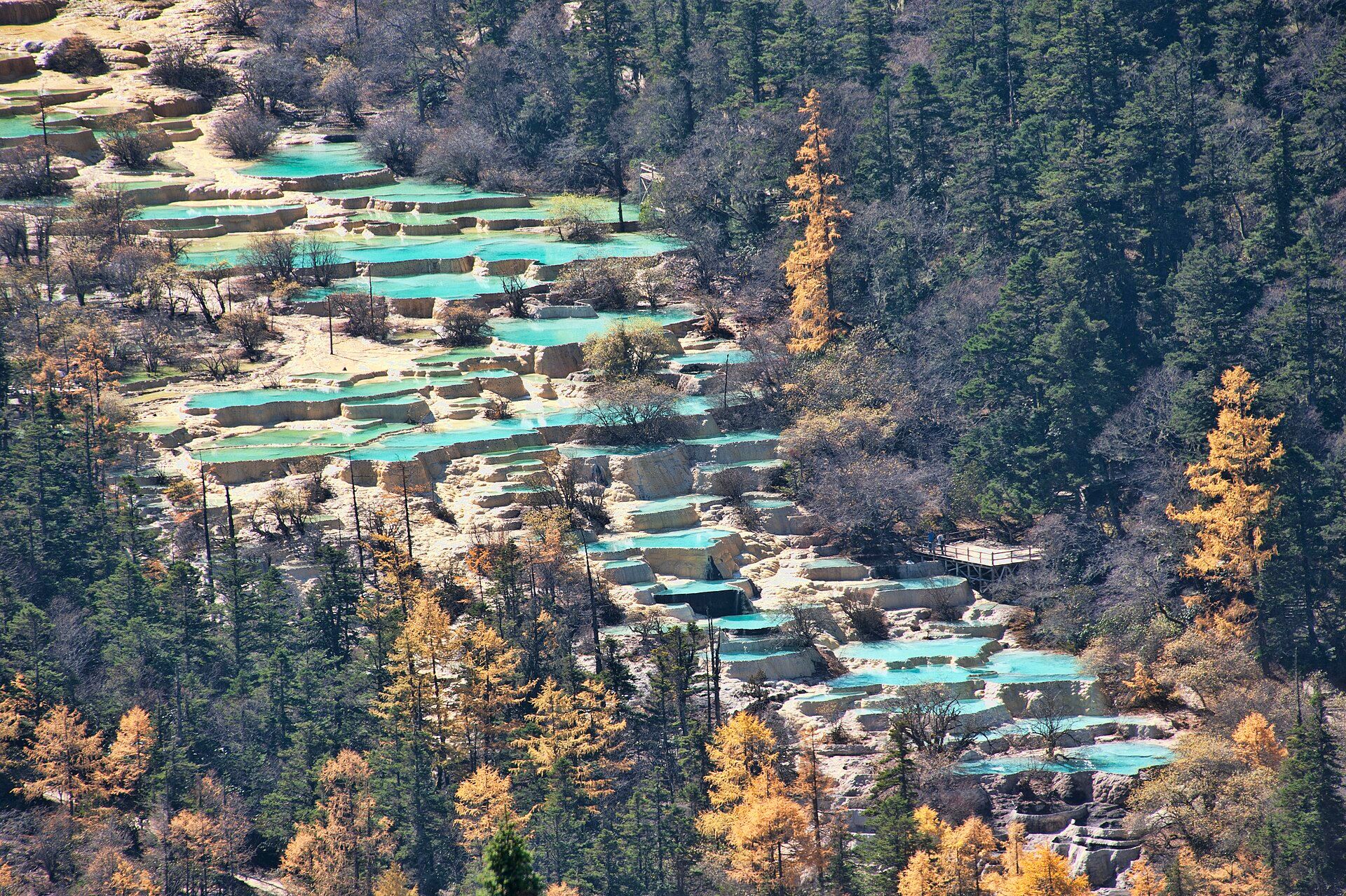
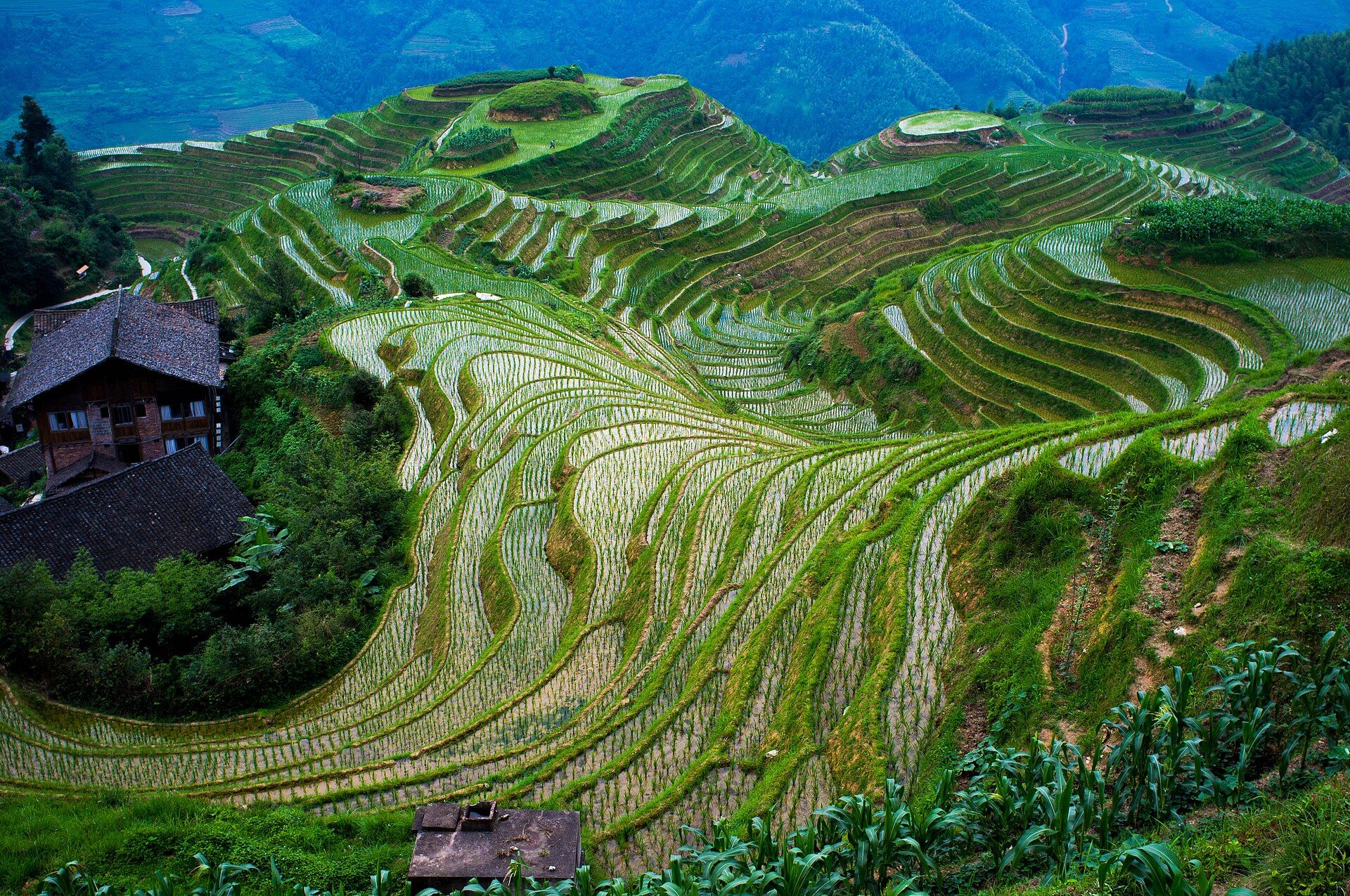
Additional photographs of the actual site — each freely licensed, with its photographer and licence credited.
What to know before you go
🗓️ Best time
March to April (before harvest, terraces lush green) or the golden pre-harvest weeks around June are most photogenic. The dry months (roughly December–May) make the mountain roads and trails safer.
🧭 Getting there & access
About 8–9 hours by bus north from Manila to Banaue. The famous amphitheatre of Batad is reached by jeep and a walk. Local guides are recommended and support the community; some viewpoints charge a small fee.
Good to know
- Hire a local Ifugao guide — it supports upkeep of the terraces and the culture behind them.
- Stay overnight to catch the terraces in dawn and dusk light.
- Tread carefully on the paddy walls; they are working farmland, not a monument to climb on.
Plan your visit
Moderate🧭 Getting there
From Manila, then Banaue, Ifugao
- Overnight bus Manila to Banaue — roughly 9–10 hours
- Jeepney or tricycle to the viewpoints, or on to Batad — about 45min–1h
- For Batad: a walk down into the amphitheatre, roughly 20–45 minutes
- Total travel
- Most of a day, or an overnight journey, from Manila
- Time at site
- Full day minimum; 2–3 days to walk between villages properly
- Access
- Small viewpoint and village fees. Guides are required for some village treks and strongly recommended for Batad — trails are unmarked and steep.
🎒 What to bring & consider
- Shoes with real grip — terrace walls are narrow, uneven, and slick when wet
- A warm layer; the highlands are cool, especially at night
- Cash only in the villages; no reliable ATMs
- Expect patchy or no mobile signal in the valleys
- Trekking poles help considerably on the steep descent to Batad
👁️ What to expect
- Crowds
- The Banaue roadside viewpoints see tour traffic; the Batad amphitheatre is far quieter given the walk in.
- Conditions
- Steep stone steps, mud after rain, and narrow terrace edges with real drops. This is a working farmed landscape, not a park.
- Facilities
- Simple guesthouses and eateries in Banaue and Batad; basic sanitation.
- The view
- The terraces are green from around June and gold near harvest in roughly August to September; after harvest they are bare mud. Mist is frequent and can hide the valley entirely.
Times and requirements are approximate and change with season, weather, and local rules — confirm permits, fares, and schedules with operators before you travel.
Natural riches of the area
- Terraced paddies growing heirloom tinawon rice
- Protected muyong watershed forest that feeds the irrigation channels
- Cordillera spring water and gravity-fed canals
- Traditional agroforestry rich in native trees and biodiversity
Local food
- Tinawon rice
- Heirloom, once-a-year mountain rice unique to the Ifugao terraces.
- Pinikpikan
- A traditional Cordillera chicken dish, often served with etag (cured pork), central to community gatherings.
- Kg. mountain vegetables & rice wine
- Highland greens and tapuy, a fermented rice wine brewed for ceremonies.
The Ifugao terraces are proof that a landscape shaped by people can be as wondrous as any untouched one. Over some two thousand years, generations carved paddies into the steep Cordillera slopes, following every contour, and built a gravity irrigation system fed by carefully protected forest above. The result is a mountainside sculpted into thousands of green steps.
What makes them a wonder is not just the scale but the ecology. The ‘muyong’ watershed forests at the top capture rain and release it slowly into the canals; the terraces below hold soil and water on slopes that would otherwise erode. It is farming and forest working as one system — and it has fed communities for centuries.
The terraces are still worked by hand, and that is precisely why they endure. Visiting with local guides, staying overnight, and treading lightly all help sustain a living heritage that a photograph can only begin to capture.
A subtlety many visitors miss: the UNESCO World Heritage inscription covers five specific terrace clusters — Batad and Bangaan near Banaue, plus Mayoyao, Hungduan, and Nagacadan — while the wide amphitheatre of terraces around Banaue town itself, the one on the old thousand-peso banknote, sits just outside the listed area. Both are magnificent; the difference is worth knowing if you want to stand in the World Heritage core, which means walking down into Batad rather than only stopping at the roadside viewpoints. Whichever you choose, the best light is early, before the valley mist burns off or the afternoon cloud rolls in.
Banaue & the Ifugao Rice Terraces: common questions
How do you get to Banaue & the Ifugao Rice Terraces?
From Manila, then Banaue, Ifugao: Overnight bus Manila to Banaue — roughly 9–10 hours; Jeepney or tricycle to the viewpoints, or on to Batad — about 45min–1h; For Batad: a walk down into the amphitheatre, roughly 20–45 minutes. Total travel time: Most of a day, or an overnight journey, from Manila.
When is the best time to visit Banaue & the Ifugao Rice Terraces?
March to April (before harvest, terraces lush green) or the golden pre-harvest weeks around June are most photogenic. The dry months (roughly December–May) make the mountain roads and trails safer.
How long should you spend at Banaue & the Ifugao Rice Terraces?
Full day minimum; 2–3 days to walk between villages properly. Total travel time: Most of a day, or an overnight journey, from Manila.
What should you bring to Banaue & the Ifugao Rice Terraces?
Shoes with real grip — terrace walls are narrow, uneven, and slick when wet A warm layer; the highlands are cool, especially at night Cash only in the villages; no reliable ATMs Expect patchy or no mobile signal in the valleys Trekking poles help considerably on the steep descent to Batad
Do you need a permit or guide for Banaue & the Ifugao Rice Terraces?
Small viewpoint and village fees. Guides are required for some village treks and strongly recommended for Batad — trails are unmarked and steep.
Is Banaue & the Ifugao Rice Terraces crowded, and what are conditions like?
The Banaue roadside viewpoints see tour traffic; the Batad amphitheatre is far quieter given the walk in. Steep stone steps, mud after rain, and narrow terrace edges with real drops. This is a working farmed landscape, not a park. Facilities: Simple guesthouses and eateries in Banaue and Batad; basic sanitation.
Added Updated
More wonders to explore