Head to head · Nine mid-Atlantic volcanic islands vs one mountain island of laurel forest
Azores vs Madeira: Which Portuguese Atlantic Island Should You Visit?
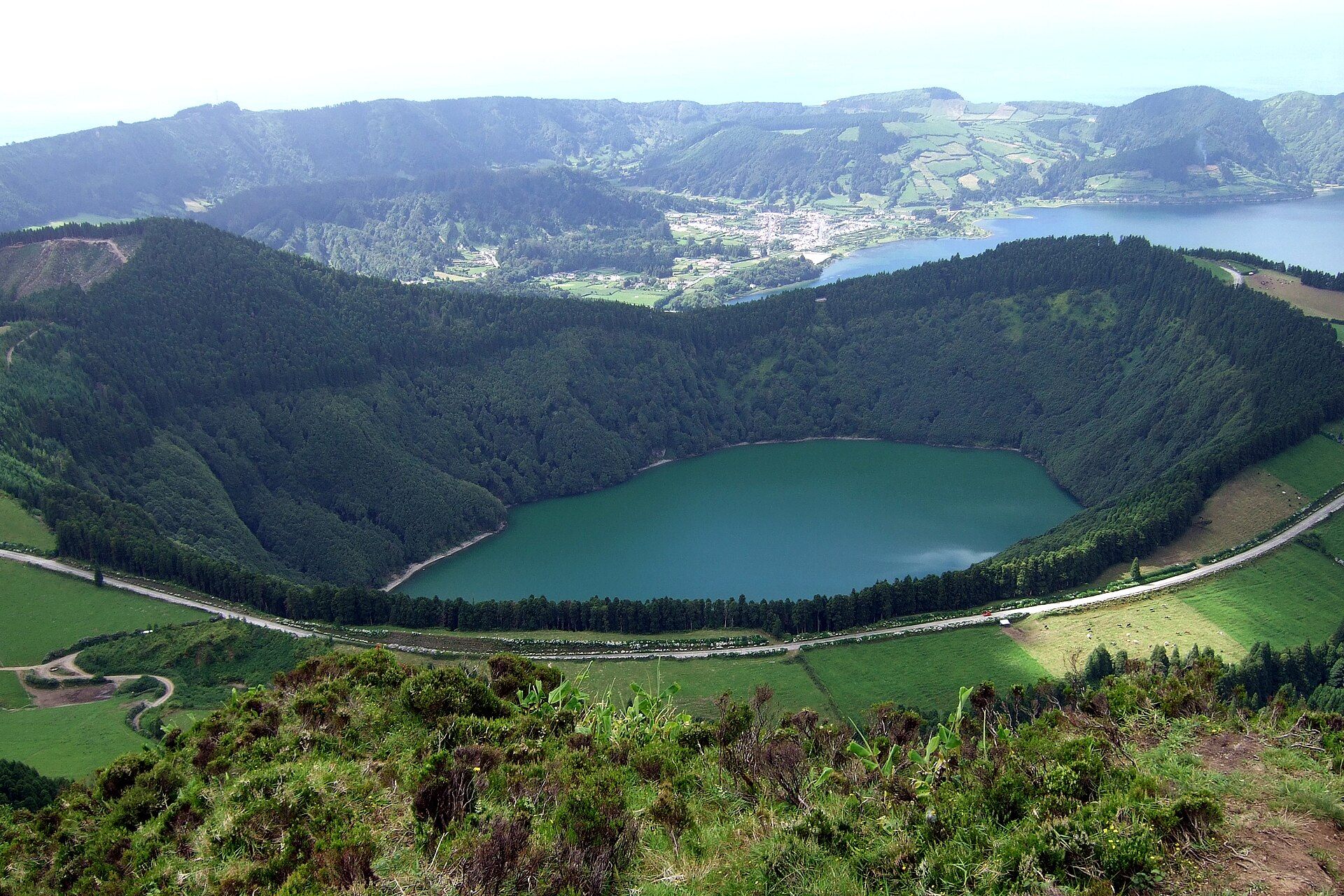
Both are Portuguese islands far out in the Atlantic, both are green, wet and volcanic, and both are walking destinations rather than beach ones. The Azores are nine islands strung along the Mid-Atlantic Ridge: calderas holding crater lakes such as the twin green-and-blue lakes of Sete Cidades, geothermal valleys with hot springs at Furnas, Pico (2,351 m), Portugal's highest mountain, and deep water through which around a third of the world's whale and dolphin species pass.
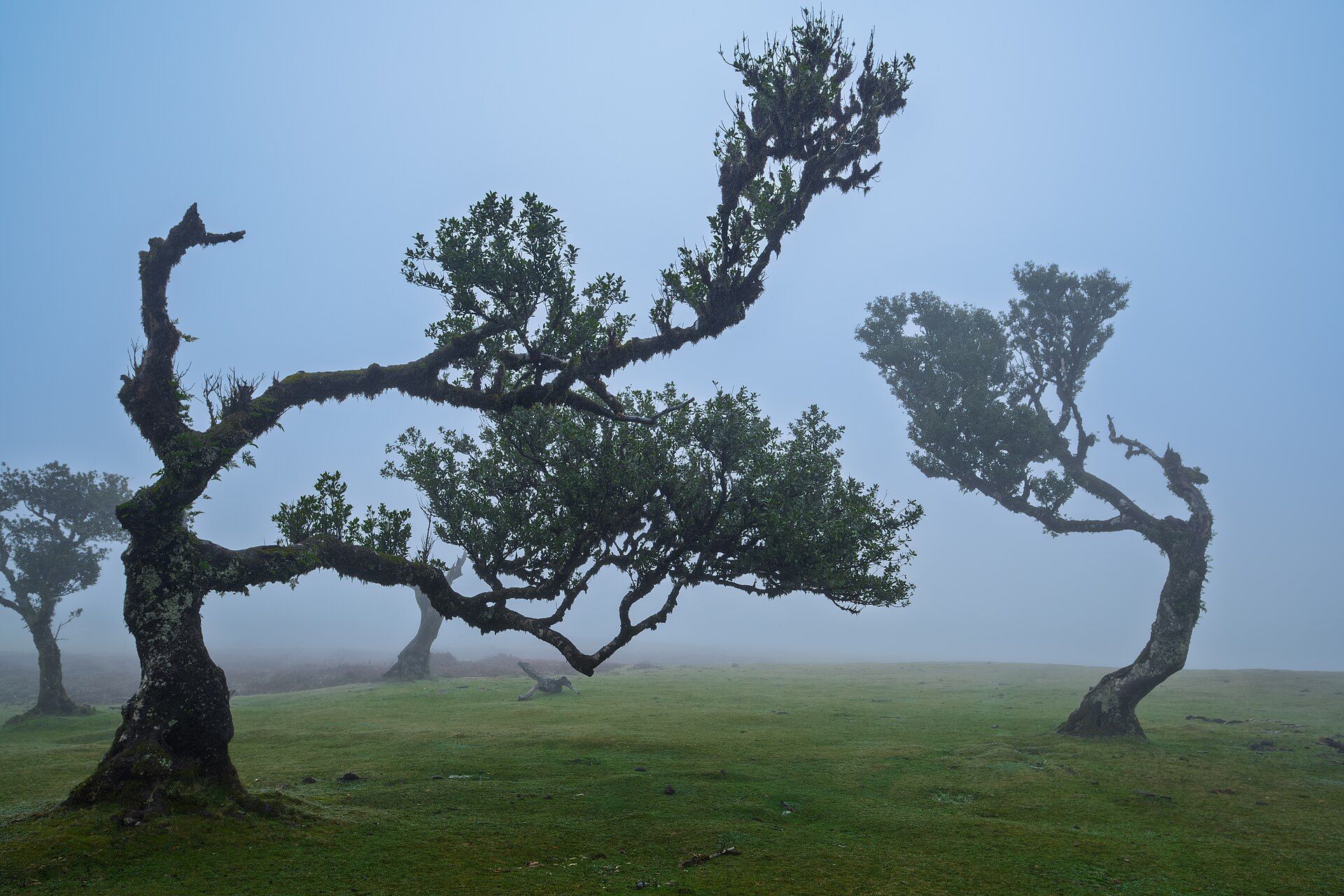
Madeira is one steep island whose northern slopes carry the Laurisilva — the largest surviving laurel forest on Earth, a UNESCO World Heritage Site since 1999, believed to be around 90% primary forest. The levadas, historic irrigation channels, make that terrain walkable on near-level paths that run into tunnels and along drops. The choice is crater lakes, hot springs and whales across several islands, or one mountain island of ancient forest walks.
The Azores
Crater lakes, hot springs and whales
Nine volcanic islands on the Mid-Atlantic Ridge: calderas with crater lakes, geothermal pools, hydrangea-lined roads, Pico at 2,351 m and a migratory highway for whales and dolphins.
- Sete Cidades and Furnas: crater lakes and thermal pools
- Whale and dolphin watching, best May–September
- Several different islands to hop between
Madeira
Laurel forest on level water paths
The world's largest surviving laurel forest, covering over 20% of Madeira between 300 and 1,300 m, threaded by levada channels; some trees are reckoned to be over 800 years old.
- UNESCO-listed Laurisilva, unlike any mainland European forest
- Near-level levada walks with waterfalls and valleys
- Trailheads 30–60 minutes from Funchal
Head to head
| What matters | The Azores | Madeira |
|---|---|---|
| Landscape Edge: Toss-up | Calderas and crater lakes, steaming geothermal valleys, pasture divided by blue hydrangea hedges, and Pico's volcanic cone. | Steep northern slopes cloaked in mist-fed, moss-draped laurel forest, with waterfalls and deep valleys. |
| Signature experience Edge: Toss-up | The twin lakes of Sete Cidades from the Vista do Rei viewpoint, a soak in the Furnas thermal pools, and a whale-watching boat. | A levada walk into the forest — 25 Fontes, Rabaçal, Ribeiro Frio — and the twisted old trees of Fanal in fog. |
| Wildlife Edge: The Azores | One of the world's great whale-watching areas: sperm whales and many other cetaceans in the deep surrounding water. | Endemic plants, mosses, ferns and forest birds of Macaronesia rather than big animals. |
| Walking Edge: Madeira | Crater-rim and coastal trails, frequently wet, muddy and slick. | Near-level levada paths, but some run along unguarded drops or through long, dark, dripping tunnels — bring a torch. |
| Getting around Edge: Madeira | Base on São Miguel (about 2h15 from Lisbon to Ponta Delgada) with a hire car; reaching other islands means inter-island flights or ferries on seasonal schedules. | One island: fly to Funchal and drive 30–60 minutes to the forest trailheads. |
| Weather Edge: Toss-up | Changes hour to hour and island to island; viewpoints vanish into cloud, and boat trips cancel in swell. | Temperate year-round, but the northern forest is often wet and misty; trails close after heavy rain or rockfall. |
| Best months Edge: Toss-up | May–September for the driest weather and peak whale watching; hydrangeas in summer. | April–September for the mildest, driest walking weather. |
| Time needed Edge: Toss-up | Four or five days for one island, more for several. | A day per walk; several days to sample the forest properly. |
Which should you choose?
Choose The Azores if…
…you want variety — crater lakes, hot springs, whales — and are happy to drive, chase the clear hour, and perhaps add a second island.
Choose Madeira if…
…you want to walk: day after day of forest levadas from one base, with no inter-island logistics.
The honest verdict
Choose the Azores for volcanic variety and the sea. Crater lakes, thermal pools and whale watching make it the stronger all-round nature trip, but the weather sets the agenda — keep the plan loose and drive up the moment the cloud lifts.
Choose Madeira for walking. The Laurisilva is the largest laurel forest left on Earth, and the levadas let you walk deep into it on near-level paths from a single base. Bring a torch for the tunnels, and check trail status after rain.
Short on time? Madeira is simpler — one island, trailheads under an hour from Funchal. With a week or more and a taste for variety, the Azores reward the extra logistics.
Wonders mentioned here
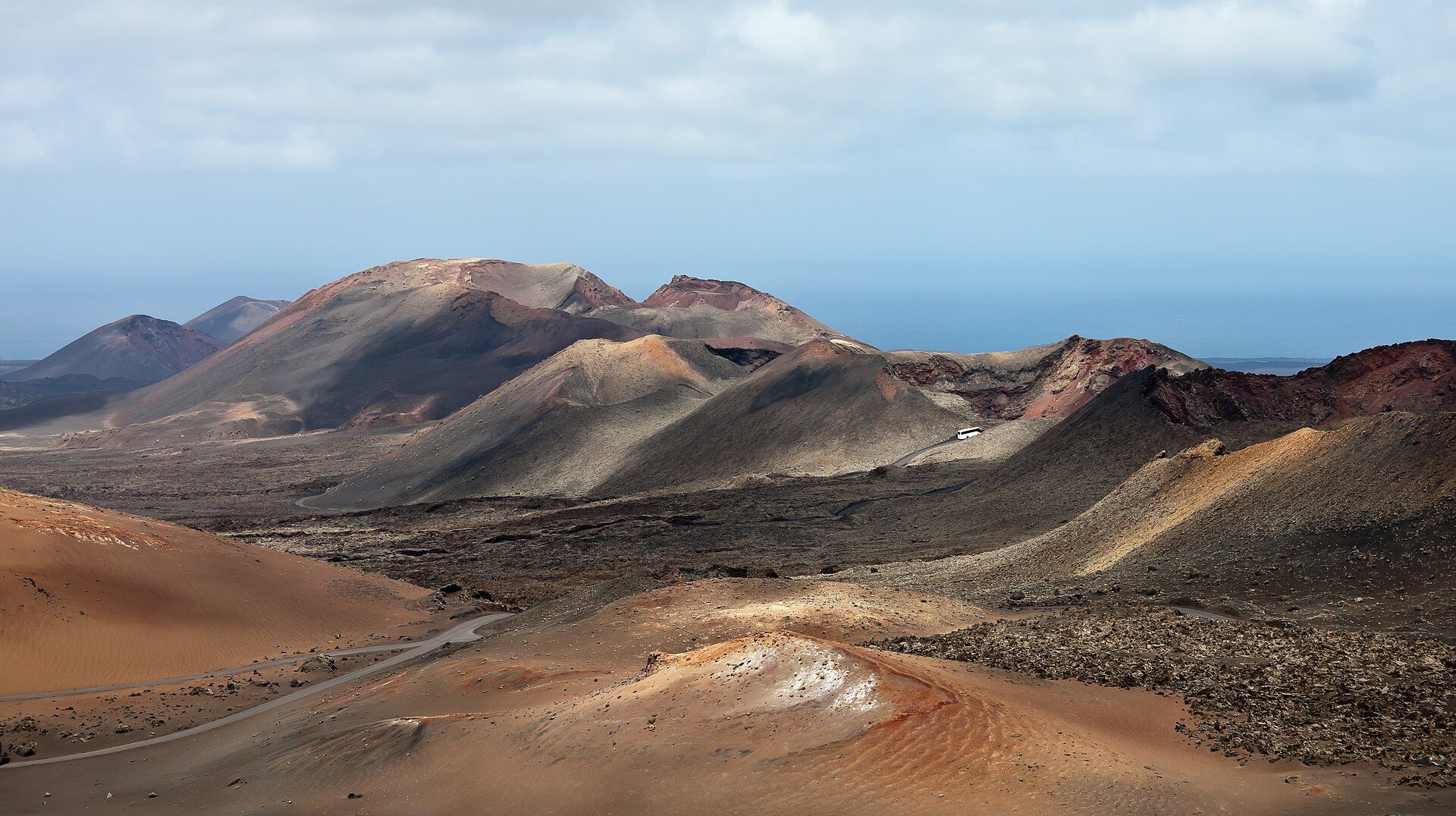
Timanfaya National Park
South-west Lanzarote, Canary Islands, Spain, in the municipalities of Yaiza and Tinajo
Added