Places · Sweden

Natural Wonders of Sweden: The 4 Most Beautiful Places to Visit

4 places in the atlas

Sweden stretches from the Baltic almost to the Arctic Ocean, and its nature changes with it. The far north is Lapland, a wilderness of mountains, lakes, and tundra where Abisko's clear skies frame the aurora. The long coast is fringed with archipelagos, including the High Coast that is still rebounding from the Ice Age, and the limestone island of Gotland with its sculpted sea stacks. Between them lie vast forests, thousands of lakes, and a culture with a deep right-to-roam relationship to the outdoors. Below are the 4 natural wonders of Sweden in the atlas — the most beautiful places to build a trip around, each with what makes it remarkable, when to go, and how to reach it. Best overall time: Summer (June–September) for hiking, islands, and the midnight sun; the dark winter months for the northern lights in Lapland.
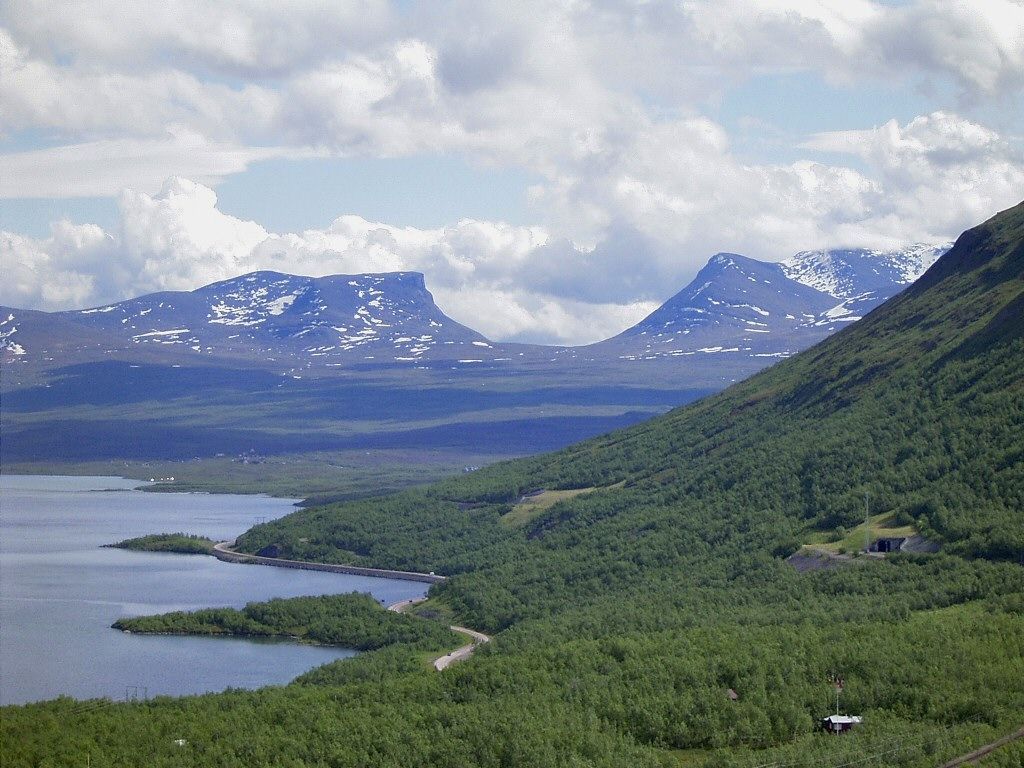
Abisko, Swedish Lapland, above the Arctic Circle, Sweden

Abisko

Swedish Lapland, above the Arctic Circle, Sweden

A national park in the far north of Swedish Lapland famous for some of the clearest skies on Earth — and, beneath them, one of the world's finest windows onto the northern lights.

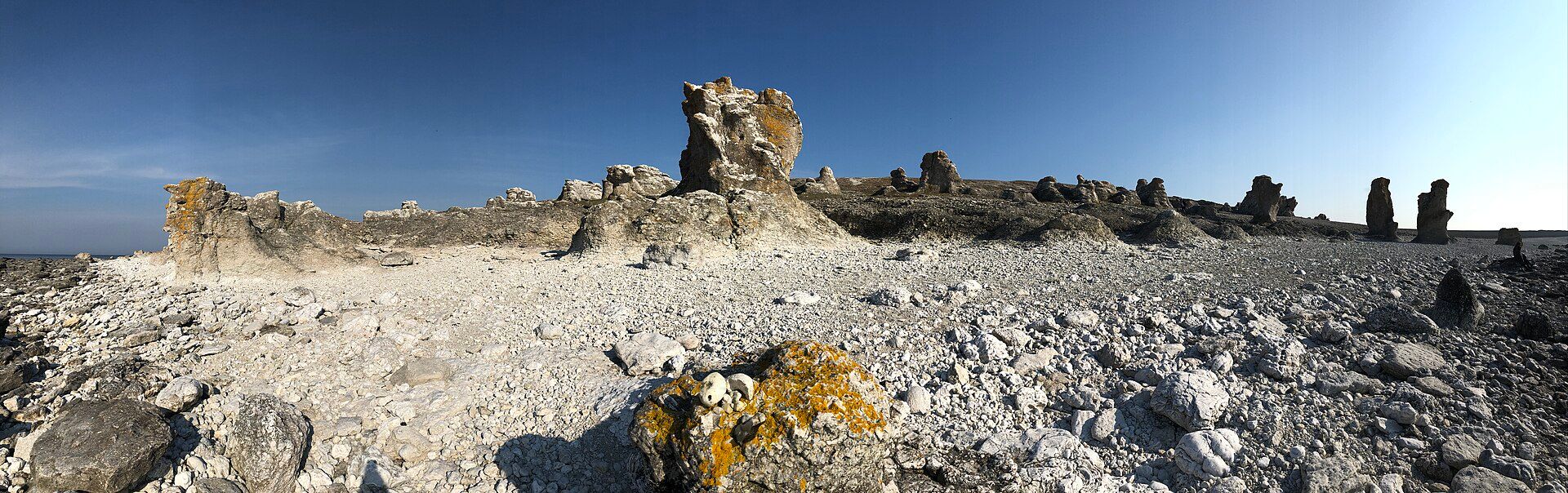
Gotland & the Raukar, Baltic Sea, southeastern Sweden

Gotland & the Raukar

Baltic Sea, southeastern Sweden

Sweden's largest island, rimmed by raukar — weathered limestone sea stacks that stand along the shore like a gallery of stone figures carved by the Baltic.

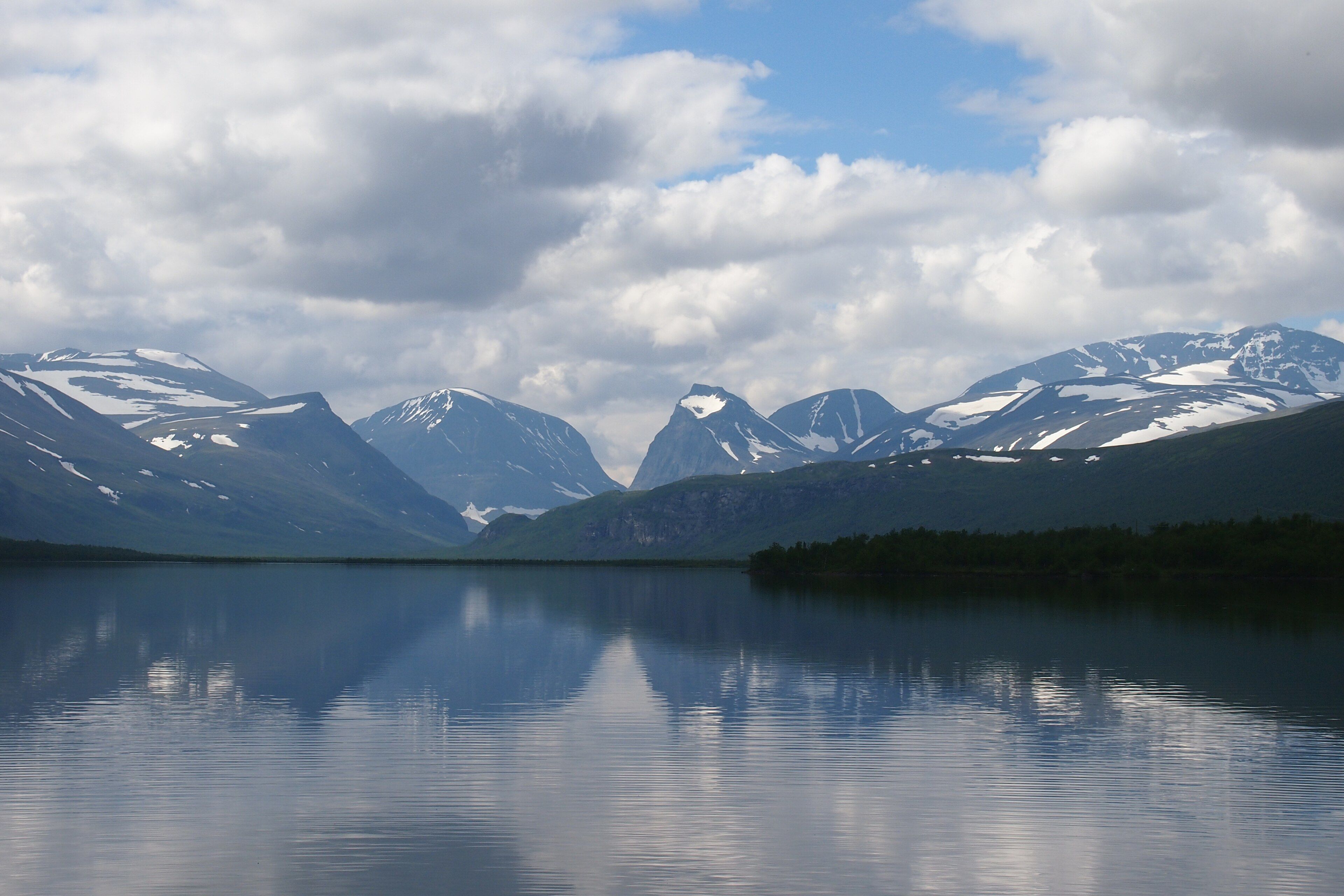
Kebnekaise massif, Kiruna Municipality, Swedish Lapland

Kebnekaise

Kiruna Municipality, Norrbotten, Swedish Lapland

Sweden's highest mountain, whose summit changed places because the old one is made of ice — the glacier-capped south peak has melted below the bare rock of the north peak, and researchers measure the difference every summer.

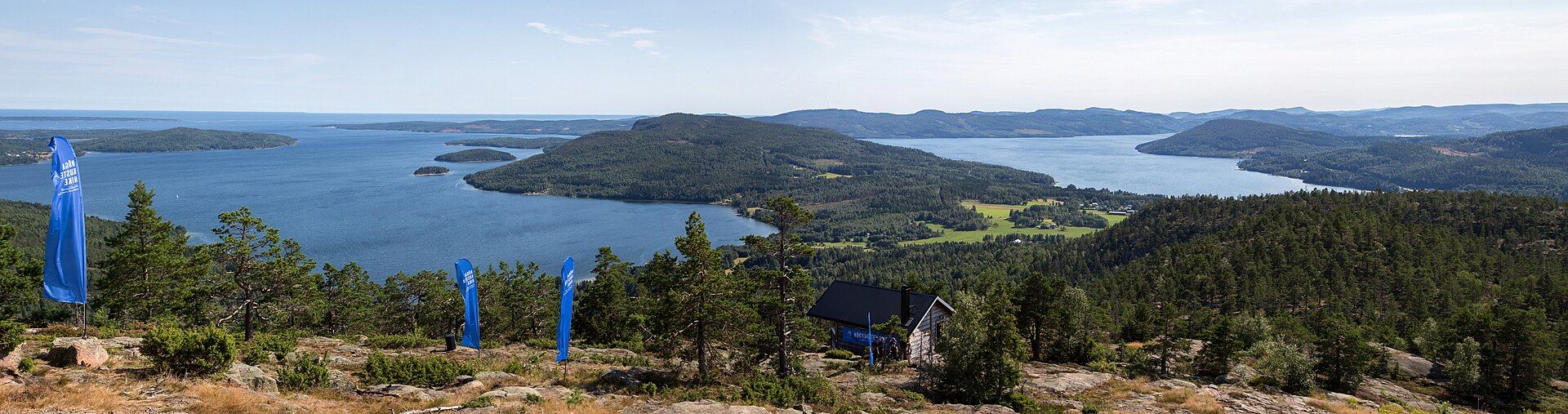
The High Coast, Gulf of Bothnia, northeastern Sweden

The High Coast

Gulf of Bothnia, northeastern Sweden

A rugged Baltic coast of forested hills, cliffs, and islands that is still visibly rising out of the sea — the site of the greatest land uplift measured anywhere on Earth.