Places · Saudi Arabia

Natural Wonders of Saudi Arabia: The 4 Most Beautiful Places to Visit

4 places in the atlas

Saudi Arabia is dominated by desert, but its landscapes are surprisingly diverse. Across the centre runs the Tuwaiq escarpment, whose cliffs reach their most dramatic at the Edge of the World near Riyadh. The southwest rises into the Asir Mountains, high enough to catch the monsoon and turn green and misty. Along the Red Sea lie coral reefs and low islands like the Farasan archipelago, while sandstone deserts, lava fields, and oases fill the vast interior. Below are the 4 natural wonders of Saudi Arabia in the atlas — the most beautiful places to build a trip around, each with what makes it remarkable, when to go, and how to reach it. Best overall time: October to April for the deserts, escarpments, and Red Sea coast; the Asir highlands are pleasant much of the year and greenest in the monsoon summer.
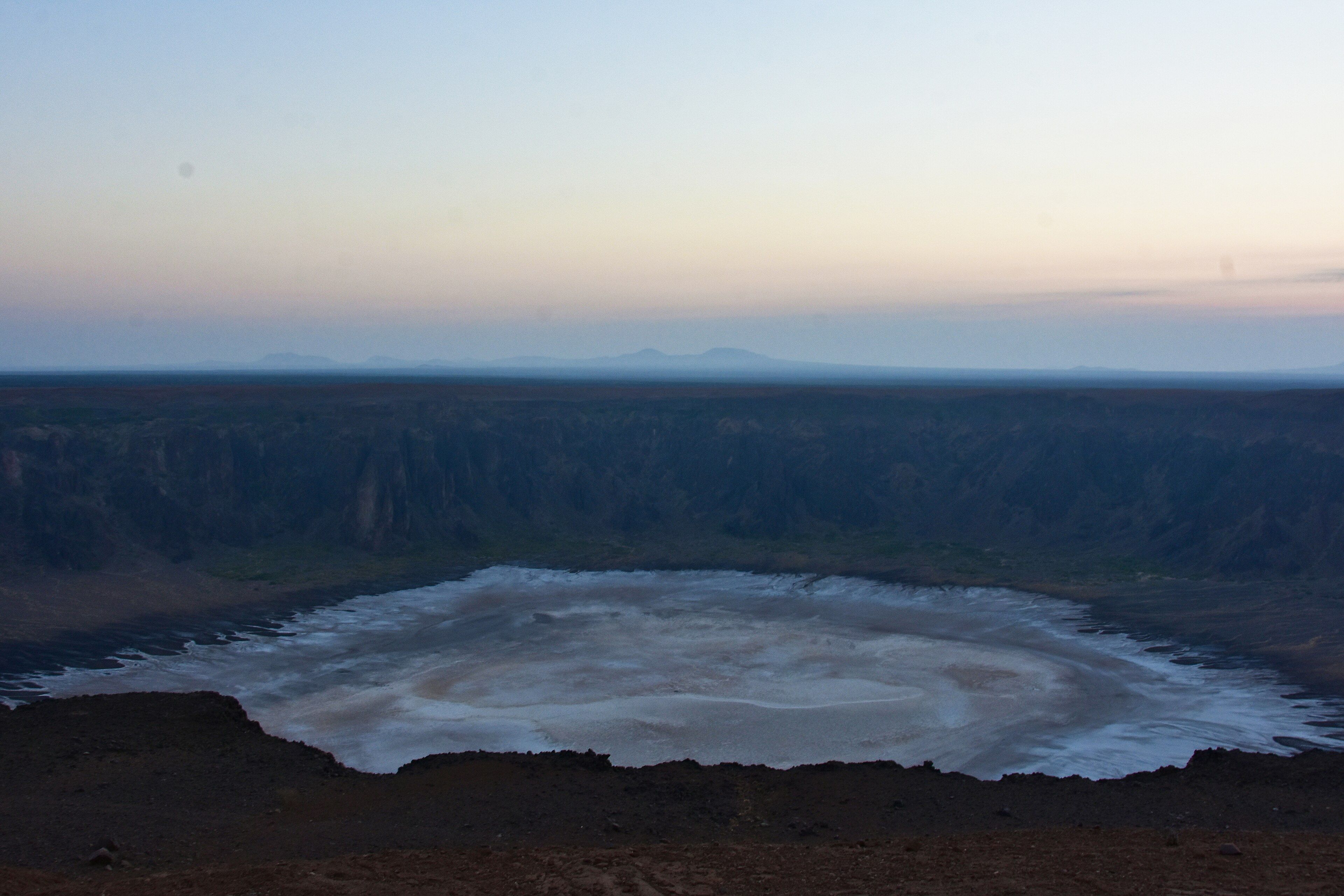
Al Wahbah Crater, Harrat Kishb, Makkah Province, western Saudi Arabia

Al Wahbah Crater

Harrat Kishb, Makkah Province, western Saudi Arabia

A two-kilometre hole in the Arabian desert with a floor of white salt crystals — long assumed to be a meteorite crater, and in fact the scar of a steam explosion from below.

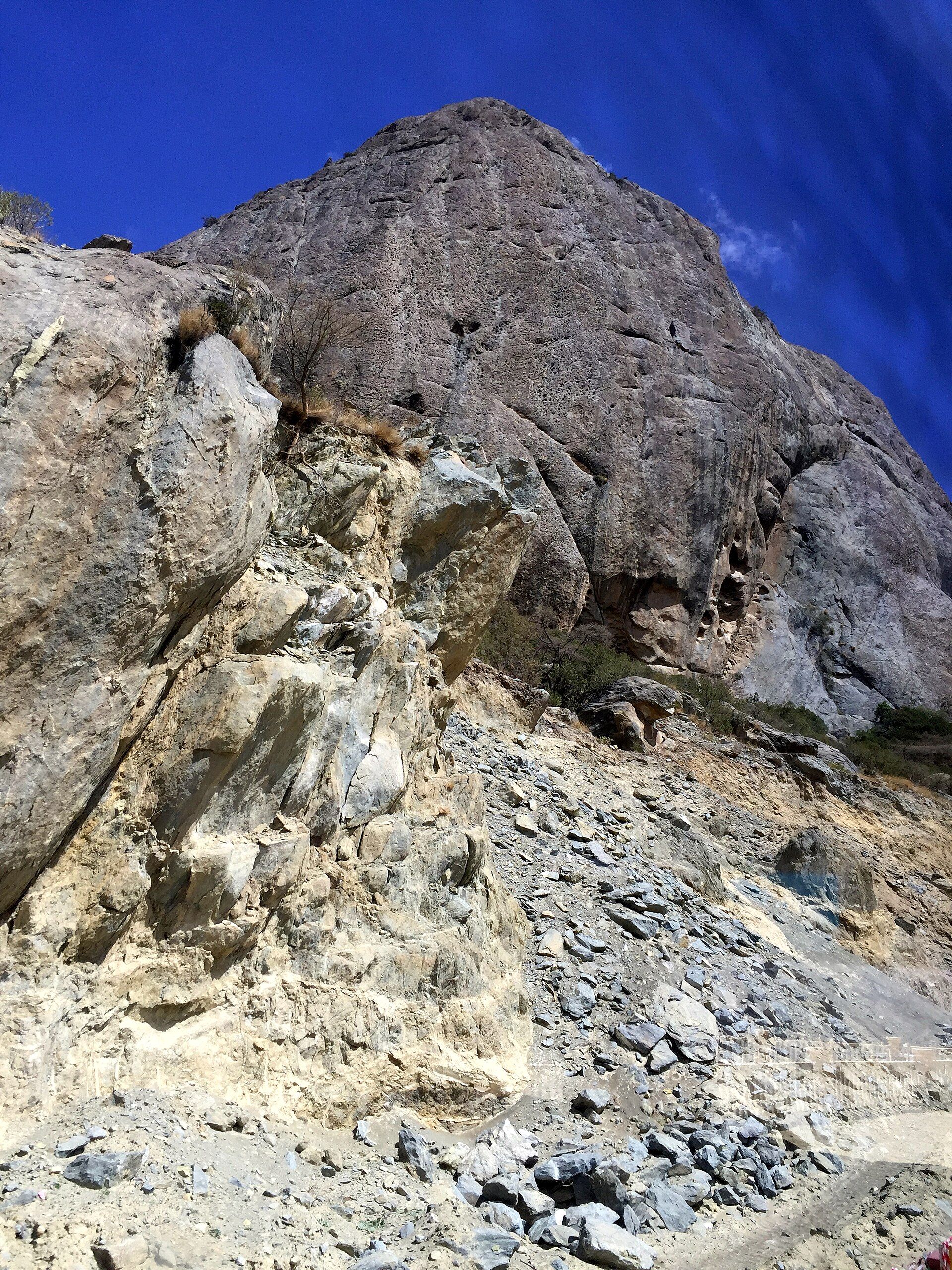
The Asir Mountains, Asir Province, southwestern Saudi Arabia

The Asir Mountains

Asir Province, southwestern Saudi Arabia

A green, misty mountain range in Saudi Arabia's southwest — terraced highlands and juniper forests, cooled by monsoon cloud, that overturn every expectation of the desert kingdom.

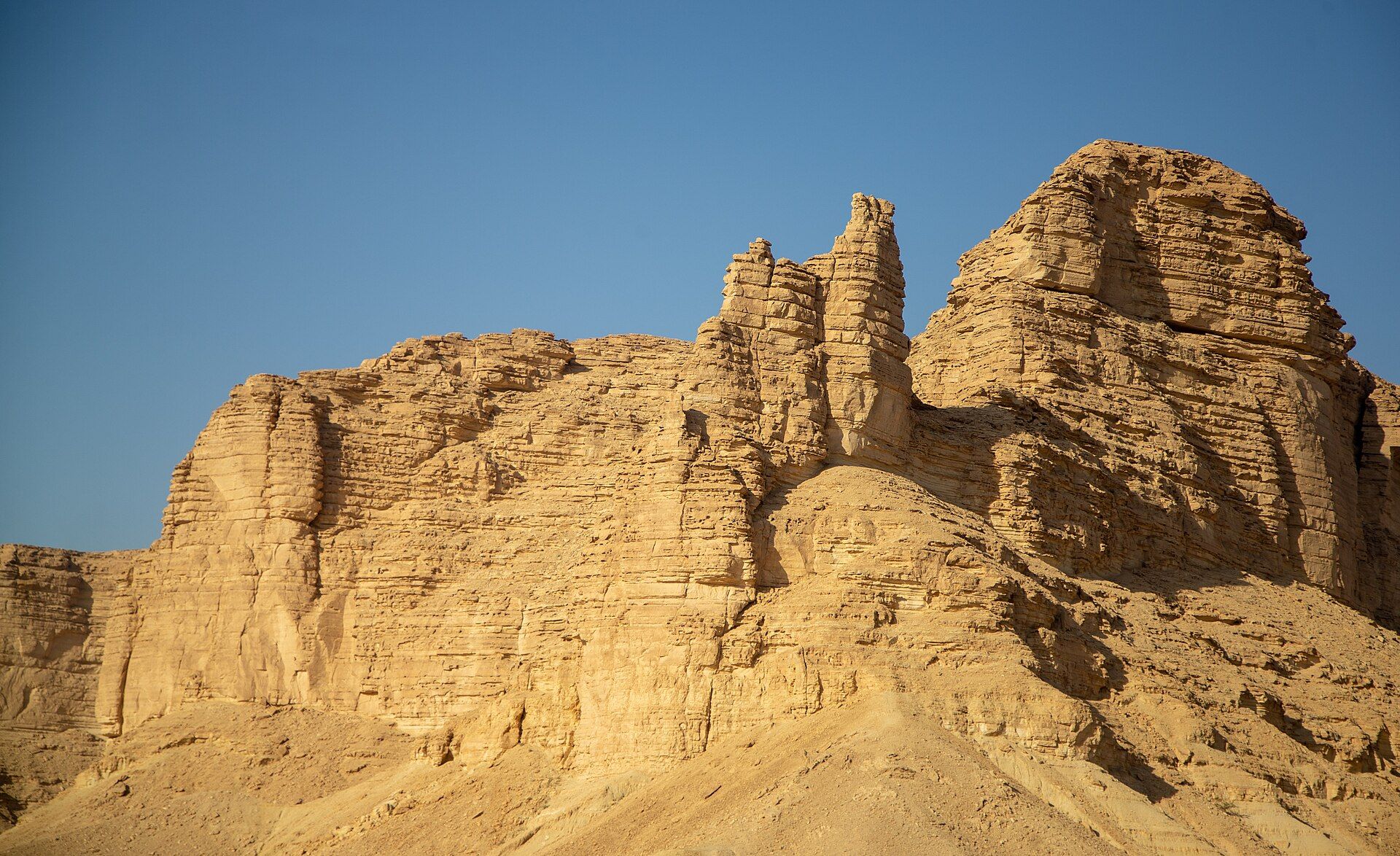
The Edge of the World, Jebel Fihrayn, near Riyadh, Saudi Arabia

The Edge of the World

Jebel Fihrayn, near Riyadh, Saudi Arabia

A dramatic cliff-edge of the Tuwaiq escarpment near Riyadh, where an ancient seabed drops away hundreds of metres to a vast plain that stretches unbroken to the horizon.

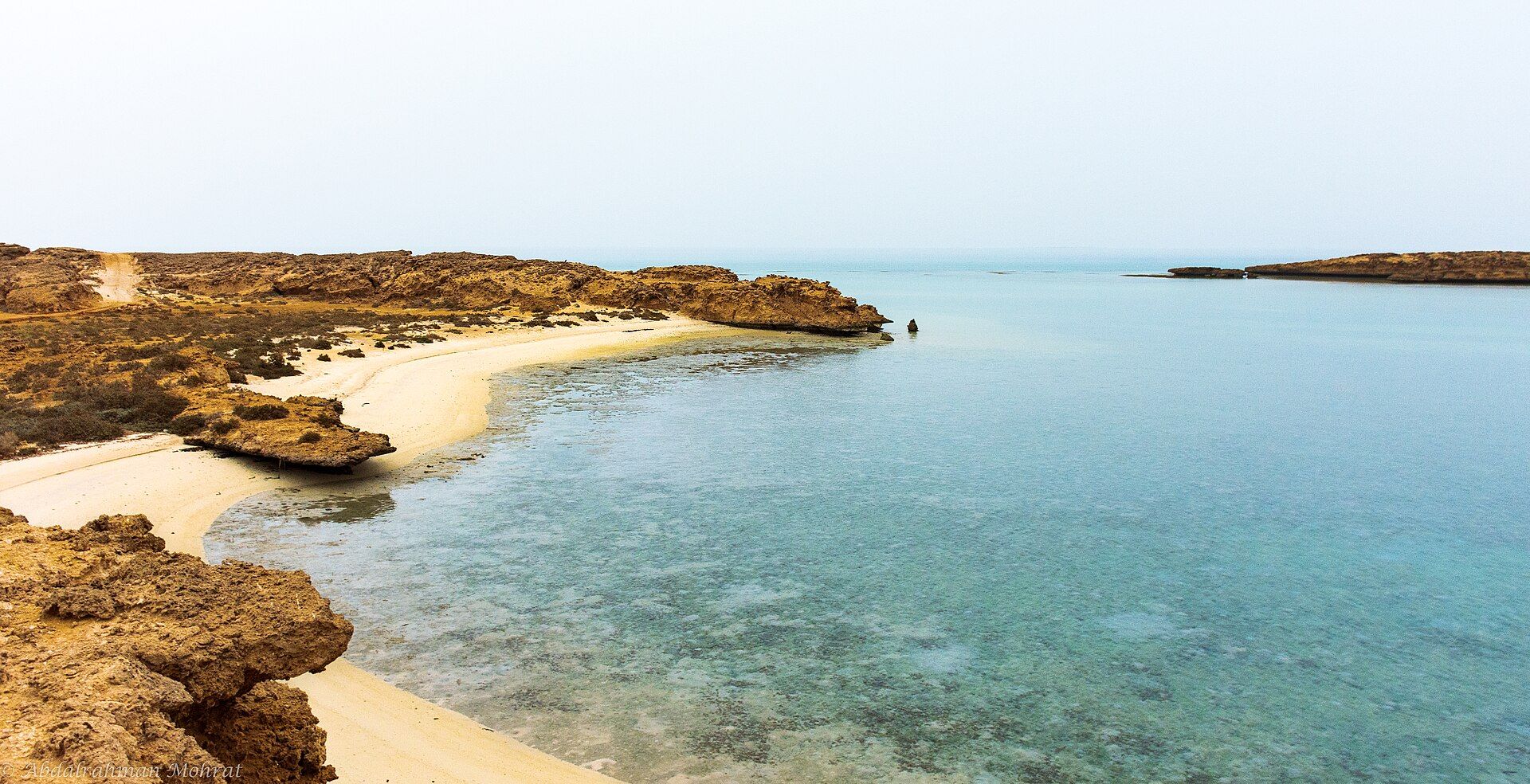
The Farasan Islands, Red Sea, off Jazan, southwestern Saudi Arabia

The Farasan Islands

Red Sea, off Jazan, southwestern Saudi Arabia

A low, coral-fringed archipelago in the southern Red Sea — turquoise shallows, mangroves, and reefs that shelter dugongs, nesting seabirds, and a gazelle found nowhere else.