Places · Iran

Natural Wonders of Iran: The 4 Most Beautiful Places to Visit

4 places in the atlas

Iran is mostly high, dry plateau ringed by mountains, and its natural wonders are shaped by aridity and geology. The Dasht-e Lut in the southeast is one of the hottest places on Earth, its sediment carved by wind into vast ridges called kaluts. In the wetter northern mountains, mineral springs have built the coloured travertine terraces of Badab-e Surt. In the Persian Gulf, the salt dome of Hormuz Island paints hills and beaches in a spectrum of colours. Between them lie forests, salt lakes, and dramatic mountain ranges. Below are the 4 natural wonders of Iran in the atlas — the most beautiful places to build a trip around, each with what makes it remarkable, when to go, and how to reach it. Best overall time: Spring and autumn suit most of the country; the southern deserts and Gulf are best in the cool months of roughly October to April.
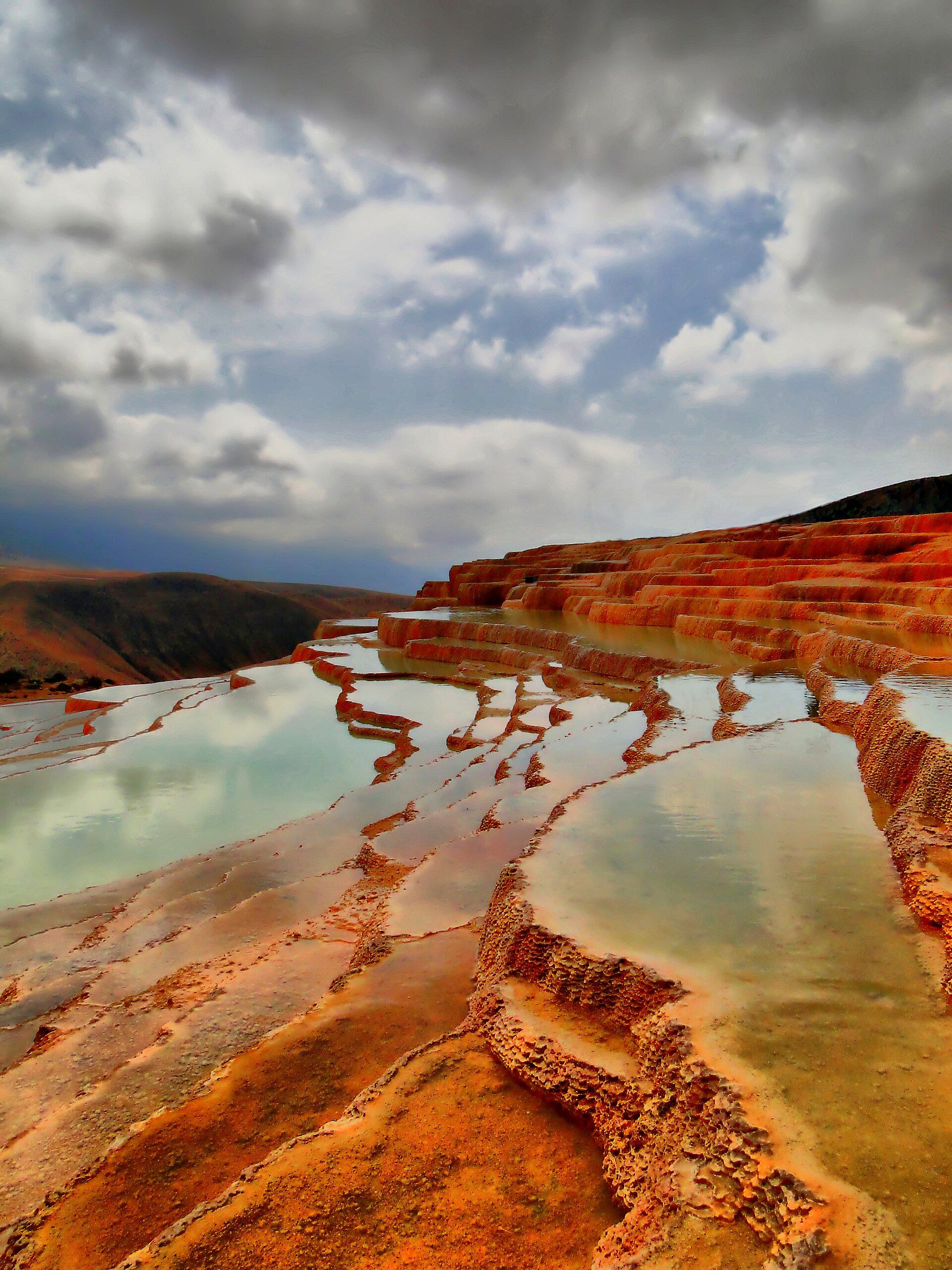
Badab-e Surt, Mazandaran Province, northern Iran

Badab-e Surt

Mazandaran Province, northern Iran

A hillside staircase of terraced mineral pools in northern Iran, stained deep orange and red by iron-rich spring water and built up over thousands of years into stepped basins of travertine.

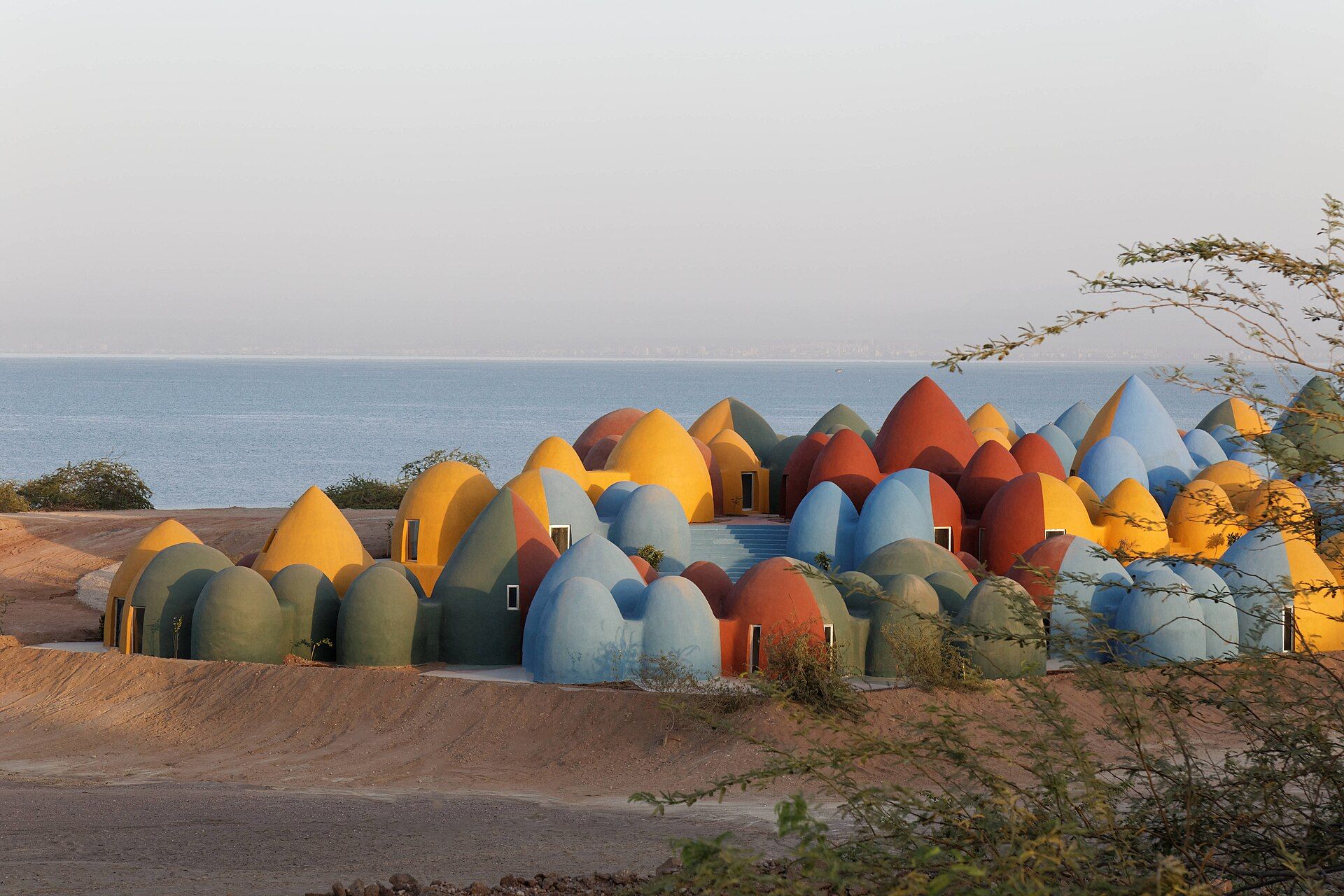
Hormuz Island, Strait of Hormuz, Persian Gulf, southern Iran

Hormuz Island

Strait of Hormuz, Persian Gulf, southern Iran

A small 'rainbow island' in the Strait of Hormuz where salt-dome geology paints the hills and beaches in red, ochre, and a spectrum of mineral colours — including sand you can taste.

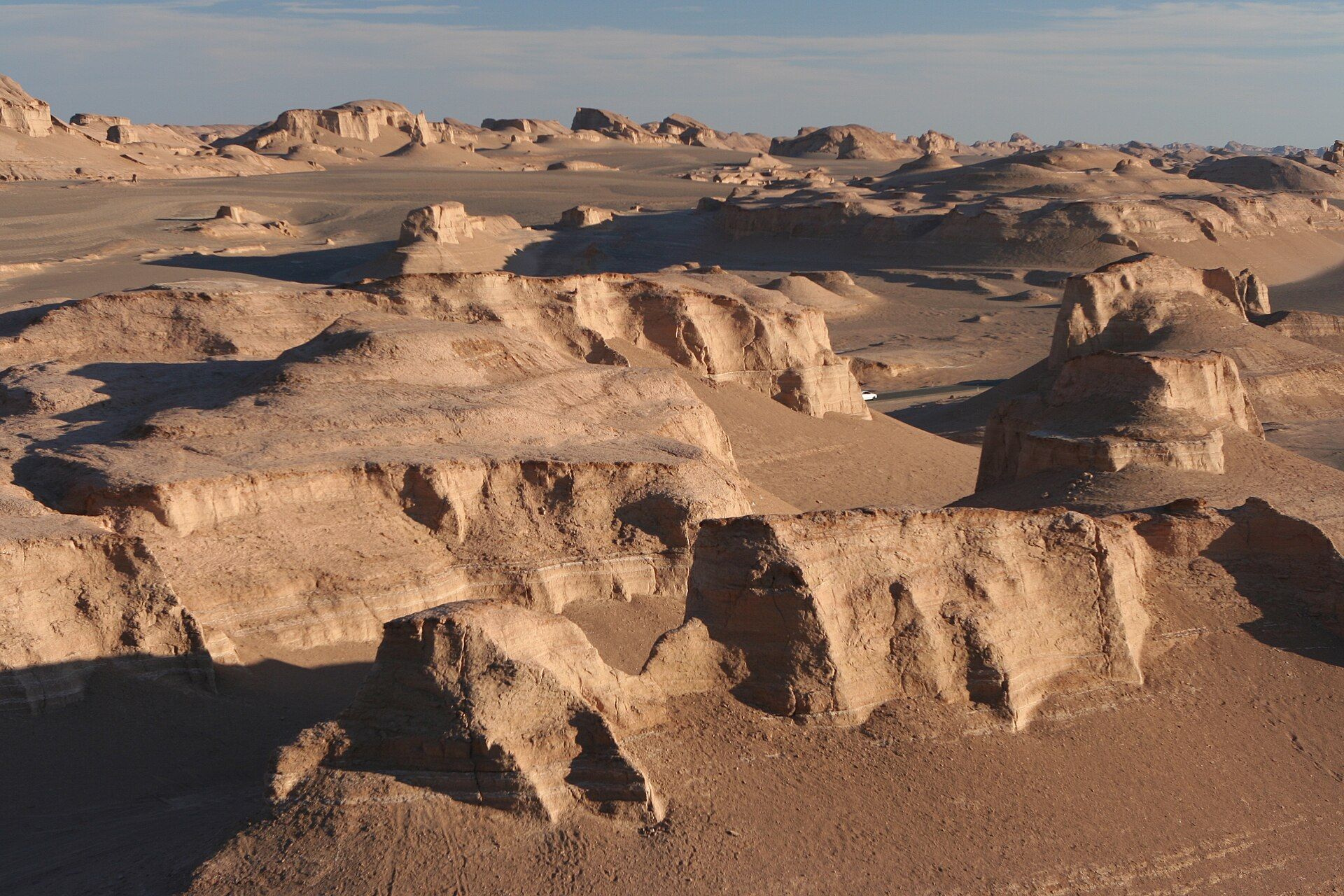
Lut Desert, Kerman & Sistan provinces, southeastern Iran

Lut Desert

Kerman & Sistan provinces, southeastern Iran

One of the hottest and most surreal deserts on Earth — a sea of wind-carved ridges called kaluts that stretch to the horizon, where satellites have recorded record land-surface temperatures.

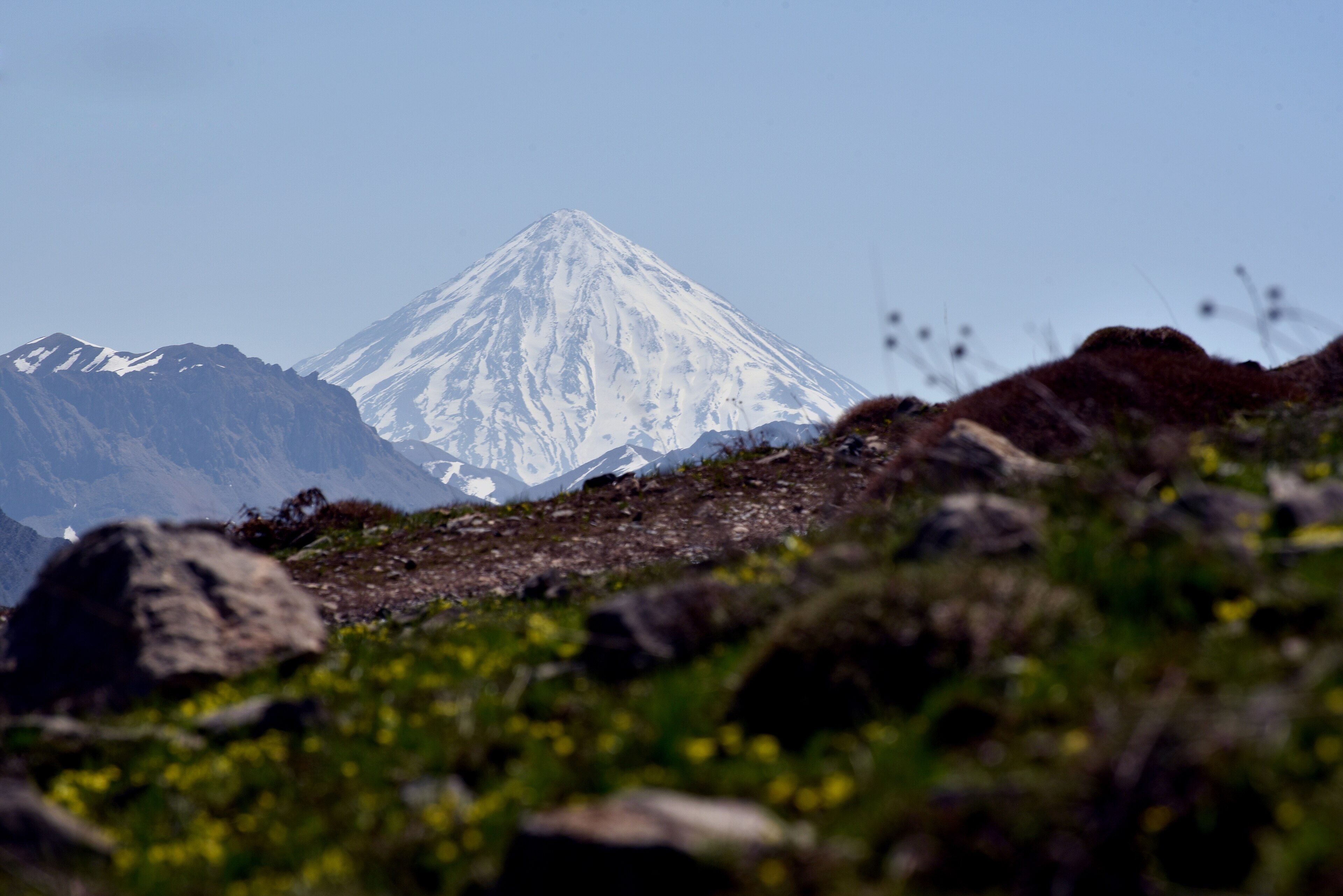
Mount Damavand, Alborz range, Mazandaran Province, northern Iran

Mount Damavand

Alborz range, Mazandaran Province, northern Iran

The highest peak in Iran and in the whole Middle East — a near-symmetrical stratovolcano above the Alborz range, with sulphur fumaroles still venting at the summit crater and hot springs on its flanks.