Siquijor
📍 Siquijor, Central Visayas, Philippines
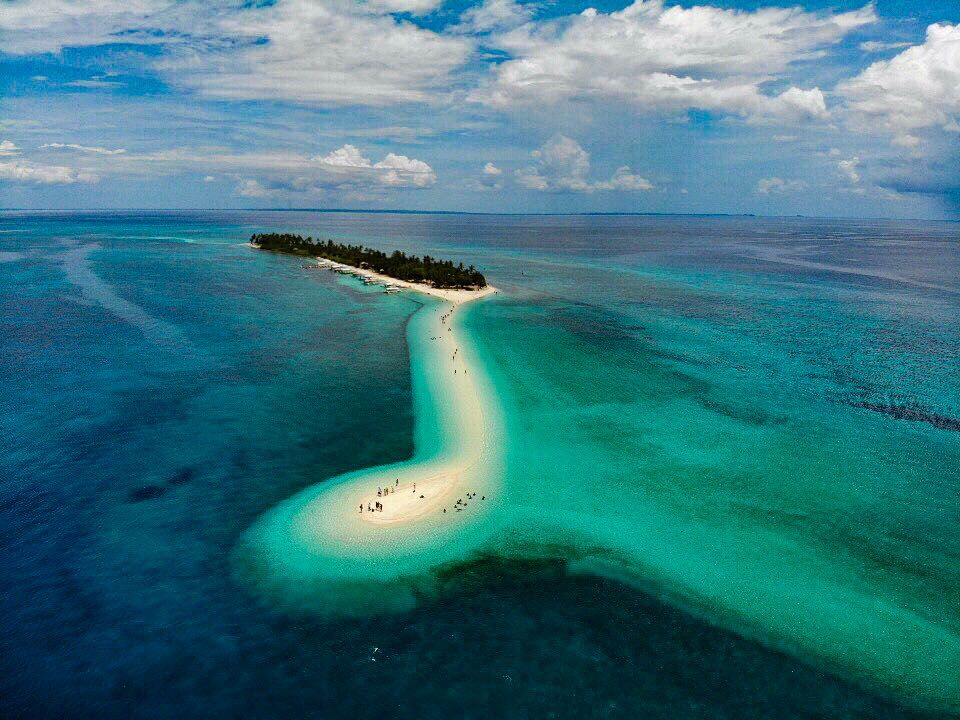
A small island of clear-water coves, waterfalls spilling into turquoise pools, and coral sanctuaries just off the sand — all fed by rain that sinks straight through its raised-coral bedrock and resurfaces inland as cold blue springs.
What makes it marvelous
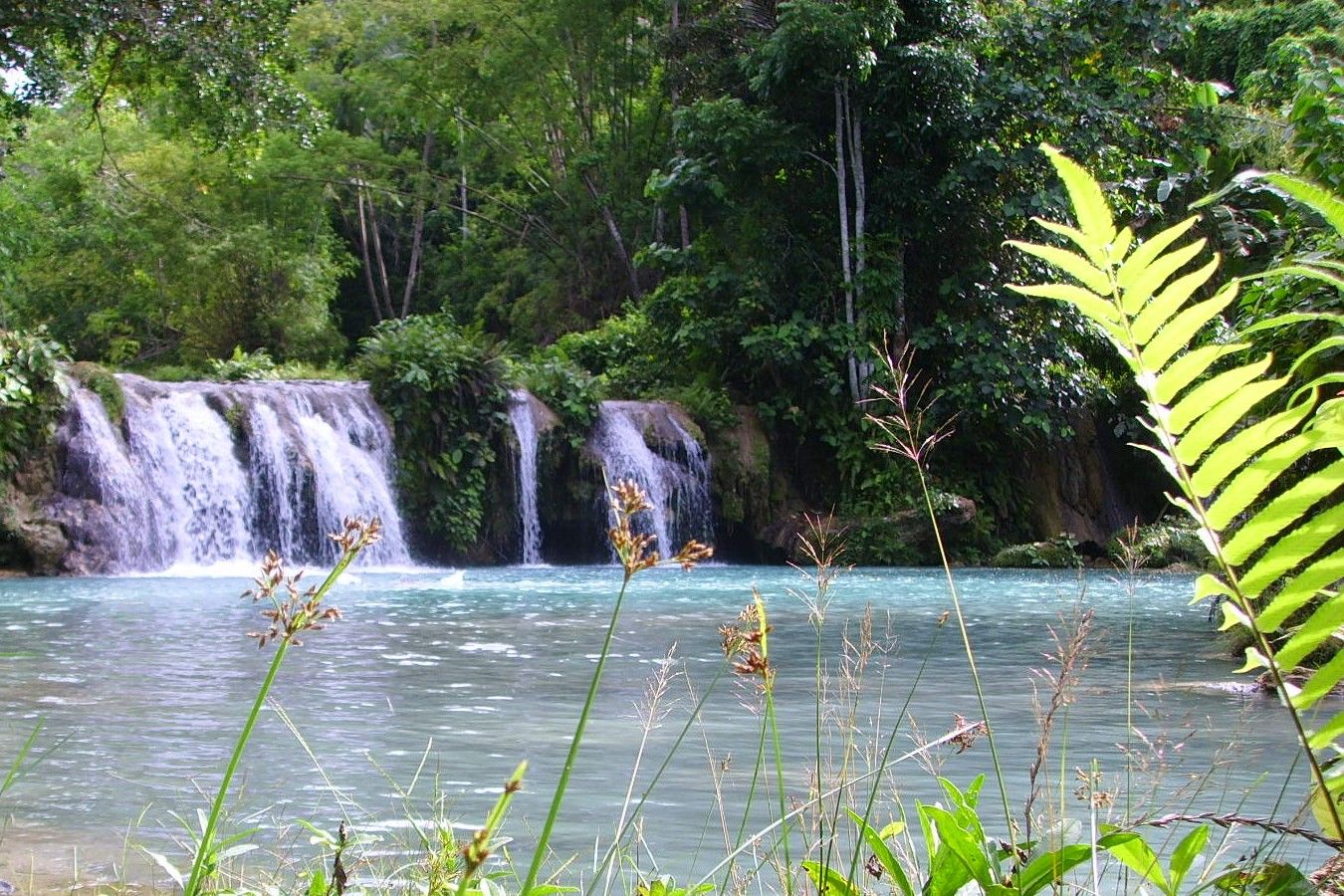
Siquijor is a raised coral-limestone island, ringed by fringing reefs and honeycombed with springs. Rain sinks through the porous rock and re-emerges inland as cool, mineral-blue streams — most famously at Cambugahay Falls, a stair of travertine-tinted pools under the forest — before running back to a coast of white sand and shallow reef. Old-growth trees, including a giant century-old balete, rise over the interior, and the surrounding waters hold protected marine sanctuaries where the reef climbs almost to the beach.
Why visit
It is the Philippines in miniature and at half speed: you can ring the whole island by motorbike in a day, swinging on a rope into the pools at Cambugahay, drifting over the coral at Tubod or Paliton, and ending on a west-facing beach for one of the country's great sunsets. Small, low-rise and largely undeveloped, Siquijor keeps a quiet, unhurried atmosphere that larger islands have lost.
What to know before you go
🗓️ Best time
March to May, the dry season, brings the calmest, clearest water for snorkelling and diving and the most reliable ferry crossings. The wider dry window (roughly November to May) works well; June to October is wetter with rougher seas. Waterfalls run fullest late in or just after the rains.
🧭 Getting there & access
Reached by ferry from Dumaguete on Negros (about 1 hour by fastcraft) or from Tagbilaran and Larena on longer routes; the nearest airport is Dumaguete (Sibulan). The island is small enough to circle by rented motorbike, tricycle, or hired van in a day. Marine sanctuaries charge a small entry/snorkel fee.
Good to know
- Rent a motorbike or hire a tricycle to loop the coastal road — the whole island is a comfortable day's ride.
- Wear reef-safe sunscreen and don't touch the coral at Tubod and Paliton sanctuaries; pay the small entry fees that fund them.
- Time the west coast (Paliton, San Juan) for sunset, and Cambugahay earlier when it's quieter and better lit.
Natural riches of the area
- Raised coral-limestone island and fringing reefs
- Spring-fed streams and waterfalls (Cambugahay, Lugnason)
- Community marine sanctuaries at Tubod and Paliton
- Old-growth forest and a landmark century-old balete tree
- White-sand beaches and seagrass turtle habitat
Local food
- Fresh grilled seafood
- Reef fish, squid, and shellfish landed daily and grilled simply along the coast.
- Budbud kabog
- Sticky millet suman steamed in banana leaf, a Visayan breakfast paired with hot cacao.
- Tempurada / local kakanin
- Coconut-and-rice sweets sold at roadside stalls around the island loop.
Siquijor is built almost entirely of raised coral limestone — an old reef lifted clear of the sea. The rock is so porous that rain vanishes into it almost as soon as it lands, travels underground, and resurfaces inland as cold, startlingly blue springs and streams.
The most beautiful of those is Cambugahay Falls, where spring-fed water drops through a series of soft-edged travertine pools shaded by forest; a knotted rope over the lowest pool draws a queue of jumpers all afternoon. Elsewhere the same water surfaces as quiet creeks and feeds an interior of old trees, including a giant balete estimated at more than four centuries old, its roots grown around a spring-fed pool.
The coast is the other half of the island. Fringing reef comes close to shore at the Tubod and Paliton marine sanctuaries, where the coral shelf drops away just past the shallows and the fish life is dense and protected. Rimmed by white sand and west-facing beaches made for sunset, and small enough to circle in a single unhurried day, Siquijor is the rare island that still feels like a secret.
Siquijor: common questions
When is the best time to visit Siquijor?
March to May, the dry season, brings the calmest, clearest water for snorkelling and diving and the most reliable ferry crossings. The wider dry window (roughly November to May) works well; June to October is wetter with rougher seas. Waterfalls run fullest late in or just after the rains.
How do you get to Siquijor?
Reached by ferry from Dumaguete on Negros (about 1 hour by fastcraft) or from Tagbilaran and Larena on longer routes; the nearest airport is Dumaguete (Sibulan). The island is small enough to circle by rented motorbike, tricycle, or hired van in a day. Marine sanctuaries charge a small entry/snorkel fee.
Added Updated
More wonders to explore