Landscapes shaped by people: the quiet genius of the rice terrace
We tend to reserve the word ‘wonder’ for untouched places — a reef, a volcano, a canyon. But some of the most extraordinary landscapes on Earth were made by people, patiently, over centuries, and they belong in the atlas too.
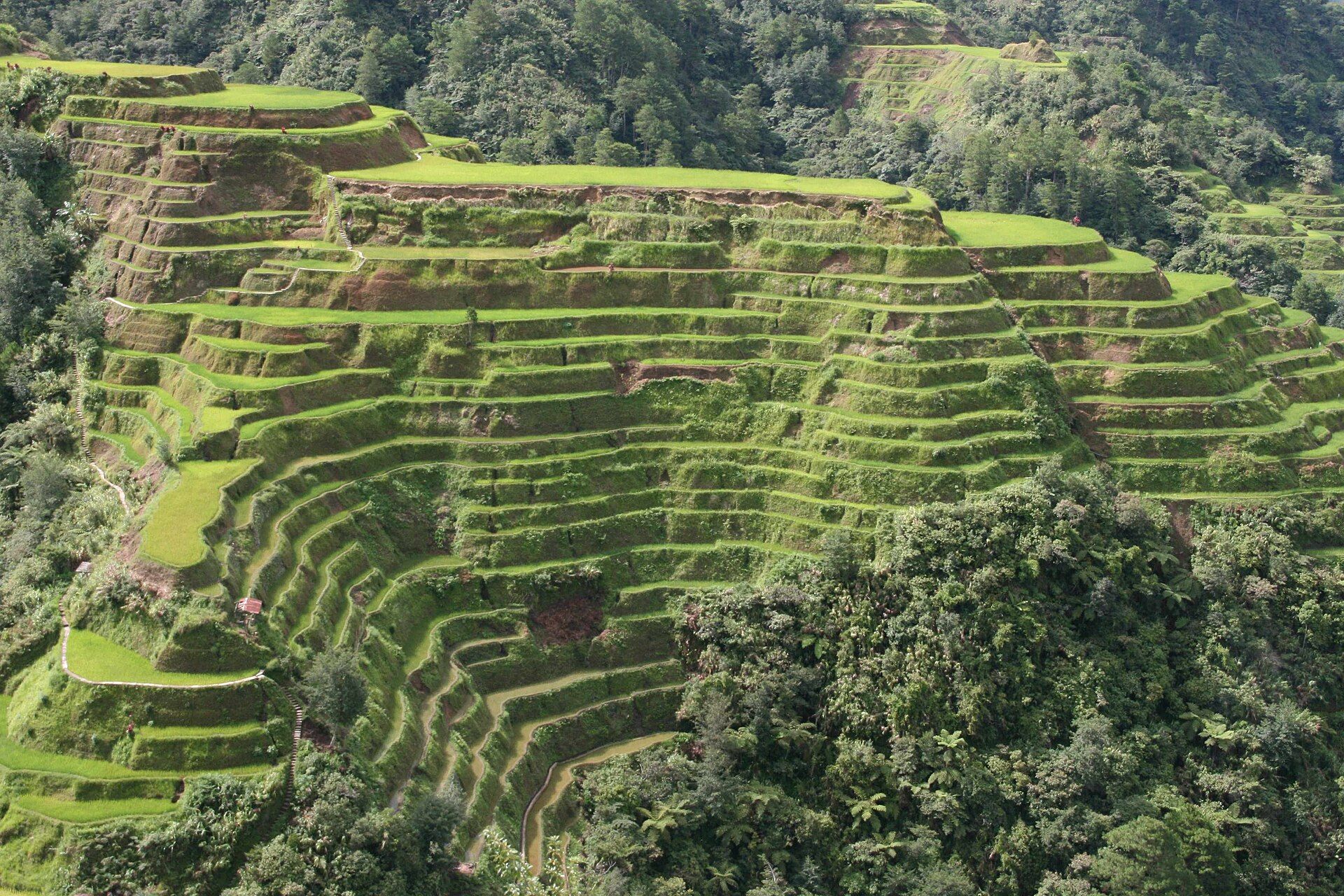
The Ifugao rice terraces around Banaue are the classic example. Over roughly two thousand years, communities carved paddies into impossibly steep Cordillera slopes, following the contours so faithfully that, laid end to end, the terrace walls would stretch a large fraction of the way around the planet. It’s often called the ‘Eighth Wonder of the World’, and the label isn’t hype.
What makes it genius is the ecology, not just the engineering. Above the paddies, the Ifugao protect a watershed forest — the muyong — that captures rain and releases it slowly into a gravity-fed irrigation system. The terraces below hold soil and water on slopes that would otherwise erode away. It’s a closed, self-sustaining loop of forest, water, and farm that has fed people for centuries — arguably one of the most sophisticated pieces of sustainable design anywhere.
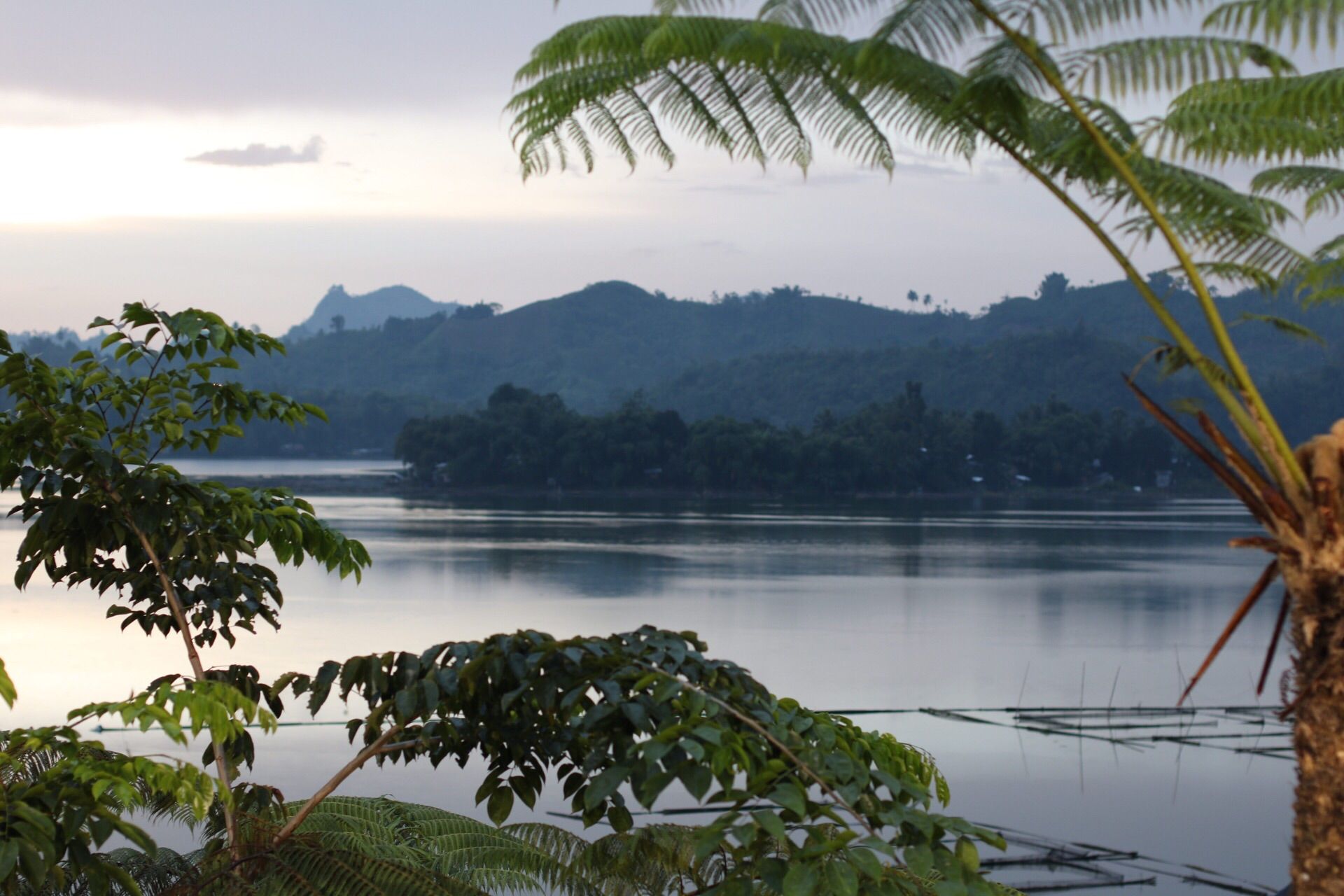
You see the same principle in terraced landscapes worldwide, from the rice terraces of Bali and Yunnan to the vineyard terraces of the Mediterranean and the highland lakes and gardens of communities like the T’boli at Lake Sebu. These places challenge a lazy assumption — that ‘natural’ means ‘without people’. At their best, humans and land can shape each other into something more beautiful and more resilient than either alone. That, too, is a wonder worth crossing the world for.
Wonders in this article