Reefs are cities: how to read a coral reef
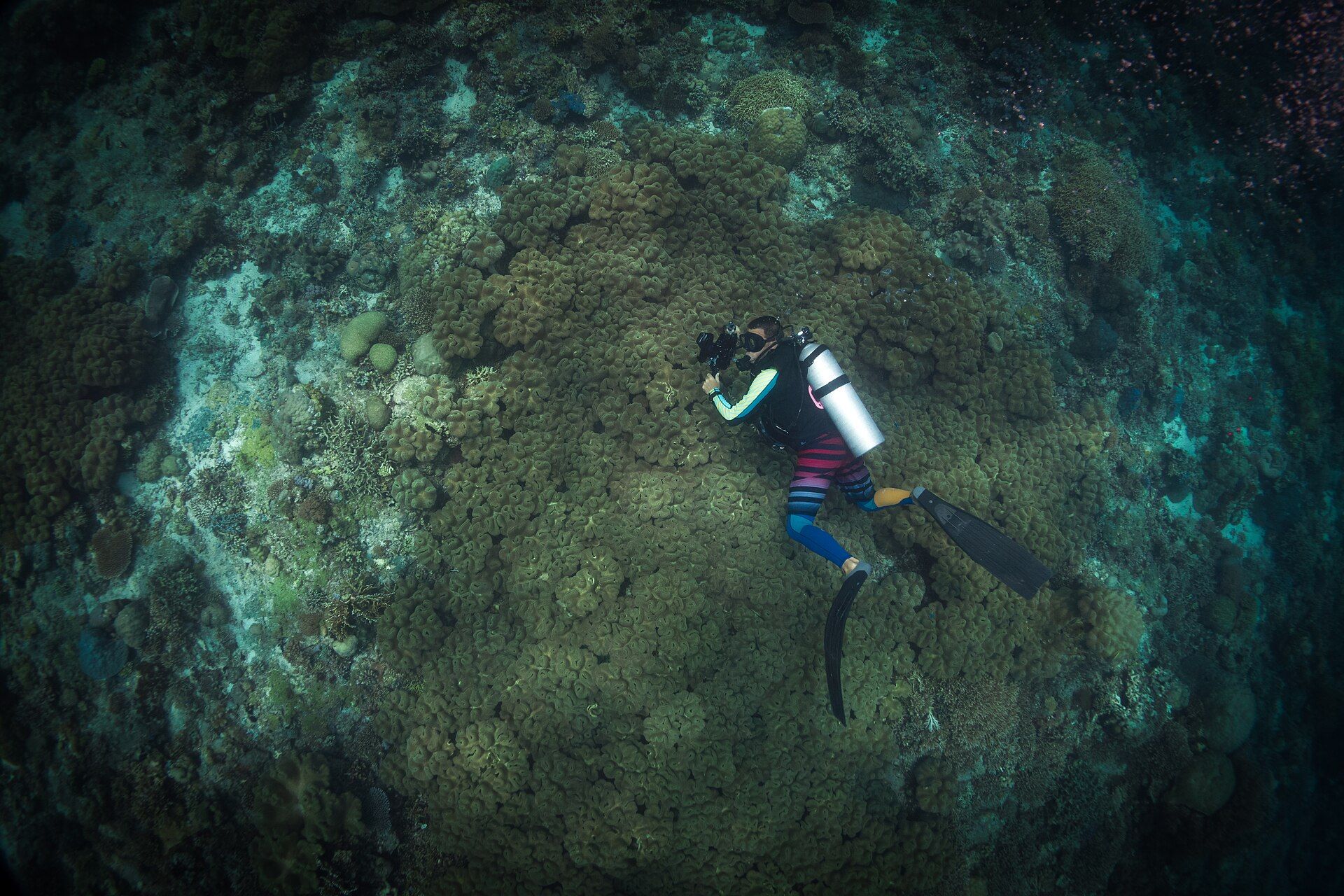
Snorkel over a healthy reef and it can look like joyful chaos. It isn’t. A coral reef is one of the most organised structures in nature — a city built, brick by brick, by animals the size of a pinhead.
The builders are coral polyps, tiny relatives of jellyfish and anemones. Each one secretes a hard limestone cup around itself, and generations of them cement together into the vast structures we call reefs. Most reef-building corals also host microscopic algae in their tissues, which photosynthesise and feed the coral — a partnership that also gives corals much of their colour. When water gets too warm and that partnership breaks down, corals expel the algae and ‘bleach’ white, which is why reef health is such a sensitive barometer of the ocean.
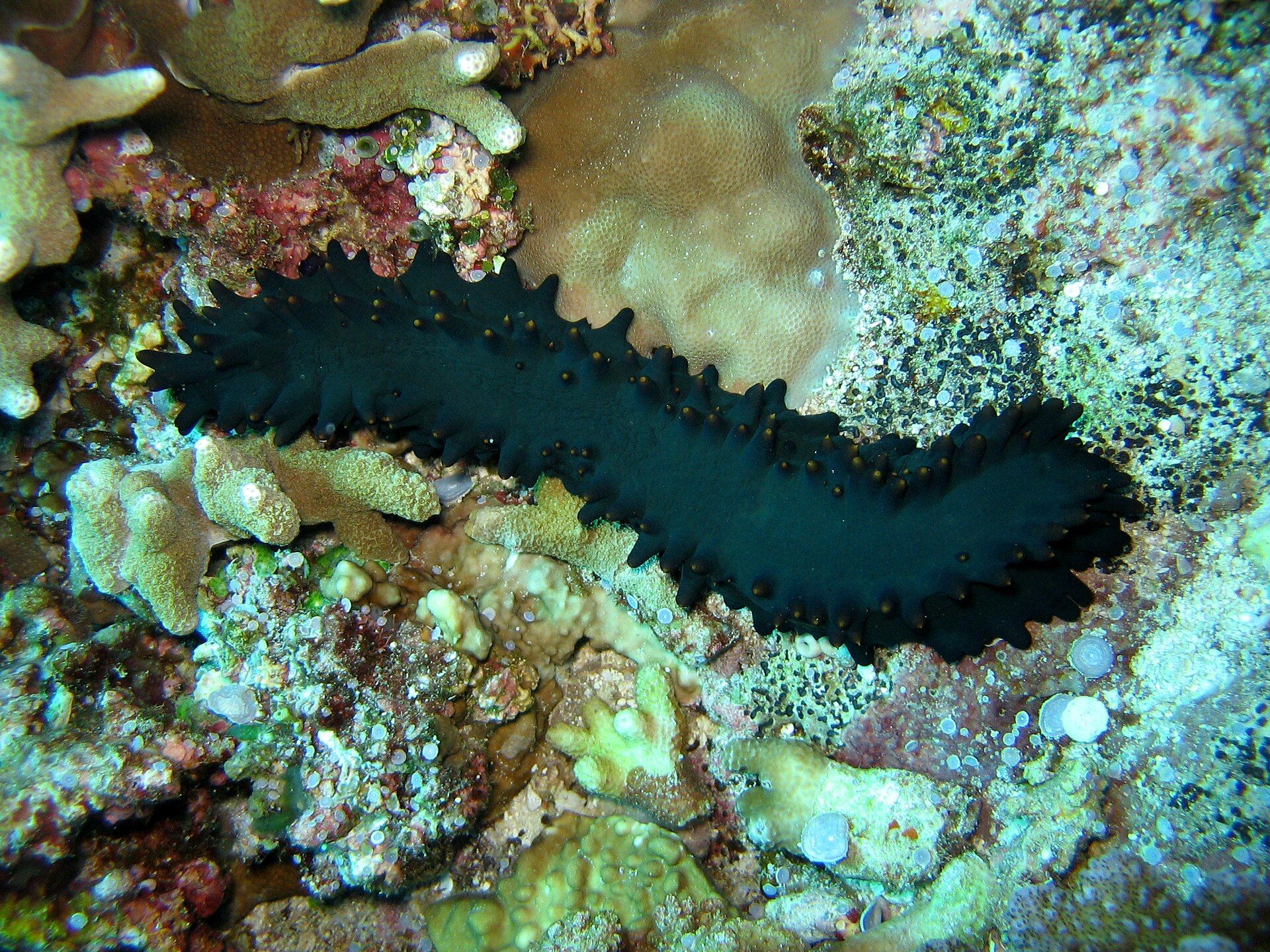
Once you know the reef is a city, you can read its neighbourhoods. The shallow, wave-battered reef flat is one zone; the reef crest takes the brunt of the surf; the reef wall drops into deeper, bluer water where big fish patrol. Every crevice is real estate — cleaned, defended, and inhabited — and the fish you see are its citizens, from tiny gobies to reef sharks near the top of the food chain.
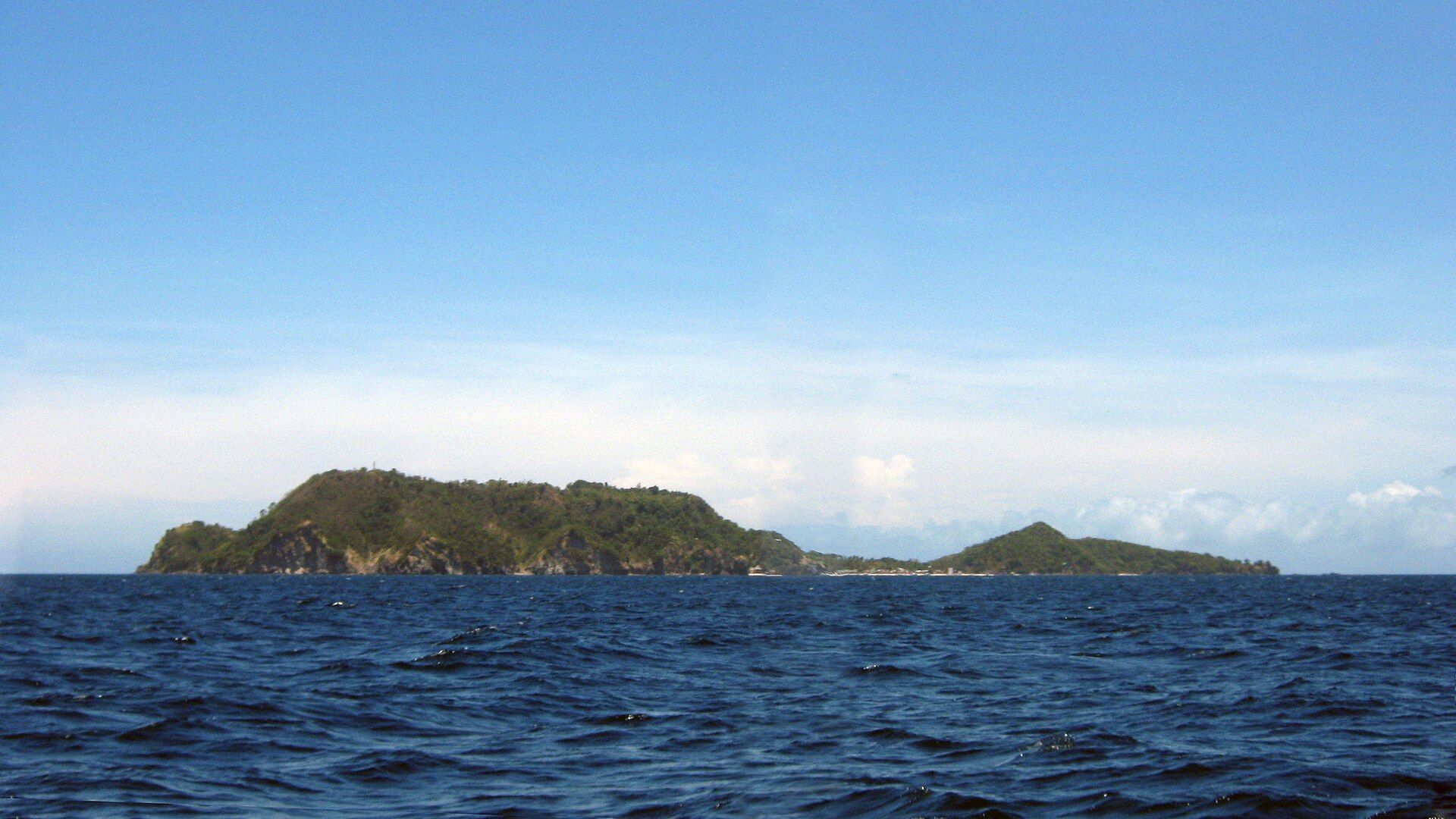
The Philippines sits in the Coral Triangle, the global peak of marine diversity, which is why reefs like Tubbataha and Apo Reef are world-renowned. And Apo Island shows the hopeful flip side of reef fragility: a community that protected its reef watched it come roaring back. Reefs are cities — and, like cities, they thrive or fail depending on how we treat them.
Wonders in this article