Head to head · Granite walls and waterfalls vs the mile-deep canyon
Yosemite vs Grand Canyon: Which National Park Should You Visit?
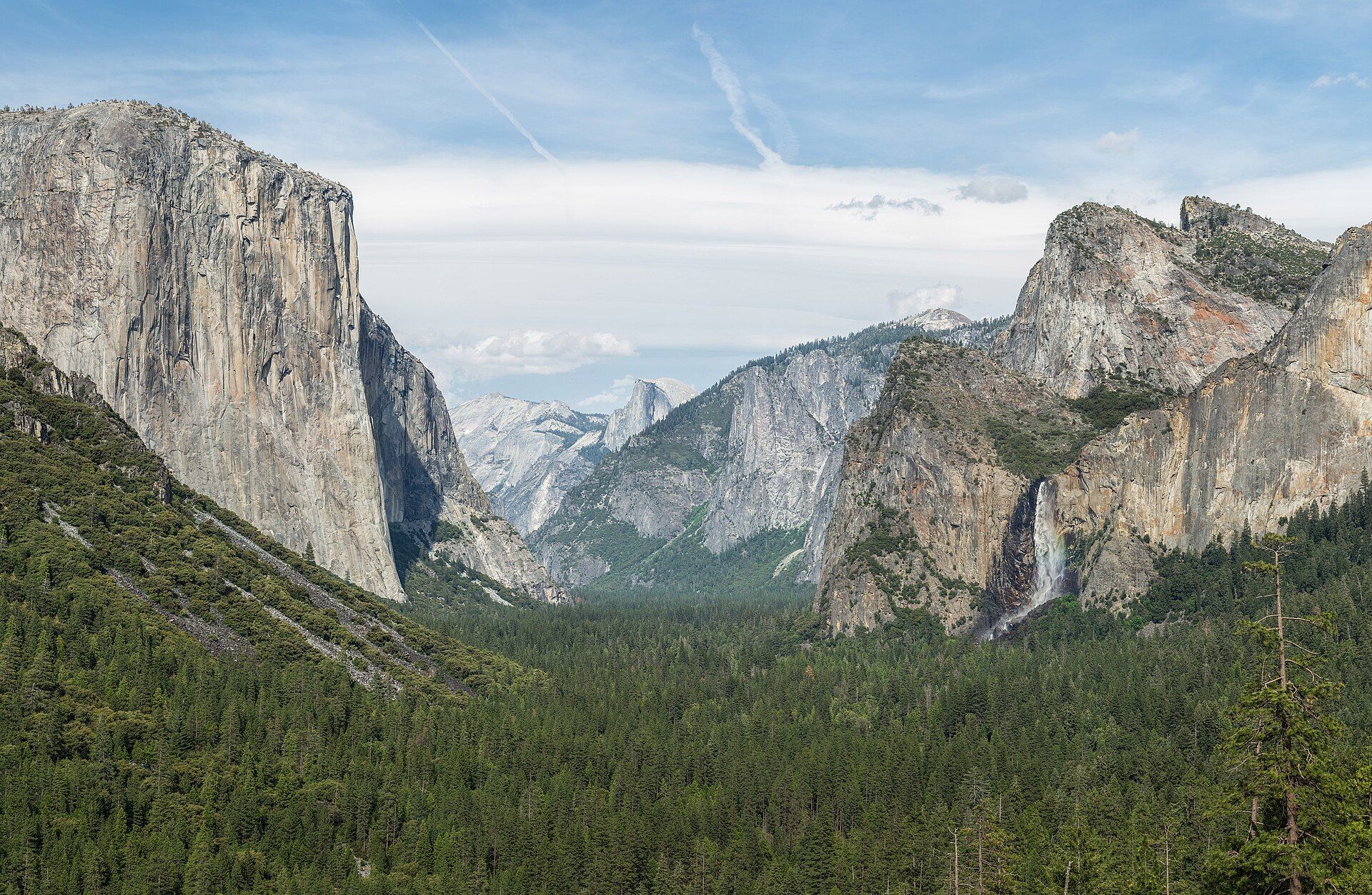
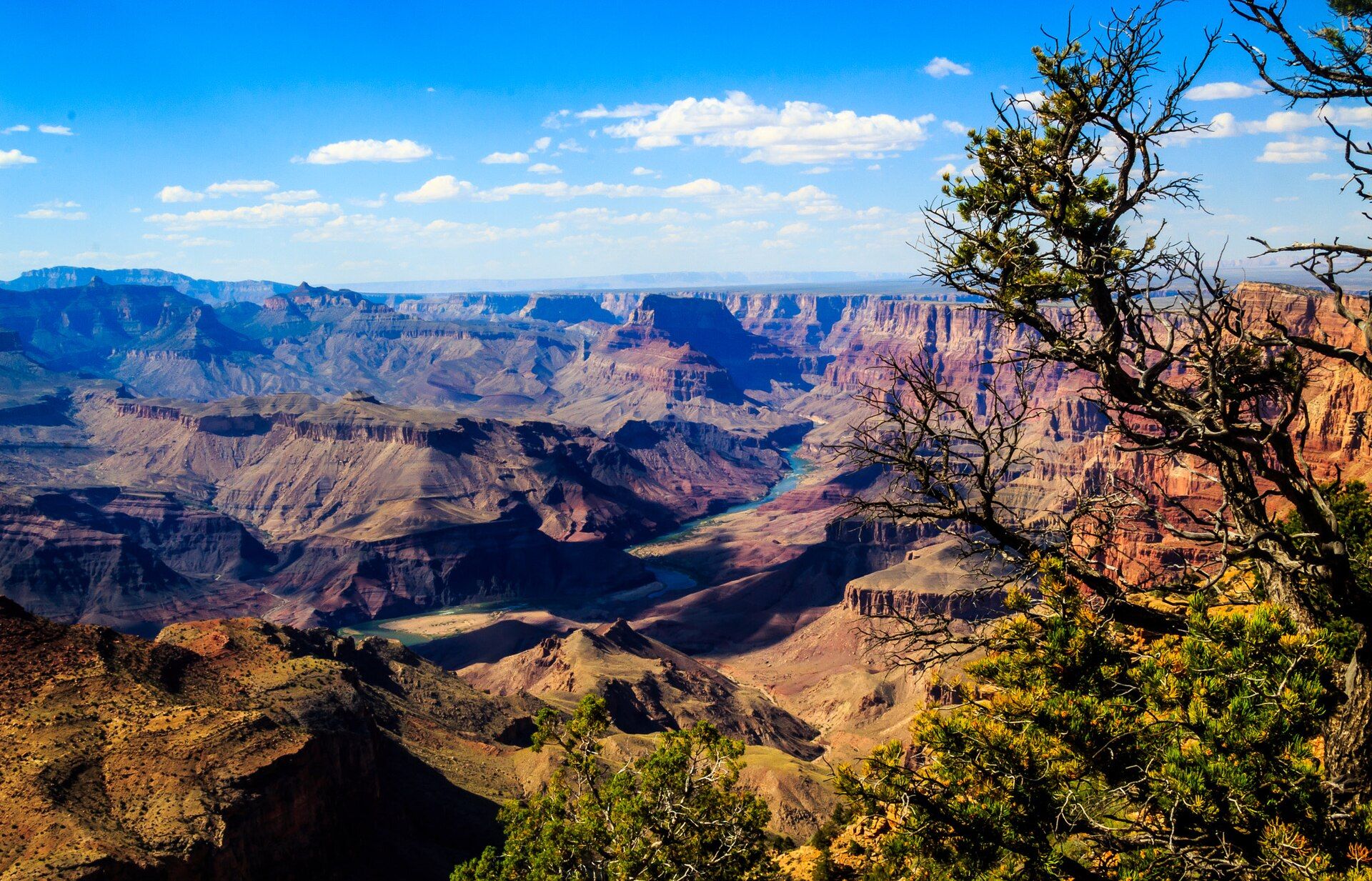
Yosemite and the Grand Canyon are the two big western national parks most people weigh against each other on a first US trip, and they work in opposite ways. Yosemite is a valley you stand inside: glaciers ground an old river valley into a U-shaped trough walled by roughly 900-metre granite cliffs — El Capitan, Half Dome — with snowmelt waterfalls pouring off the rim and giant sequoia groves nearby. The Grand Canyon is a view you stand above: a chasm about 446 km long, up to 29 km wide and about 1.8 km deep, cut by the Colorado River through nearly two billion years of rock.
The deciding facts are timing and starting point. Yosemite's waterfalls peak around late May and June and Yosemite Falls is often dry by August; the Grand Canyon's South Rim is open all year and is mildest in spring and autumn. Yosemite is reached from Fresno, Merced or the San Francisco Bay Area, the Grand Canyon from Phoenix, Las Vegas or Flagstaff.
Yosemite
Granite cliffs, waterfalls and sequoias
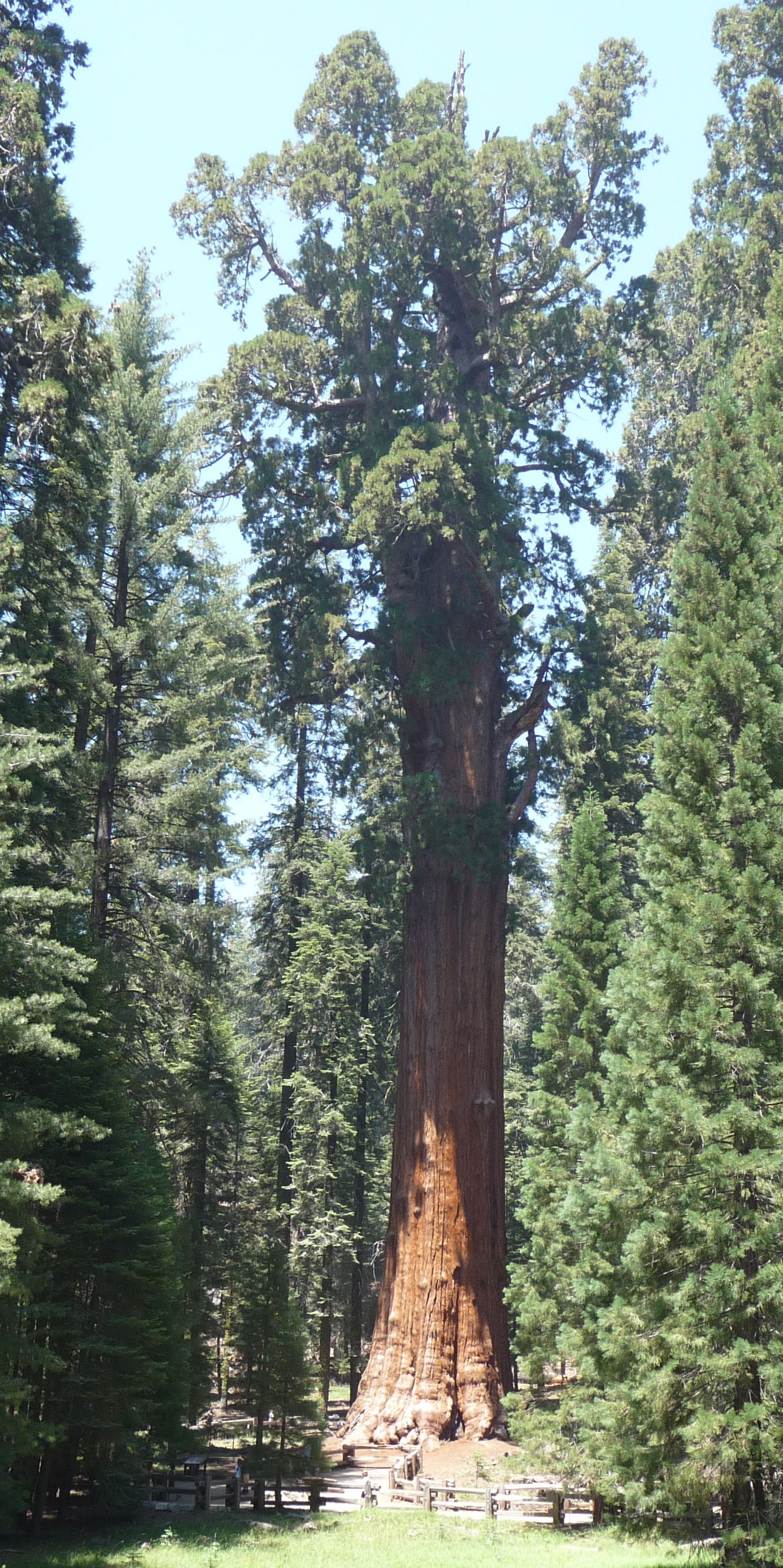
Ice widened an older river-cut V into a U and plucked away jointed granite, leaving El Capitan's roughly 900-metre face, the dome of Half Dome and waterfalls among the tallest in North America. Beyond the valley lie high-country meadows, alpine lakes and groves of giant sequoias, the most massive living things on Earth.
- Waterfalls at full flow in late spring
- Tunnel View, El Capitan and Half Dome from the valley floor
- Giant sequoia groves and the quieter Tuolumne high country
Grand Canyon
A mile deep and two billion years of rock
The Colorado River has cut the canyon over roughly the last five to six million years, exposing an almost unbroken rock record from the rim down to the Vishnu Schist. The walls shift through reds, ochres and violets as the light moves, and the effect is strongest at sunrise and sunset.
- Sunrise and sunset from the South Rim viewpoints
- Open all year on the South Rim
- Hiking below the rim, or rafting the Colorado
Head to head
| What matters | Yosemite | Grand Canyon |
|---|---|---|
| The scenery Edge: Toss-up | You are down among it: sheer granite walls, waterfalls, meadows and the Merced River, all within one valley. | One overwhelming view from the edge: a canyon about 1.8 km deep and up to 29 km wide, best at the ends of the day when low sun gives it depth. |
| Best season Edge: Grand Canyon | May–June for the waterfalls; September–October for crisp weather and fewer people, though most falls are low or dry by then. Tioga Road and Glacier Point Road close with snow for much of the year. | March–May and September–November for mild weather on the South Rim, which is open all year. Summer is hot and crowded; the higher North Rim opens only from roughly mid-May to mid-October. |
| Time needed Edge: Grand Canyon | Three days for the valley; more if you add Tuolumne Meadows and the sequoia groves. | One to two days on the rim; two to three if you go down to the river. |
| Getting there Edge: Toss-up | Fly to Fresno (FAT) and drive about three hours via Wawona, or come from Merced or the Bay Area. YARTS buses from Merced and Fresno avoid the parking problem. | Fly to Phoenix (PHX) or Las Vegas (LAS) and drive roughly 3h30–5h, or base in Flagstaff, about 1h30 from the South Rim. |
| Hiking Edge: Yosemite | From paved valley loops to serious granite climbs, including the Half Dome cables, which need a separate lottery permit. | Rim paths are paved and largely flat. Below the rim the trails are steep, unshaded and dangerously hot in summer; the climb back out is the hard part, and an overnight below the rim needs a backcountry permit. |
| Entry rules Edge: Grand Canyon | Peak-season entry has run on a timed-reservation system in several recent seasons, with rules revised year to year — check the National Park Service for your dates before booking accommodation. | A vehicle entrance fee valid for several days; no reservation is needed for the rim viewpoints. |
| Crowds Edge: Toss-up | Very heavy in the valley from late spring through summer, and parking is the defining frustration. Tuolumne and the high country are far quieter. | The South Rim is busy from spring through autumn, worst around midday at Mather Point and Bright Angel. The North Rim is far quieter. |
Which should you choose?
Choose Yosemite if…
…you can travel in May or June, want waterfalls, big granite and forest rather than one vast view, are starting from San Francisco or central California, and have at least three days.
Choose Grand Canyon if…
…you are travelling outside late spring, have only a day or two, are starting from Las Vegas or Phoenix, or want to hike or raft into one of the world's great canyons.
The honest verdict
If your trip falls in late May or June and starts in California, choose Yosemite: the waterfalls are the point, and they only run at full strength for a few weeks.
At almost any other time — and especially from August to April — the Grand Canyon is the safer choice. The South Rim is open all year, a day or two is enough, and the view does not depend on snowmelt.
Check the National Park Service before you go: Yosemite's peak-season reservation rules change from year to year, and Grand Canyon backcountry permits are allocated well in advance.
Wonders mentioned here
Added