Head to head · Norway's two great Arctic archipelagos
Svalbard vs Lofoten: Which Arctic Norway Trip Is Right for You?
Svalbard and Lofoten both lie far north of the Arctic Circle in Norway, and both have the midnight sun in summer and the northern lights in the dark months. Beyond that they are opposite trips. Svalbard is a High Arctic wilderness roughly halfway between mainland Norway and the North Pole, about 60% glacier, where almost everything beyond the settlement of Longyearbyen is reached by guided boat, snowmobile or dog sled because of polar bears.
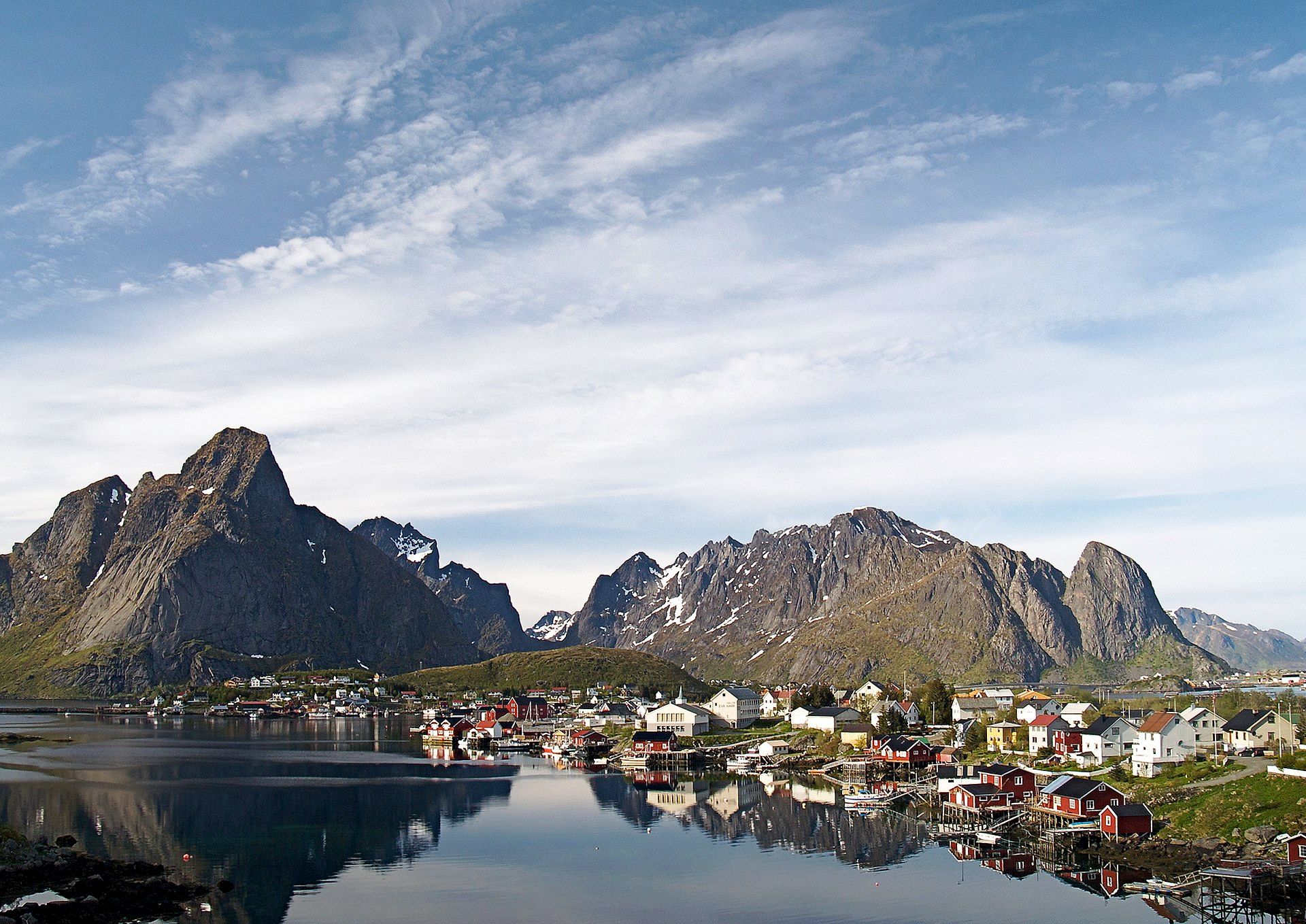
Lofoten is a chain of inhabited islands off Nordland, kept mild for its latitude by the Gulf Stream, with granite and gneiss peaks rising about 1,000 m straight from the sea above white beaches and red fishing cabins. A road, the E10, runs the length of it, there are no permits, and you can hike on your own.
Svalbard
Glaciers, pack ice and polar bears, halfway to the North Pole
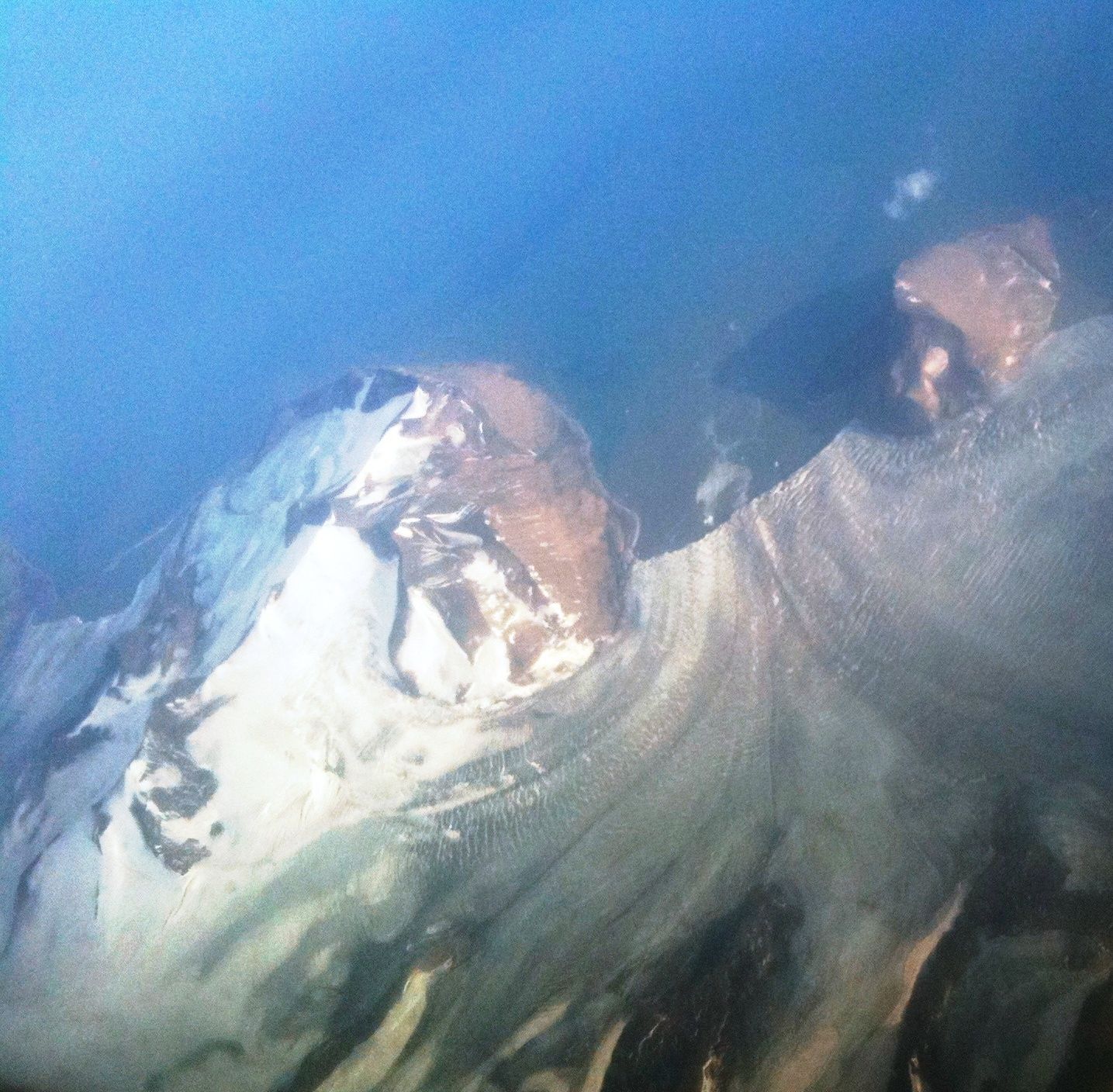
Svalbard is a High Arctic archipelago of glaciers, sharp mountains and ice-choked fjords, most of it inside national parks and nature reserves. It is one of the best places on Earth to look for polar bears in the wild, with walrus, Arctic fox, reindeer, summer seabird colonies and whales. You fly to Longyearbyen, about 3 hours from Oslo and often via Tromsø; leaving the settlement brings you under the Governor of Svalbard's wildlife and safety rules, so in practice you go with a licensed operator.
- Polar bears, walrus and calving glaciers — wildlife Lofoten doesn't have
- True High Arctic wilderness; outside Longyearbyen you may see no one for days
- Aurora by day during the polar night, and continuous midnight sun in summer
Lofoten
Granite peaks from the sea, beaches and fishing villages
Lofoten's serrated ridges drop to turquoise water and fine white-sand beaches, with villages of red rorbuer cabins on stilts. Its seas hold one of the world's great cod fisheries, the basis of the stockfish trade for over a thousand years. You reach it by flying via Bodø to Svolvær or Leknes, by car ferry from Bodø to Moskenes, or by road on the E10; Norway's right to roam applies, though some municipalities now restrict camping and parking at popular spots.
- Independent travel: drive the E10 and hike without a guide or permit
- Mild for the latitude, with beaches, surfing and mountain hikes
- Good facilities along the road — cabins, restaurants, fuel and shops
Head to head
| What matters | Svalbard | Lofoten |
|---|---|---|
| Scenery Edge: Toss-up | Glaciers covering about 60% of the land, sharp peaks, frozen fjords and pack ice. | Peaks about 1,000 m high rising straight from the sea, white beaches and red fishing villages. |
| Wildlife Edge: Svalbard | Polar bears, walrus, Arctic fox, reindeer, summer seabird colonies and whales. Bear sightings are never guaranteed. | Seabird colonies and one of the world's great cod fisheries; no polar bears or walrus. |
| How you travel Edge: Lofoten | Guided only beyond Longyearbyen: expedition ships in summer, snowmobile and dog sled in winter. Itineraries change daily with ice and wind. | On your own: car, ferry and the E10 road along the islands. No permits for hiking. |
| Rules Edge: Lofoten | Leaving the settlement brings polar bear protection requirements and, for much of the archipelago, notification or insurance obligations — check the Governor of Svalbard's current guidance. | Right to roam, but several municipalities restrict camping and parking at popular spots; the Reinebringen stairs close in ice and after rockfall. |
| Getting there Edge: Lofoten | Fly Oslo → Longyearbyen, roughly 3h, often via Tromsø. Most of a day from mainland Europe. | Fly Oslo → Bodø (about 1h30), then 25–30 minutes on to Svolvær or Leknes, or the Bodø–Moskenes car ferry (3–4h). Half a day from Oslo. |
| Northern lights and midnight sun Edge: Toss-up | The polar night brings continuous darkness and aurora even in the daytime; summer is continuous daylight. | Aurora possible roughly September–April; midnight sun from late May to mid-July — opposite trips for the two headline images. |
| Best months Edge: Toss-up | June–August for boat expeditions, wildlife and the midnight sun; March–May for snow travel and dog sledding. | June–August for hiking and the midnight sun; September–March for the aurora. |
| Time needed Edge: Toss-up | 4–7 days; expedition cruises run several days to two weeks. | Five days to a week, to allow for the weather. |
Which should you choose?
Choose Svalbard if…
…your goal is Arctic wildlife and ice, you are happy to travel with a guided operator and let the weather set the itinerary, and want an expedition rather than a road trip.
Choose Lofoten if…
…you want dramatic mountains and coast you can explore on your own by car and on foot, with villages, cabins and beaches, and a trip that is easier to plan.
The honest verdict
Choose Svalbard for the High Arctic itself: glaciers, pack ice, and the chance of polar bears and walrus. You will see it from a boat, a snowmobile or a dog sled with a licensed operator, because walking out of Longyearbyen unaccompanied is neither legal nor sensible. Landings get cancelled and no one can promise a bear — the ice, light and landscape are the reliable rewards.
Choose Lofoten for mountains and sea on your own terms. It is the easier trip: a road along the islands, no permits, and hikes you can do without a guide. Book rorbuer cabins in Reine and Hamnøy months ahead for summer, and bring real waterproofs — the weather changes hourly.
For the northern lights, both work in the dark months; for the midnight sun, both work in June–July. The difference is effort and purpose: Svalbard is an expedition, Lofoten is a road trip.
Wonders mentioned here
Added