Head to head · Blue Ridge skyline drive vs the high Smokies
Shenandoah vs Great Smoky Mountains: Which Appalachian Park Should You Visit?
Shenandoah and the Great Smoky Mountains are the two big national parks of the Appalachians, and both are fall-foliage classics. Shenandoah, in northern Virginia, is a long, narrow strip of the Blue Ridge — 198,754 acres running 105 miles from Front Royal to Waynesboro, with Skyline Drive following the crest the whole way and the highest point, Hawksbill, at 4,051 ft. The Smokies, on the Tennessee–North Carolina border, are more than twice the size at 522,427 acres and rise to 6,643 ft at Kuwohi, with sixteen peaks over 6,000 ft.
The choice usually comes down to where you start and how you like to travel. Shenandoah is a ridgetop drive with 70 overlooks within reach of Washington, D.C.; the Smokies are bigger, higher and wilder, with more wildlife and no entrance fee, reached from Knoxville or Asheville.
Shenandoah
Skyline Drive, Blue Ridge overlooks and Old Rag
Skyline Drive runs the full 105 miles of the park along the Blue Ridge, with 70 overlooks over the Shenandoah Valley and the Virginia Piedmont, and almost every campground, lodge and trailhead sits beside it. 516 miles of trails include 101 miles of the Appalachian Trail, waterfalls such as Dark Hollow Falls (70 ft) and Overall Run (93 ft), and the Old Rag granite scramble, which needs an advance day-use ticket from March 1 to November 30. Every visitor needs an entrance pass.
- One scenic road along the ridgetop with 70 overlooks
- Close to Washington, D.C. via I-66 to Front Royal
- Old Rag, one of the East's classic rock scrambles
- Lodging inside the park at Skyland, Big Meadows and Lewis Mountain
Great Smoky Mountains
Higher peaks, black bears and endless blue haze
About 95% forest, with 22,744 documented species, 31 kinds of salamander, an estimated 1,900 black bears and the synchronous fireflies of Elkmont (lottery, late May to June). US-441 crosses the park between Gatlinburg and Cherokee, with a side road to Kuwohi; Cades Cove's loop road is the best place to look for bears. There is no entrance fee, but cars parked for more than 15 minutes need a parking tag. No fuel, lodging or restaurants inside the park.
- Higher mountains: sixteen peaks above 6,000 ft
- An estimated 1,900 black bears; Cades Cove for wildlife
- No entrance fee (parking tag required)
- 848 miles of trails, including 74 miles of the Appalachian Trail
Head to head
| What matters | Shenandoah | Great Smoky Mountains |
|---|---|---|
| Landscape Edge: Toss-up | A single long ridge with views off both sides — the Shenandoah Valley west, the Piedmont east. | A broad mass of forested ridges and deep valleys fading into blue haze. |
| Size and height Edge: Great Smoky Mountains | 198,754 acres, 105 miles long; 69 peaks over 3,000 ft, highest Hawksbill at 4,051 ft. | 522,427 acres; sixteen peaks over 6,000 ft, highest Kuwohi at 6,643 ft. |
| Scenic driving Edge: Shenandoah | Skyline Drive: 105 miles along the crest with 70 overlooks. | US-441 over the mountains, the Kuwohi side road (usually closed early December to late March) and the 11-mile Cades Cove loop. |
| Entry Edge: Great Smoky Mountains | Entrance pass for every visitor; Old Rag also needs a day-use ticket March 1–November 30. | No entrance fee; a parking tag for any vehicle parked over 15 minutes. |
| Crowds Edge: Shenandoah | Fall weekends are crowded and lodges and campgrounds book out months ahead for September and October; spring is much quieter. | More than 12 million recreational visits in 2024; busy almost all year — arrive by 8 am. |
| Wildlife Edge: Great Smoky Mountains | Black bears, wild turkeys and more than 200 bird species. | An estimated 1,900 black bears, 31 salamander species and synchronous fireflies. |
| Facilities inside the park Edge: Shenandoah | Two visitor centers, four campgrounds, three lodges, waysides and one gas station — mostly open March to November. | Visitor centers and campgrounds, but no gas stations, hotels or restaurants. |
| Getting there Edge: Toss-up | From the Washington, D.C. area, I-66 west to the Front Royal entrance; from Richmond, I-64 to Rockfish Gap. | Knoxville airport is about 45 miles from the Gatlinburg entrance; Asheville about 60 miles from Cherokee. |
| Fall colour Edge: Toss-up | Fall season runs late September through November. | Usually the last three weeks of October. |
Which should you choose?
Choose Shenandoah if…
…you're starting from Washington, D.C. or the mid-Atlantic, want a classic scenic drive with overlook after overlook, and would like to sleep inside the park — or you want to scramble up Old Rag.
Choose Great Smoky Mountains if…
…you want higher mountains, bigger wild country and the best odds of seeing black bears, would rather not pay an entrance fee, and are starting from Tennessee or North Carolina.
The honest verdict
For an easy, road-based mountain trip close to the East Coast cities, Shenandoah. Drive Skyline Drive in a day, add a waterfall walk, and book Old Rag tickets and fall-weekend lodging well ahead.
For a bigger, wilder park with higher peaks and more wildlife, the Great Smoky Mountains. Give it two or three days, start early to beat the traffic, and bring a parking tag.
Both are at their most popular in fall and calmer in spring, when wildflowers bloom in both parks.
Wonders mentioned here
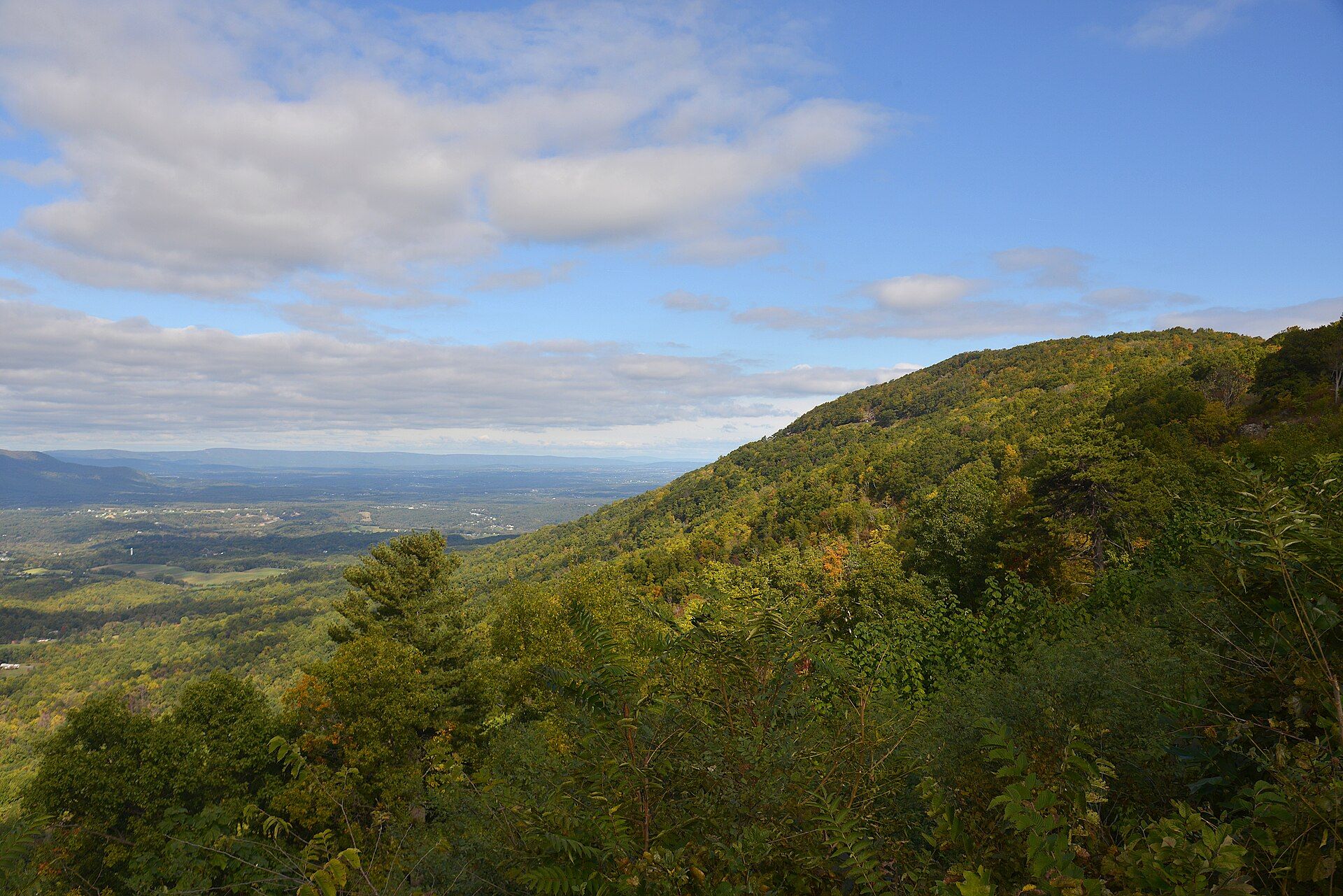
Shenandoah National Park
Blue Ridge Mountains of Virginia, USA, between Front Royal in the north and Waynesboro in the south, just west of Washington, D.C.
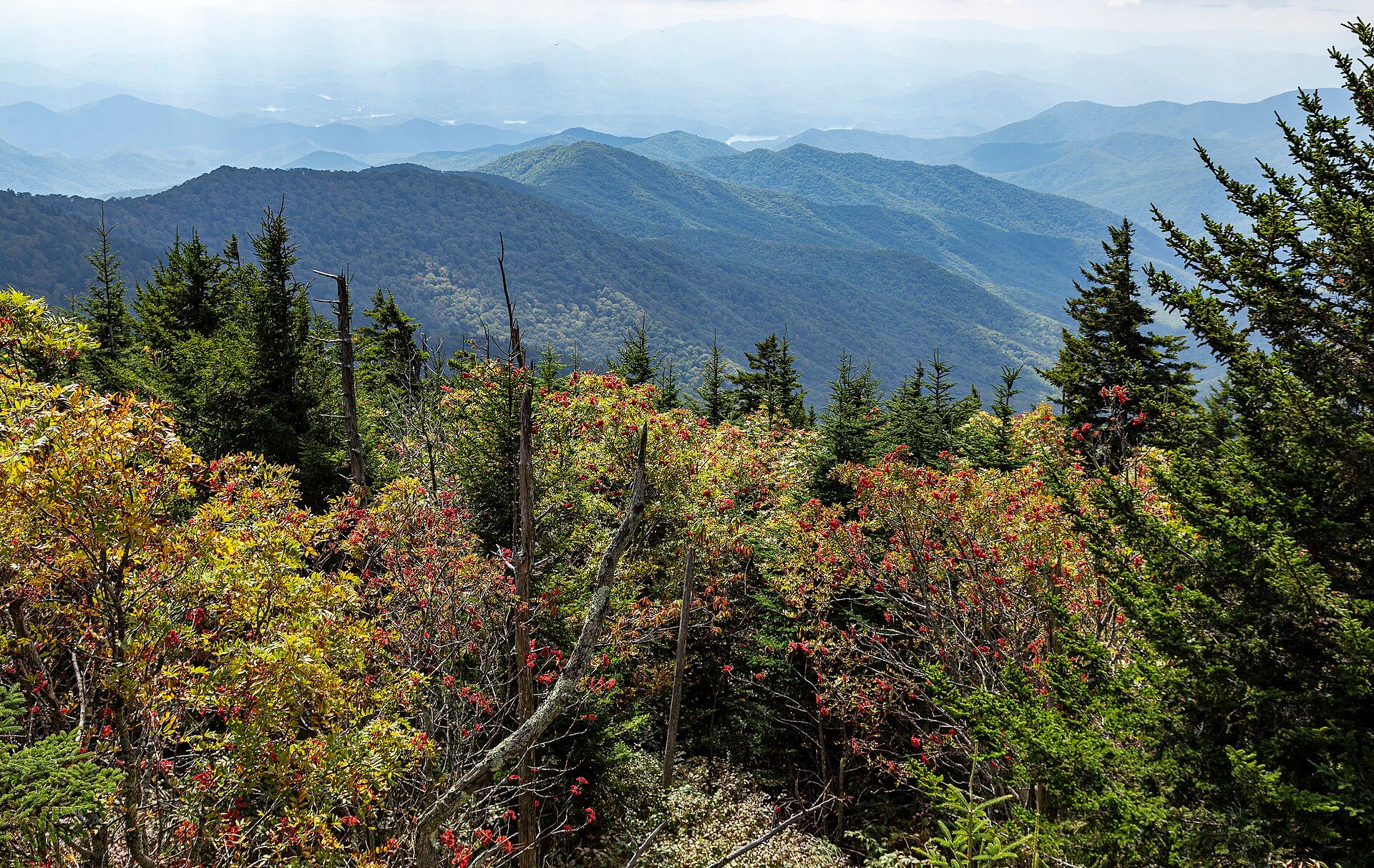
Great Smoky Mountains National Park
Southern Appalachians on the Tennessee–North Carolina border, USA, between Gatlinburg, Tennessee and Cherokee, North Carolina
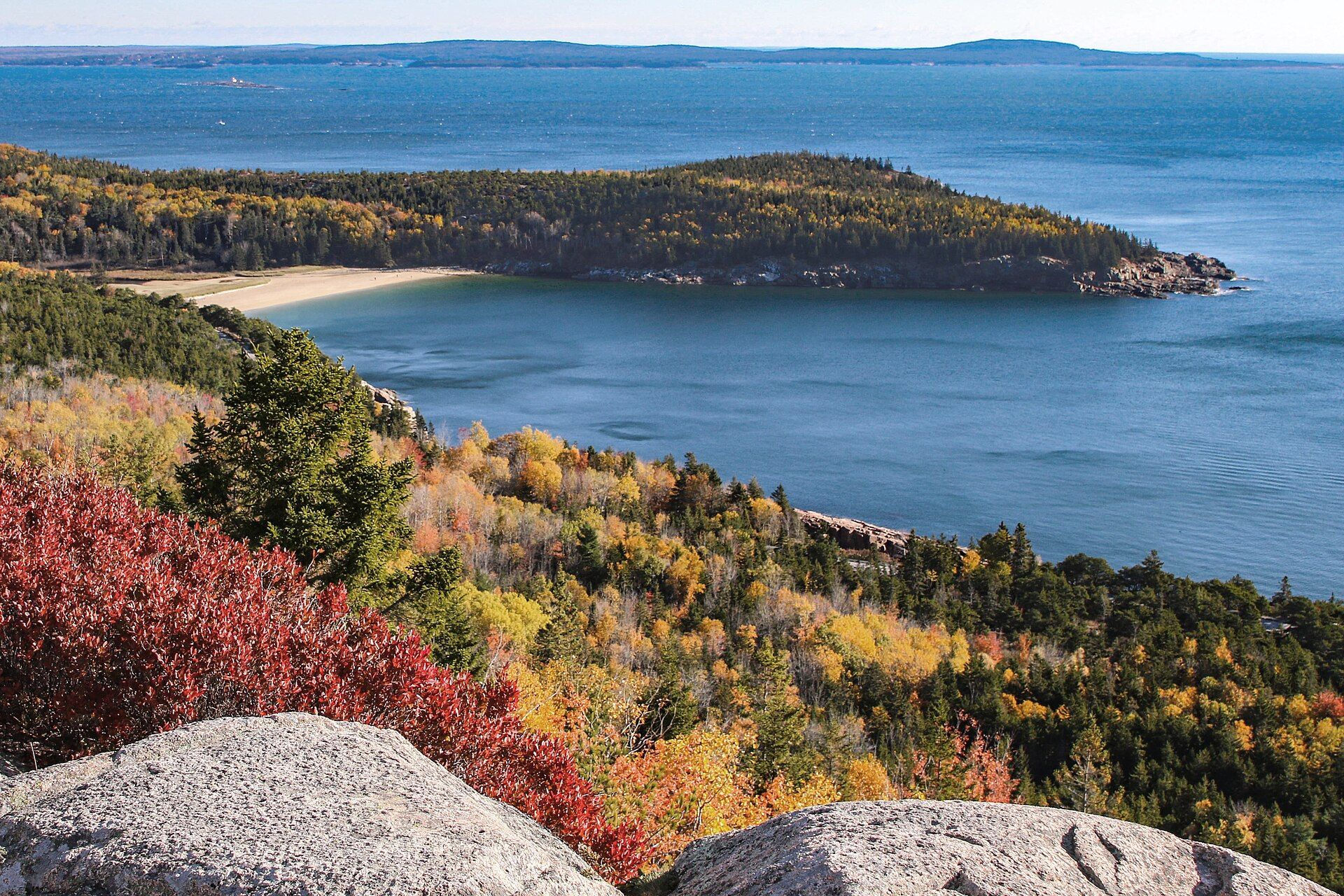
Acadia National Park
Mount Desert Island, the Schoodic Peninsula and Isle au Haut on the coast of Maine, USA, beside Bar Harbor

Added