Head to head · Japan's icon vs the roof of the world
Mount Fuji vs Mount Everest: How Much Taller Is Everest, and Which Can You Climb?
Short answer: Mount Everest, at 8,849 metres, is 5,073 metres taller than Mount Fuji (3,776 m) — about 2.3 times its height. Fuji is Japan's highest peak; Everest is the highest point on Earth above sea level.
They are different kinds of mountain. Fuji is an active stratovolcano, last erupted in 1707, its symmetrical cone built by layer after layer of ash and lava. Everest was thrown up by the collision of the Indian and Eurasian plates, and its summit is marine limestone from an ancient seabed.
And they are different trips. In the short official season, roughly early July to early September, Fuji is a non-technical overnight climb from a 5th Station about two hours from Tokyo. Standing on Everest's summit takes an expedition permit and weeks of acclimatisation; most visitors instead trek 12–16 days to Base Camp and back.
Mount Fuji
Japan's highest, a volcano you can hike
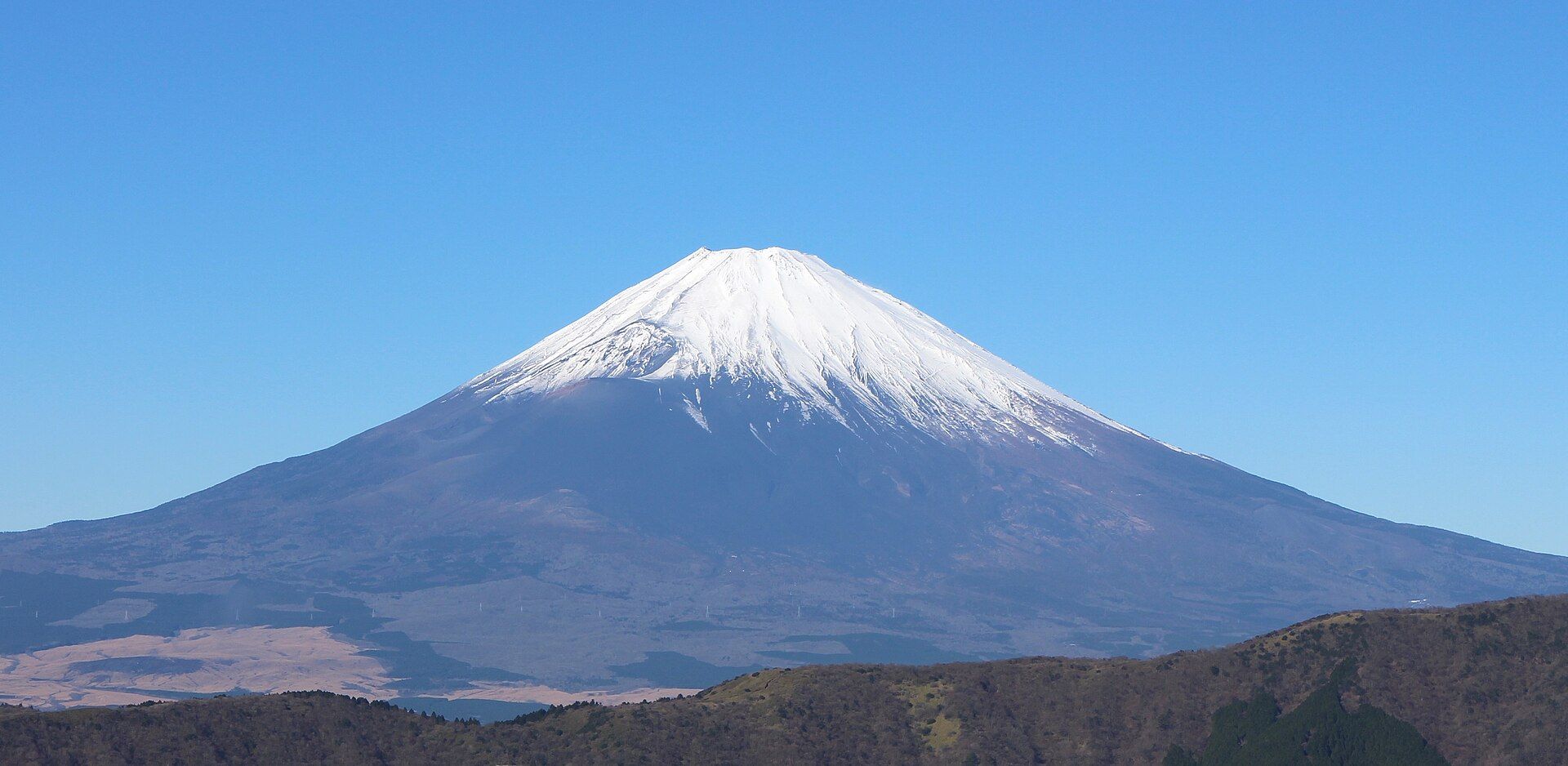
A near-perfectly symmetrical, snow-capped stratovolcano rising alone to 3,776 metres above the plains and lakes of Honshū, visible on a clear day from central Tokyo about 100 km away. It last erupted in 1707. UNESCO lists it as a cultural World Heritage Site for its place in Japanese art and identity.
- Climb to the summit in one night in season, with mountain huts
- About two hours from Tokyo
- The classic reflected cone from the Fuji Five Lakes
- A Shinto shrine and an hour-long crater-rim walk at the top
Mount Everest
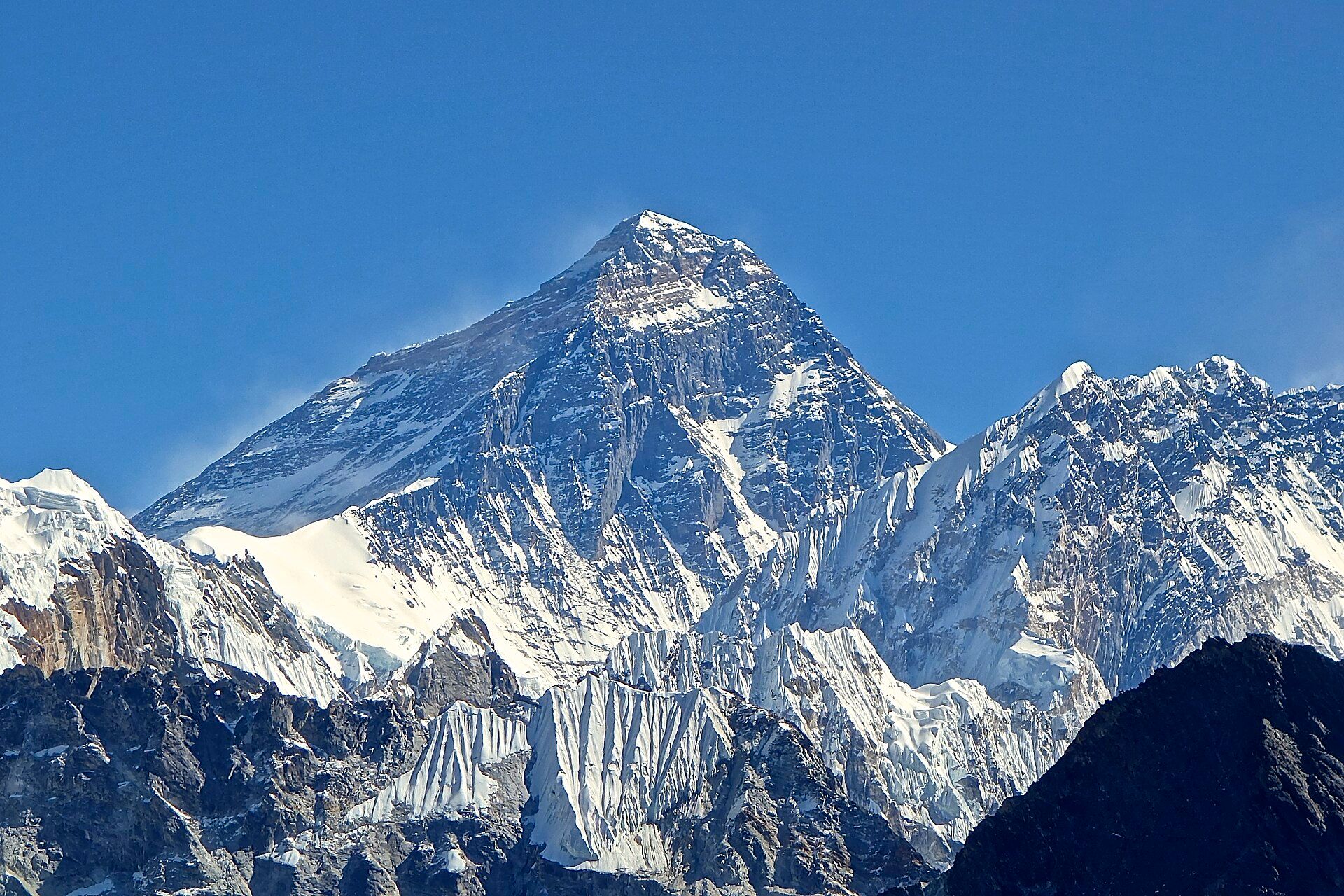
The highest point on Earth
The highest point on Earth at 8,849 metres above sea level, its summit made of marine limestone from an ancient seabed, raised by the collision of the Indian and Eurasian plates. Above about 8,000 metres lies the 'death zone', where there is too little oxygen to sustain life for long.
- The highest mountain on Earth
- Base Camp reachable on a teahouse trek, no technical climbing
- Sherpa villages and monasteries along the Khumbu valley
- Two seasons a year, before and after the monsoon
Head to head
| What matters | Mount Fuji | Mount Everest |
|---|---|---|
| Height Edge: Mount Everest | 3,776 m — Japan's highest peak. | 8,849 m — the highest point on Earth, 5,073 m higher. |
| How it formed Edge: Toss-up | An active stratovolcano built by successive eruptions; last erupted in 1707. | Raised by the collision of the Indian and Eurasian plates; summit rock is marine limestone. |
| Reaching the summit Edge: Mount Fuji | A non-technical overnight climb in season — roughly 5–7 hours up and 3–5 down from the 5th Station. The Yoshida trail has a daily climber cap and fee; check the prefecture's current portal. | An expedition requiring a Department of Tourism permit, experienced Sherpa support and weeks of acclimatisation. |
| Seeing it without climbing Edge: Mount Fuji | From the Fuji Five Lakes or Hakone, half a day from Tokyo — or from central Tokyo itself on a clear day. | The Everest Base Camp trek: 8–10 days up from Lukla, 12–16 days round trip. |
| Season Edge: Toss-up | Climbing roughly early July to early September; clearest views in autumn and winter. | Pre-monsoon (roughly March–May) and post-monsoon (roughly late September–November). |
| Altitude risk Edge: Mount Fuji | Altitude sickness is common at 3,776 m; the summit is near freezing even in August. | Altitude, not the walking, is what turns trekkers back; it freezes hard at night in every season. |
Which should you choose?
Choose Mount Fuji if…
Anyone who wants to stand on the summit of a famous mountain without technical skills — an overnight climb in July or August from a bus stop two hours from Tokyo, or simply the view of the cone from the Fuji Five Lakes.
Choose Mount Everest if…
Trekkers with two to three weeks who want to see the highest mountain on Earth up close, walking the Khumbu valley to Base Camp with acclimatisation days built in.
The honest verdict
Everest is 2.3 times Fuji's height, and the gap is the whole story for a traveller. Fuji's summit is a tough but non-technical night climb in a short summer season; Everest's summit is an expedition, and even its Base Camp is a two-week round trip.
If you want a summit, climb Fuji in season and respect the cold and altitude. If you want to see the top of the world, trek to Everest Base Camp before or after the monsoon.
Wonders mentioned here
Added