Head to head · the world's clearest lakes
Lake Baikal vs Crater Lake: Which Blue Lake?
Two of the deepest and clearest freshwater lakes on Earth, and two of the bluest — a colossal ancient rift lake in Siberia that freezes into shattered turquoise glass, and a perfectly circular caldera lake in Oregon so blue it looks unreal. Both are about extraordinary water, but at wildly different scales.
Here's how Lake Baikal and Crater Lake compare across what actually shapes a visit, and how to decide which is worth the journey.
Lake Baikal
The oldest, deepest lake on Earth
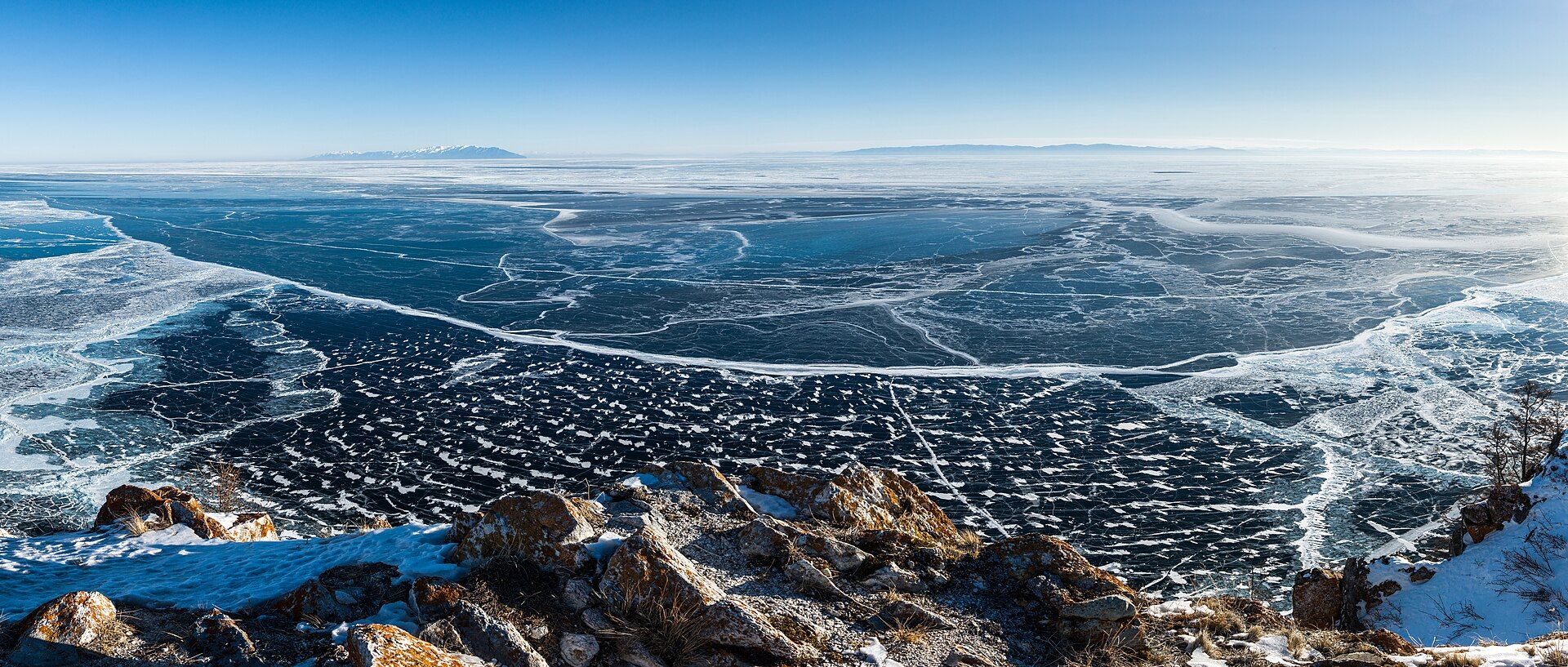
The oldest (25 million years) and deepest (1,642 m) lake in the world, holding a fifth of Earth's unfrozen fresh water in a vast Siberian rift. In summer it is a wild inland sea; in late winter it freezes into some of the clearest, most spectacular turquoise ice on the planet, cracked and stacked along its shores.
- The deepest and oldest lake on Earth — a genuine superlative
- Winter ice so clear you can see metres down
- Vast, wild, and remote — a true expedition
- Endemic wildlife including the freshwater Baikal seal
Crater Lake
The bluest circle in America
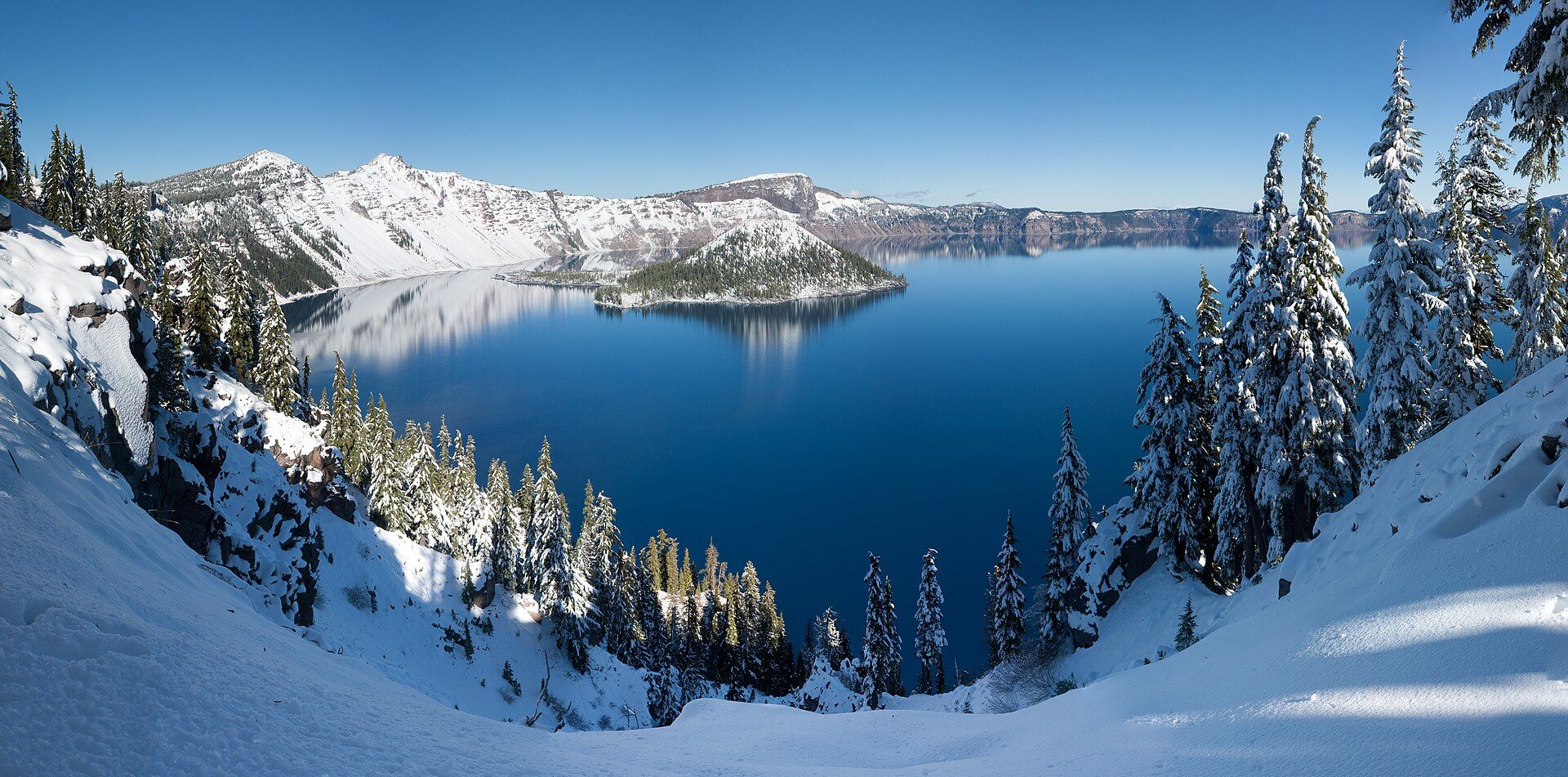
The deepest lake in the United States (594 m), filling the collapsed caldera of Mount Mazama in Oregon. Fed only by rain and snow, its water is famously pure and an intense, saturated blue, ringed by cliffs and reached on an easy scenic drive with overlooks all along the rim.
- One of the bluest, purest lakes anywhere
- A perfect, photogenic caldera circle
- Easy access — a scenic rim road with overlooks
- A short, well-served US national-park trip
Head to head
| What matters | Lake Baikal | Crater Lake |
|---|---|---|
| The water Edge: Toss-up | Colossal and ancient; turns to spectacular clear ice in winter. | Astonishingly blue and pure, a saturated cobalt year-round. |
| The scale Edge: Lake Baikal | An inland sea 636 km long — you cannot take it in at once. | A single, comprehensible circle you can see from the rim. |
| The experience Edge: Toss-up | Remote travel, ice walks, and expedition-style logistics. | A relaxed scenic drive, overlooks, and short rim hikes. |
| Access Edge: Crater Lake | Hard — fly to Irkutsk, then road transfers to the shore. | Easy — a few hours' drive from airports in Oregon. |
| Best season Edge: Toss-up | Late winter (Feb–Mar) for the ice; summer for open water. | Summer and early autumn, once the rim road clears of snow. |
| Effort & cost Edge: Crater Lake | A big, expensive, logistically demanding journey. | An easy, affordable add-on to a Pacific Northwest trip. |
Which should you choose?
Choose Lake Baikal if…
…you want a genuine world superlative and an expedition, are drawn to the surreal clear ice of a Siberian winter, and don't mind a hard, costly journey to reach the wildest of lakes.
Choose Crater Lake if…
…you want one of the bluest, most photogenic lakes on Earth on an easy, affordable trip, and prefer a scenic drive and short hikes to a remote expedition.
The honest verdict
This is scale and adventure versus perfection and ease: Baikal is a vast, remote inland sea best in its shattered-ice winter; Crater Lake is a flawless blue circle you can reach in an afternoon.
For a true bucket-list expedition and the clearest ice on Earth, choose Baikal; for one of the world's bluest lakes with none of the logistics, choose Crater Lake.
They rarely compete for the same trip — one is a Siberian adventure, the other an easy Pacific Northwest highlight.
Wonders mentioned here
Added