Head to head · California's desert parks
Joshua Tree vs Death Valley: Which California Desert Park Should You Visit?
Joshua Tree and Death Valley are California's two great desert national parks, and both are reachable from Los Angeles or Las Vegas — but they are very different deserts to stand in.
Joshua Tree is a desert of shapes: forests of shaggy Joshua trees and heaps of rounded granite boulders where the Mojave meets the lower Colorado Desert. Death Valley is a desert of extremes: the lowest, hottest and driest place in North America, with salt flats below sea level, dunes and painted badlands.
Joshua Tree
The desert of boulders and trees
A transition zone between the Mojave and Colorado deserts covering 795,156 acres, from 536 ft to 5,814 ft on Quail Mountain. Monzogranite boulder piles, forests of Joshua trees, a cholla cactus garden and fan palm oases. National park since 1994 and an International Dark Sky Park since 2017.
- Iconic Joshua trees and granite boulders right beside the road
- Short, easy walks and world-famous rock scrambling and climbing
- About 140 miles from Los Angeles, with Palm Springs the closest airport
Death Valley
The desert of extremes
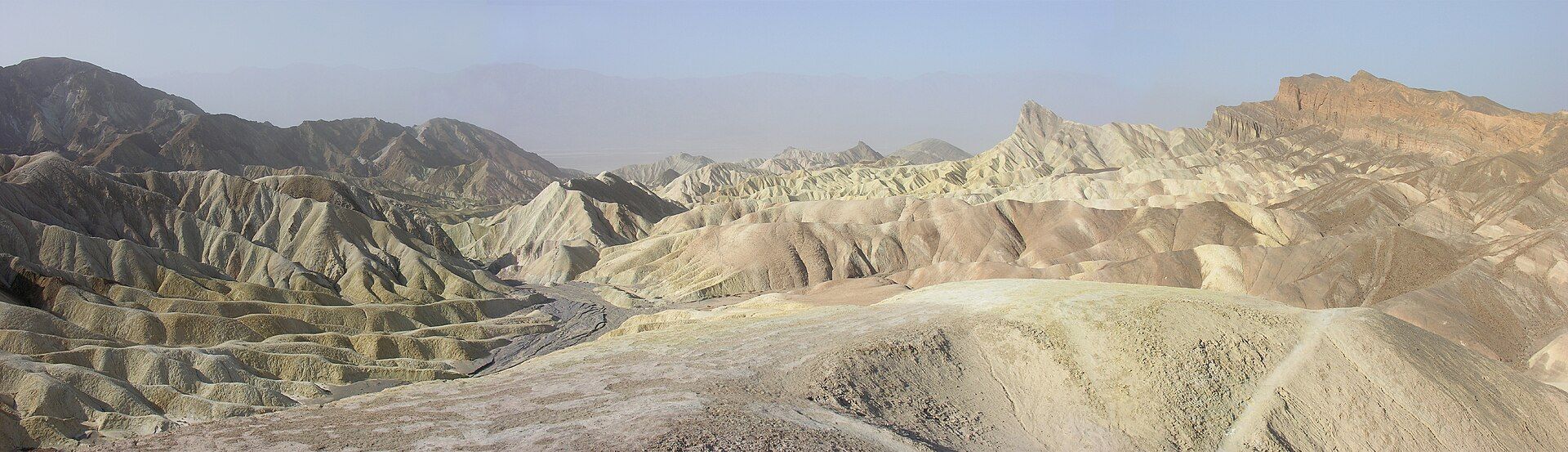
The largest national park in the contiguous United States, holding the record for the highest reliably measured air temperature on Earth (about 57°C / 134°F). Badwater Basin lies 86 m below sea level — the lowest point in North America — beside salt flats, the Mesquite dunes and the badlands of Zabriskie Point.
- A sense of scale and extremity no other US park matches
- Salt flats, sand dunes and coloured badlands in a single visit
- Superb dark skies and, in rare wet years, a desert super bloom
Head to head
| What matters | Joshua Tree | Death Valley |
|---|---|---|
| The scenery Edge: Toss-up | Close-up and sculptural: Joshua trees standing among golden boulder piles, with long views over the Pinto Basin. | Vast and stark: white salt polygons, rippled dunes and eroded badlands under mountain walls. |
| Heat Edge: Joshua Tree | Summer highs approach 100°F (38°C); spring and autumn highs run about 70–85°F (21–29°C). | Summer heat is genuinely dangerous — it holds Earth's highest reliably measured air temperature. Visit November to March. |
| Walking and climbing Edge: Joshua Tree | Short loops such as Hidden Valley and the Cholla Cactus Garden, Ryan Mountain for a view, and endless boulder scrambling. | Mostly short walks from viewpoints and across dunes and salt flats; low-elevation hiking is unsafe after mid-morning in the hot months. |
| Getting there Edge: Toss-up | About 140 miles east of Los Angeles; Palm Springs is the closest airport. | Roughly two to two and a half hours' drive from Las Vegas to Furnace Creek. |
| Services inside the park Edge: Death Valley | No water, fuel, food or lodging inside the park — stock up in the Highway 62 towns or along I-10. | Furnace Creek and Stovepipe Wells have lodging, fuel and food; beyond them, nothing. |
| Night sky Edge: Toss-up | An International Dark Sky Park since 2017. | Also an International Dark Sky Park, with very dry, clear air. |
Which should you choose?
Choose Joshua Tree if…
…you want an easy, photogenic desert with short walks, rock scrambling and a long weekend from Los Angeles or Palm Springs.
Choose Death Valley if…
…you want the extremes — standing below sea level, crossing salt flats and dunes — and can go between November and March.
The honest verdict
For a first desert park, or a spring or autumn weekend, choose Joshua Tree: it is gentler, closer to Los Angeles and its scenery sits right beside the road.
For scale and drama, choose Death Valley — but only in the cool season. From late spring to early autumn its heat is a real hazard, not an inconvenience.
Both parks have no reliable phone signal in most areas: carry far more water than you think you need and download offline maps.
Wonders mentioned here
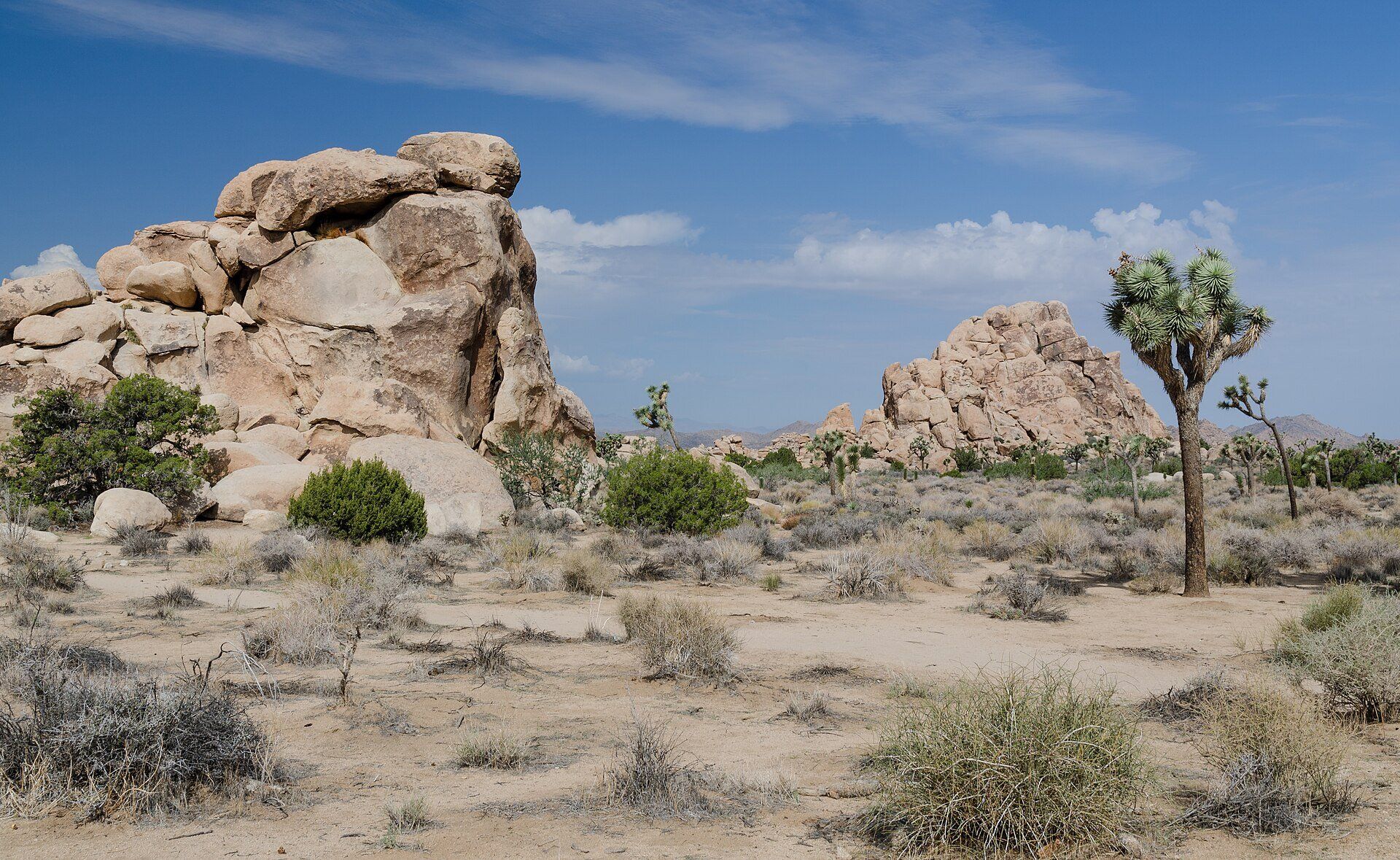
Joshua Tree National Park
Southern California, USA, between Twentynine Palms and Interstate 10, about 140 miles east of Los Angeles
Added