Head to head · Kyrgyzstan's two great mountain lakes
Issyk-Kul vs Song-Köl: Which Kyrgyzstan Lake Should You Visit?
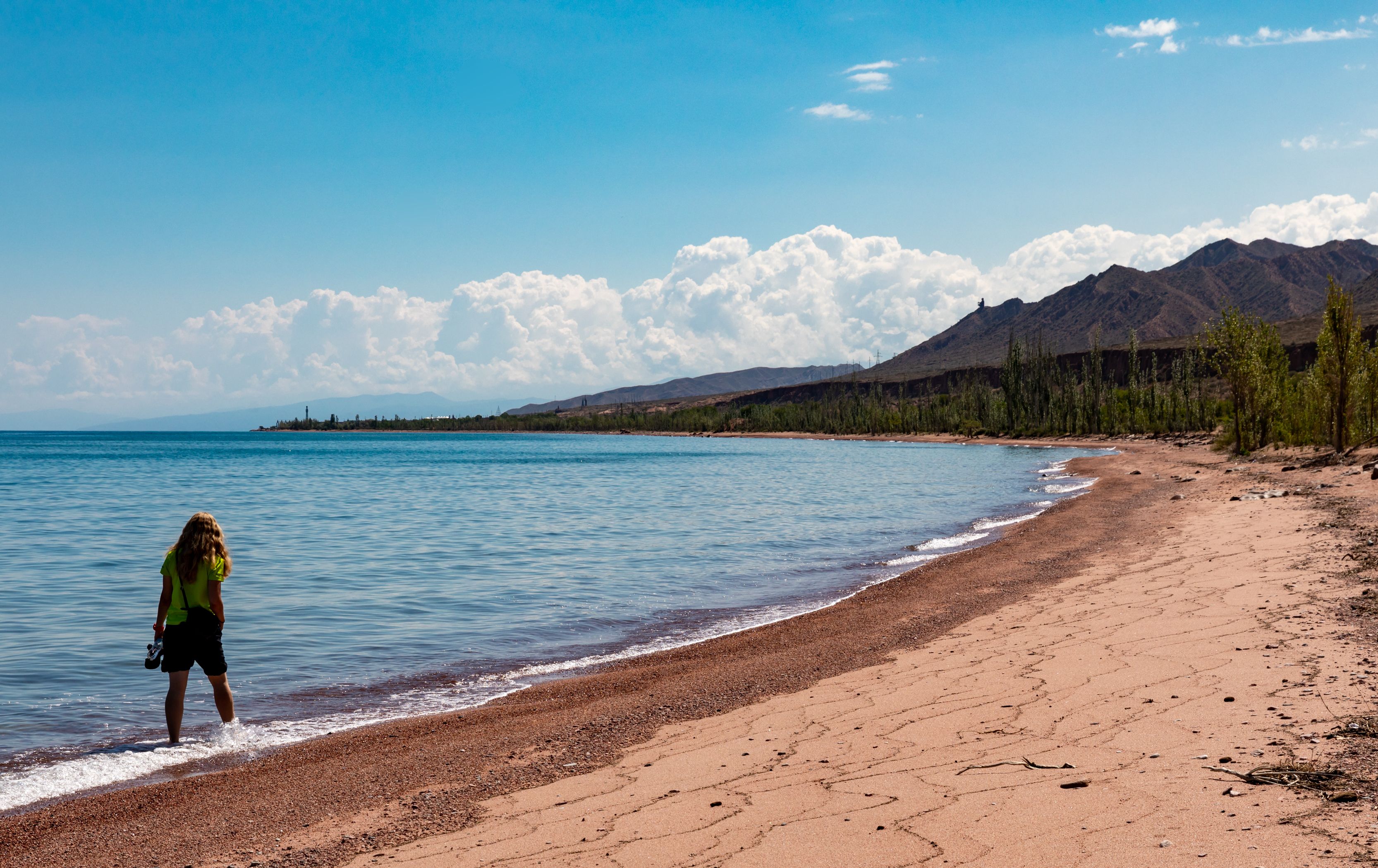
Kyrgyzstan's two famous lakes both sit in the Tian Shan and both are at their best from June to September, but they make for very different days. Issyk-Kul is an inland sea: 182 km long, 60 km across, at 1,607 m, and it never freezes. Its north shore has beaches and small resort towns, and Karakol at the eastern end is the base for the Tian Shan's best trekking.
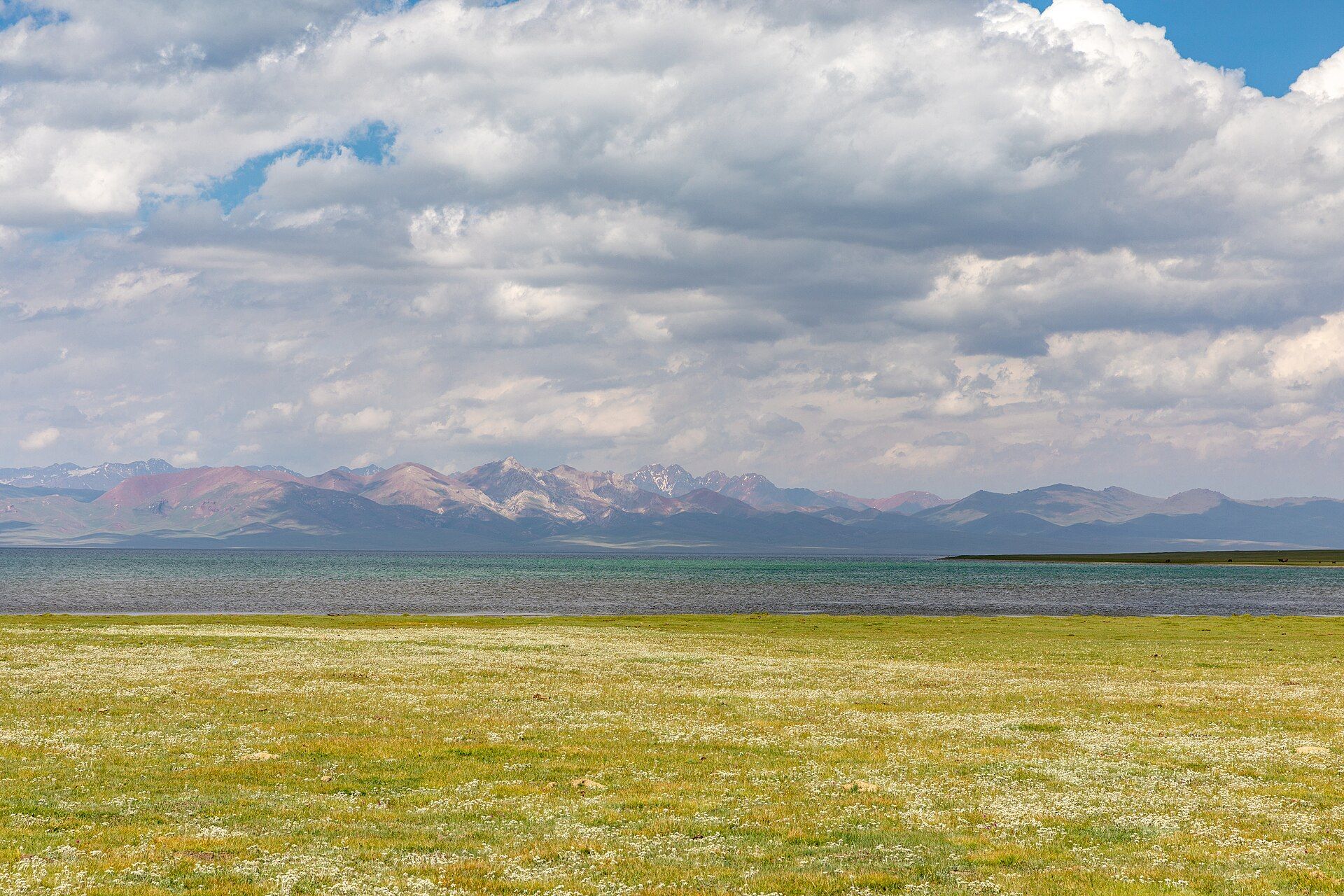
Song-Köl lies much higher, at about 3,016 m on a treeless plateau in Naryn Province, and has no towns at all. In summer Kyrgyz herders bring their horses, sheep and yaks up to its pastures and raise felt yurts, and visitors stay with them — no electricity, no running water, no signal, and some of the darkest skies in Central Asia.
Issyk-Kul
A warm alpine inland sea with beaches and the Karakol trailheads
Issyk-Kul is the world's second-largest alpine lake — 182 km long and around 668 m deep in a closed basin of the northern Tian Shan. Slightly saline because no river flows out, and kept liquid by its sheer mass of water, it does not ice over despite the altitude. The north shore (Cholpon-Ata, 4–5 hours from Bishkek) has the beaches, hotels and summer crowds; the south shore has canyons, hot springs and far fewer people; Karakol, about 6 hours from Bishkek, is the trekking base.
- Swimming in warm water with 4,000 m snow peaks behind
- Easy access by paved road, shared taxi or marshrutka, and a full range of guesthouses and hotels
- Doubles as a base for trekking from Karakol
Song-Köl
Yurt stays with herders on a lake at 3,000 m
Song-Köl is Kyrgyzstan's second-largest lake, about 29 km long, at roughly 3,016 m in the Song-Köl State Nature Reserve. Its shores are summer pastures (jailoo) where herders live in yurts from roughly June to September; the access passes are snowbound the rest of the year. You drive about 3 hours from Bishkek to Kochkor, arrange a community yurt camp there, then go 2h30–3h by 4x4 over a high pass — or arrive on a multi-day horse or trekking route.
- Living nomadic herding culture, with nights in a herder's yurt
- Exceptionally dark skies and an empty, roadless landscape
- Horse riding and trekking routes across open pasture
Head to head
| What matters | Issyk-Kul | Song-Köl |
|---|---|---|
| Altitude Edge: Toss-up | 1,607 m — the shore can be hot in summer. | About 3,016 m — nights are cold even in July. |
| Size Edge: Issyk-Kul | 182 km long, 60 km wide, around 668 m deep. | About 29 km long on a broad, treeless plateau. |
| Getting there from Bishkek Edge: Issyk-Kul | 4–5 hours by road to Cholpon-Ata, about 6 to Karakol; frequent shared taxis and marshrutkas. | About 3 hours to Kochkor, then 2h30–3h by 4x4 on rough track over a high pass, or on horseback. |
| Where you sleep Edge: Toss-up | Guesthouses, hotels and restaurants on the north shore and in Karakol. | Yurt camps with home-cooked meals and outdoor toilets; no electricity, plumbing or phone signal. |
| Swimming Edge: Issyk-Kul | Yes — the lake's name means 'warm lake', and July and August are warmest. | A big cold lake at 3,000 m; the reasons to come are the pastures, horses and night sky. |
| Season Edge: Issyk-Kul | June–September for swimming and clear views; the lake stays open in winter, though winters are severe. | Roughly June–September only; the yurts come down and the passes close with the first snows. |
| Crowds Edge: Song-Köl | Cholpon-Ata and the north-shore beaches fill in July and August; the south shore stays quiet. | Low and dispersed among scattered yurt camps — it feels empty even when others are there. |
| Time needed Edge: Toss-up | 3–5 days; longer if you trek from Karakol. | One or two nights in a yurt. |
Which should you choose?
Choose Issyk-Kul if…
…you want beaches and swimming, comfortable places to stay, easy transport, and a base for trekking in the Tian Shan from Karakol.
Choose Song-Köl if…
…you want a night or two with herders in a yurt, horses, open pasture and a star-filled sky, and don't mind cold, no electricity and a rough 4x4 track.
The honest verdict
Choose Issyk-Kul for the easy, comfortable side of Kyrgyzstan: swimming in warm water with snow peaks across the lake, a paved road from Bishkek, and Karakol for trekking. Head to the south shore if you want canyons, hot springs and quiet.
Choose Song-Köl for the experience the country is known for — a night or two in a herder's yurt at about 3,000 m, horses grazing by the water at sunrise, and a sky with no light for miles. Arrange the camp through the community-tourism offices in Kochkor, bring cash and a warm sleeping bag, and go between June and September only.
Both are reached by road from Bishkek and share the same June–September season, so a summer trip can include both: a night or two at Song-Köl and a few days around Issyk-Kul.
Wonders mentioned here
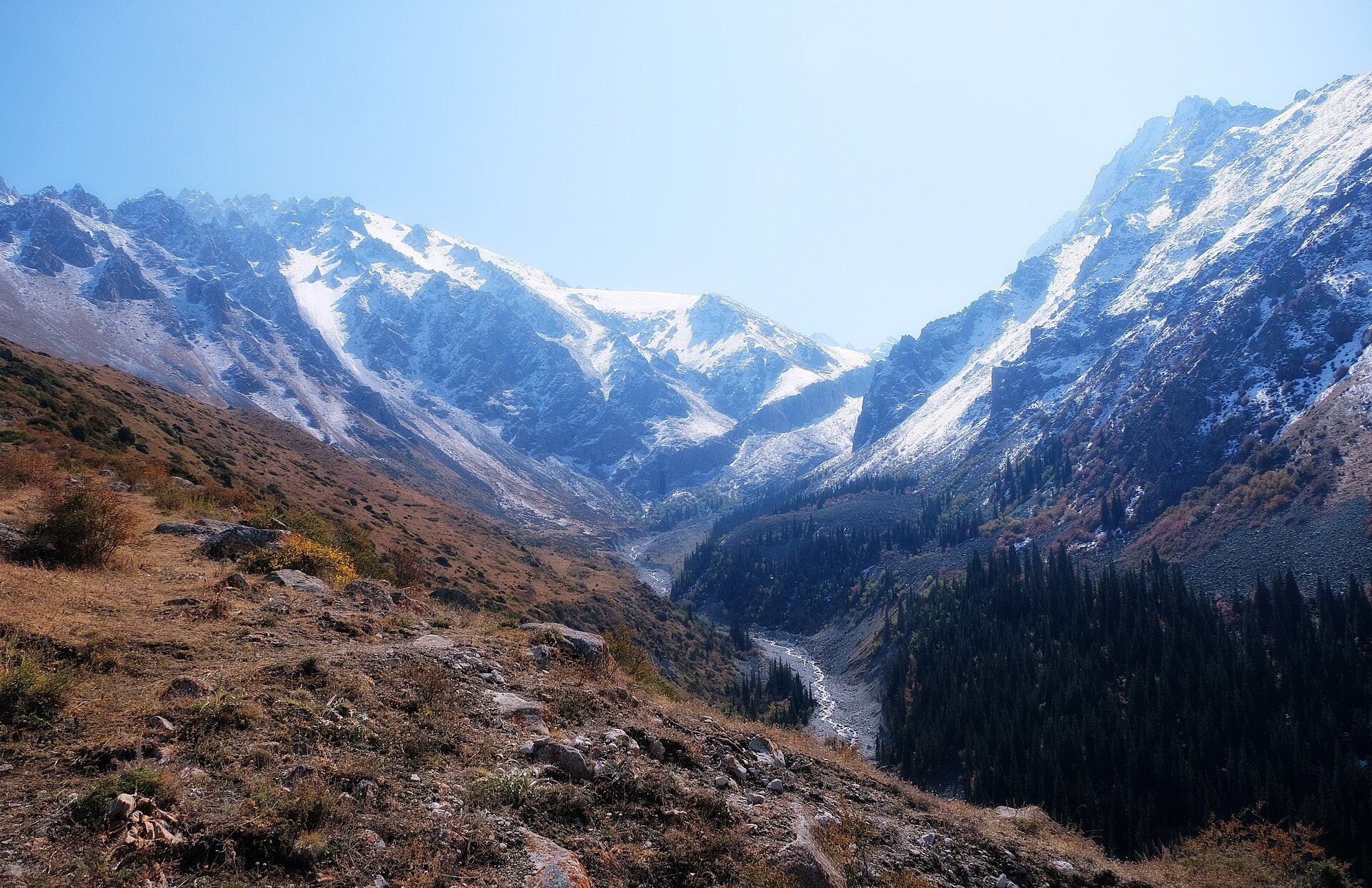
Ala Archa National Park
Kyrgyz Ala-Too range, about 35 km south of Bishkek, Kyrgyzstan
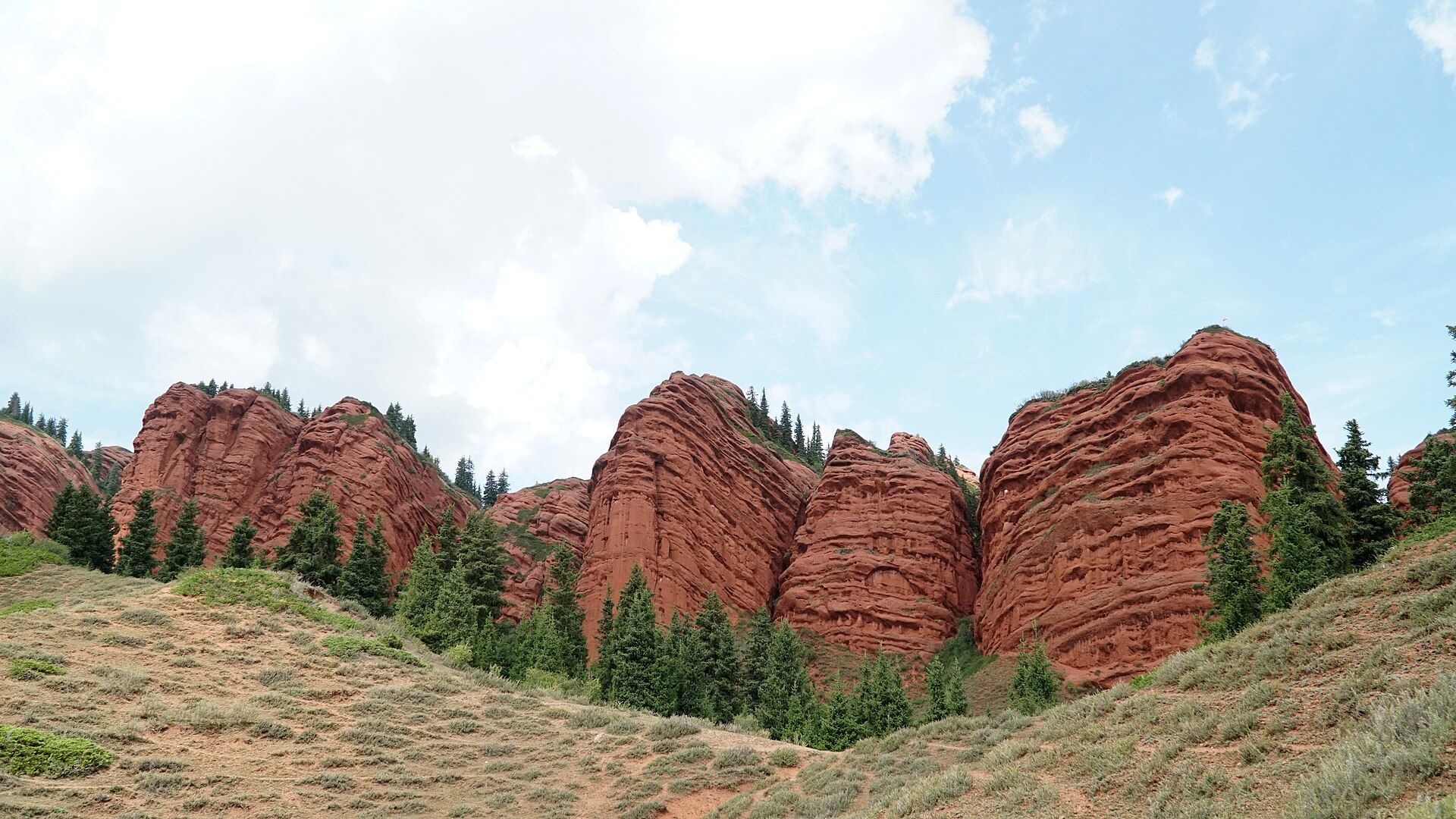
Jeti-Ögüz Rocks
Jeti-Ögüz District, Issyk-Kul Region, near Karakol, Kyrgyzstan
Added