Head to head · The northern Rockies' two great mountain parks
Grand Teton vs Glacier National Park: Which Northern Rockies Park Should You Visit?
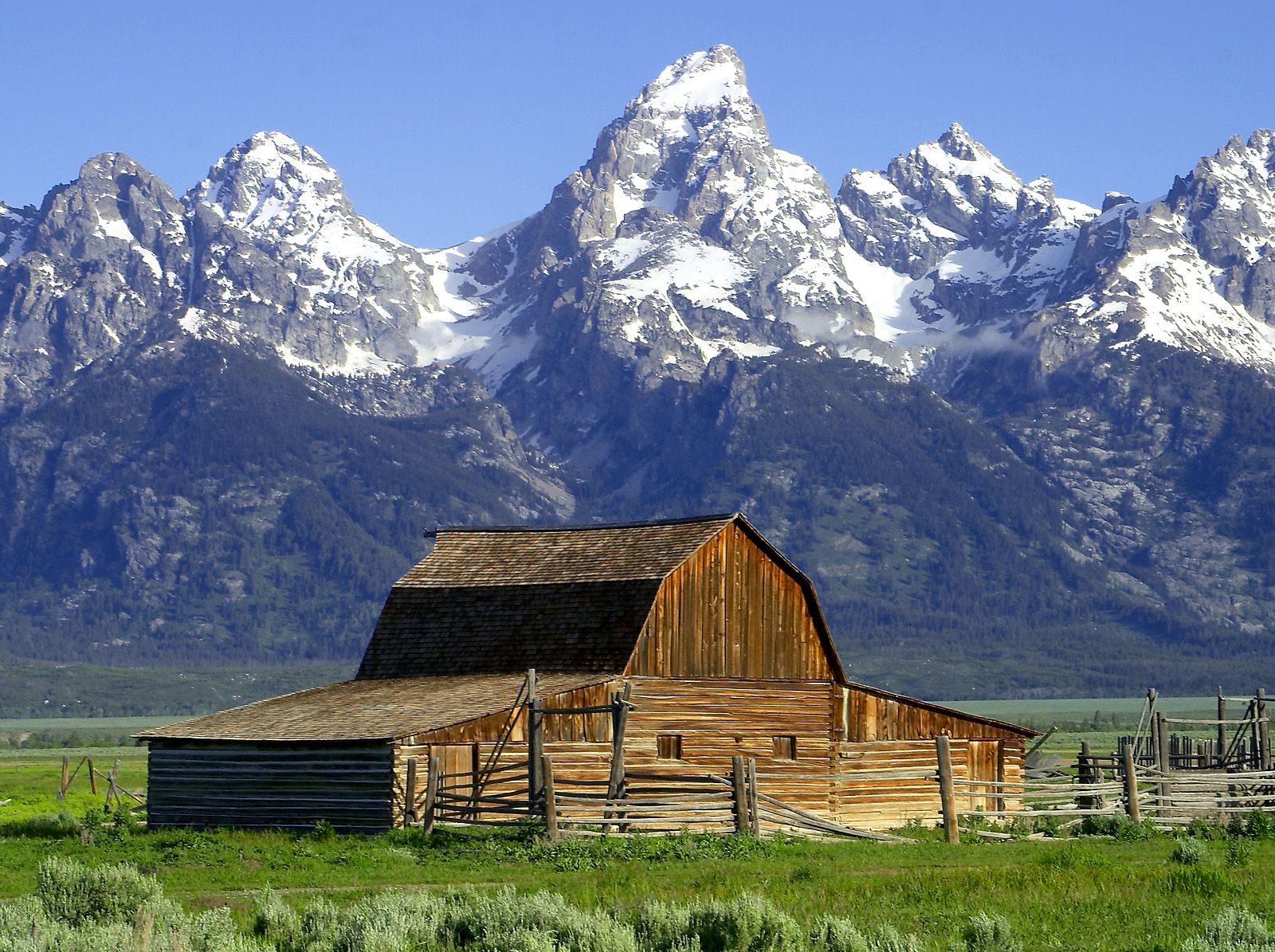
Grand Teton in Wyoming and Glacier in Montana are the two big mountain parks of the American northern Rockies, and both are grizzly country where the park asks you to carry bear spray. Their scenery works differently. The Teton Range is a young fault-block range that rises in a sheer wall of about 2,000 metres straight out of the flat sagebrush of Jackson Hole, with almost no foothills, topped by the 4,199-metre Grand Teton. You see almost all of it from the valley floor.
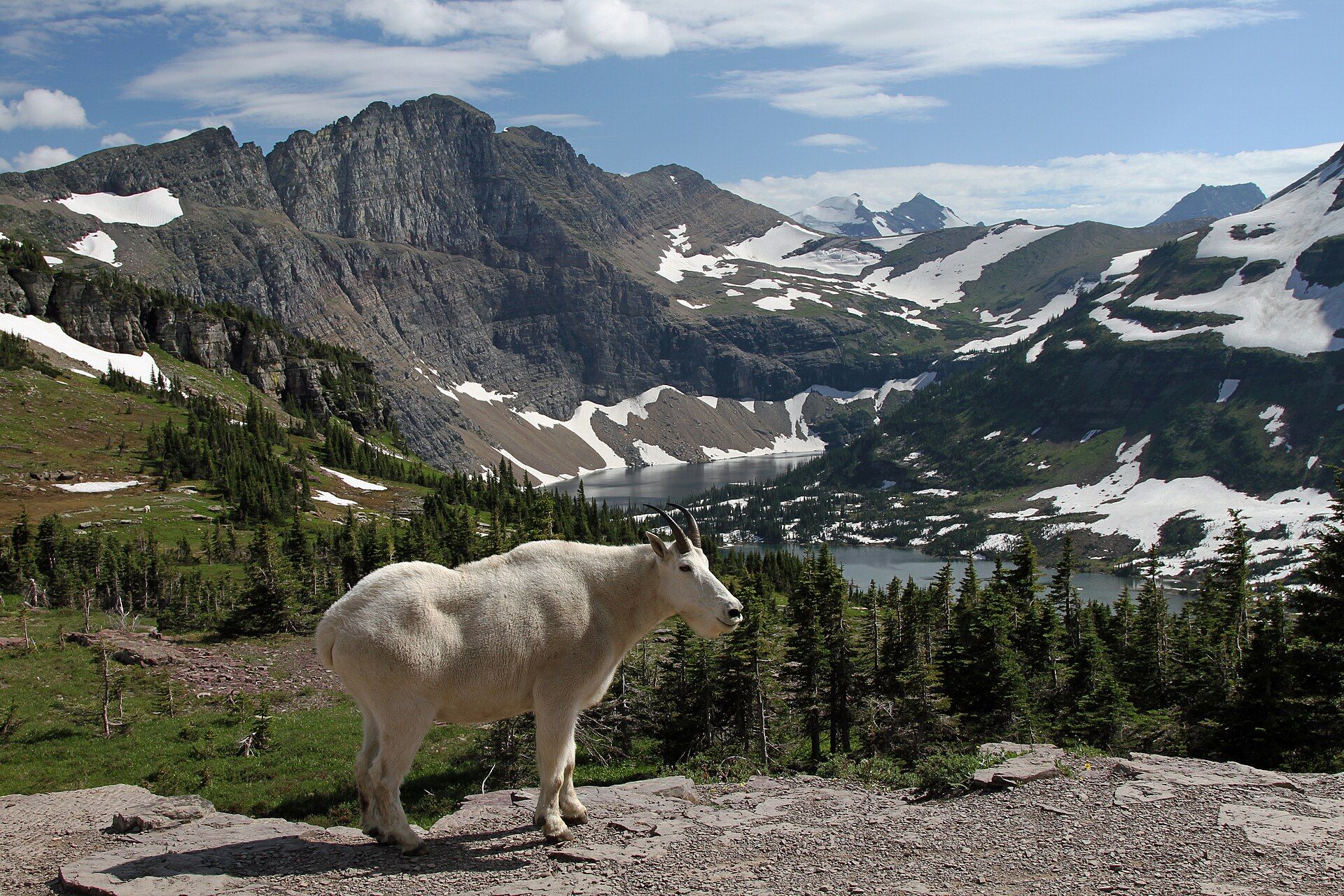
Glacier protects about a million acres of the northern Rockies, carved by Ice Age glaciers into knife-edged ridges, horn peaks, hanging valleys and cirques holding turquoise lakes, straddling the Continental Divide. Its centrepiece is a road — the Going-to-the-Sun Road over Logan Pass — and the short season of that road shapes every visit. One park is a view you can take in from the valley; the other is a wilderness you cross.
Grand Teton
A sheer granite wall over a flat valley, with wildlife below
Jackson Hole airport is inside the park, and Moose is about 20 minutes from Jackson; Salt Lake City is roughly 4h30–5h by road. A park road runs along the range, with lakeshores, trailheads and a seasonal shuttle boat across Jenny Lake into Cascade Canyon. Moose, bison, elk, pronghorn and bears use the valley. Entry fee, or an annual pass shared with Yellowstone just to the north. The Teton Park Road closes to vehicles in winter.
- The full range visible from the valley floor, lakes and viewpoints
- Wildlife on the flats at dawn — moose, bison, elk
- Under an hour from the airport; Yellowstone next door
Glacier National Park
A million acres of carved peaks and turquoise lakes, crossed by one road
Kalispell airport is about 40 minutes from West Glacier; the Going-to-the-Sun Road reaches Logan Pass in about an hour from there when fully open, and the east side via St Mary is roughly 3 hours round the park. The road is fully open only from around late June or early July until the first serious autumn snow, plowing dates vary by weeks, the park has run vehicle reservations for the corridor in recent seasons, and the Logan Pass car park is often full before 7 am. UNESCO World Heritage Site with Waterton in Canada.
- The Going-to-the-Sun Road over Logan Pass
- Turquoise glacial lakes, hanging valleys and alpine meadows
- Mountain goats and bighorn sheep on the high trails
Head to head
| What matters | Grand Teton | Glacier National Park |
|---|---|---|
| The scenery Edge: Toss-up | One abrupt fault-block wall rising ~2,000 m from the valley, mirrored in lakes. | A whole range of glacier-carved horns, cirques, hanging valleys and turquoise lakes. |
| Season Edge: Grand Teton | June–September; September brings the elk rut and golden aspens. | July–September, when the Going-to-the-Sun Road is fully open and trails are clear of snow. |
| Getting there Edge: Toss-up | The airport is inside the park; under an hour to the range. | About 40 minutes from Kalispell to West Glacier. |
| Time needed Edge: Grand Teton | Three days for viewpoints, a canyon hike and the wildlife hours. | Three to four days for both sides of the divide. |
| Getting around Edge: Grand Teton | A park road along the range; a car is needed, distances between viewpoints are real. | One mountain road, with a shuttle in peak season, vehicle size limits on the alpine section and reservation rules revised each year. |
| Wildlife Edge: Toss-up | Moose, bison, elk, pronghorn and grizzly and black bears, often seen from the valley. | Grizzly and black bears, mountain goats, bighorn sheep, wolverines and lynx. |
| Crowds Edge: Toss-up | Heavy at Jenny Lake, Schwabacher Landing and Mormon Row at sunrise; canyon trails thin out past the first mile. | Concentrated into July–August and onto one road; hike a mile and it thins out sharply. |
| Facilities Edge: Grand Teton | Visitor centres, lodges, campgrounds, food and fuel, plus the town of Jackson. | Lodges, campgrounds, shuttles and visitor centres, mostly seasonal. |
Which should you choose?
Choose Grand Teton if…
…you want the most dramatic mountain view with the least effort and a good chance of moose and bison, or you are pairing it with Yellowstone.
Choose Glacier National Park if…
…you are going in high summer and want a long mountain wilderness — the Going-to-the-Sun Road, the Highline Trail, turquoise lakes and mountain goats.
The honest verdict
Grand Teton is the easier park: the airport is inside it, the whole range is visible from the valley, the season runs from June, and a three-day visit covers the lakes, a canyon hike and the dawn wildlife. Glacier asks more — a later season, an early start for Logan Pass, and reservation rules you must check for your dates — and gives back a far larger high-country landscape.
Choose Grand Teton if your dates are flexible or early (June), if you want wildlife from the roadside, or if Yellowstone is on the same trip. Be at Schwabacher Landing or Oxbow Bend for sunrise, take the Jenny Lake boat to Cascade Canyon, and carry bear spray.
Choose Glacier if you are going between July and September and want to hike. Check the Going-to-the-Sun Road status and any vehicle reservation with the National Park Service, reach Logan Pass before 7 am, and give it three to four days to see both sides of the Continental Divide.
Wonders mentioned here
Added