Head to head · Two desert parks a drive from Las Vegas
Grand Canyon vs Death Valley: Which Is Better From Las Vegas?
Short answer: if you have one day from Las Vegas between November and March, Death Valley is the closer and better-timed trip — about 2 to 2½ hours to Furnace Creek. For the single most overwhelming view in the American West, the Grand Canyon's South Rim is worth the longer 4 to 5 hour drive, ideally in spring or autumn.
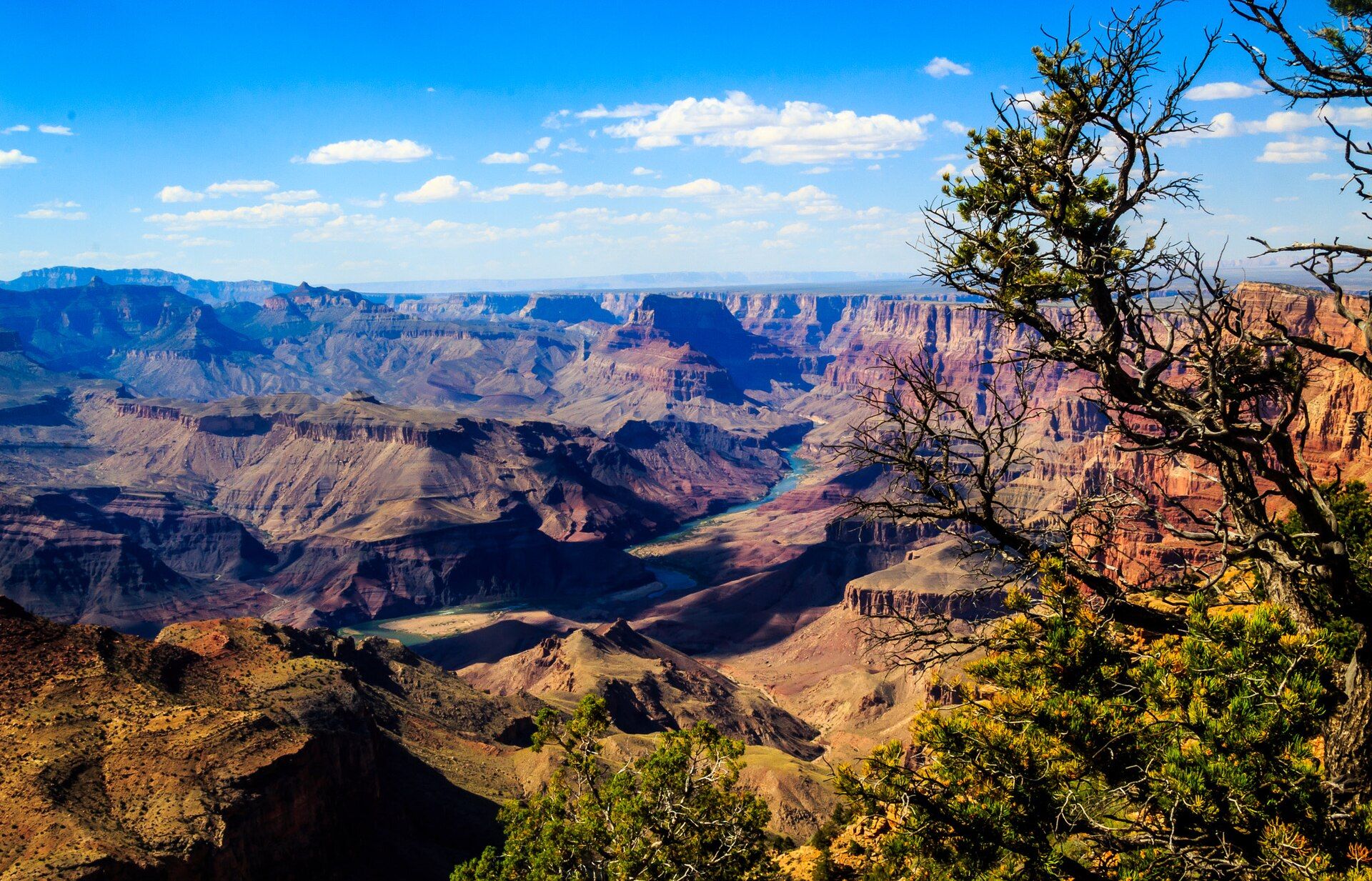
The two parks are opposites in almost every way. The Grand Canyon is a view from above: you stand on a rim more than 2,100 metres high and look down a mile into a 446-kilometre chasm. Death Valley is a place you stand in: its floor at Badwater Basin is 86 metres below sea level, the lowest point in North America, and it holds the record for the hottest reliably measured air on Earth.
Their best seasons barely overlap. March and November are the two months that suit both, if you want to see them on one trip.
Grand Canyon
The view down a mile of rock
A canyon about 446 km long, up to 29 km wide and some 1.8 km deep, cut by the Colorado River over the last five to six million years. Its walls expose rock nearly two billion years old at the river. The South Rim is open year-round; the higher North Rim runs roughly mid-May to mid-October.
- One of the greatest views on Earth from paved, largely flat rim paths
- Sunrise and sunset light that sets the rock layers ablaze
- Full services at Grand Canyon Village: lodging, food, shuttles, a clinic
Death Valley
The desert of extremes
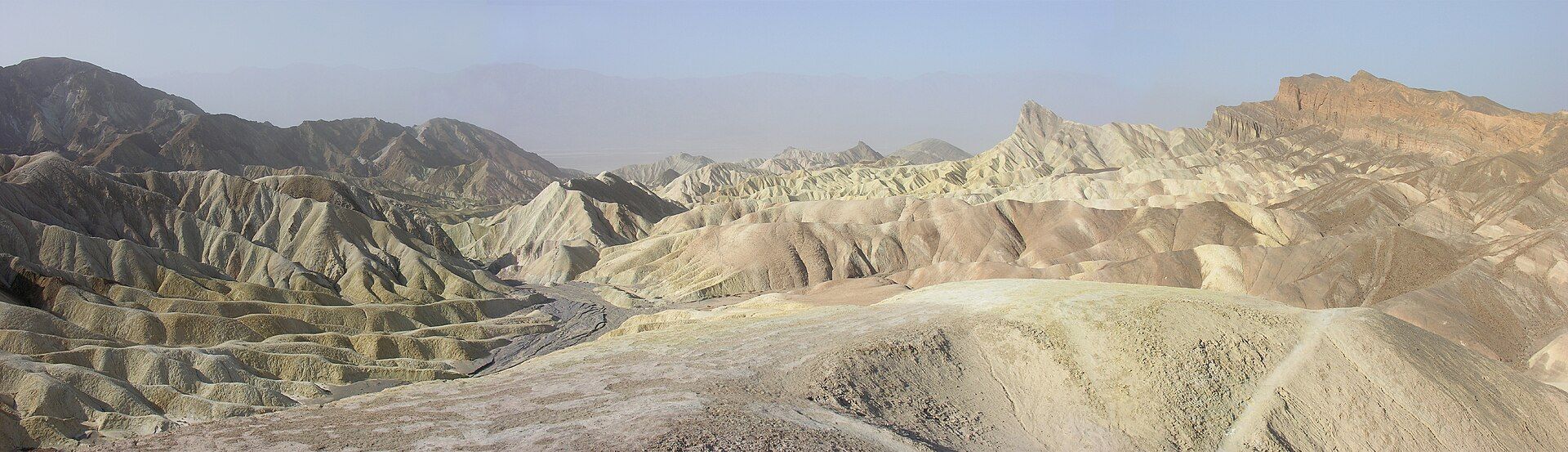
The largest national park in the lower United States: salt flats 86 m below sea level at Badwater Basin, the Mesquite dunes, the coloured badlands of Zabriskie Point and Artist's Palette, and the record for Earth's highest reliably measured air temperature (about 57°C / 134°F).
- Closest of the big desert parks to Las Vegas — about 2 to 2½ hours
- Salt flats, sand dunes and badlands within 10 to 40 minutes of each other
- An International Dark Sky Park with very dry, clear air
Head to head
| What matters | Grand Canyon | Death Valley |
|---|---|---|
| Drive from Las Vegas Edge: Death Valley | About 4 to 5 hours to the South Rim — a very long day trip, better with a night at the rim. | About 2 to 2½ hours to Furnace Creek, then 10 to 40 minutes between the main sights. |
| Best months Edge: Toss-up | Spring and autumn (March–May, September–November). Summer is hot and crowded; the South Rim snows in winter. | November to March. From May to September the heat is a genuine hazard, not an inconvenience. |
| The scenery Edge: Grand Canyon | A single, overwhelming view down layered red, ochre and violet walls to a river that looks like a thread. | Variety on the valley floor: white salt polygons, rippled dunes, eroded rainbow badlands and, in rare wet years, a desert super bloom. |
| Elevation and heat Edge: Grand Canyon | The South Rim sits above 2,100 m, so it is cool even when the inner canyon is baking. | The valley floor sits below sea level; the Park Service advises against hiking at low elevation after mid-morning from late spring to early autumn. |
| Walking Edge: Grand Canyon | Easy rim paths with accessible sections. Below the rim the trails are steep and unshaded — never hike to the river and back in one day; overnight trips need a backcountry permit. | Mostly short walks from the road: onto the salt flats, up the dunes, into the badlands at Zabriskie Point. |
| Services Edge: Grand Canyon | Extensive at Grand Canyon Village: lodging, food, shuttle buses and a medical clinic. | Lodging, fuel and food only at Furnace Creek and Stovepipe Wells; no mobile signal across most of the park. |
Which should you choose?
Choose Grand Canyon if…
…you can give it a night or two, want the single most famous view in the West, and are travelling in spring or autumn.
Choose Death Valley if…
…you have one day from Las Vegas between November and March and want salt flats, dunes and badlands in one loop.
The honest verdict
From Las Vegas in winter (November to March), go to Death Valley: it is half the drive, and it is at its best exactly when the Grand Canyon's South Rim is cold and can be snowy.
In spring or autumn, if you can stay overnight, go to the Grand Canyon. The 4 to 5 hour drive is worth it for the view, but rushing it as a day trip leaves you with midday light that flattens the canyon.
To see both on one trip, go in March or November — the only months that fall in both parks' best seasons. In either park, carry far more water than you think you need and download offline maps.
Wonders mentioned here
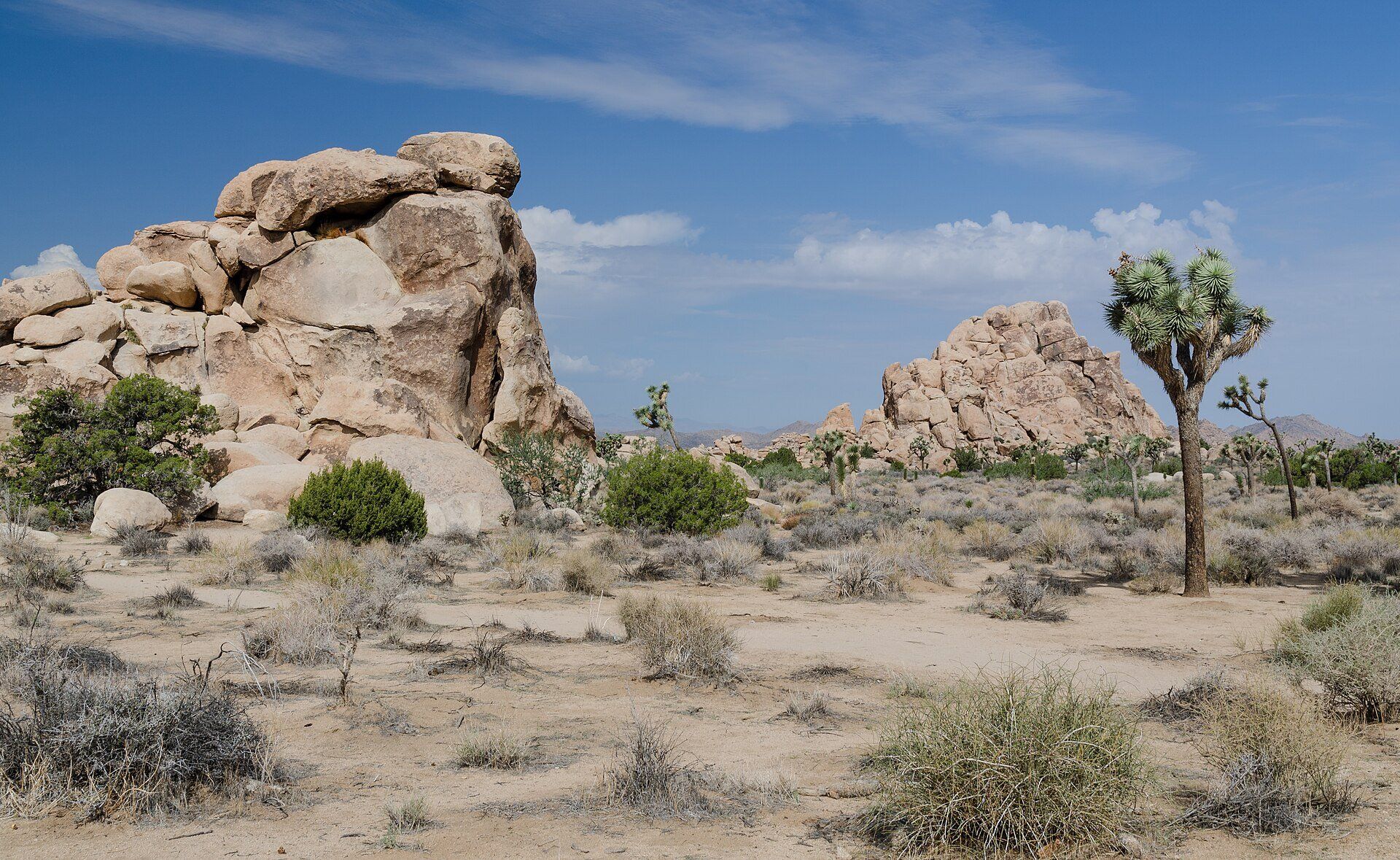
Joshua Tree National Park
Southern California, USA, between Twentynine Palms and Interstate 10, about 140 miles east of Los Angeles
Added