Head to head · The Southwest's mile-deep chasm vs its hoodoo amphitheatres
Grand Canyon vs Bryce Canyon: Which Should You Visit?
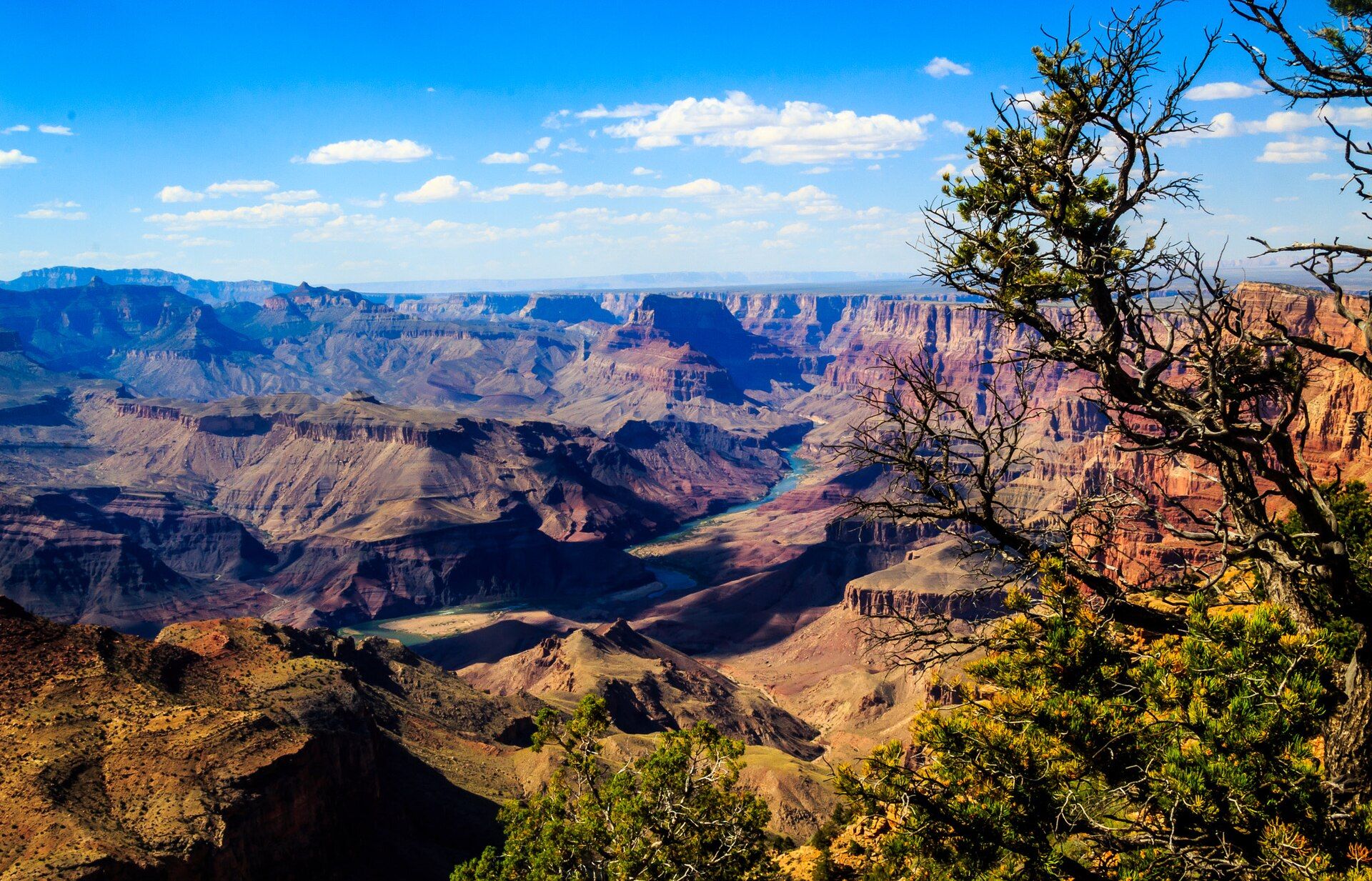
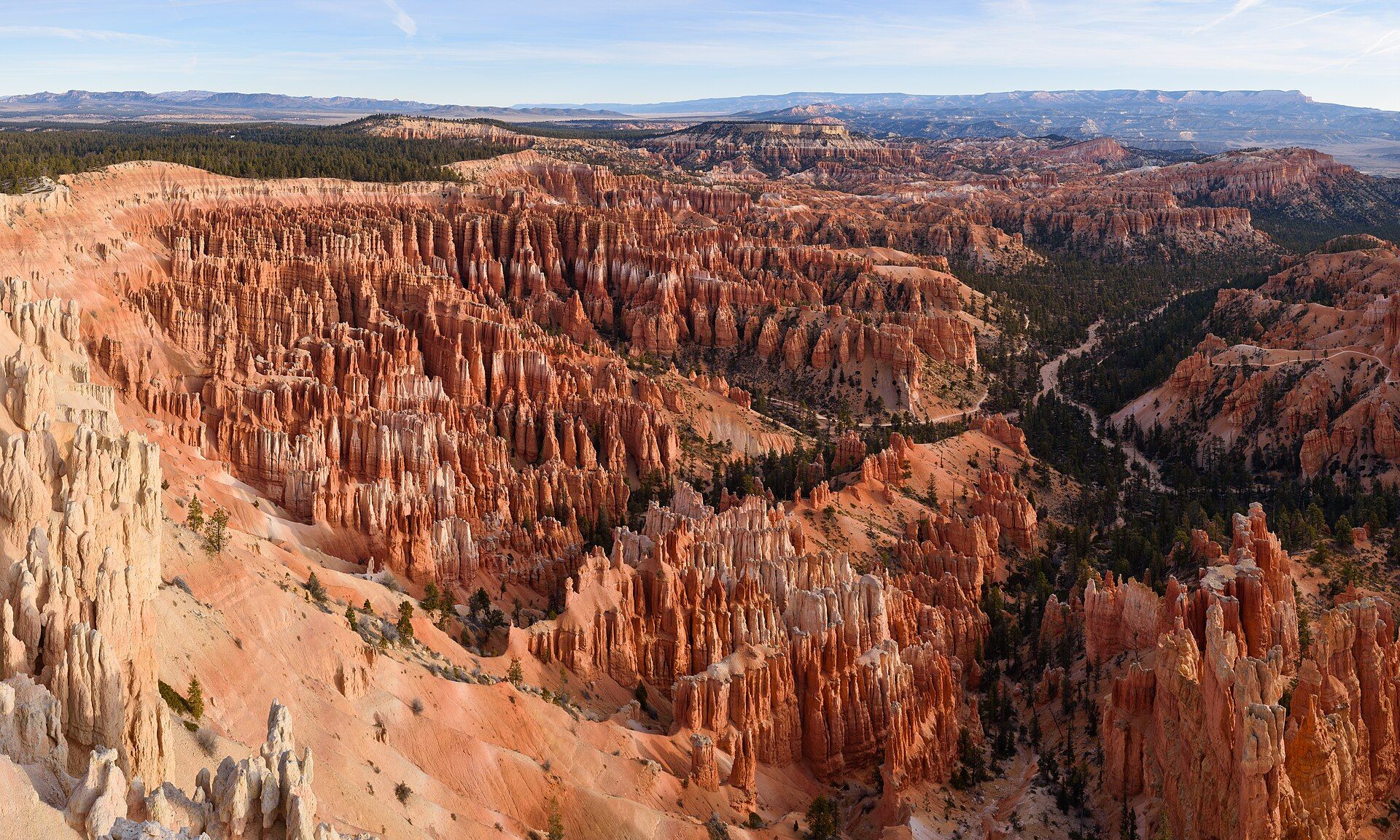
Both are national parks in the American Southwest, both are reached from Las Vegas, and both have 'canyon' in the name. They could hardly be more different. The Grand Canyon is a chasm up to about 1.8 km deep and 29 km wide, cut by the Colorado River. Bryce is not really a canyon at all: it is a row of natural amphitheatres on the edge of a plateau, packed with the largest concentration of hoodoos on Earth.
That difference decides most trips. At the Grand Canyon you look out and down over a vast distance. At Bryce you are close to the rock, and a short trail takes you right in among the spires.
Grand Canyon
Unmatched scale, seen mostly from the rim
About 446 km long, up to 29 km wide and about 1.8 km deep, with walls exposing rock down to Vishnu Schist nearly two billion years old. The South Rim is open all year, with lodging, food, shuttles and a medical clinic at Grand Canyon Village. The higher North Rim is seasonal, roughly mid-May to mid-October. Below the rim, trails are steep, unshaded and far hotter than the rim, and any overnight stay needs a backcountry permit.
- A sense of scale nothing else in the region matches
- Open all year on the South Rim, with easy, largely flat rim paths
- Big options beyond the rim: hiking to the Colorado over several days, or rafting
Bryce Canyon
A forest of orange spires you can walk through
Bryce sits at about 2,400–2,700 m on the edge of a plateau. Frost prises the limestone apart on some 200 nights a year, leaving thin orange, pink and white hoodoos ranged in bowl-shaped amphitheatres. Flat paths run along the rim, and steep switchbacks such as the Navajo Loop and Queen's Garden drop in among the spires. Summer days are mild rather than scorching, it snows heavily in winter, and the clear high air makes it one of the darkest skies in the country.
- You can hike in among the hoodoos in a couple of hours
- Mild summer days at altitude, while the Grand Canyon's inner trails bake
- Exceptional dark skies for stargazing
Head to head
| What matters | Grand Canyon | Bryce Canyon |
|---|---|---|
| The landscape Edge: Toss-up | A vast, layered chasm where the far rim is miles away and the river a distant thread. Overwhelming scale. | Close-packed spires in amphitheatres, glowing orange at sunrise. Intricate rather than vast. |
| Day hiking Edge: Bryce Canyon | Rim paths are easy; trails below the rim are steep, hot and long. Never try the river and back in one day. | The classic descents are a few kilometres of switchbacks that put you among the hoodoos and back on the rim the same morning. |
| Going deeper Edge: Grand Canyon | Multi-day hikes to the Colorado and river rafting trips, with backcountry permits that are hard to get. | Quieter trails like Fairyland and Peekaboo for more of the same rock; backcountry camping needs a permit. |
| Season Edge: Grand Canyon | South Rim all year; spring and autumn are mildest. North Rim roughly mid-May to mid-October. | Roughly May to October for open trails. Snow in winter, when some viewpoints and sections close. |
| Altitude and climate Edge: Toss-up | The South Rim sits above 2,100 m and snows in winter, but the inner canyon is brutally hot in summer. | At 2,400–2,700 m it is far colder than people expect in winter and pleasant in summer. Mind the altitude if you come from sea level. |
| Getting there Edge: Toss-up | About 4–5 hours by road from Las Vegas or 3h30–4h30 from Phoenix to the South Rim; about 1h30 from Flagstaff. | About 4–4h30 by road from Las Vegas or about 4 hours from Salt Lake City. Often paired with Zion. |
| Crowds Edge: Bryce Canyon | The South Rim is busy from spring through autumn, worst around midday at Mather Point and Bright Angel. The North Rim is far quieter. | Sunrise and Sunset Points are busy at exactly those hours. Fairyland and Peekaboo are much quieter for similar rock. |
Which should you choose?
Choose Grand Canyon if…
…you want to see the single most famous landscape in the US, are visiting in winter, or are planning a serious multi-day hike or rafting trip to the river.
Choose Bryce Canyon if…
…you would rather walk among the rock than look at it from a distance, are visiting in summer, are combining it with Zion, or want dark skies.
The honest verdict
On a first trip to the Southwest, most people should see the Grand Canyon. Nothing else gives you that scale, and the South Rim works in every season.
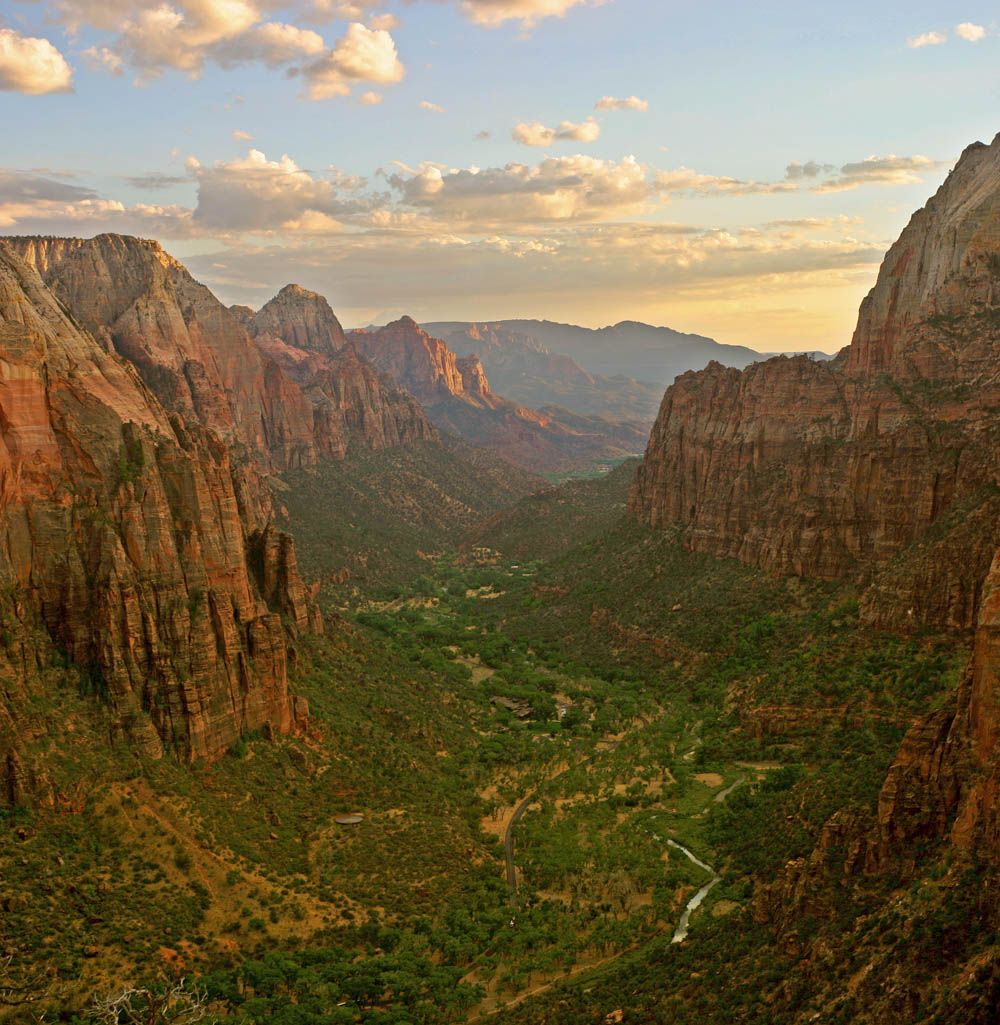
If you are driving a Utah loop with Zion, Bryce is the better use of a day than a long detour to the Grand Canyon, and its short hoodoo hikes are among the best half-days in any US national park.
With a week or more, do both: they share Las Vegas as a gateway and complement each other. Both charge a national park entrance fee, so check the park service for current fees, road and trail conditions before you go.
Wonders mentioned here
Added