Head to head · The Crown of the Continent vs the geyser park
Glacier vs Yellowstone: Which National Park Should You Visit?
Glacier and Yellowstone are the two great national parks of the northern Rockies, and both reach into Montana, so they often end up on the same shortlist. They are very different parks. Glacier is a mountain park: about a million acres of glacier-carved ridges, cirques and turquoise lakes on the Continental Divide. Yellowstone, the world's first national park (1872), sits on a volcanic hotspot and is about what comes out of the ground — geysers, hot springs and steam — plus some of the best large-mammal watching in North America.
The practical difference is the season. Glacier's high road, the Going-to-the-Sun Road, is typically only fully open from around late June or early July until the first heavy autumn snow, so the park is really a July–September destination. Yellowstone's main roads are open roughly May to October, which gives it a longer window.
Glacier
Alpine peaks, turquoise lakes and one great road
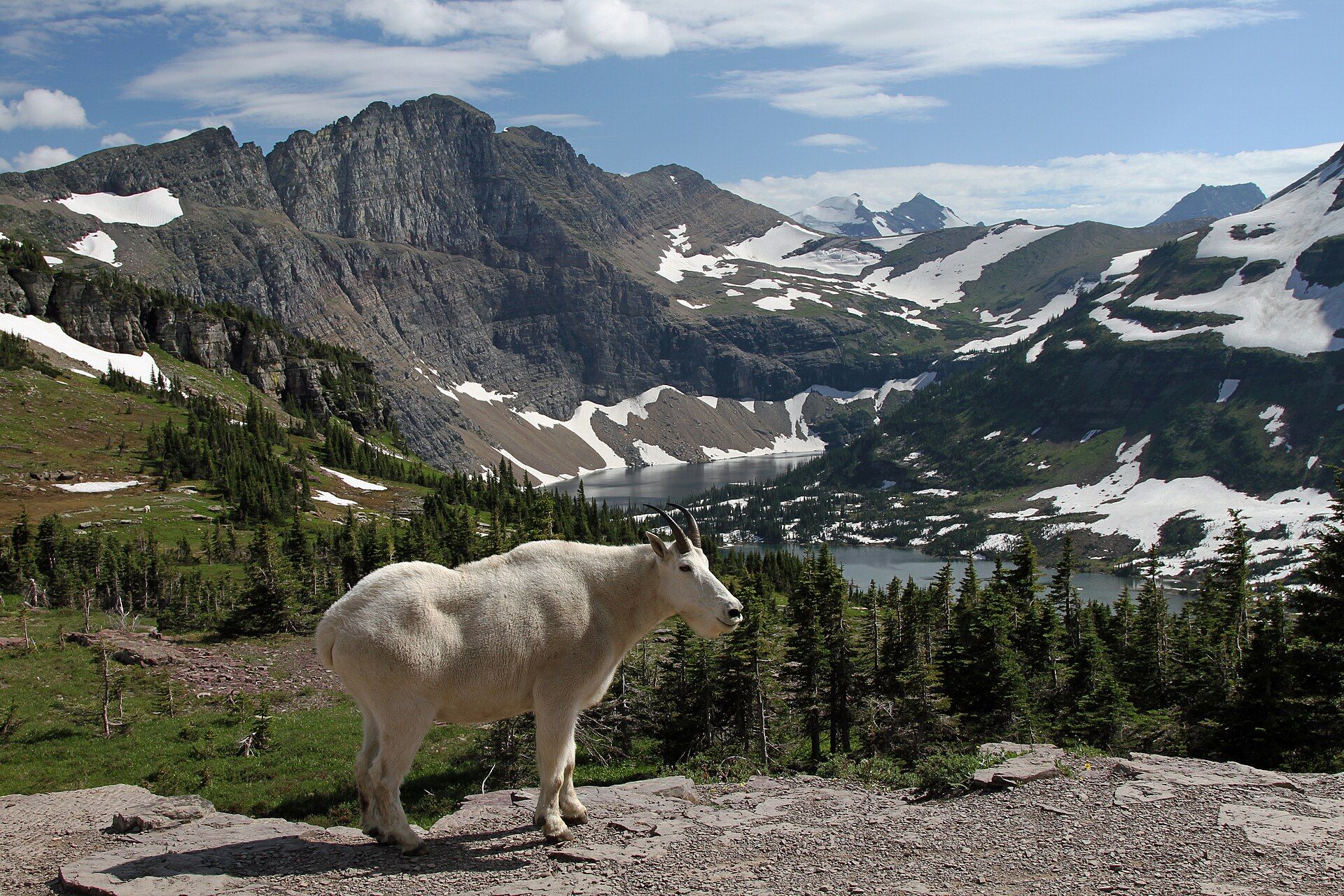
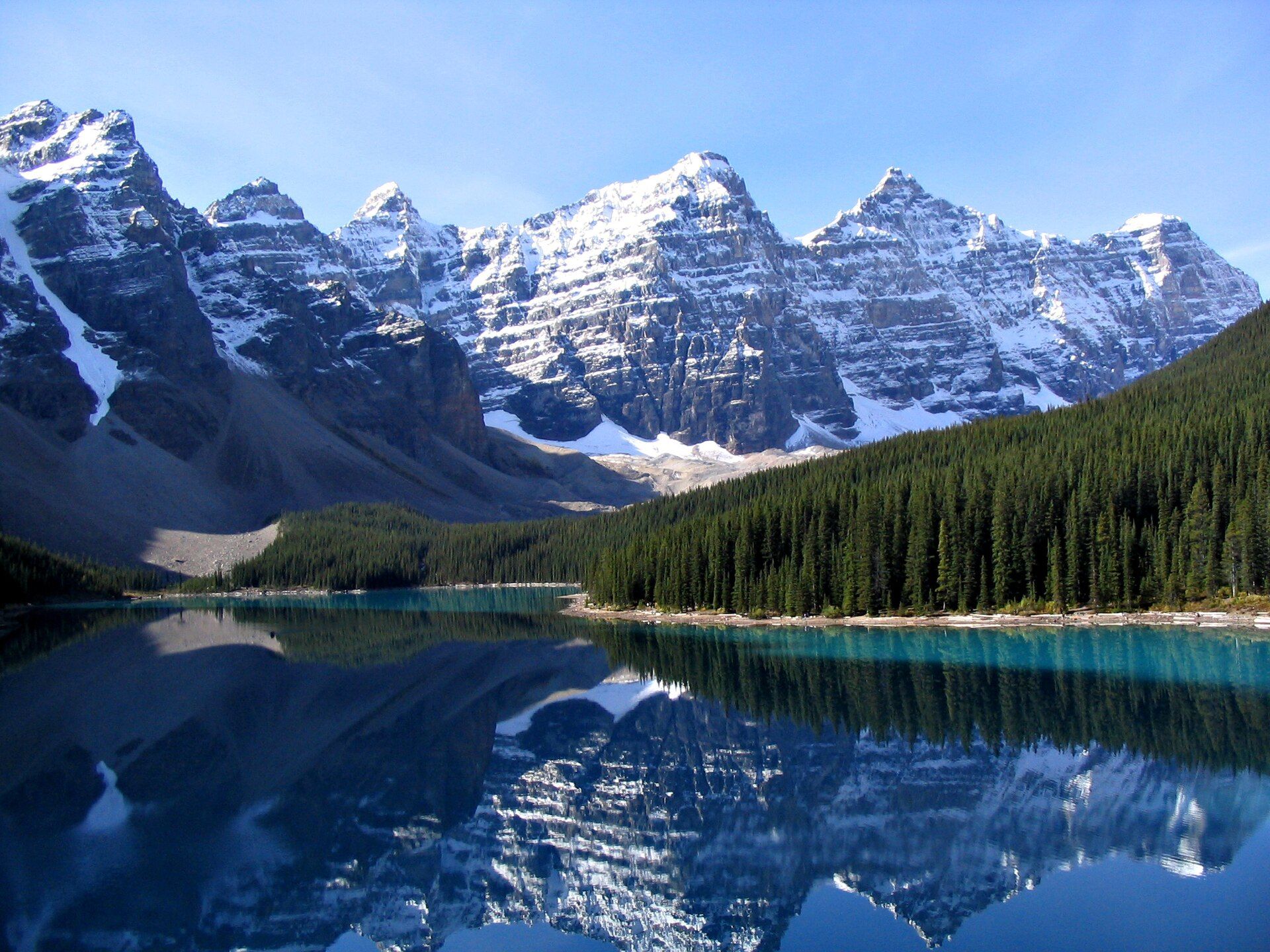
Ice Age glaciers carved Glacier's serrated ridges, horn peaks and hanging valleys, and left cirques holding lakes of vivid turquoise. The park straddles the Continental Divide — the 'Crown of the Continent' — and with Canada's Waterton Lakes forms the Waterton-Glacier International Peace Park, a UNESCO World Heritage Site. The Going-to-the-Sun Road crosses it over Logan Pass.
- The Going-to-the-Sun Road over Logan Pass
- Alpine hiking: the Highline Trail, wildflower meadows, mountain goats
- Glacier-fed turquoise lakes such as St Mary Lake
Yellowstone
Geysers, hot springs and bison herds
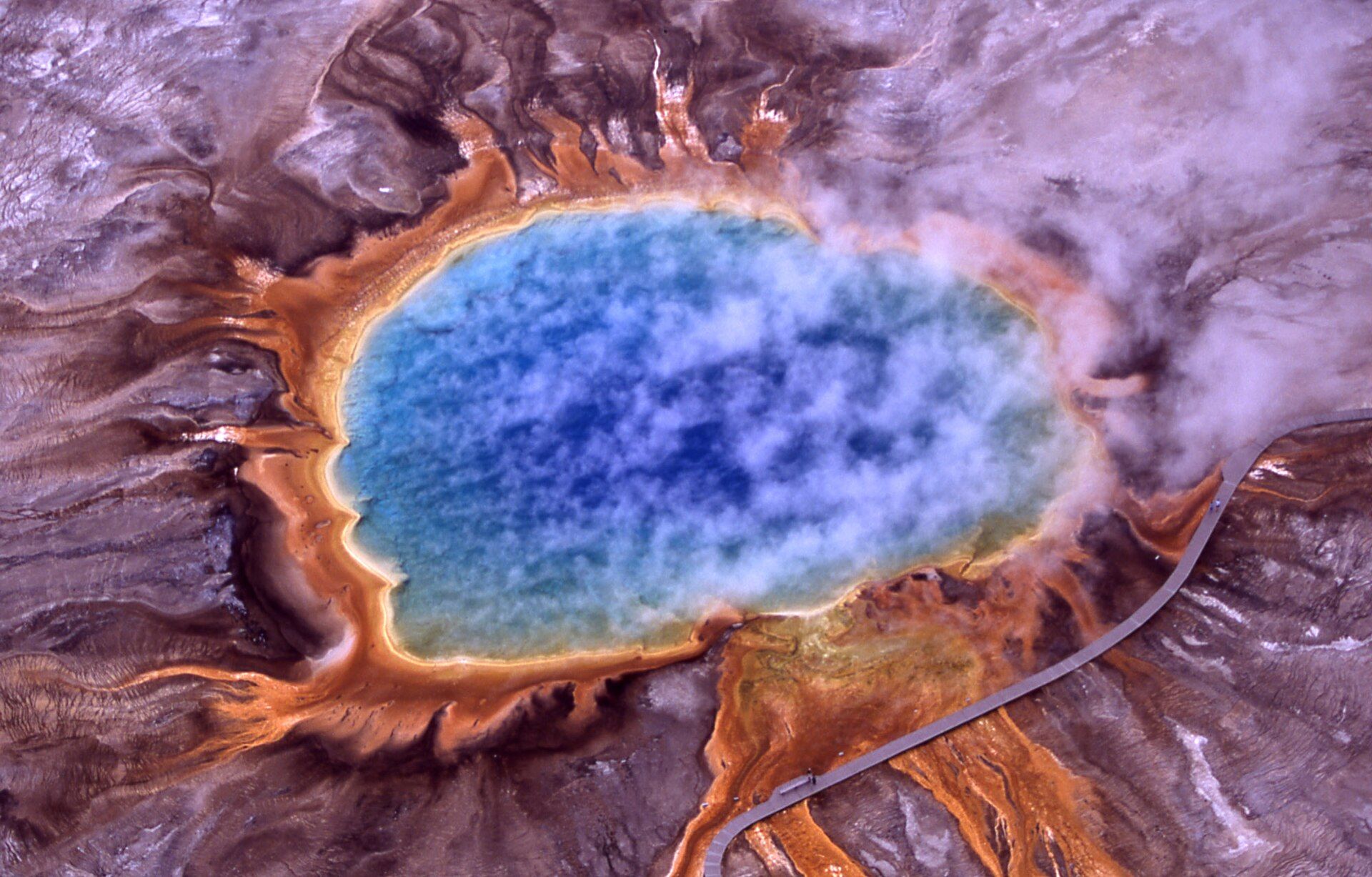
Heat from the hotspot beneath Yellowstone drives more than 10,000 hydrothermal features — over half the world's geysers — including Old Faithful and the Grand Prismatic Spring, the largest hot spring in the United States. Around the basins, the Lamar and Hayden valleys hold free-roaming bison, grizzlies and reintroduced wolves.
- Old Faithful and the geyser basins on boardwalks
- Grand Prismatic Spring's rings of colour
- Wildlife watching in the Lamar and Hayden valleys
Head to head
| What matters | Glacier | Yellowstone |
|---|---|---|
| The scenery Edge: Toss-up | Mountain scenery: jagged peaks, hanging valleys, glaciers and turquoise lakes. | Volcanic ground: steaming basins, coloured hot springs and erupting geysers, set in a high plateau of forest, rivers and valleys. |
| Wildlife Edge: Yellowstone | Grizzly and black bears, mountain goats, bighorn sheep, wolverines and lynx — goats and sheep are easy to see near Logan Pass. | Bison herds, elk, grizzlies and wolves in open valleys where they are easier to spot from the road. |
| Season Edge: Yellowstone | Short: roughly July–September, when the Going-to-the-Sun Road is fully open and high trails are clear of snow. Plowing dates vary by weeks each year. | Longer: roughly May–September for open roads and basins. Most interior roads close to cars from about November to April; winter access is by snowcoach or snowmobile. |
| Time needed Edge: Glacier | Three to four days for both sides of the divide. | Three days minimum; a week to see it without rushing — distances between basins are long. |
| Getting there Edge: Toss-up | Fly to Kalispell (FCA); the west entrance is roughly 40 minutes away. | Fly to Bozeman (BZN) for the North or West entrance, roughly 1h30–2h, or Jackson (JAC) for the South Entrance, about 1h. |
| Reservations and rules Edge: Yellowstone | The park has run vehicle reservations for the Going-to-the-Sun Road corridor in recent seasons, with details changed every year; vehicle length and width limits apply on the alpine section. | Entry fee valid for several days. Road opening dates follow the snowpack, so check road status rather than a calendar. |
| Hiking Edge: Glacier | The better hiking park: trails from the road climb straight into alpine meadows and ridges. | Mostly flat boardwalks around the thermal areas; you must stay on them, as the crust over boiling water is thin. |
| Crowds Edge: Toss-up | Concentrated on one road in July and August; the Logan Pass car park is often full before 7 a.m. A mile up a trail it thins out. | Old Faithful and Grand Prismatic are congested in midsummer, with lots full by mid-morning; early and late in the day are quieter. |
Which should you choose?
Choose Glacier if…
…you want mountain hiking and alpine scenery, are travelling in July–September, and can start your days very early.
Choose Yellowstone if…
…you want geysers and wildlife, are travelling in May, June or September, or are bringing people who prefer short, flat walks.
The honest verdict
If you can only go in late spring or early summer, choose Yellowstone: Glacier's high road and trails may still be under snow until about July.
In July–September, the choice is about what you want to look at. Glacier is the more beautiful mountain park and the better one for hiking; Yellowstone is the only place to see so many geysers and hot springs, and the easier park for seeing bison, elk and wolves.
Both are grizzly country — carry bear spray in both — and both change their road and entry rules from year to year. Check the National Park Service for current road status and any reservation requirements before you book.
Wonders mentioned here
Added