Head to head · The two classic polar bear trips
Churchill vs Svalbard: Where Should You Go to See Polar Bears?
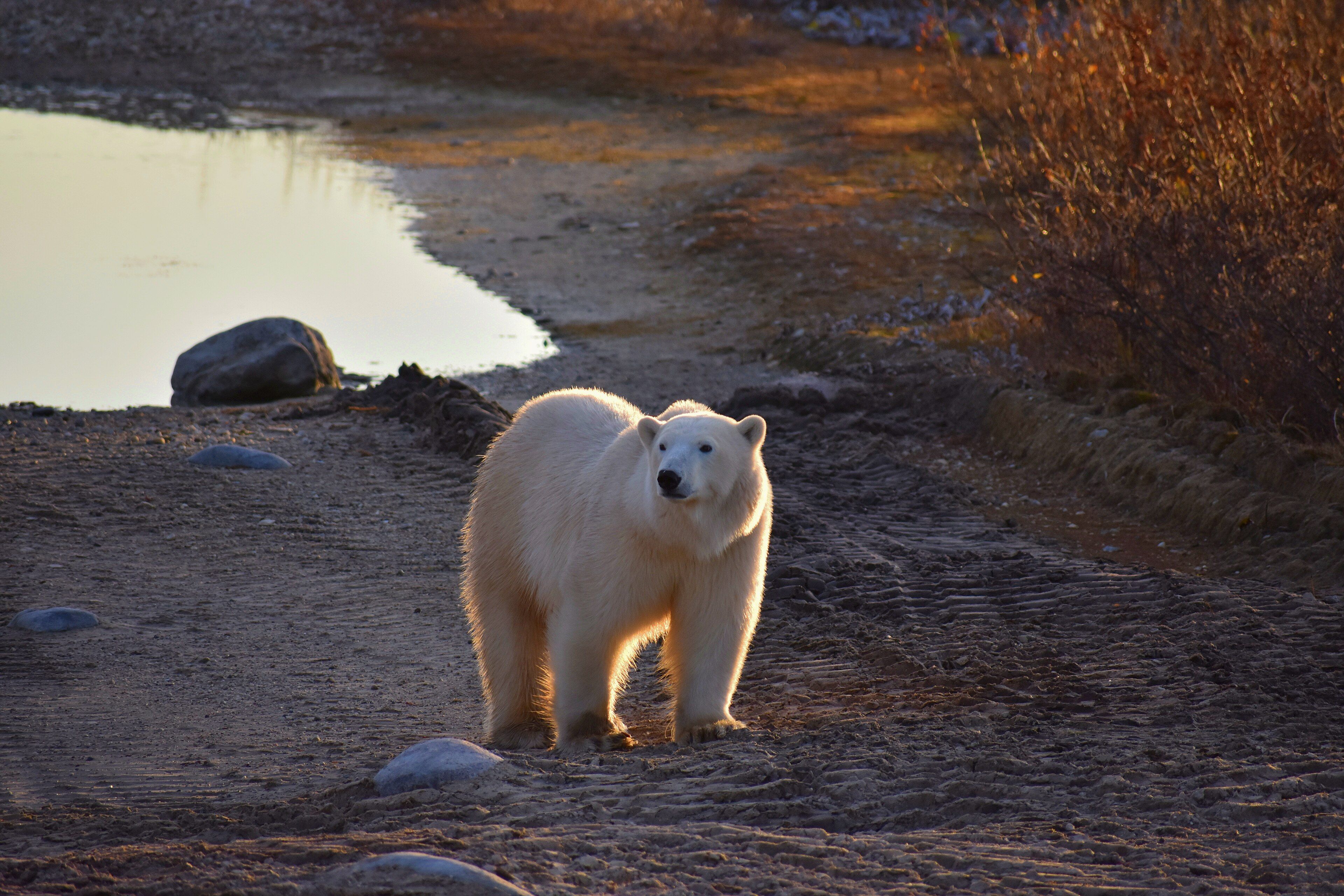
Churchill and Svalbard are the two names that come up first when people plan a trip to see wild polar bears, but they work in opposite ways. At Churchill, on the western shore of Hudson Bay in Manitoba, the bears come to you: when the bay melts each summer the western Hudson Bay population is forced ashore, and in October and November roughly 900 of them gather on the coast near town, waiting for the ice to form. You watch them from high-clearance tundra vehicles run by licensed operators.
Svalbard, roughly halfway between mainland Norway and the North Pole, is a High Arctic archipelago where bears range over glaciers, fjords and pack ice. It is one of the best places on Earth to see them in the wild, but you go looking — by expedition ship in summer, by snowmobile or dog sled in late winter and spring — and no operator can promise a sighting.
Churchill
About 900 bears on the tundra each autumn, waiting for the ice
Churchill is a small town at 58.8°N with no road in. Polar bears hunt seals from sea ice, and because currents, cold river outflow and the prevailing wind make the ice form first near Churchill, the western Hudson Bay bears gather there each autumn — the densest predictable concentration of polar bears anywhere accessible to visitors. Viewing is only from purpose-built tundra vehicles with licensed operators, and vehicle numbers on the tundra are capped. In summer the same estuary fills with thousands of beluga whales.
- A predictable window: mid-October to mid-November, when the bears gather for freeze-up
- Close views from tundra vehicles without boats, landings or sea conditions
- Belugas in the estuary from mid-June to August, and winter aurora under the auroral oval
Svalbard
Bears on glaciers and pack ice, halfway to the North Pole
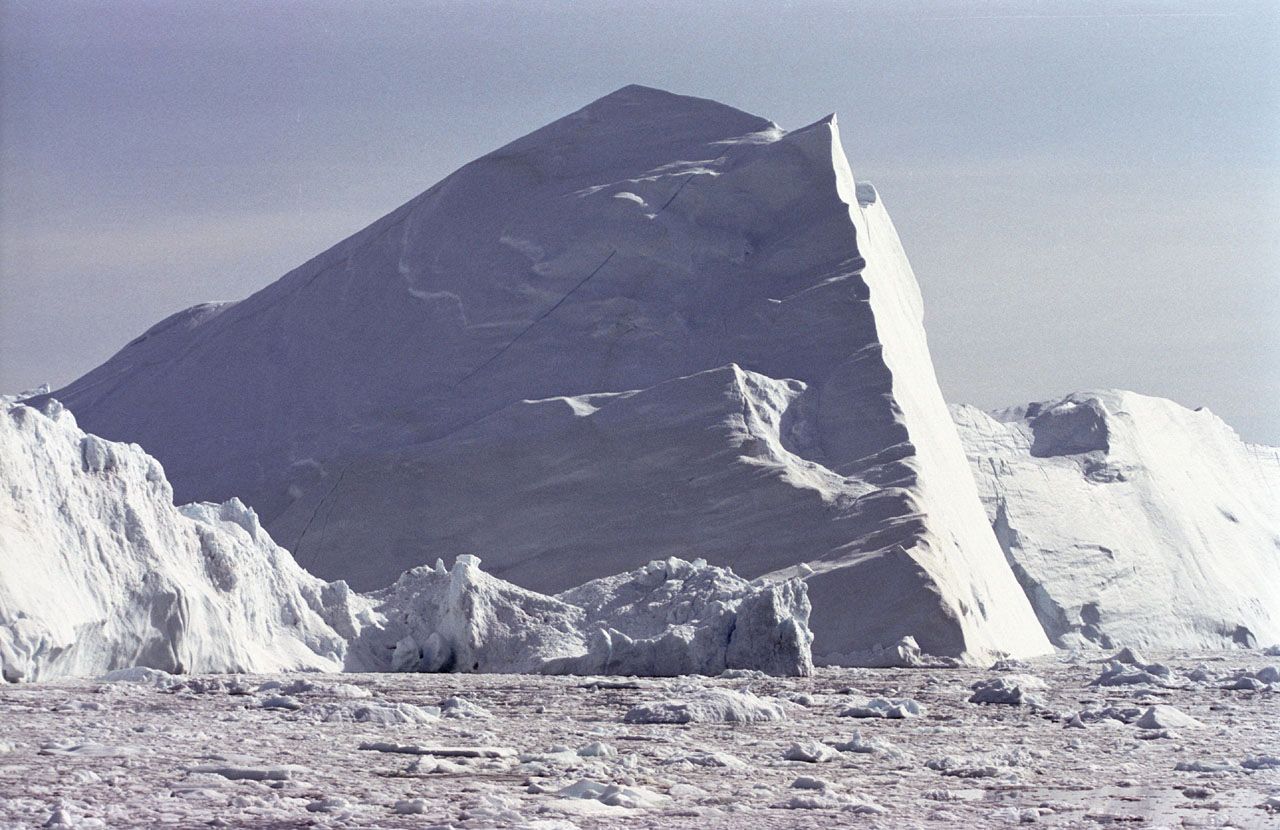
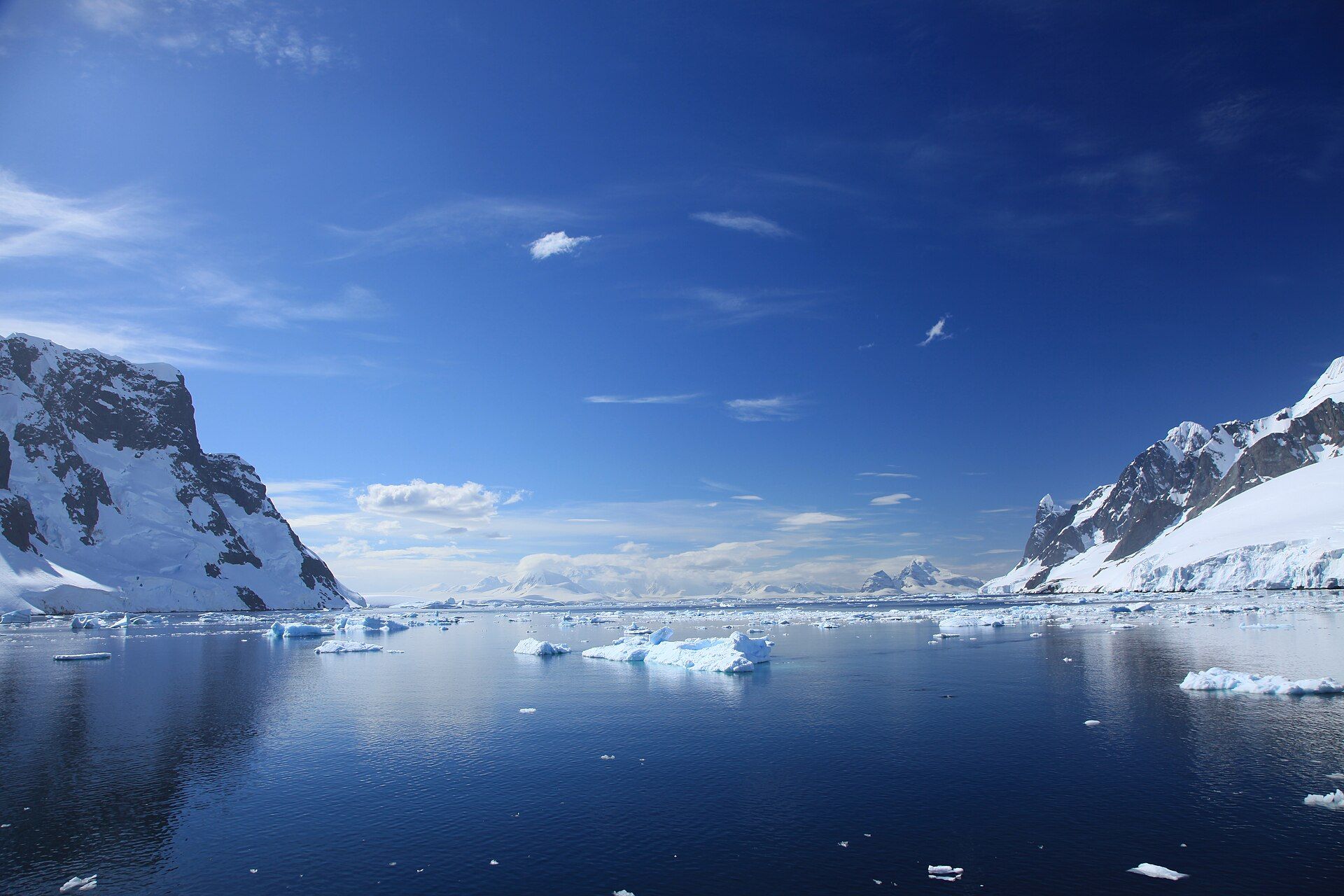
Svalbard is about 60% glacier, with sharp peaks and ice-choked fjords, and polar bears here outnumber people. Alongside bears you look for walrus, Arctic fox, reindeer, summer seabird colonies and whales. You fly to Longyearbyen, roughly 3 hours from Oslo and often via Tromsø; beyond the settlement the Governor of Svalbard's wildlife and safety rules apply, so in practice you travel with a licensed operator and let the ice and wind set the itinerary.
- Bears in a true High Arctic setting of glaciers and sea ice, not a coastal waiting ground
- Walrus, Arctic fox, reindeer, seabirds and whales on the same trip
- Two seasons: summer boat expeditions under the midnight sun, or March–May snow travel
Head to head
| What matters | Churchill | Svalbard |
|---|---|---|
| Chance of seeing a bear Edge: Churchill | High in season: roughly 900 bears gather along the coast near town from mid-October to mid-November. | Good but never guaranteed — the wonder page is blunt that sightings are uncertain and no operator can promise them. |
| Setting Edge: Svalbard | Frost-bleached coastal tundra at the treeline, where the boreal spruce gives out. | Glaciers, jagged peaks, frozen fjords and pack ice in the High Arctic. |
| Other wildlife Edge: Svalbard | Thousands of beluga whales in the Churchill River estuary, mid-June to August — a different season from the bears. | Walrus, Arctic fox, reindeer, summer seabird colonies and whales, often on the same voyage as bears. |
| How you see the bears Edge: Toss-up | From licensed high-clearance tundra vehicles; numbers on the tundra are capped. Walking outside town in bear season is not an option. | From expedition ships in summer, or by snowmobile and dog sled in late winter and spring — always with a licensed operator. Itineraries change daily with ice and wind. |
| Best months Edge: Toss-up | Mid-October to mid-November for bears; mid-June to August for belugas; January–March for aurora. | June–August for boat expeditions and the midnight sun; March–May for snow travel and dog sledding. |
| Getting there Edge: Toss-up | No road. Fly from Winnipeg, roughly 2.5 hours, or take the train, about two days. | Fly Oslo → Longyearbyen, roughly 3 hours, often via Tromsø — most of a day from mainland Europe. |
| Time needed Edge: Churchill | 3–5 nights, so a weather day doesn't cost the trip. | 4–7 days; expedition cruises run several days to two weeks. |
| Booking and cost Edge: Toss-up | Tundra-vehicle trips sell out 6–12 months ahead for October–November; flights, rooms and tours are expensive, with no cheap alternative. | Expedition voyages and guided snow trips are the only way beyond Longyearbyen; insurance that covers Arctic search and rescue is part of the planning. |
Which should you choose?
Choose Churchill if…
…your one goal is to see polar bears, you can travel in October or November, and you want the best odds with the least time at sea.
Choose Svalbard if…
…you want bears as part of a wider High Arctic journey — glaciers, pack ice, walrus and seabirds — and accept that the bear itself may not appear.
The honest verdict
Choose Churchill if seeing a polar bear is the point. For about a month each autumn the western Hudson Bay bears wait on the coast for the ice, and tundra vehicles take you among them on land. It is a short trip — 3–5 nights from Winnipeg — but it has to be booked 6–12 months ahead and it is not cheap.
Choose Svalbard if you want the Arctic itself. The bears are there, along with walrus, Arctic fox and whales, but they are spread across glaciers and sea ice and you search for them from a ship, a snowmobile or a dog sled. Landings get cancelled and no one can promise a sighting; the ice, light and landscape are the reliable rewards.
The seasons barely overlap: Churchill's bear window is October–November, Svalbard's boat season is June–August and its snow season March–May. If you already have dates, they may decide for you.
Wonders mentioned here

Added