Head to head · Java's volcanoes
Mount Bromo vs Kawah Ijen: Which Java Volcano?
East Java's two most famous volcanoes are often planned into the same trip, usually back to back — but they offer completely different spectacles, and the effort involved is not the same.
Here's how Mount Bromo and Kawah Ijen stack up across what actually shapes a visit, and how to decide which to prioritise.
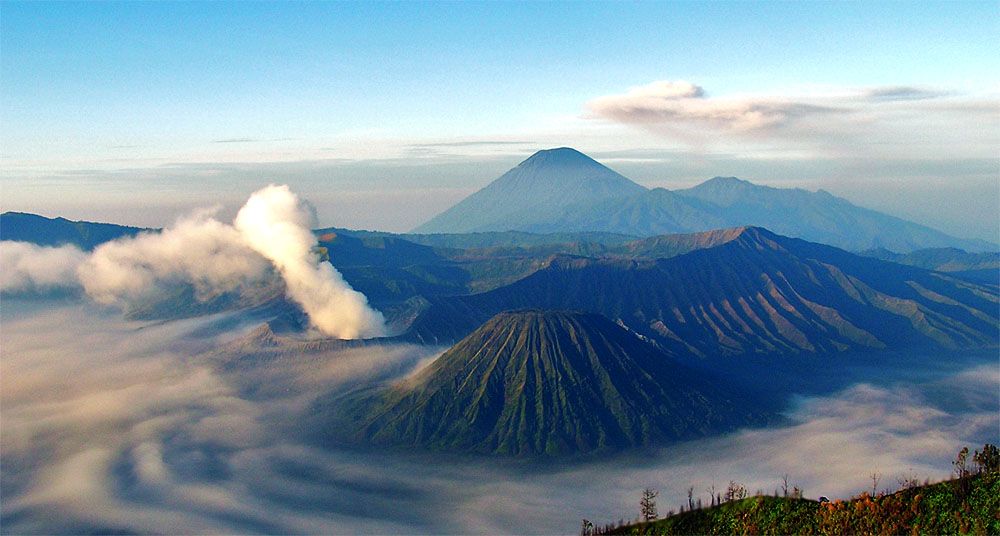
Mount Bromo
The classic volcanic sunrise
A smoking cone rising from a vast 'Sea of Sand' caldera, famous for a sunrise view from the surrounding ridge where the whole volcanic massif floats above the mist. Easier, gentler, and endlessly photogenic.
- One of the most spectacular sunrise views in Asia
- Relatively easy — a jeep and a short walk to the rim
- Otherworldly caldera scenery, good even outside sunrise
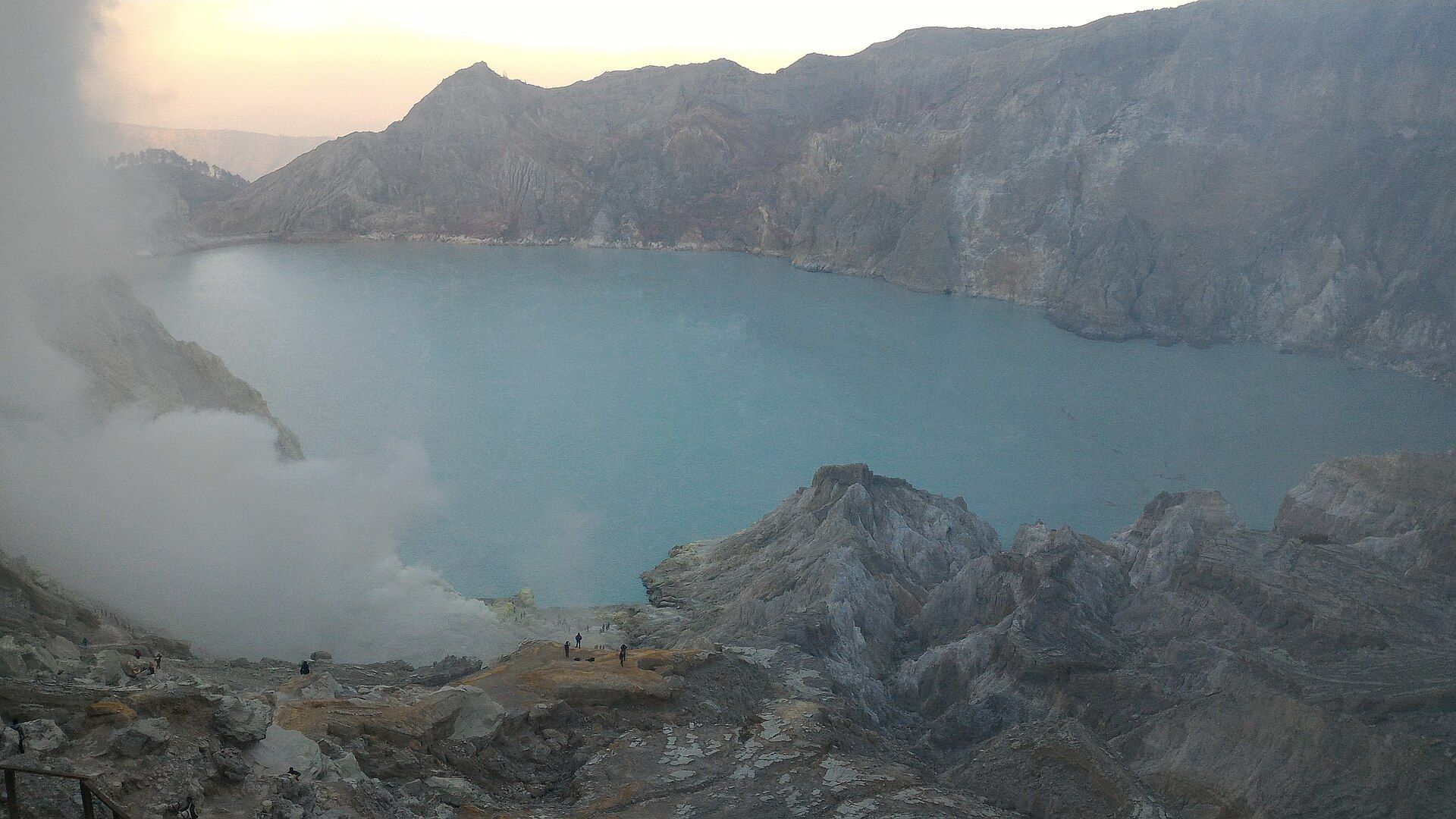
Kawah Ijen
Blue fire and a turquoise acid lake
A crater famous for eerie blue flames of burning sulphurous gas seen before dawn, and a vivid turquoise acid lake by day — reached on a steep pre-dawn hike past the sulphur miners at work.
- The rare electric-blue fire, visible only in darkness
- A striking turquoise crater lake at first light
- A raw, unforgettable glimpse of hand sulphur-mining
Head to head
| What matters | Mount Bromo | Kawah Ijen |
|---|---|---|
| Signature sight Edge: Toss-up | A sweeping sunrise over a caldera of cones and mist — grand and panoramic. | Close-up drama — blue flames in the dark and an acid lake at dawn. |
| Effort Edge: Mount Bromo | Easy — jeep transfer and a short walk to the viewpoint and rim. | Demanding — a steep hour-plus hike in the dark, then down into the crater for the blue fire. |
| Best time of day Edge: Toss-up | Sunrise, for the classic sea-of-mist view. | Very early pre-dawn (roughly 1–4am) while it's still dark enough to see the flames. |
| Air & safety Edge: Mount Bromo | Generally straightforward, with mild sulphur near the active vent. | Sulphur fumes in the crater can be intense — a proper gas mask is essential. |
| Photography Edge: Mount Bromo | Endlessly photogenic in soft dawn light. | Spectacular but hard — the blue fire is faint and needs long exposures. |
| Best season Edge: Toss-up | Dry season (roughly April–October) for clear sunrises. | Dry season too; the blue fire is clearest on dry, still nights. |
Which should you choose?
Choose Mount Bromo if…
…you want a spectacular but easy sunrise, prefer sweeping panoramas over hard hiking, or you're travelling with anyone who'd struggle with a steep pre-dawn climb and sulphur fumes.
Choose Kawah Ijen if…
…you're after the rare blue-fire spectacle and the turquoise crater lake, don't mind a tough pre-dawn hike, and want a rawer, more adventurous experience.
The honest verdict
They're different enough that most travellers do both — and East Java's tour circuit is built to link them over two or three days.
If you can only do one: Bromo for the easier, grander sunrise; Ijen for the rarer, more demanding blue-fire adventure.
Fitness and appetite for effort are the real deciders — Bromo rewards everyone, while Ijen rewards those willing to earn it in the dark.
Wonders mentioned here
Added