The world's great waterfalls: height, width, and sheer power
Ask which is the world’s greatest waterfall and you’ll get an argument, because the great falls each win on a different measure — height, width, or raw volume — and comparing them is half the fun.
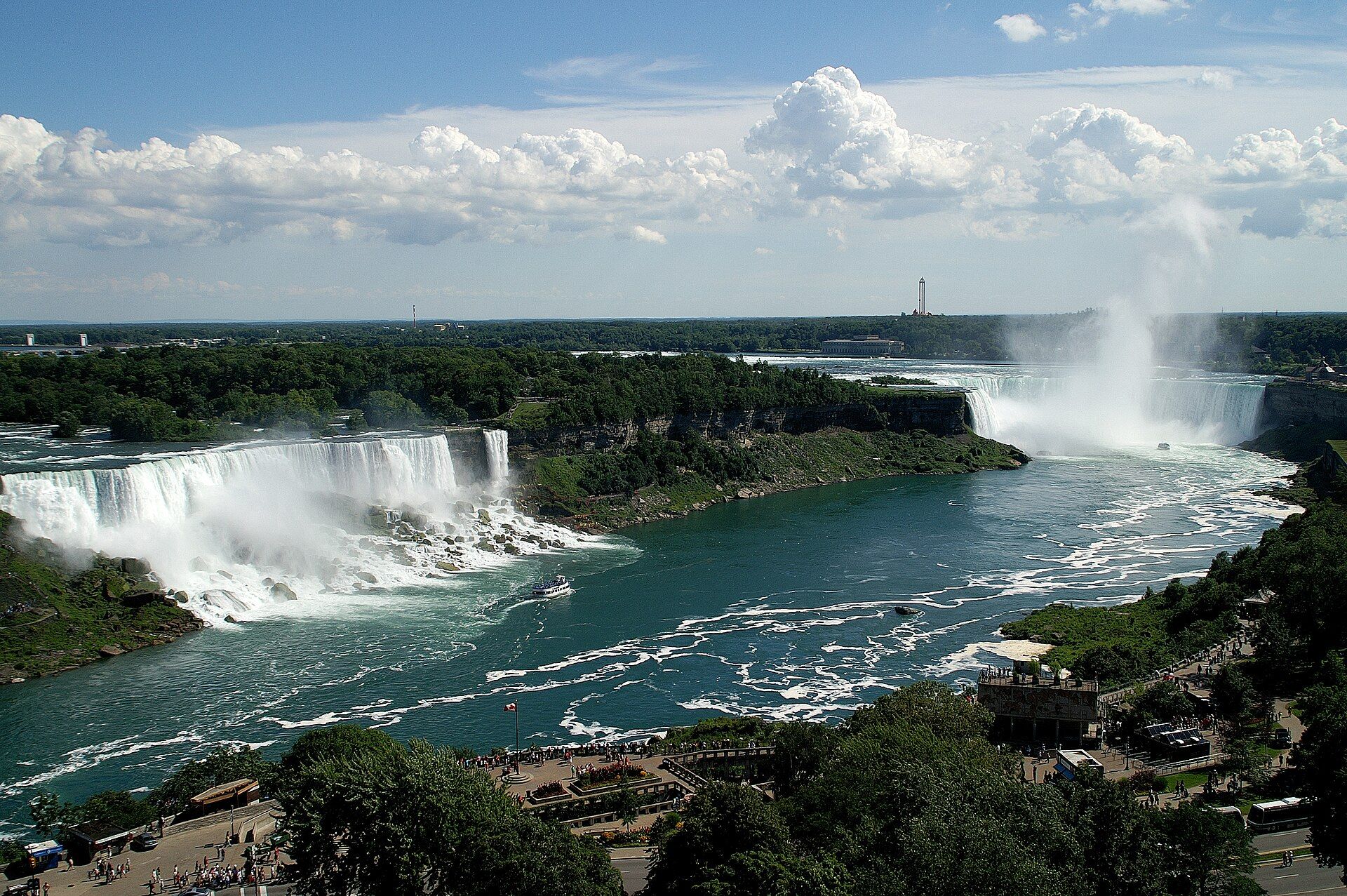
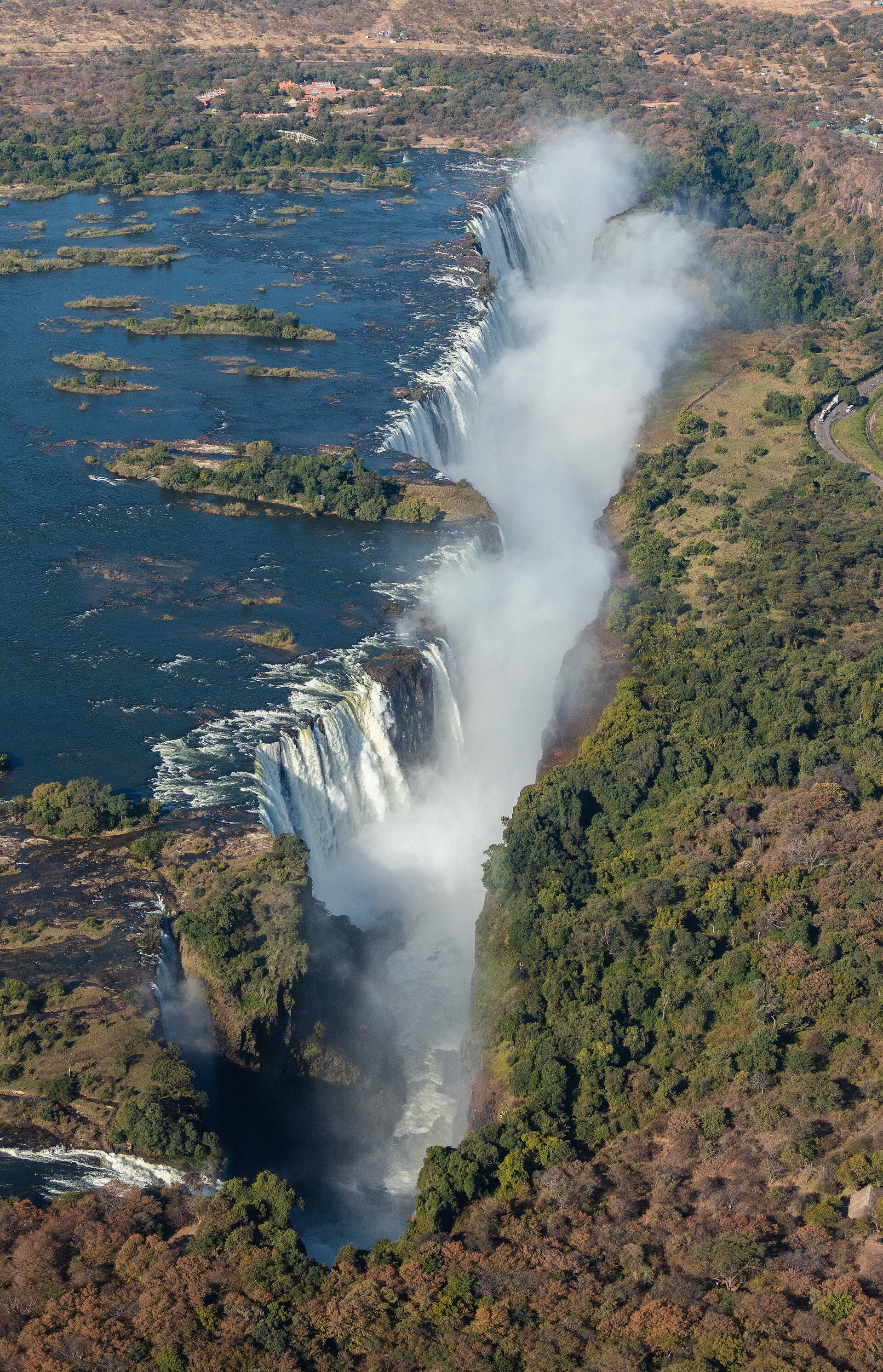
Niagara is all about power. Its drop is modest, only about 50 metres, but it carries the outflow of four of the five Great Lakes, so thousands of cubic metres of water pour over the Horseshoe Falls every second — among the highest-volume falls anywhere. Victoria Falls wins on the combined measure of width and height: the Zambezi collapses over a lip nearly 1.7 kilometres wide and up to 108 metres high, creating the largest single sheet of falling water on Earth and a ‘smoke’ of spray visible for kilometres.
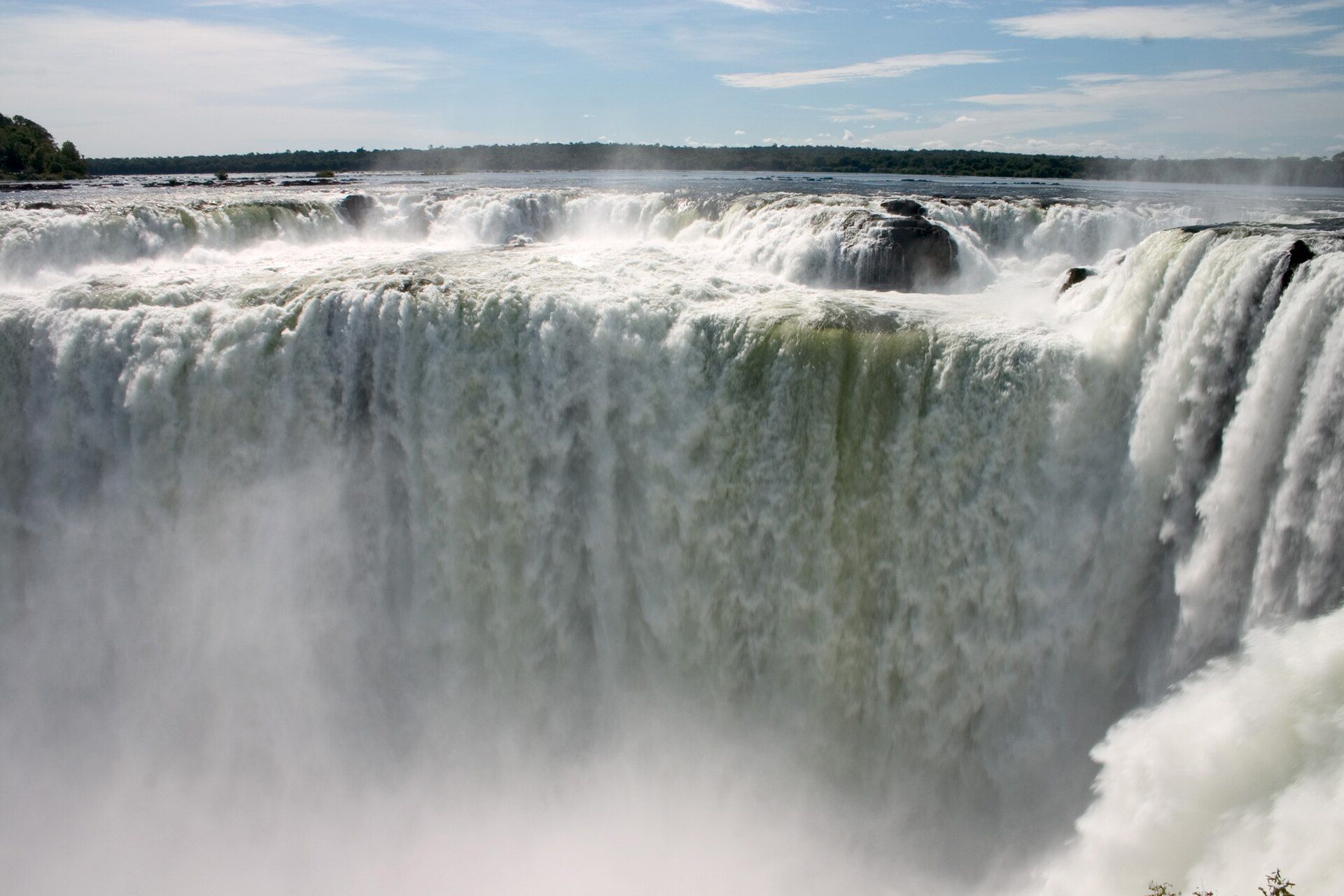
Iguazú plays a different game again — not one waterfall but a whole army of them, some 275 cascades strung along nearly three kilometres of rainforest, crowned by the roaring horseshoe of the Devil’s Throat. What unites them is the same simple physics: a river meets a sudden change in the hardness of the rock beneath it, the softer rock erodes away faster, and the water is left to fall. From there, geography does the rest — and turns that plunge into some of the most thrilling spectacles on the planet.
Wonders in this article