The wild Philippines: beyond the postcard beaches
Say ‘Philippines’ and most people picture a beach. Fair enough — the country has thousands of glorious ones. But the archipelago’s real range only reveals itself when you go looking past the shoreline, and the payoff is some of the most distinctive nature in Southeast Asia.
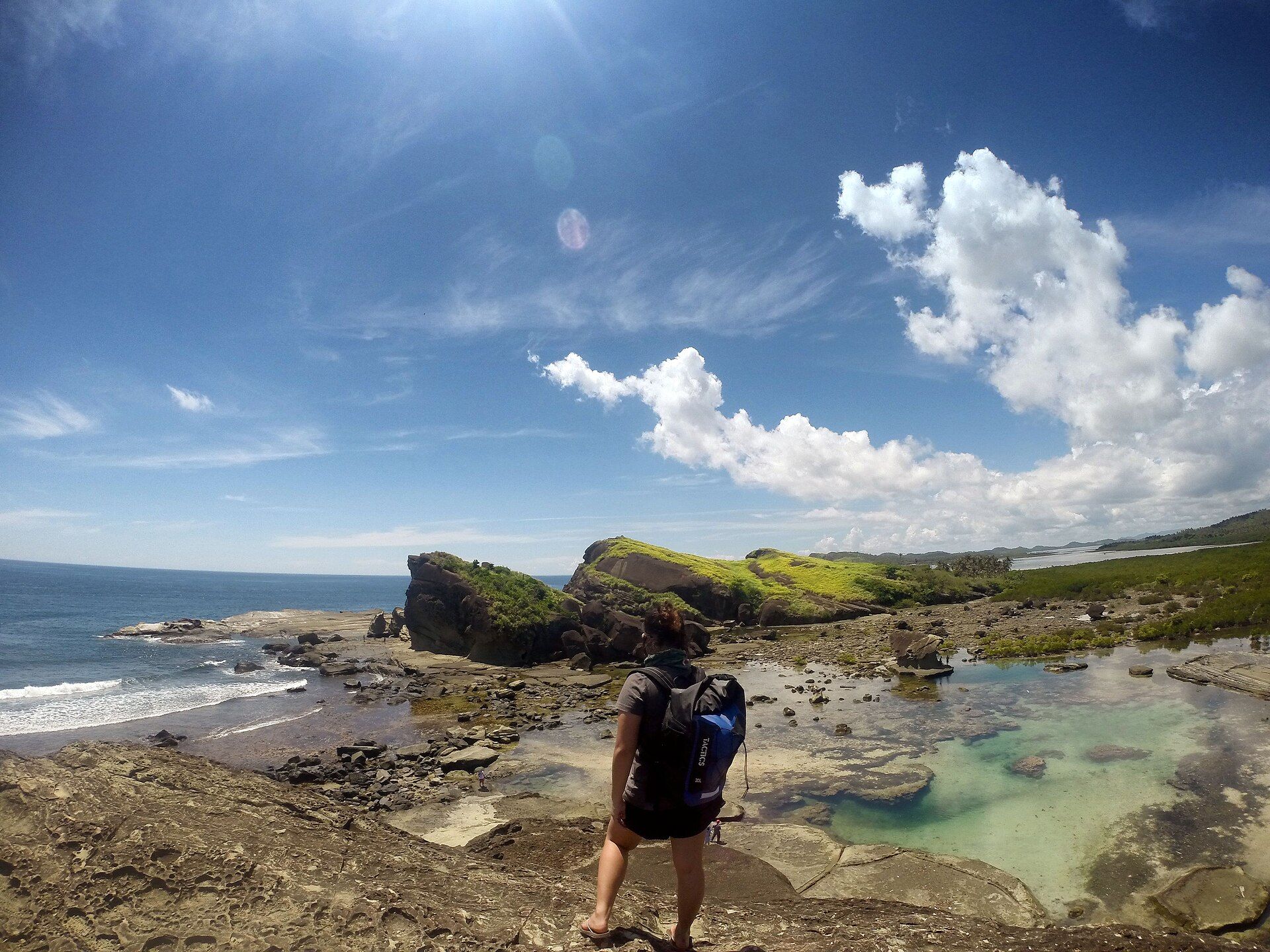
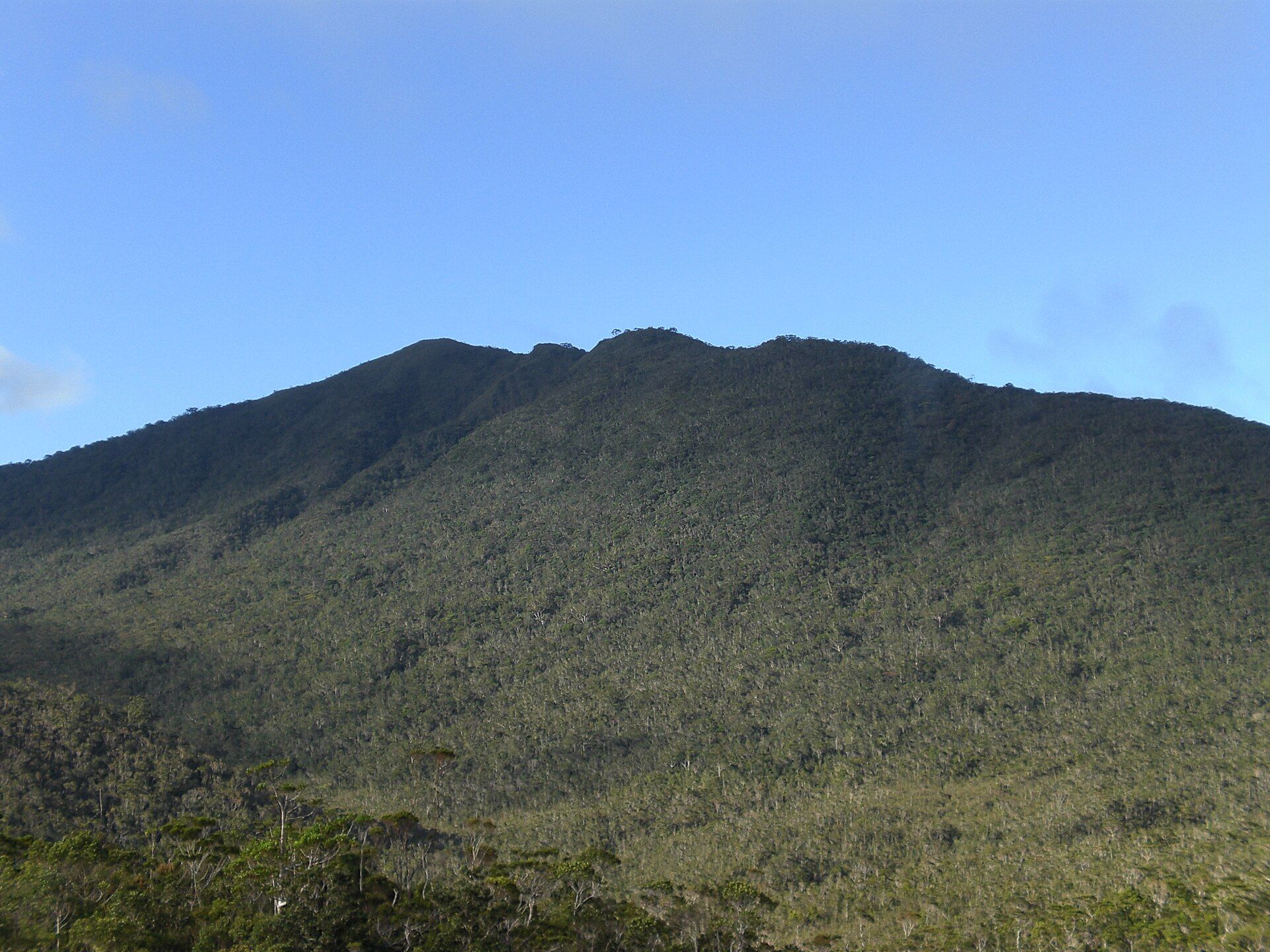
Head up a mountain in Davao Oriental and you can walk through the eerie ‘pygmy forest’ of Mount Hamiguitan, where century-old trees grow bonsai-small on mineral-poor soil, ringed by carnivorous pitcher plants found nowhere else — a UNESCO-listed evolutionary laboratory. Off Sorsogon, the plankton-rich bay at Donsol draws seasonal gatherings of whale sharks, met on a strictly regulated, no-touch basis that helped turn the Philippines away from exploitative wildlife tourism. And on a wind-blasted island in Northern Samar, the Biri rock formations stand where the open Pacific meets one of the country’s roughest tidal channels, sculpted into cliffs and tidal pools you can bathe in as waves explode metres away.
The thread running through all of them is that the best of the wild Philippines is increasingly protected and community-managed — sanctuaries, permits, caps on numbers. That’s not red tape; it’s the reason these places are still worth the journey. Go past the beaches, follow the rules, and the country opens up.
Wonders in this article