Islands in the sky: the lost-world tepuis of South America
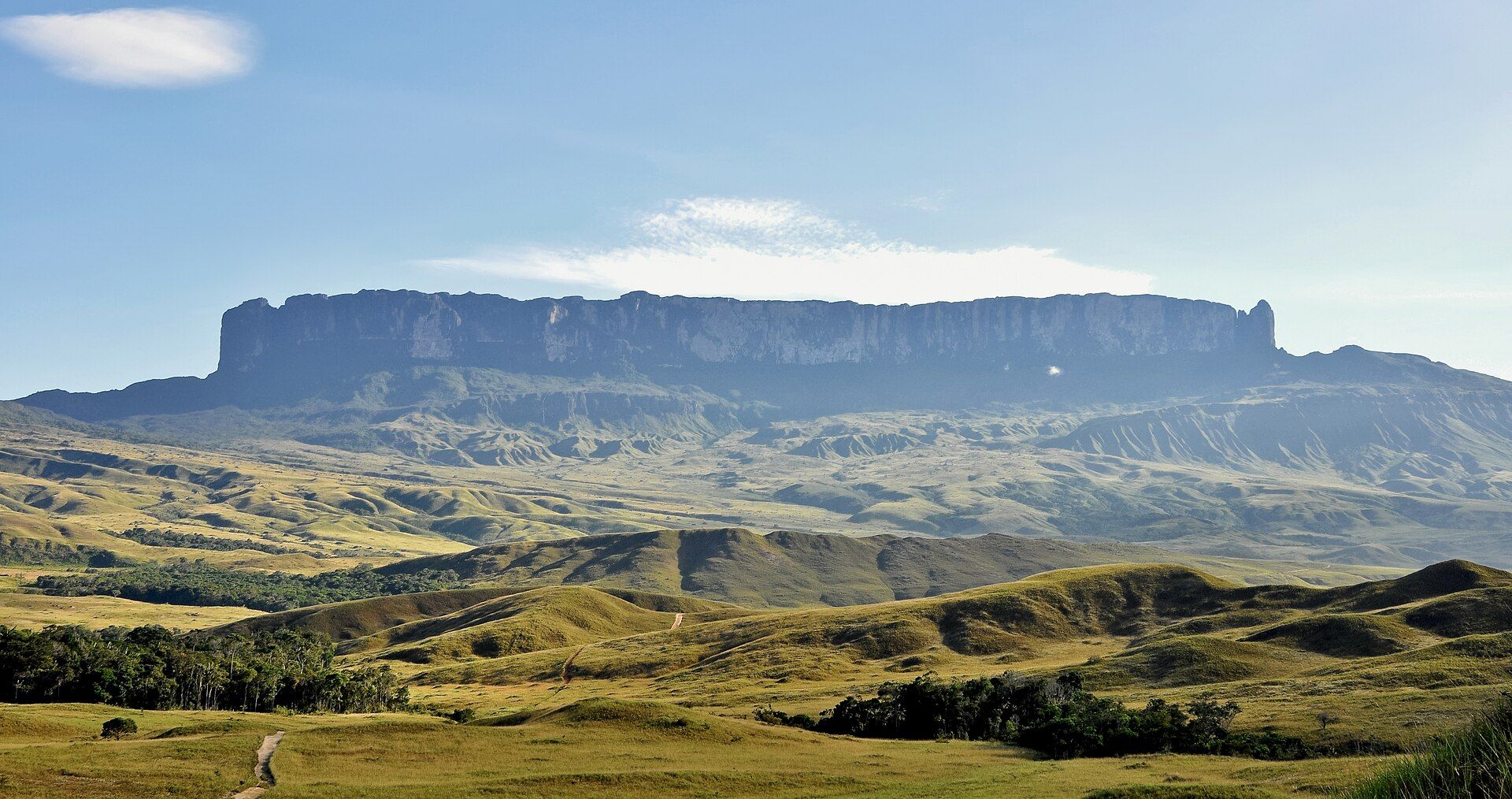
Deep in the wild borderlands where Venezuela, Brazil, and Guyana meet, a handful of extraordinary mountains rise straight out of the jungle: the tepuis. Flat-topped and ringed by sheer cliffs hundreds of metres high, they look less like peaks than like fortresses adrift in the clouds — and geologically, that is almost what they are. The tepuis are remnants of an immense sandstone plateau laid down before complex life had left the sea, making them some of the oldest exposed rock formations anywhere on the planet.
Their sheer isolation has turned each summit into an evolutionary island. Cut off from the lowlands for millions of years, the plants and animals on top evolved in their own direction, and many — carnivorous sundews, strange frogs, unique orchids — live only on a single tepui and nowhere else. It was this quality of a world lost in time that inspired Arthur Conan Doyle’s 1912 novel ‘The Lost World.’ The greatest of the tepuis, Mount Roraima, can be climbed on a multi-day trek up a natural ramp, delivering walkers onto a black, rain-sculpted plateau that feels like another planet.
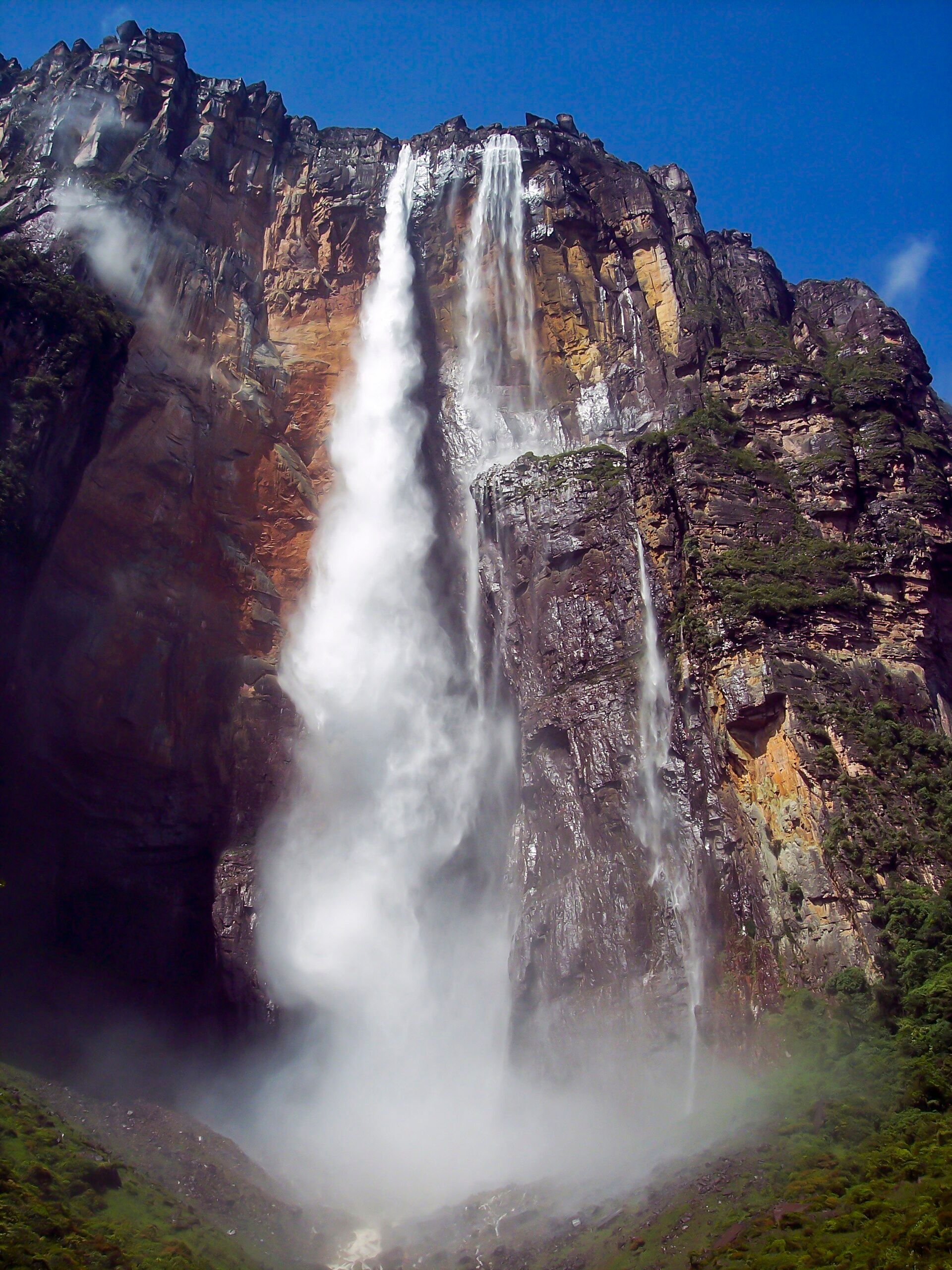
From the flank of another, Auyán-tepui, plunges the most famous sight of all: Angel Falls, the tallest waterfall on Earth, a ribbon of water dropping 979 metres — so far that it dissolves into mist before it lands. Reaching it means a flight over the table mountains and a river journey through untouched rainforest.
The tepuis reward only those willing to travel far and rough, but that is part of their magic. In an age when so little of the world feels unexplored, these islands in the sky remain genuinely remote, genuinely strange, and genuinely ancient — a glimpse of the Earth as it was long before us.
Wonders in this article