Superlative · rice terraces
The Most Beautiful Rice Terraces in the World
5 places · every one real, mapped, and worth the trip
Rice terraces are farmland first: whole mountainsides cut into level paddies by the Hani, Zhuang and Yao in China, the Ifugao in the Philippines, the Hmong in Vietnam and the subak cooperatives of Bali. They are also among the most beautiful landscapes anywhere — but only at the right moment in the rice cycle.
That moment is different for each one. Yuanyang is flooded through the winter; Longji and Mù Cang Chải flood in late spring and turn gold in September and October; Banaue is greenest in March and April. This is our editors' pick of the five rice-terrace landscapes in the atlas, unranked, each with its window.
-
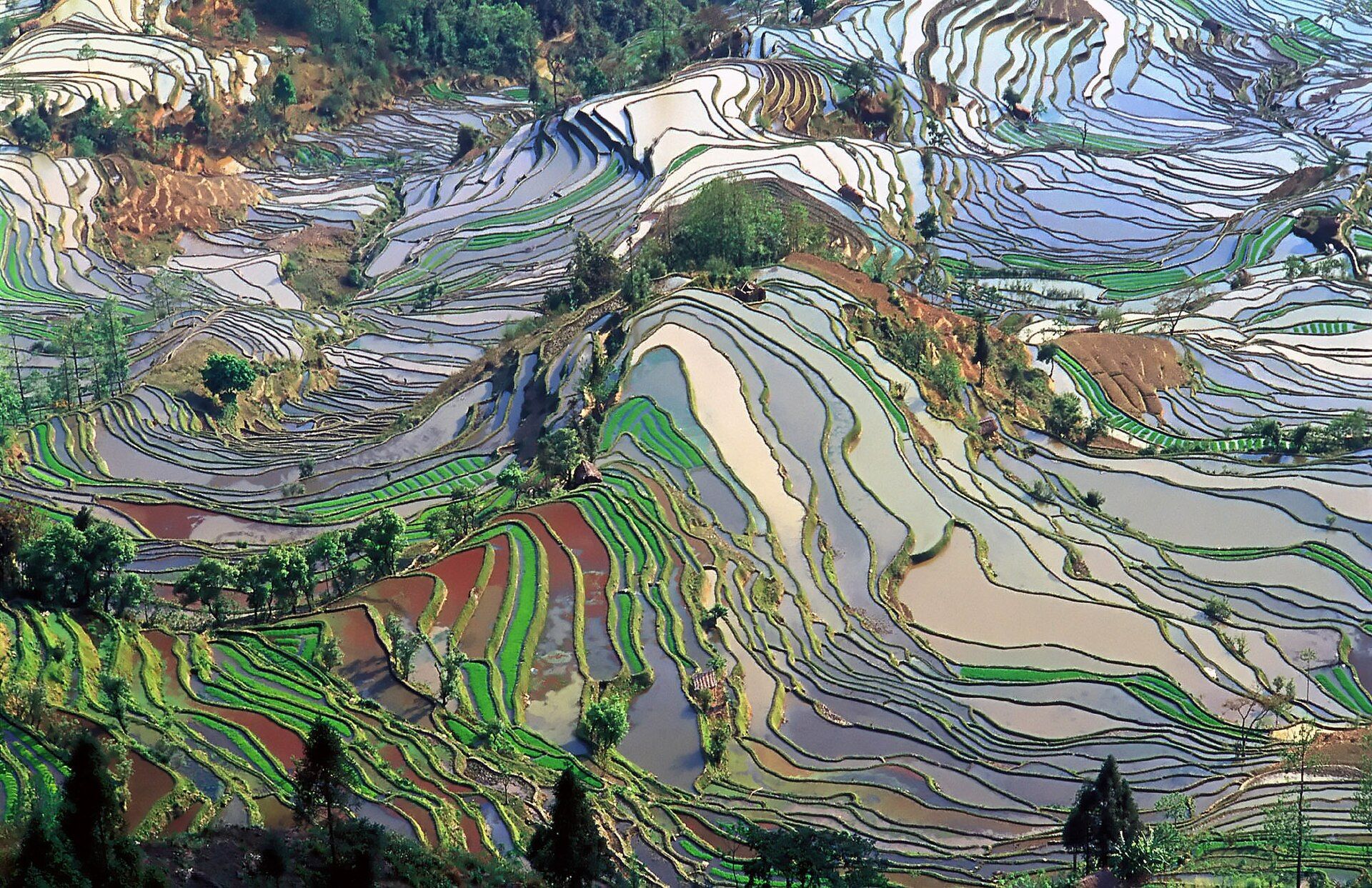
Yuanyang Rice Terraces Flooded in winter
Yuanyang County, Honghe, Yunnan, China
The Honghe Hani terraces in southern Yunnan, a UNESCO cultural landscape of about 16,600 hectares falling in as many as 3,000 steps down the Ailao Mountains. Flooded roughly November to April, they mirror the sunrise from the Duoyishu, Bada and Laohuzui platforms; allow two or three nights in case fog spoils a dawn. About 4–5 hours by road from Kunming.
-
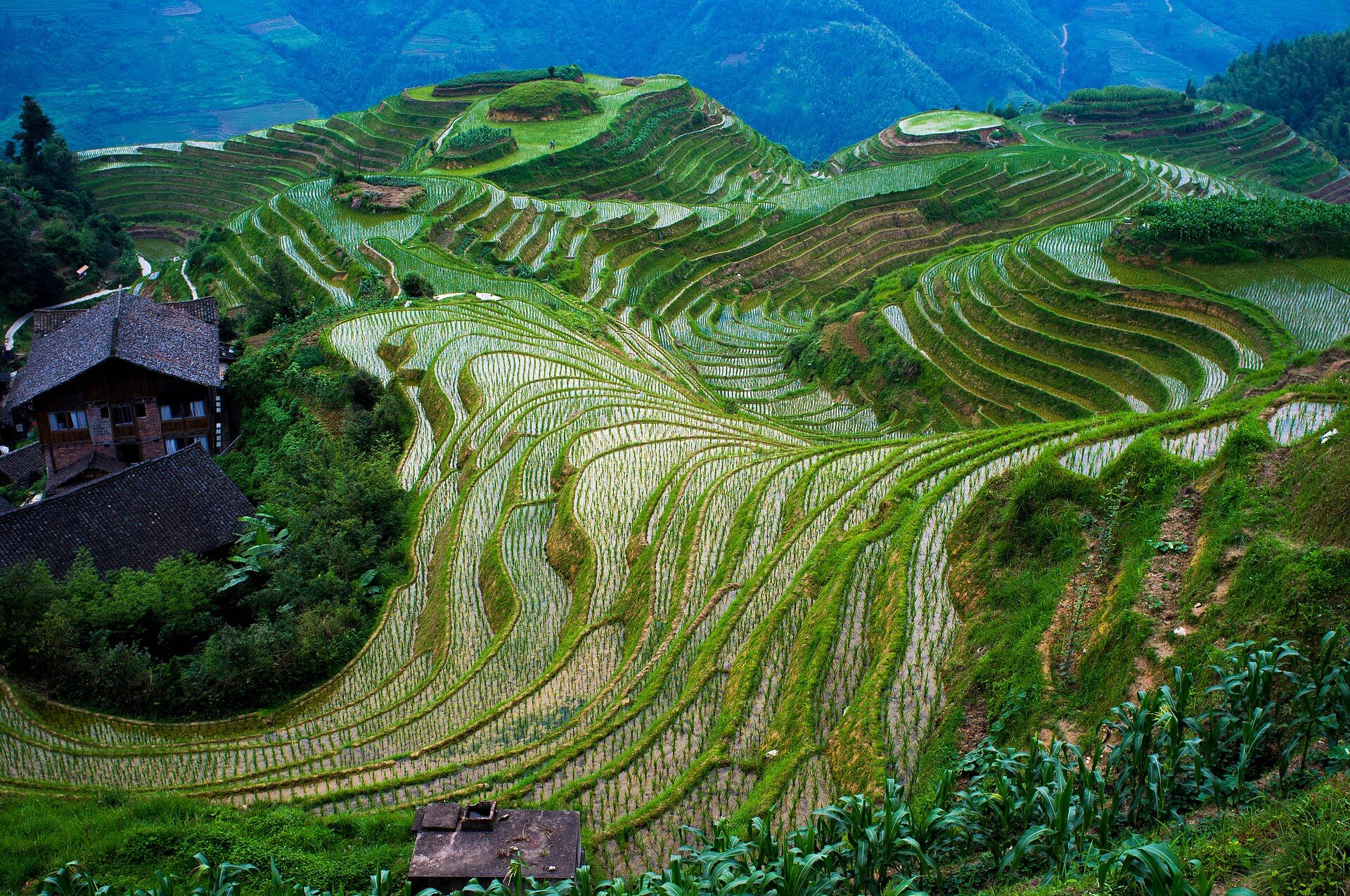
Longji Rice Terraces The Dragon's Backbone
Longsheng County, Guangxi, China
Terraces worked since the Yuan dynasty on the ridges of Longsheng County, climbing from about 300 metres to 800 metres and above around Zhuang and Yao villages. Flooded roughly April to June, gold from about September to early November; 2–3 hours from Guilin, walked on stone paths from Ping'an or Dazhai.
-
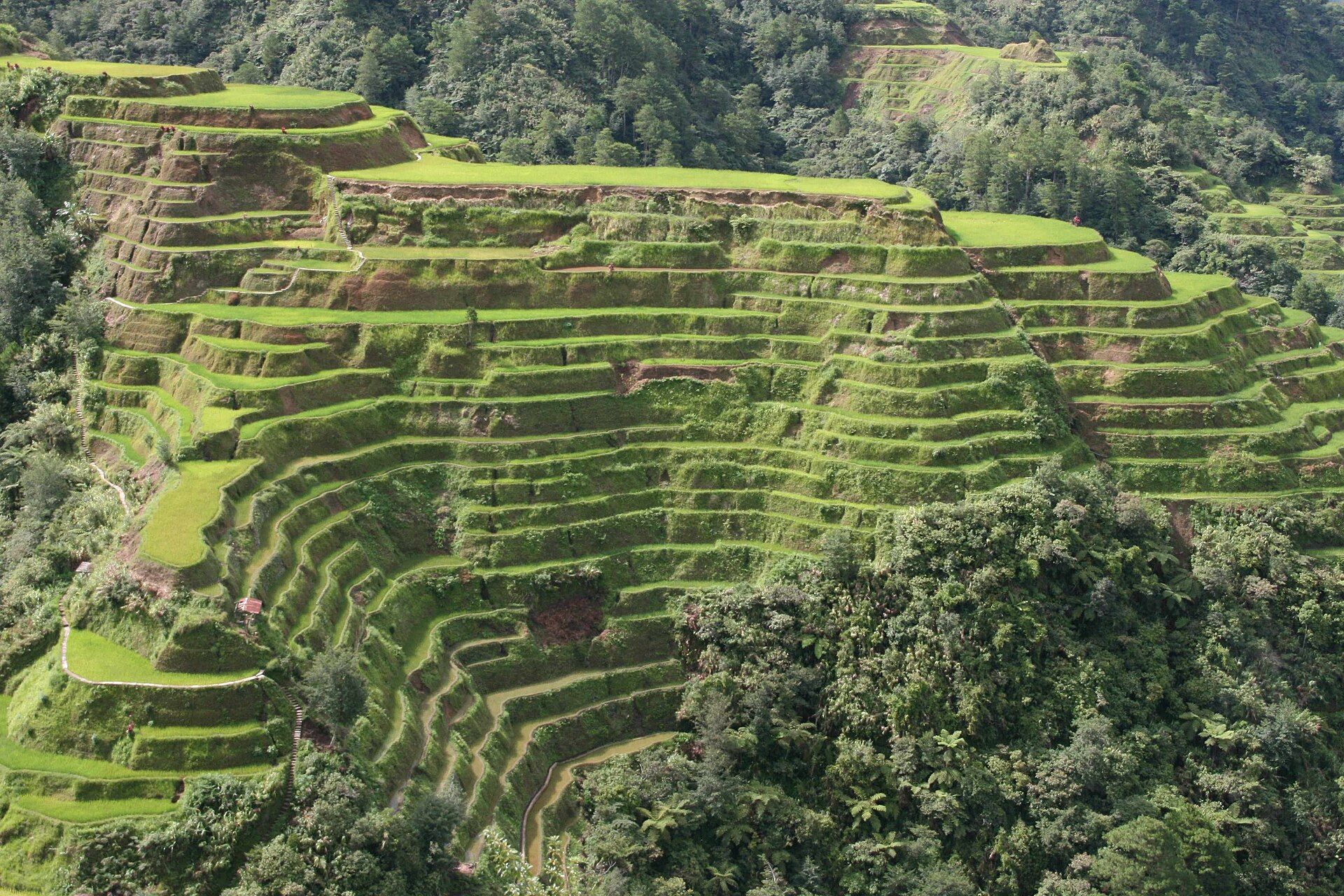
Banaue & the Ifugao Rice Terraces Hand-built over two millennia
Ifugao, Cordillera, Philippines
The Ifugao terraces of the Philippine Cordillera, part of a UNESCO World Heritage Site, fed by a protected muyong forest above the paddies. Lush green around March and April, golden in the weeks before the June harvest; Batad's amphitheatre is a walk down from the road, and guides are strongly recommended.
-
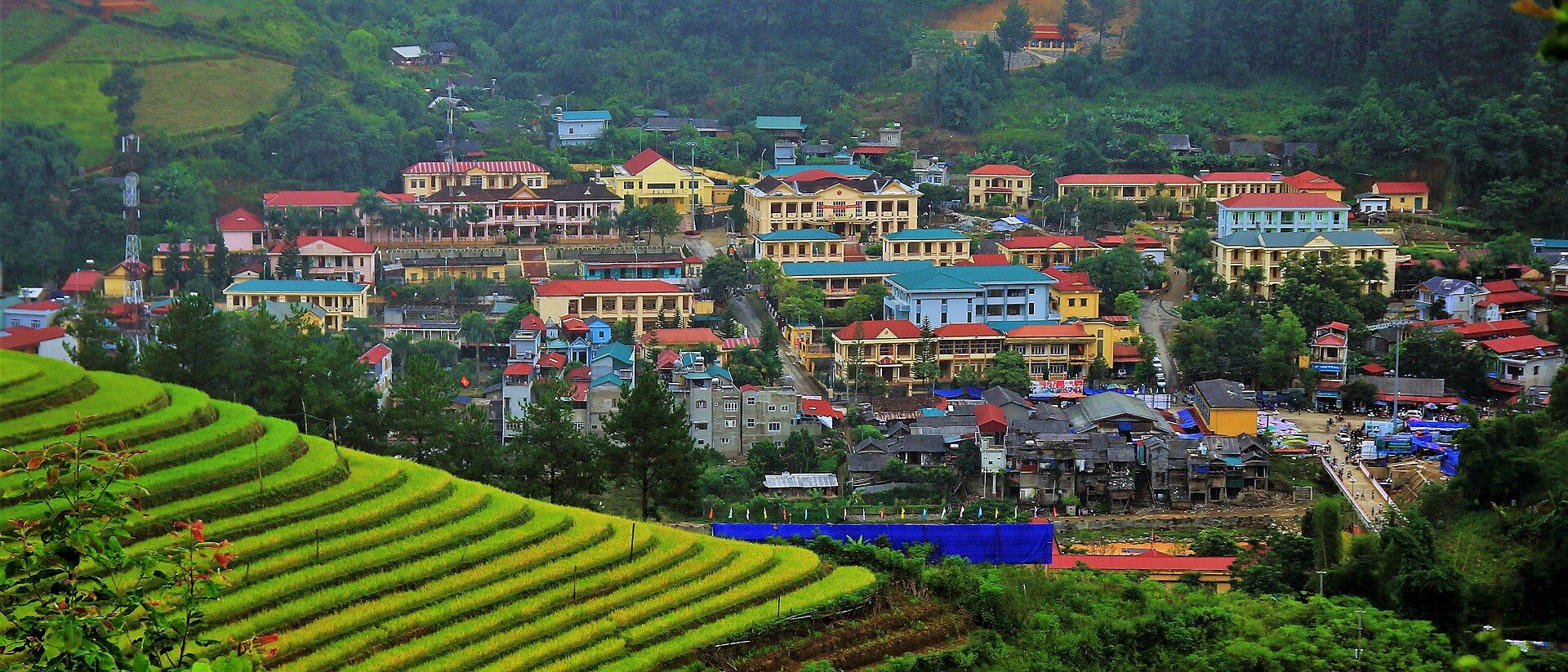
Mù Cang Chải Terraces Hmong terraces in the north
Yên Bái Province, northern Vietnam
Whole valleys of curving terraces in Yên Bái Province, a national special landscape reached over the Khau Phạ Pass, roughly 6–8 hours from Hanoi. Two windows: flooded around May and June, gold from mid-September to mid-October. This is working farmland — keep to the paths.
-
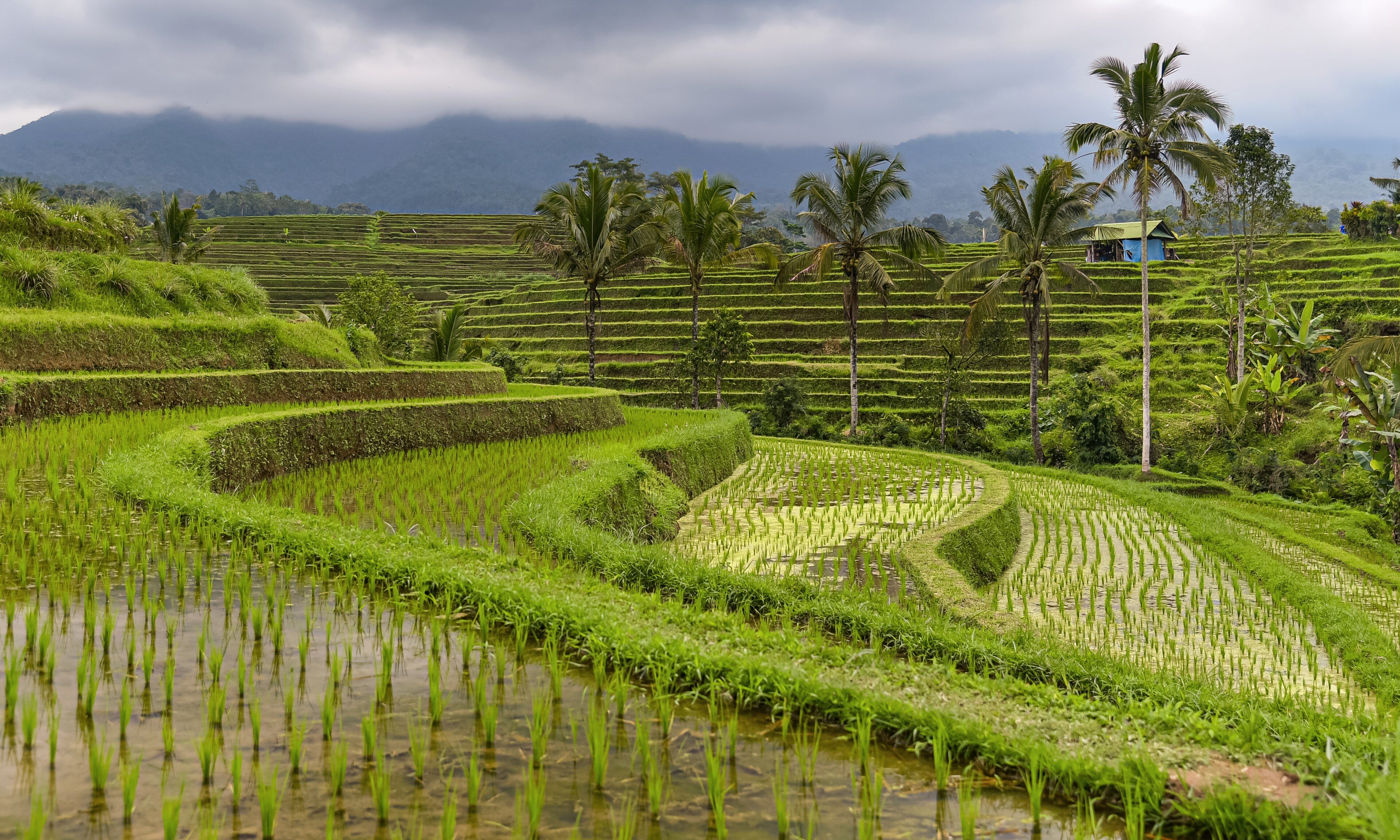
Jatiluwih Rice Terraces Big enough to walk into
Tabanan Regency, Bali, Indonesia
About 600 hectares under Mount Batukaru, the largest surviving traditional terraces on Bali and part of its UNESCO-listed subak landscape. Staggered planting keeps them green most of the year; marked loops lead out between the fields, about 2 hours from Ubud. The dry season, roughly April to October, is best for walking.
Because the windows don't overlap, one trip rarely sees two of these at their best: winter is Yuanyang's season, March to June belongs to Banaue, Longji and Mù Cang Chải in their flooded phase, and September to October brings gold to Longji and Mù Cang Chải. Jatiluwih is the one that works for most of the year. Midday light flattens flooded terraces everywhere — go at sunrise or late afternoon.
Added