Places · Mexico

Natural Wonders of Mexico: The 4 Most Beautiful Places to Visit

4 places in the atlas

Mexico straddles the tropics and a volcanic belt, making it one of the most biologically diverse countries on Earth. Beneath the flat limestone of the Yucatán Peninsula hides a vast flooded cave system whose sinkholes — cenotes — open into crystal-clear groundwater, part of a great arc marking the buried Chicxulub impact crater. In the central highlands, cool fir forests host the overwintering monarch butterfly migration, while volcanoes, deserts, canyons, and reefs stretch across the rest of the country. Below are the 4 natural wonders of Mexico in the atlas — the most beautiful places to build a trip around, each with what makes it remarkable, when to go, and how to reach it. Best overall time: Roughly November–April is drier and cooler across much of the country; the monarch colonies are best mid-November to March; cenotes are good year-round.
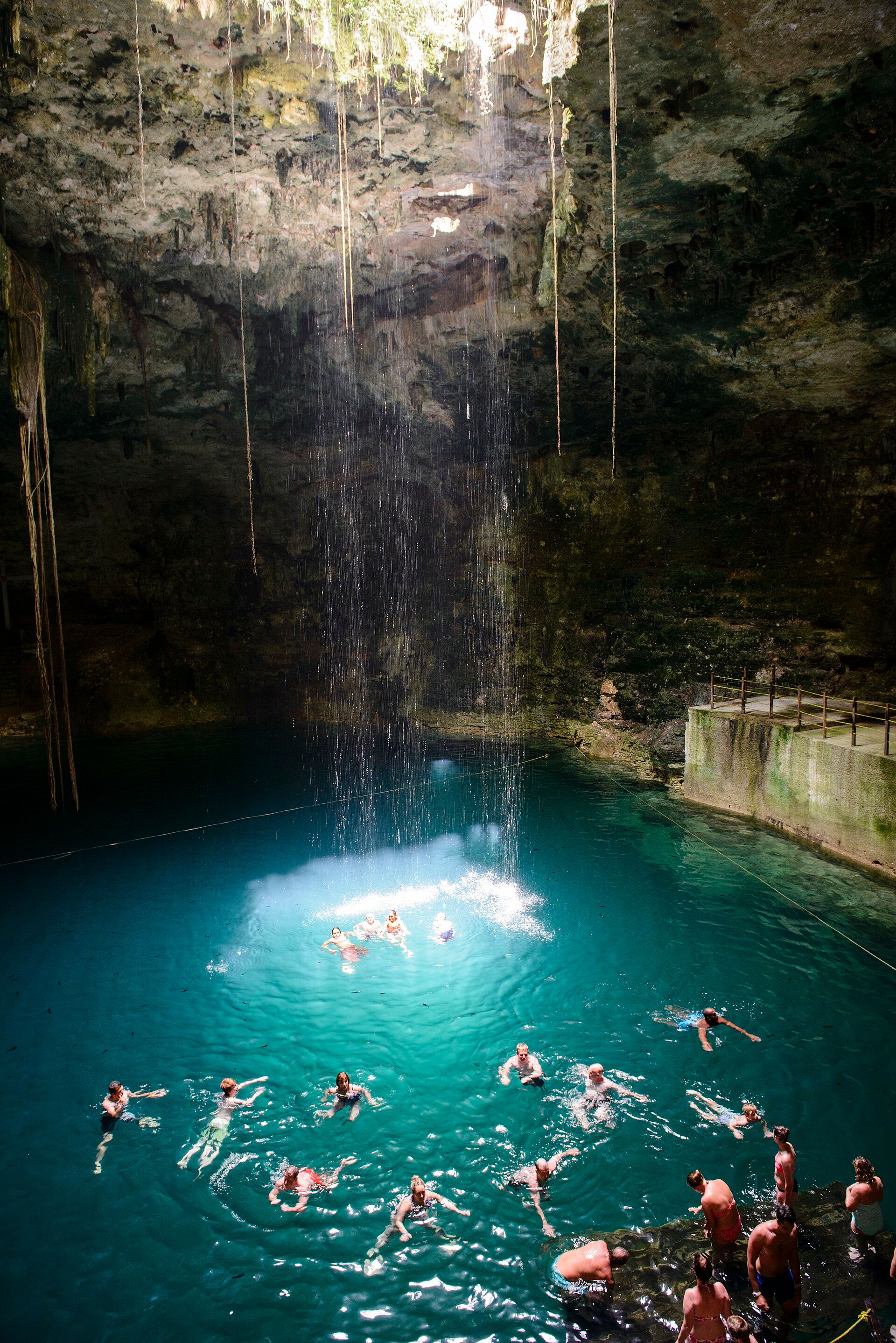
The Yucatán Cenotes, Yucatán Peninsula, Mexico

The Yucatán Cenotes

Yucatán Peninsula, Mexico

Thousands of natural sinkholes opening into a hidden world of crystal-clear groundwater and flooded caves beneath the Yucatán — the peninsula's only natural fresh water and among the most beautiful swimming holes on Earth.

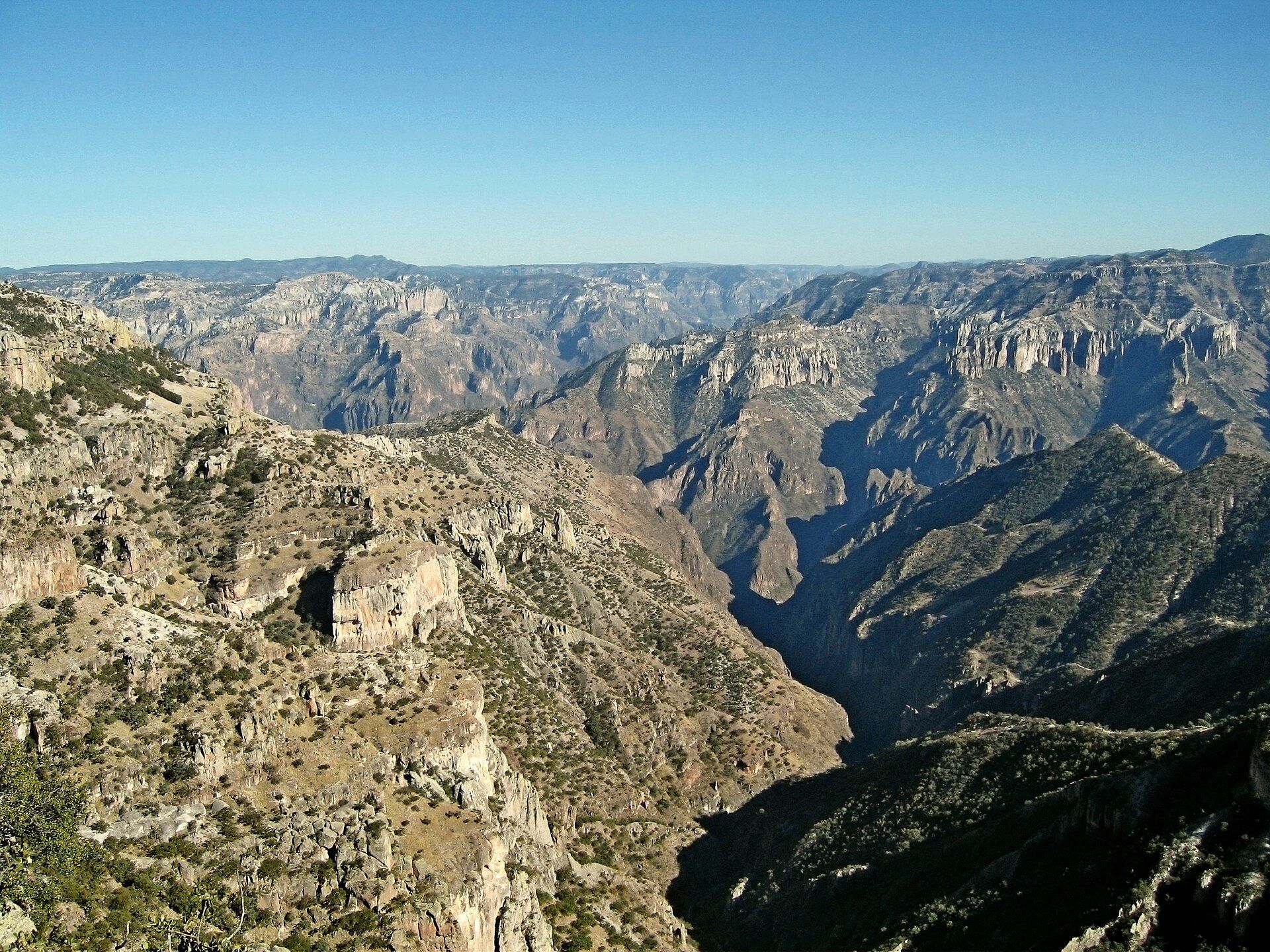
Copper Canyon, Sierra Tarahumara, Chihuahua, Mexico

Copper Canyon

Sierra Tarahumara, Chihuahua, Mexico

A network of six great canyons in the Sierra Tarahumara of northern Mexico — deeper in places than the Grand Canyon — traversed by one of the world's most spectacular railways.

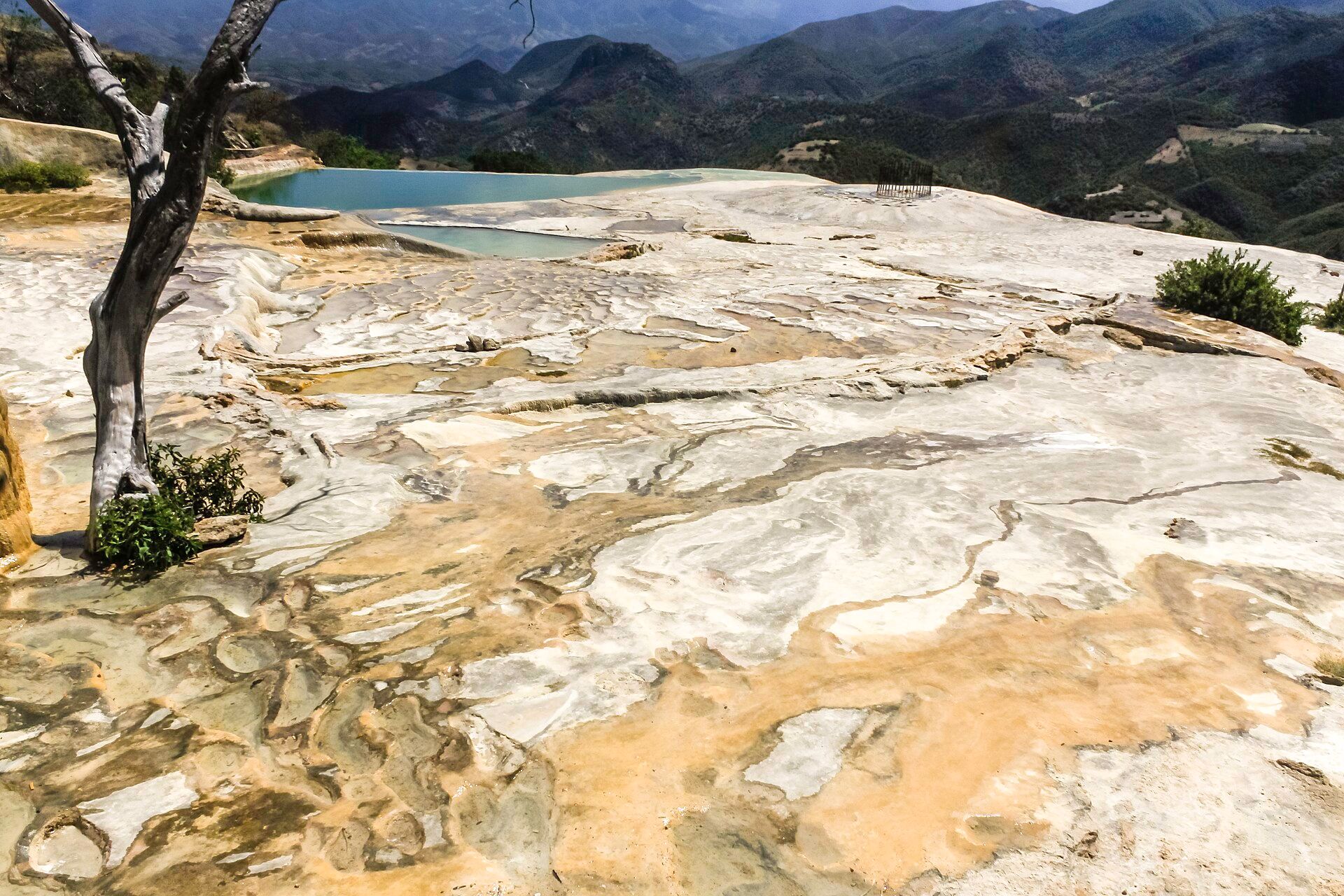
Hierve el Agua, San Lorenzo Albarradas, Oaxaca, Mexico

Hierve el Agua

San Lorenzo Albarradas, Oaxaca, Mexico

A pair of 'petrified waterfalls' in the mountains of Oaxaca — cliffs coated white by mineral springs — above natural infinity pools that hang over a vast valley.

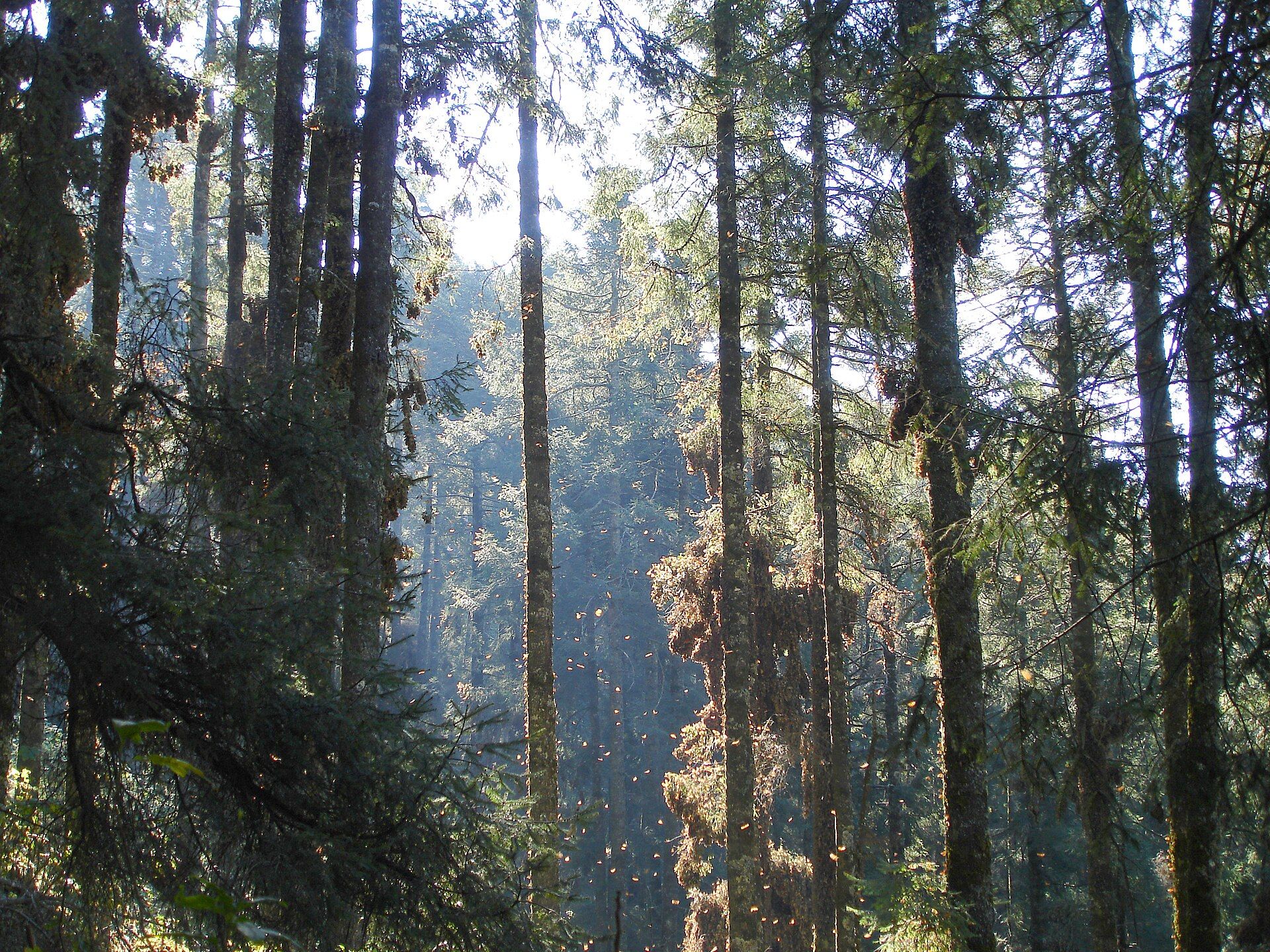
Monarch Butterfly Reserve, Michoacán / State of Mexico, central Mexico

Monarch Butterfly Reserve

Michoacán / State of Mexico, central Mexico

High-altitude fir forests where hundreds of millions of monarch butterflies gather each winter after migrating up to 4,000 kilometres — one of the most astonishing wildlife spectacles on the planet.