Nature route · A week
Wild Japan: North to South
A drift-ice coast, the perfect volcano, and a rainforest island of thousand-year-old cedars.
A long rail-and-air journey through Japan's wild edges: the drift-ice wilderness of Shiretoko in Hokkaido, the iconic cone of Mount Fuji on Honshu, and the ancient cedar rainforest of Yakushima off the southern tip.
- Length 10–12 days
- Stops 3 wonders
- Budget ¥250,000–650,000 pp
- Region Japan, Japan
Trip map
The route
Stops in travel order — tap any one for the full wonder guide.
-
Shiretoko 3 nights
Hokkaido, northern Japan
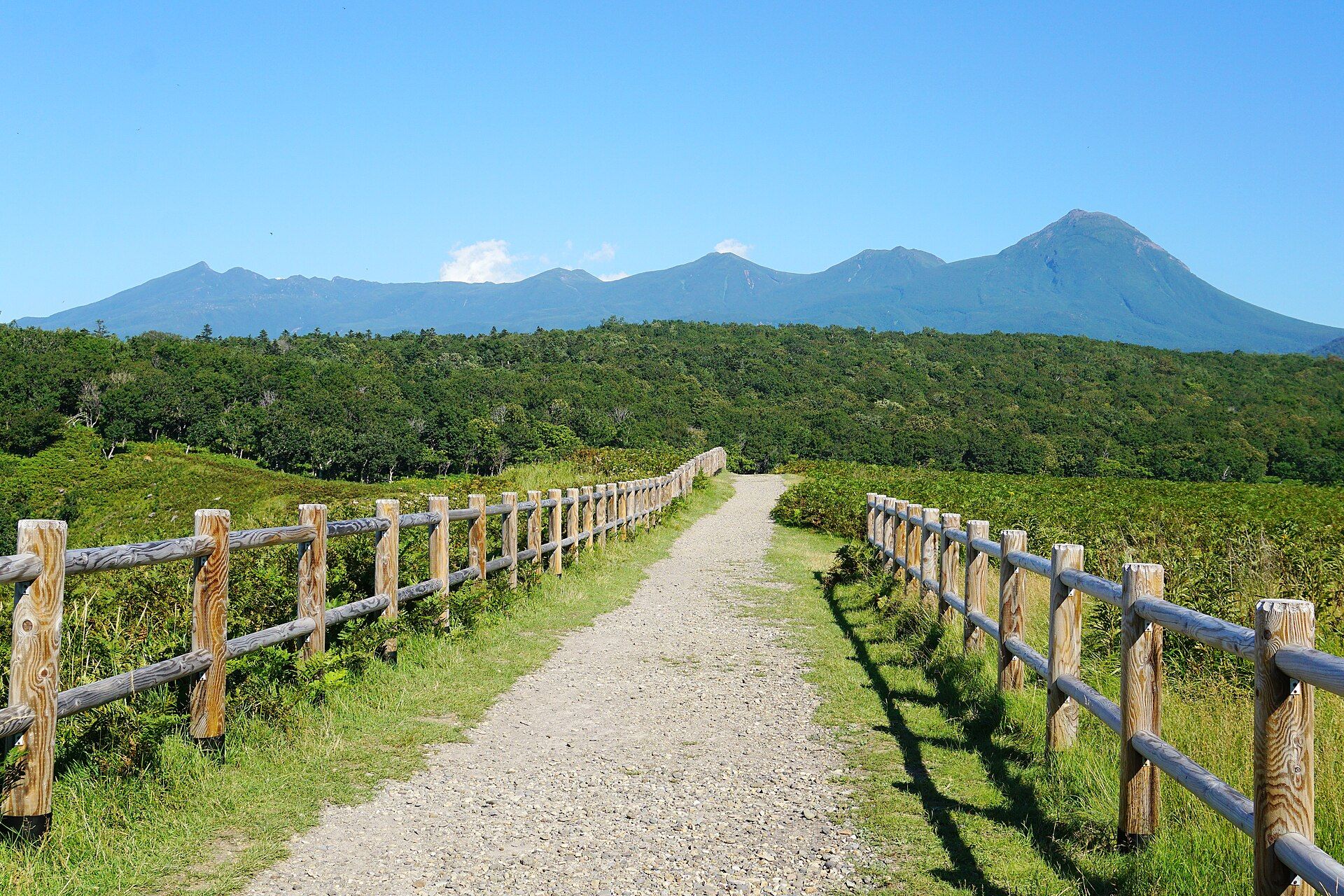
A roadless UNESCO peninsula of brown bears, sea eagles, and (in late winter) drift ice — Japan's wildest corner.
-
Mount Fuji 3 nights
Honshū, Japan
The near-perfect volcano and Japan's highest peak — climbed in summer, admired from the Fuji Five Lakes year-round.
-
Yakushima 3 nights
Kagoshima, southern Japan
An island of thousand-year-old cedars in dense, dripping rainforest off the southern coast of Kyūshū.
Day by day
-
Hokkaido & Shiretoko
Base Utoro / Shiretoko
- Fly to Hokkaido (via Sapporo/Memanbetsu); road to Shiretoko
Begin at Japan's wild northeastern tip: the Shiretoko Five Lakes, a wildlife cruise for bears and eagles along the roadless coast, and — in late winter — the drift ice.
-
South to Mount Fuji
Base Fuji Five Lakes / Hakone
- Fly to Tokyo, then rail to the Fuji Five Lakes — a long travel day
The length of Honshu by air and rail to the foot of Fuji. Admire the cone from Lake Kawaguchi, or — in season — climb through the night to the summit for sunrise.
-
Down to Kyūshū
Base Kagoshima
- Shinkansen and rail south to Kagoshima — a long, scenic day
Ride the bullet train south the length of the country to Kagoshima, gateway to the southern islands, with its own smoking volcano across the bay.
-
Yakushima's ancient forest
Base Yakushima
- Ferry or short flight to Yakushima
- Forest hikes to the ancient cedars
Cross to Yakushima to walk its mossy, rain-soaked forest to the thousand-year-old yakusugi cedars — an inspiration for Studio Ghibli's 'Princess Mononoke' — before flying home via Kagoshima.
What it costs
Per person, two sharing, 10 nights. Excludes international flights to Japan.
| Category | Range (per person) |
|---|---|
| TransportShinkansen (or a JR Pass) plus domestic flights to Hokkaido and Kyūshū and ferries. | ¥90,000–200,000 |
| Lodging10 nights from guesthouses and ryokan to hotels. | ¥90,000–260,000 |
| FoodConvenience stores and set meals to restaurants and ryokan dinners. | ¥45,000–110,000 |
| Fees & guidesShiretoko wildlife cruise, Yakushima trekking guide/permits, and park and onsen fees. | ¥25,000–80,000 |
| Estimated total | ¥250,000–650,000 |
What moves the number
- Whether a JR Pass beats point-to-point tickets for your dates
- Ryokan and hotel tier, and how many nights you upgrade
- How many flights/ferries the Hokkaido and Yakushima legs need
- Season and the JPY exchange rate
Indicative mid-2026 ranges; confirm current rail, flight, and lodging prices before booking. Roughly US$1,700–4,400 per person at mid-2026 exchange rates, excluding international flights. These are honest ranges, not quotes — real prices swing with season, group size, and how you travel. Always confirm current fares, room rates, permits, and fees with operators before you commit.
Best season & getting around
🗓️ Best time to go
This route spans very different climates, so timing is a compromise. Late spring and autumn (roughly April–May and October–November) are the most comfortable overall for Fuji's views and Yakushima's forest. Fuji's official climbing season is only July–September; Shiretoko's drift ice is a February phenomenon, while its wildlife and hiking are best June–September.
🧭 Getting around
Japan's rail network makes the spine of this trip easy — a Japan Rail Pass covers the shinkansen — but the far north (Hokkaido) and far south (Yakushima) are reached by domestic flights and ferries. It's a lot of ground; travel light and reserve seats on the long-haul trains.
Know before you go
- This is a long, transit-heavy route the length of the country — build in the travel days and consider whether a JR Pass fits your dates.
- Mount Fuji's climbing season is only July–September; outside it, enjoy the cone from the Fuji Five Lakes rather than attempting the summit.
- Shiretoko's drift ice is a February sight, while its wildlife cruises and hiking run in summer — you can't have both on one trip.
- All distances, times, and prices are approximate and shift with season and demand.
Japan is far wilder than its bullet trains and cities suggest, and this route seeks out its natural extremes from top to bottom. It opens on the roadless Shiretoko Peninsula in the far northeast of Hokkaido — a land of brown bears, sea eagles, and winter drift ice — runs the length of Honshu to the perfect cone of Mount Fuji, and finishes on Yakushima, a southern island of thousand-year-old cedars wrapped in near-constant rain.
It is a transit-heavy trip that leans on Japan’s superb rail network, stitched together with flights and ferries to reach the far north and far south. The climates it spans are so different that timing is always a compromise — but come in late spring or autumn, travel light, and you’ll see a Japan of bears, volcanoes, and ancient forest that most visitors never reach.
Wild Japan: North to South: common questions
How many days is the Wild Japan: North to South?
10–12 days — the plan is built around 10 nights. The length of Japan, by shinkansen and domestic flights
When is the best time to do the Wild Japan: North to South?
This route spans very different climates, so timing is a compromise. Late spring and autumn (roughly April–May and October–November) are the most comfortable overall for Fuji's views and Yakushima's forest. Fuji's official climbing season is only July–September; Shiretoko's drift ice is a February phenomenon, while its wildlife and hiking are best June–September.
How much does the Wild Japan: North to South cost?
A rough guide is ¥250,000–650,000 per person (Per person, two sharing, 10 nights. Excludes international flights to Japan.). Indicative mid-2026 ranges; confirm current rail, flight, and lodging prices before booking. Main cost variables: Whether a JR Pass beats point-to-point tickets for your dates; Ryokan and hotel tier, and how many nights you upgrade; How many flights/ferries the Hokkaido and Yakushima legs need.
How do you get around on the Wild Japan: North to South?
Japan's rail network makes the spine of this trip easy — a Japan Rail Pass covers the shinkansen — but the far north (Hokkaido) and far south (Yakushima) are reached by domestic flights and ferries. It's a lot of ground; travel light and reserve seats on the long-haul trains.
Which natural wonders does the Wild Japan: North to South include?
Shiretoko, Mount Fuji, Yakushima.
Added