Taman Negara
📍 Pahang, Terengganu and Kelantan, Peninsular Malaysia
One of the oldest tropical rainforests on Earth — more than 130 million years unbroken — sprawling across the heart of Peninsular Malaysia, with a treetop canopy walkway, jungle rivers and the peninsula's highest mountain.
What makes it marvelous
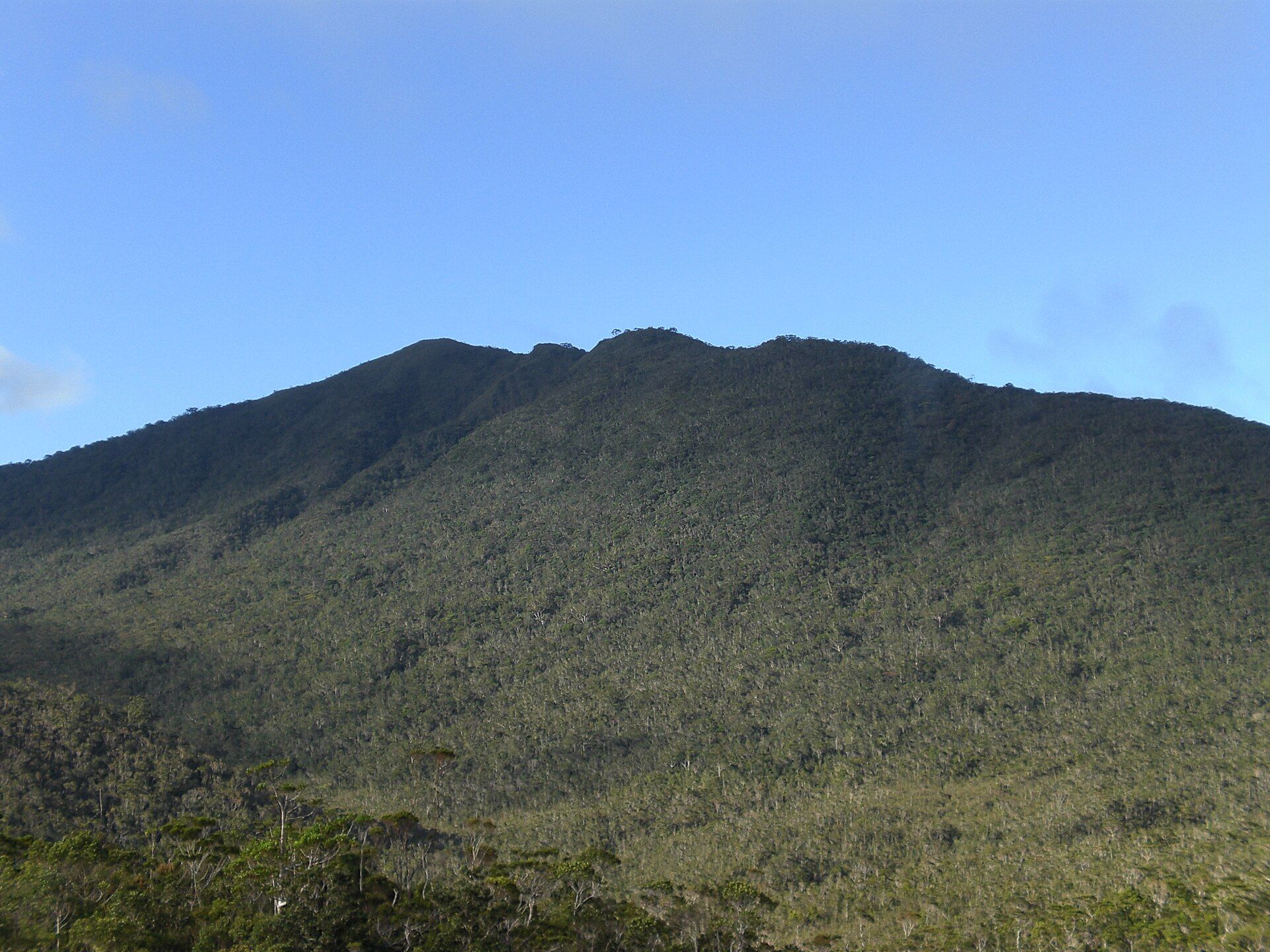
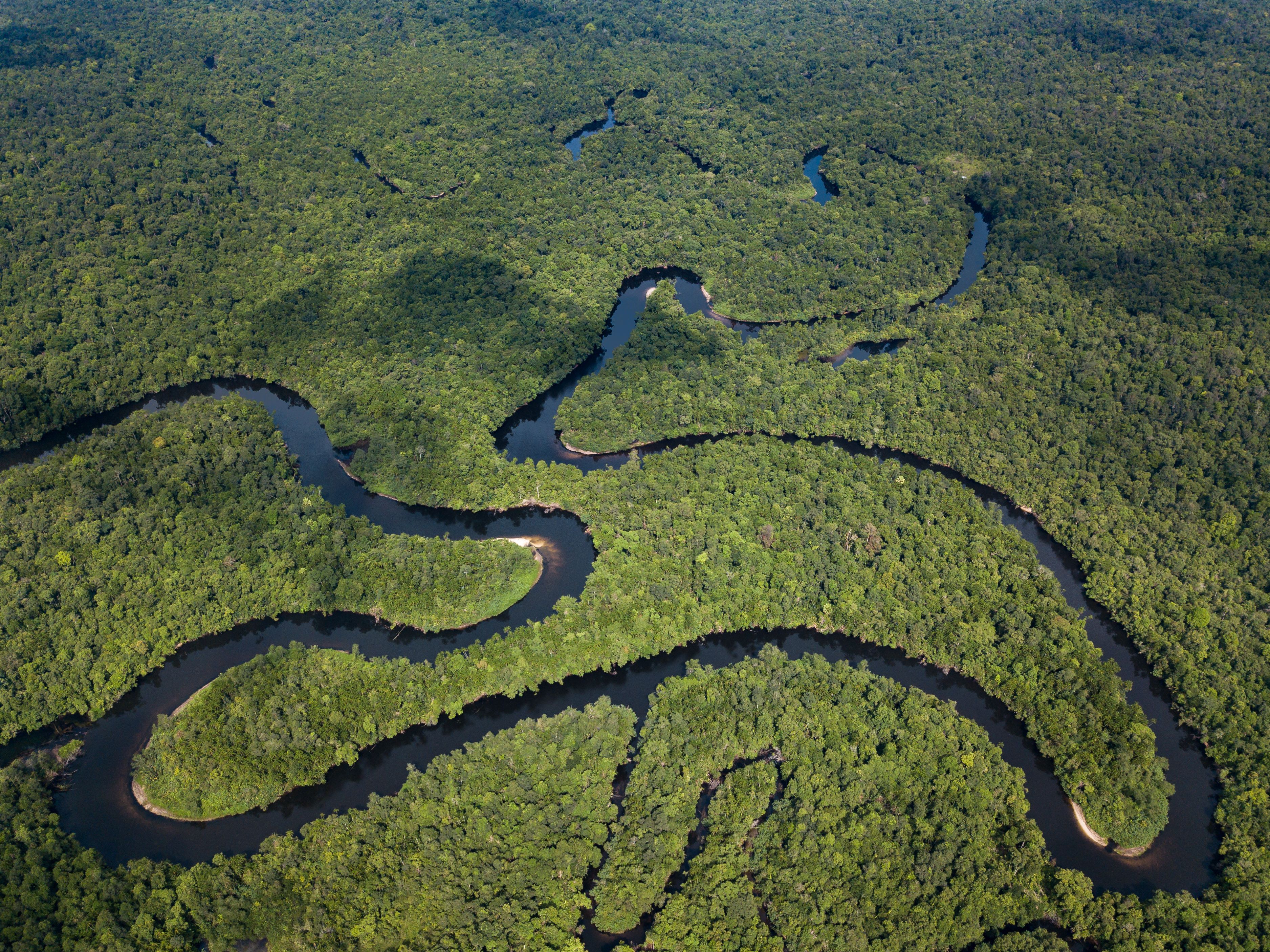
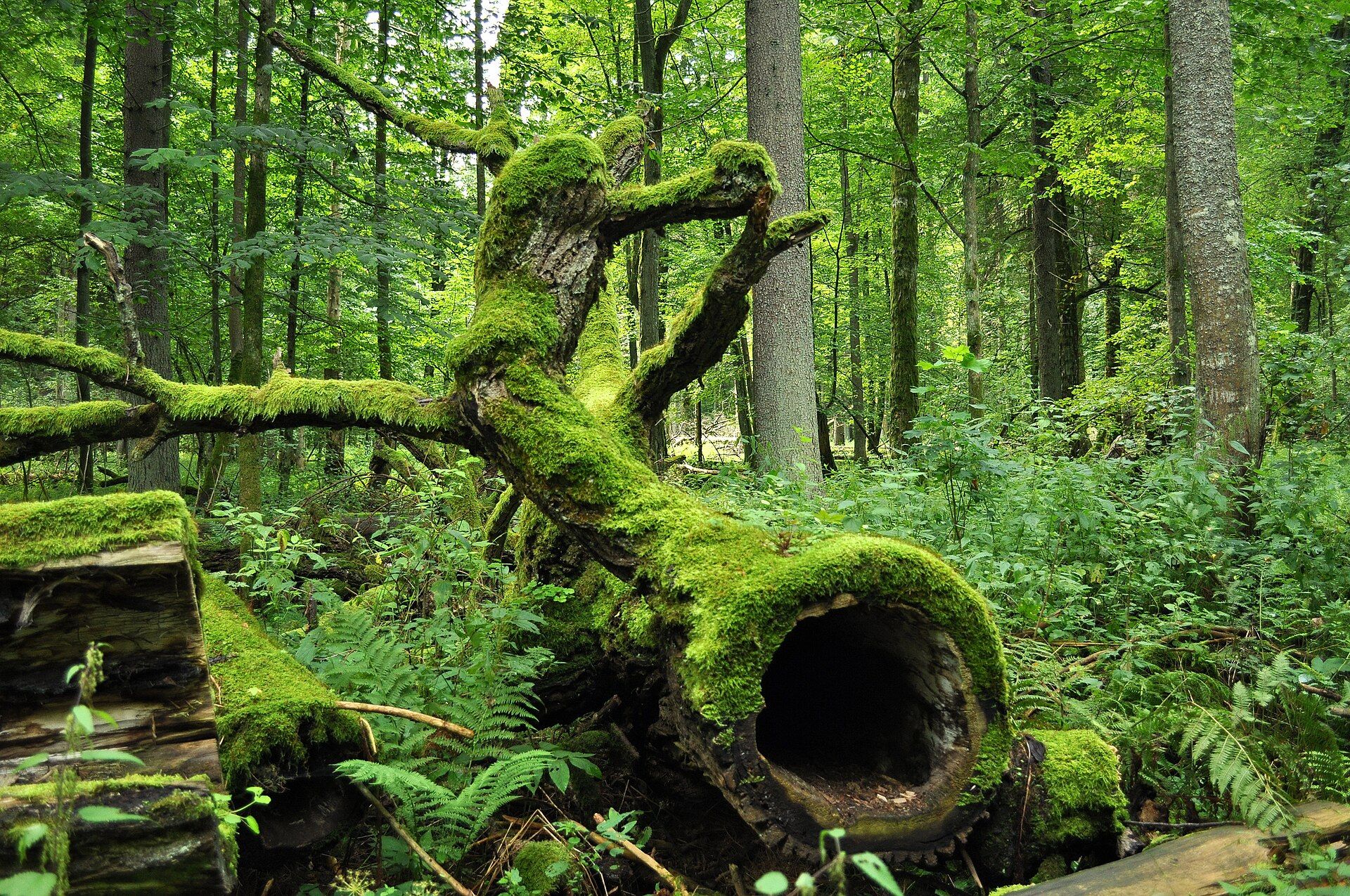
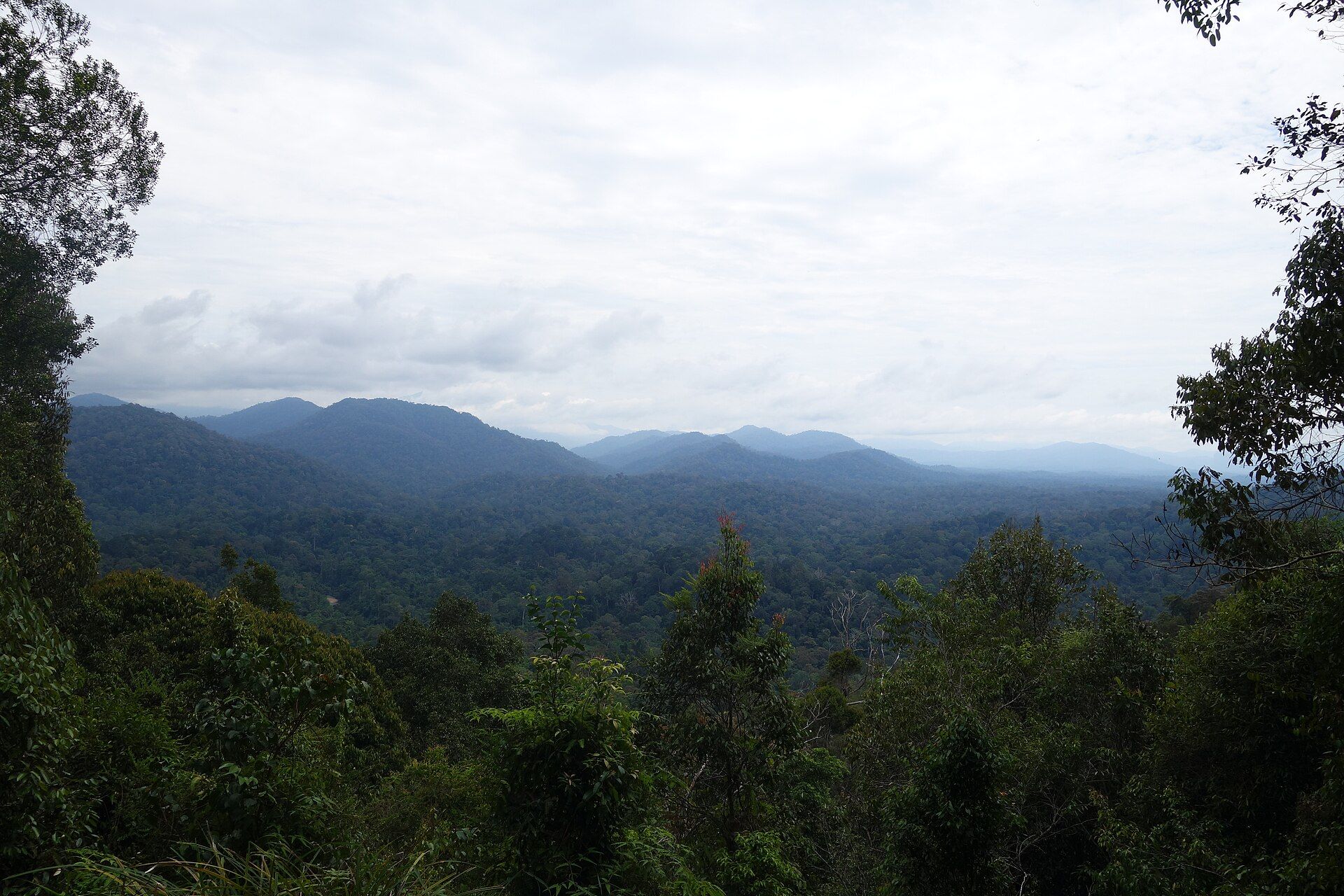
Taman Negara covers some 4,343 square kilometres of lowland and hill rainforest across three Malaysian states, and its forest is reckoned to be more than 130 million years old — older than the Amazon or the Congo, having escaped the ice ages that reshaped so much of the world. Beneath a towering canopy of dipterocarp trees live tigers, Asian elephants, tapirs, gaur and hornbills, along with a staggering wealth of plants and insects. Rivers thread the green immensity, and Gunung Tahan, the highest peak in Peninsular Malaysia at 2,187 metres, rises from its interior.
Why visit
This is primeval jungle you can actually walk into: a boat ride up the Tembeling River, a night safari for glinting eyes in the dark, and above all the canopy walkway, one of the world's longest, swaying some 40 metres above the forest floor. Whether you come for a day's canopy walk or a week-long trek to Gunung Tahan, Taman Negara offers a rare chance to stand inside a forest almost unchanged since the age of the dinosaurs.
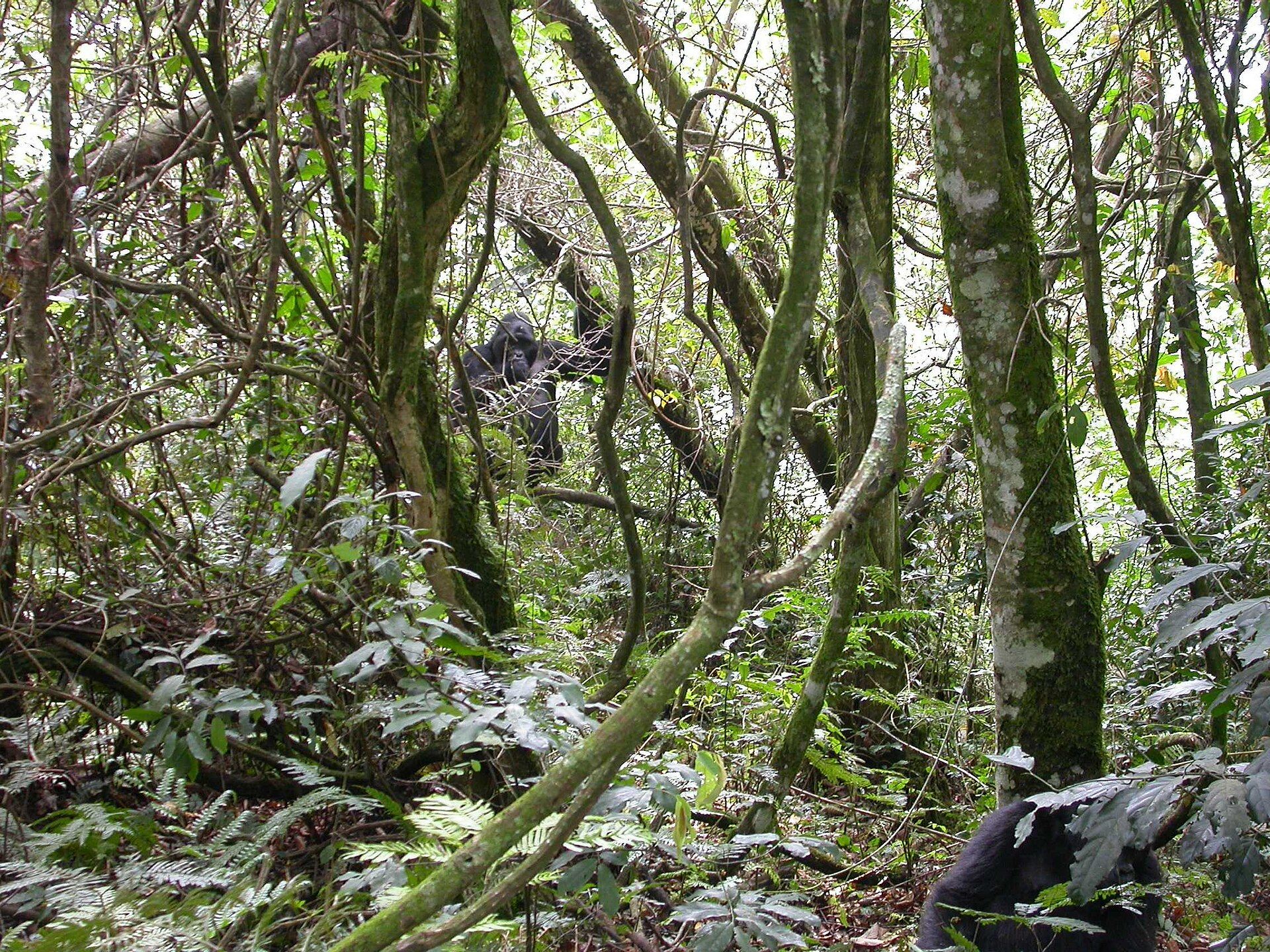
More views of Taman Negara
Additional photographs of the actual site — each freely licensed, with its photographer and licence credited.
What to know before you go
🗓️ Best time
The drier months from February to September are best for trails and river travel; the monsoon from November to January can flood rivers and close parts of the park.
🧭 Getting there & access
Reached from Kuala Lumpur via Jerantut, then by road or a scenic boat trip up the Tembeling River to the park headquarters at Kuala Tahan.
Good to know
- Leeches are common on the forest floor — wear leech socks and tuck in trousers after rain.
- Hire a licensed park guide for wildlife walks and any serious trekking.
- Bring insect repellent, quick-dry clothing and a dry bag for river crossings.
Plan your visit
Moderate🧭 Getting there
From Kuala Lumpur (airport KUL), via Jerantut
- From Kuala Lumpur travel by road to Jerantut, roughly 3–4h
- Continue by road to Kuala Tahan, or take the scenic boat up the Tembeling River, about 2–3h
- Total travel
- A long half-day of travel each way from Kuala Lumpur
- Time at site
- Two to three days; up to a week for the Gunung Tahan trek
- Access
- Park entry and camera permits from the park office; licensed guides required for wildlife walks and treks.
🎒 What to bring & consider
- Leech socks and insect repellent for the forest floor
- Quick-dry clothing and a dry bag for river travel
- Good grip footwear for muddy, root-laced trails
- A torch for night safaris and a rain layer
👁️ What to expect
- Crowds
- The canopy walk and headquarters can be busy; deeper trails are quiet.
- Conditions
- Hot, humid and often wet; muddy trails, leeches and river crossings.
- Facilities
- Lodges, hostels and food stalls at Kuala Tahan; basic camps in the interior.
- The view
- The canopy walkway threading through the treetops, or morning mist over the Tembeling.
Times and requirements are approximate and change with season, weather, and local rules — confirm permits, fares, and schedules with operators before you travel.
Natural riches of the area
- 130-million-year-old lowland rainforest
- Tigers, elephants, tapirs and hornbills
- Jungle rivers and rapids
- Gunung Tahan, the peninsula's highest peak
Local food
- Patin masak tempoyak
- River catfish cooked in fermented durian and chilli, a Pahang speciality.
- Ikan bakar
- River fish grilled over charcoal, eaten along the Tembeling.
- Nasi lemak
- Coconut rice with sambal, the Malaysian breakfast staple.
Taman Negara — the name simply means “national park” in Malay — protects one of the oldest tropical rainforests on Earth. Spread across 4,343 square kilometres in the heart of Peninsular Malaysia, its forest has grown unbroken for more than 130 million years, spared the ice ages that transformed the temperate world. It is older than the Amazon and the Congo, a green survivor from the age of the dinosaurs.
Beneath its towering dipterocarp canopy lives a full cast of Southeast Asian wildlife: Malayan tigers and elephants, tapirs, gaur, sun bears and a riot of hornbills, monkeys and insects, though the dense forest keeps most of them hidden. Rivers thread through the immensity, and from its interior rises Gunung Tahan, at 2,187 metres the highest mountain in Peninsular Malaysia and the goal of a demanding multi-day trek.
For most visitors the park begins with a boat ride up the Tembeling River to the headquarters at Kuala Tahan, followed by walks into the jungle, night safaris and a crossing of the canopy walkway — one of the longest in the world, swaying some 40 metres above the forest floor. Whether for an afternoon or a week, Taman Negara lets you step inside a living forest that has endured, almost unchanged, since long before humankind existed.
Taman Negara: common questions
How do you get to Taman Negara?
From Kuala Lumpur (airport KUL), via Jerantut: From Kuala Lumpur travel by road to Jerantut, roughly 3–4h; Continue by road to Kuala Tahan, or take the scenic boat up the Tembeling River, about 2–3h. Total travel time: A long half-day of travel each way from Kuala Lumpur.
When is the best time to visit Taman Negara?
The drier months from February to September are best for trails and river travel; the monsoon from November to January can flood rivers and close parts of the park.
How long should you spend at Taman Negara?
Two to three days; up to a week for the Gunung Tahan trek. Total travel time: A long half-day of travel each way from Kuala Lumpur.
What should you bring to Taman Negara?
Leech socks and insect repellent for the forest floor Quick-dry clothing and a dry bag for river travel Good grip footwear for muddy, root-laced trails A torch for night safaris and a rain layer
Do you need a permit or guide for Taman Negara?
Park entry and camera permits from the park office; licensed guides required for wildlife walks and treks.
Is Taman Negara crowded, and what are conditions like?
The canopy walk and headquarters can be busy; deeper trails are quiet. Hot, humid and often wet; muddy trails, leeches and river crossings. Facilities: Lodges, hostels and food stalls at Kuala Tahan; basic camps in the interior.
Added